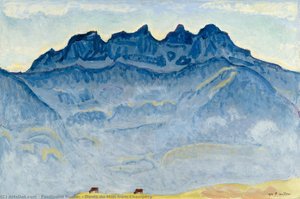
Anteprima in scala reale
 Condividi
 Condividi
 Dettagli
 Guida stampabile

 Scarica
 Articoli simili
 Radiografia
 Slideshow
 Statistiche
Donna in estasi
 Olio su tela
- Arte da parete
- Art Nouveau
 1911
1911- Età Moderna
 86.0 x 172.0 cm
 Leggi tutto
Giclée / Stampe d'arte
Stampa giclée o su tela di qualità museale, con produzione rapida e diverse opzioni di finitura. ( Ordina la riproduzione dipinta a mano Passa all'immagine digitale)




P118B $10

P118H $10

P118W $10

P438Z $10

P508JH $12

P508YH $12

P805H $10

P805Z $10

P919BZ $10

P919G $10

P919XJ $10

P959ZH $10

P968JZ $12

W106C $8

W218G $10

W218JH $8

W218Y $10

W307PJ $10

W316G $10

W316PJ $8

W316Y $10

W398PJ $8

W4111J $10

W500HY $15

W500JH $15

W692G $12

W849H $8

W940BG $15

W953PJ $8




Scegli tra le nostre dimensioni predefinite, che rispettano le proporzioni originali dell'opera d'arte.

È possibile inserire dimensioni personalizzate per adattare l'opera a una cornice o a uno spazio specifico. Se la dimensione selezionata non corrisponde alle proporzioni dell'immagine originale, procederemo al ritaglio dell'opera o all'estensione dell'immagine con un bordo specchiato o a tinta unita. Un mockup digitale ti verrà inviato per approvazione prima dell'inizio della produzione.
Si prega di notare che l'anteprima a schermo non riflette il ritaglio o l'estensione effettivi. Solo il mockup mostrerà accuratamente la composizione finale.
Sebbene siano disponibili dimensioni personalizzate, si raccomanda di selezionare una dimensione dall'elenco predefinito per preservare le proporzioni originali.
Consegna in tutto il mondo () in 2 settimane invece delle normali 4/5 settimane. (25 Settembre)

Spedizione espressa gratuita in tutto il mondo

Tela in lino di alta qualità

Assicurazione completa sulla spedizione

Garanzia di rimborso dei dazi doganali

Garanzia di perfetta fedeltà cromatica

Politica di reso entro 100 giorni (solo per difetti di fabbricazione)

Garanzia di rimborso al 100%

Sconto per acquisti multipli
 L'opzione vetro è disponibile solo per dimensioni inferiori a 110 cm

Donna in estasi
Giclée / Stampe d'arte
Dimensioni della riproduzione
-


Prezzo totale
$ 80
A Dance of Liberation: The Soul of Ferdinand Hodler’s Woman in Ecstasy
To encounter Ferdinand Hodler’s Woman in Ecstasy is to step into a realm where the boundaries between the physical form and the ethereal spirit dissolve. Painted in 1911, this monumental canvas serves as a cornerstone of the Art Nouveau movement, capturing far more than a mere moment of movement; it embodies an entire era's yearning for beauty, transcendence, and liberation. The painting depicts a woman caught in the throes of a rhythmic dance, her body a vessel for pure emotion. As she moves, her arms outstretched and her blue dress swirling, she appears to defy gravity itself, offering the viewer a glimpse into a state of being that is both profoundly sensual and spiritually elevated.
The technical mastery behind this work lies in Hodler’s ability to translate the ephemeral sensation of music into visual rhythm. Drawing inspiration from Émile Jaques-Dalcroze’s theory of Eurhythmics, Hodler utilizes a vibrant palette of reds, blues, and yellows to mimic the pulse of a melody. His brushstrokes are loose and fluid, prioritizing the capture of energy over the rigid precision of anatomical detail. This approach creates a mesmerizing fluidity that allows the eye to dance across the canvas alongside the subject. The brilliant yellow background provides a striking contrast, pushing the figure forward and imbuing the entire composition with an inner radiance that feels as though it might burst from the frame.
Symbolism and the Rhythm of Life
Beyond its visual splendor, Woman in Ecstasy is deeply rooted in the concept of "parallelism," a personal artistic philosophy developed by Hodler. Through this lens, the painting becomes an exploration of the interconnectedness between human emotion and the natural world. The dancer’s posture—dynamic, expansive, and uninhibited—serves as a deliberate rebellion against the restrictive societal conventions of the early 20th century. In an era marked by significant social upheaval and the burgeoning voices of feminist discourse, Hodler presents a figure that claims her right to joy and autonomy.
There is a poignant duality within the work; while the subject celebrates life and movement, one cannot ignore the contemplative, almost melancholic undertones that often haunted Hodler’s oeuvre. Having experienced profound personal loss in his youth, the artist possessed a unique sensitivity to the fleeting nature of existence. Thus, this dance is not merely an act of celebration, but a defiant embrace of the present moment against the inevitable passage of time. For the collector or the admirer, the painting offers a complex emotional landscape—a harmonious blend of vitality and introspection that continues to resonate across generations.
An Inspiration for the Modern Interior
For interior designers and connoisseurs of fine art, a high-quality reproduction of this masterpiece offers an unparalleled opportunity to introduce movement and narrative depth into a space. The bold color palette and sweeping gestures of Woman in Ecstasy make it a commanding focal point, capable of transforming a contemporary room into a gallery of profound emotion. Whether placed in a sunlit salon or a sophisticated study, the painting brings with it an atmosphere of elegance and intellectual curiosity.
Owning a piece that captures such a pivotal moment in Art Nouveau history allows one to surround themselves with the spirit of liberation. It is more than a decorative element; it is an invitation to contemplate the beauty of motion and the enduring power of the human spirit. As a work that bridges the gap between the visceral and the divine, Hodler’s masterpiece remains an essential acquisition for those seeking to infuse their surroundings with timeless grace and transformative energy.
Biografia dell'artista
La Vita e la Carriera di Ferdinand Hodler
Ferdinand Hodler, pittore svizzero, nacque il 14 marzo 1853 a Berna, in Svizzera. I suoi primi lavori furono caratterizzati da ritratti, paesaggi e dipinti di genere in uno stile realistico. Successivamente, adottò una forma personale di simbolismo, che definì "parallelismo".L'Evoluzione dello Stile di Hodler
Man mano che la carriera di Hodler progrediva, il suo lavoro si evolse per combinare influenze da vari generi, tra cui il simbolismo e l'Art Nouveau. Nel 1890, completò "Notte", un dipinto che segnò la sua svolta verso immagini simboliste. Quest’opera, che presenta diverse figure coricate, fu inizialmente accolta con controversie ma alla fine ottenne attenzione favorevole a Parigi.Opere Notabili e Collezioni
- "Il Giorno" (1893), un dipinto storico su larga scala, è un esempio notevole del lavoro di Hodler. Quest'opera, esposta al Kunsthaus di Zurigo, dimostra il suo unico connubio tra simbolismo e realismo.
- Il Museo Kunsthaus di Zurigo, in Svizzera, presenta una collezione impressionante delle opere di Hodler, tra cui "Verità II" (1897), che può essere visualizzata su /it/art/show/art-d3b4gt-it/.
Influenza e Significato Storico
L'adozione del simbolismo da parte di Hodler e lo sviluppo del "parallelismo" hanno avuto un impatto duraturo sul mondo dell'arte. Il suo lavoro può essere visto come un precursore dell'espressionismo, con la sua enfasi sulle figure fortemente colorate e geometriche.- La biografia di Ferdinand Hodler è disponibile su OriginalUniqueArt, fornendo uno sguardo approfondito sulla sua vita ed evoluzione artistica.
- La storia della nudità nell'arte, che è stata un tema di interesse durante tutta la carriera di Hodler, può essere esplorata ulteriormente su https://en.wikipedia.org/wiki/history_of_the_nude_in_art.
Date Chiave
- 1853: nato a Berna, Svizzera
- 1890: completata "Notte", segnando la sua svolta verso immagini simboliste
- 1918: deceduto il 19 maggio
- https://OriginalUniqueArt.com/@@/d3xnx9-ferdinand-hodler-the-day per visualizzare "Il Giorno" (1893)
- https://en.wikipedia.org/wiki/ferdinand_hodler per una biografia completa di Ferdinand Hodler
- https://OriginalUniqueArt.com/@/ferdinand-hodler per un'ampia collezione dei suoi lavori e una biografia dettagliata.
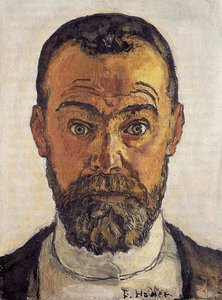
Ferdinand Hodler
1853 - 1918 , Svizzera
Informazioni rapide
- Artistic Movement Or Style: Simbolismo, Art Nouveau
- Artists Or Movements Influenced By This Artist: ['Espressionismo']
- Artists Who Influenced This Artist:
- Albrecht Dürer
- Diego Velázquez
- Date Of Birth: 14 marzo 1853
- Date Of Death: 19 maggio 1918
- Full Name: Ferdinand Hodler
- Nationality: Svizzero
- Notable Artworks:
- Notte
- Il Giorno
- Verità II
- Place Of Birth: Berna, Svizzera
Articoli correlati

Ferdinand Hodler: Simbolismo, Parallelismo e la Ricerca di un'Armonia Universale
Esplora il simbolismo di Ferdinand Hodler, maestro svizzero e pioniere del 'parallelismo'. Analisi approfondita della sua arte, temi ricorrenti e influenze artistiche. Scopri la sua eredità.
I 10 Dipinti Più Famosi Inondati di Giallo Cromatico: Arte e Decorazioni Raffinate
Esplora i 10 dipinti più iconici dominati dal giallo cromatico! Van Gogh, Monet e altri maestri celebrano questo colore vibrante. Scopri storie, tecniche e acquista stampe di alta qualità su OriginalUniqueArt.com.
I 10 Dipinti Più Famosi Dominati dal Giallo Ocra: Arte e Decorazioni Raffinate
Esplora i 10 dipinti più iconici dominati dal giallo ocra! Scopri la storia di Van Gogh, Monet e altri maestri. Trova riproduzioni d'arte di alta qualità per decorare casa con stile su .
The Golden Hue: Exploring Symbolism & Emotion in Yellow Art
Explore the rich symbolism & emotional power of yellow in art history! From Van Gogh to Kandinsky, discover how artists used this vibrant hue. Expert analysis & high-quality reproductions at OriginalUniqueArt.
Sir Nathaniel Dance-Holland: Mecenatismo, Identità Georgiana e l'Arte di un Ritratto Illuminato
Esplora la vita e l'opera di Sir Nathaniel Dance-Holland, ritrattista di corte inglese del Settecento. Approfondimenti sul mecenatismo, l'arte georgiana e capolavori come 'The Meeting of Dido and Aeneas'. Scopri il contesto storico e culturale.