

 Anteprima in scala reale
 Condividi
 Condividi
 Dettagli
 Guida stampabile

 Scarica
 Articoli simili
 Radiografia
 Slideshow
 Statistiche
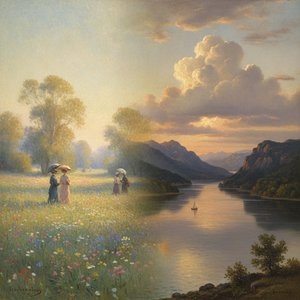
River Scene
 Oil On Canvas
- WallArt
- Impressionism
 1890
1890 81.0 x 65.0 cm
 Il Museo d'Israele
 Leggi tutto
Giclée / Stampe d'arte
Stampa giclée o su tela di qualità museale, con produzione rapida e diverse opzioni di finitura. ( Ordina la riproduzione dipinta a mano Passa all'immagine digitale)




P118B €10

P118H €10

P118W €10

P438Z €10

P508JH €12

P508YH €12

P805H €10

P805Z €10

P919BZ €10

P919G €10

P919XJ €10

P959ZH €10

P968JZ €12

W106C €8

W218G €10

W218JH €8

W218Y €10

W307PJ €10

W316G €10

W316PJ €8

W316Y €10

W398PJ €8

W4111J €10

W500HY €15

W500JH €15

W692G €12

W849H €8

W940BG €15

W953PJ €8




Scegli tra le nostre dimensioni predefinite, che rispettano le proporzioni originali dell'opera d'arte.

Inserisci la larghezza e l'altezza desiderate, per adattarle alla tua cornice o alla tua parete. Una stampa può essere solo ritagliata, mai resa più grande dell'immagine originale; pertanto, un formato con una forma differente comporterà la perdita di una parte dell'opera. Ti invieremo un mockup digitale da approvare prima di procedere con la stampa. L'immagine mostrata in questa pagina non rappresenta il ritaglio reale — solo il mockup lo mostra.
Consegna in tutto il mondo () in 2 settimane invece delle normali 4/5 settimane. (22 Ottobre)

Spedizione espressa gratuita in tutto il mondo

Tela in lino di alta qualità

Assicurazione completa sulla spedizione

Garanzia di rimborso dei dazi doganali

Garanzia di perfetta fedeltà cromatica

Politica di reso entro 100 giorni (solo per difetti di fabbricazione)

Garanzia di rimborso al 100%

Sconto per acquisti multipli
 L'opzione vetro è disponibile solo per dimensioni inferiori a 110 cm

River Scene
Giclée / Stampe d'arte
Dimensioni della riproduzione
-


Prezzo totale
€ 70
River Scene – A Window Into Impressionistic Vision
“River Scene,” painted by Ferdinand Guillaumin in 1890, stands as a quintessential example of Impressionism’s fascination with capturing fleeting moments and sensory impressions. More than just a depiction of a riverside landscape, it's an invitation to experience the atmosphere of a bygone era—a testament to Guillaumin’s ability to distill the essence of light and color into a single canvas.
Subject Matter & Composition
The artwork portrays a bustling waterway dominated by several boats – barges laden with cargo, smaller vessels navigating calmer stretches – reflecting the industrial growth occurring in France during the late 19th century. Guillaumin skillfully employs horizontal lines to emphasize the expansive space of the river and horizon, creating a visual rhythm that draws the viewer’s eye across the composition. The arrangement of boats contributes to this sense of movement and dynamism.
Style & Technique – Impasto and Atmospheric Light
Guillaumin's distinctive style is characterized by “impasto,” where thick layers of paint are applied directly onto the canvas, creating a palpable textural surface that captures the shimmering effect of sunlight on the water’s surface. Short, broken brushstrokes dominate the technique, mirroring the fragmented nature of perception itself—a hallmark of Impressionism’s rejection of academic realism.
Color Palette & Symbolism
The color palette leans heavily towards blues and greens – reflecting the dominant hues of the river environment – punctuated by yellows and browns that add warmth and depth. Guillaumin utilizes a muted tonal range, prioritizing atmospheric light over precise representation. The boats themselves could symbolize progress, trade, or perhaps even the passage of time, subtly enriching the artwork’s narrative.
Historical Context & Artistic Legacy
Painted during the height of Impressionism's influence, “River Scene” aligns perfectly with the movement’s core principles—a deliberate departure from traditional artistic conventions. Its inclusion in exhibitions alongside Claude Monet solidified Guillaumin’s place within the canon of Impressionist art. Today, reproductions of this evocative piece continue to inspire collectors and interior designers seeking a connection to the beauty and immediacy of nature.
Additional Research
Further exploration into Ferdinand Guillaumin's artistic career reveals his membership in the Société Nautique de Marne, where he championed the depiction of maritime subjects. His work at the Musée d’Art Moderne de Paris alongside Monet exemplifies the collaborative spirit that propelled Impressionism forward.
Domande e risposte
Qual è la luminosità di "River Scene" di Armand Guillaumin?
La luminanza rilevata per "River Scene" di Armand Guillaumin è Bright Balance.
A quale fase dello sviluppo di Armand Guillaumin appartiene "River Scene"?
All'interno della carriera di Armand Guillaumin, "River Scene" appartiene al Mature Period. Questa fase permette di confrontarla con le altre opere dell'artista.
In che modo i colori di "River Scene" di Armand Guillaumin si relazionano alla sua emozione?
La tavolozza Neutrals di "River Scene" di Armand Guillaumin si sposa con il suo tono emotivo Tranquil. Il colore è uno dei modi in cui un'opera trasmette emozioni.
Biografia dell'artista
early life and career
Jean Baptiste Armand Guillaumin (Parigi, 16 febbraio 1841 – Orly, 26 giugno 1927) è stato un pittore e litografo francese, importante esponente del movimento impressionista. Nato a Parigi, da una famiglia di umili origini, figlio di Jean Joseph Frédéric Guillaumin e Marguerite Françoise Félicité Legay, lavorò come commesso in una merceria prima di iscriversi nel 1861, grazie ad una vincita alla lotteria. La sua formazione artistica iniziò con lezioni serali presso l'Académie Suisse dove incontrò Camille Pissarro e Paul Cézanne, artisti che condividevano un entusiasmo per la nuova corrente pittorica emergente. Questi incontri furono fondamentali nello sviluppo del suo stile e nella scoperta della bellezza delle atmosfere naturali. Guillaumin si distinse subito per una notevole maestria nel disegno e nell'utilizzo della luce, caratteristiche distintive dell'impressionismo che egli abbracciò con fervore. Dopo aver ottenuto il sostegno finanziario derivante dalla vittoria alla lotteria nel 1891, poté dedicarsi esclusivamente alla pittura abbandonando ogni altra occupazione. Questo gli permise di concentrare tutte le sue energie sulla creazione artistica e di esplorare nuove prospettive espressive.contribution to impressionism
Guillaumin fu uno dei membri fondatori del gruppo di artisti che diedero inizio all'impressionismo, anche se non raggiunse la fama e la reputazione dei suoi contemporanei più celebri. Tuttavia, il suo contributo alla nascita e allo sviluppo di questo movimento fu significativo, grazie alla sua capacità di catturare l’atmosfera delle opere d’arte con colori vivaci e pennellate libere. Questo stile innovativo si rivelò particolarmente efficace nell'interpretazione della natura e nella rappresentazione delle emozioni umane. Guillaumin partecipò a sei tra le otto esposizioni impressioniste organizzate dalla Société Anonyme des Beaux-Arts (poi Société Nouvelle des Beaux-Arts), dimostrando una costante attenzione alle nuove tendenze artistiche del suo tempo. Tra gli artisti che lo influenzarono spiccano Claude Monet e Gustave Courbet, entrambi pionieri nell'utilizzo della luce naturale e nella sperimentazione con tecniche pittoriche audaci. Guillaumin condivise con Cézanne un interesse comune per l’analisi delle forme e la ricerca di una nuova visione del mondo, ispirandosi alle opere dei grandi maestri del passato.notable works and associations
Le opere più importanti di Guillaumin sono paesaggi urbani e rurali che esprimono una straordinaria sensibilità alla bellezza della natura e alla complessità delle esperienze quotidiane. Tra questi spiccano "Madame Guillaumin Seduta in un Giardino" e "Il Moulin de la Folie", quadri che testimoniano l'abilità dell'artista nel creare atmosfere suggestive e nell’utilizzo sapiente del colore per comunicare emozioni profonde. Guillaumin collaborò strettamente con altri artisti importanti della sua epoca, tra cui Vincent van Gogh e Emile Zola, condividendo un impegno comune nella difesa delle libertà artistiche e nella sperimentazione con nuove forme espressive. Il suo stile influenzò anche altri artisti più giovani che aderirono alla corrente fauve, contribuendo a rinnovare il linguaggio pittorico del primo Novecento. Guillaumin fu riconosciuto come uno dei grandi maestri dell'impressionismo grazie alla sua capacità di esprimere la bellezza della natura con colori brillanti e pennellate libere, ispirandosi ai principi estetici dei suoi predecessori.legacy and remembrance
Armand Guillaumin morì nel 1927 a Orly, vicino Parigi, lasciando un patrimonio artistico ricco e significativo che continua ad affascinare gli studiosi e gli appassionati d'arte di tutto il mondo. Le sue opere sono conservate in importanti musei internazionali, tra cui il Museo dell’Hermitage di San Pietroburgo e il Musée d’Orsay a Parigi, dove possono essere ammirate da milioni di visitatori. Guillaumin è considerato uno dei simboli della nascita del nuovo stile artistico che rivoluzionò la storia dell'arte europea e mondiale, contribuendo a definire l'immagine del paesaggio moderno e dell'esperienza umana nel corso del XX secolo. È un artista che ha saputo esprimere con forza e bellezza le emozioni più profonde dell’anima umana attraverso il linguaggio della pittura.
Armand Guillaumin
1841 - 1927 , Francia
Informazioni rapide
- Artistic Movement Or Style: Impressionism
- Artists Who Influenced This Artist:
- Vincent van Gogh
- Claude Monet
- Paul Cézanne
- Date Of Birth: February 16, 1841
- Date Of Death: June 26, 1927
- Full Name: Jean Baptiste Armand Guillaumin
- Nationality: French
- Notable Artworks:
- Garden in Janville in June
- River Scene
- View of Puy de Dôme
- Place Of Birth: Paris, France
Articoli correlati

Evocations of Place: A Historical Journey Through Landscape Art
Explore the rich history of landscape art with OriginalUniqueArt. Discover renowned artists, movements like Impressionism & tonalism, and expert guidance for collecting timeless pieces. Find your perfect serene escape today!

Paul Cézanne: I 25 Capolavori che Hanno Rivoluzionato l'Arte Moderna | OriginalUniqueArt
Esplora i 25 capolavori di Paul Cézanne, il maestro dell'impressionismo e post-impressionismo. Scopri la storia, le tecniche e i colori iconici dietro opere come 'Le grandi bagnanti' e 'Mont Sainte-Victoire'. Trova riproduzioni artistiche di alta qualità per decorare la tua casa su OriginalUniqueArt.com.
Capturing the Light: A Journey Through the Soul of American Impressionism and the Hudson River School
Explore the luminous beauty of American Impressionism and the Hudson River School. Discover a curated journey through light, landscape, and history, celebrating the enduring legacy of masters through exquisite, hand-painted oil reproductions for the discerning art lover.

Evocations of Place: A Historical Journey Through Landscape Art
Explore the rich history of landscape art with OriginalUniqueArt. Discover renowned artists, movements like Impressionism & Romanticism, and expert guidance for collecting timeless pieces. Find your perfect serene escape today!

Flowing Narratives: Rivers in Painting – A Historical Exploration
Explore the rich history of rivers in painting! Discover masterpieces from ancient times to Impressionism & beyond. Learn about symbolism, artists like Monet & Daubigny, and find your perfect serene artwork at OriginalUniqueArt.


