Anteprima in scala reale
 Condividi
 Condividi
 Dettagli
 Guida stampabile

 Scarica
 Articoli simili
 Radiografia
 Slideshow
 Statistiche
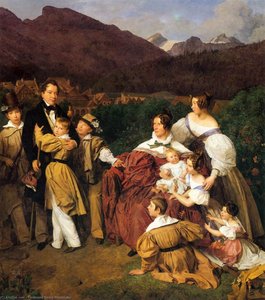
The Soup Kitchen
 Oil On Canvas
- WallArt
- Biedermeier Realism
 1859
1859 94.0 x 122.0 cm
 Galleria austriaca del Belvedere
 Leggi tutto
Giclée / Stampe d'arte
Stampa giclée o su tela di qualità museale, con produzione rapida e diverse opzioni di finitura. ( Ordina la riproduzione dipinta a mano Passa all'immagine digitale)




P118B €10

P118H €10

P118W €10

P438Z €10

P508JH €12

P508YH €12

P805H €10

P805Z €10

P919BZ €10

P919G €10

P919XJ €10

P959ZH €10

P968JZ €12

W106C €8

W218G €10

W218JH €8

W218Y €10

W307PJ €10

W316G €10

W316PJ €8

W316Y €10

W398PJ €8

W4111J €10

W500HY €15

W500JH €15

W692G €12

W849H €8

W940BG €15

W953PJ €8




Scegli tra le nostre dimensioni predefinite, che rispettano le proporzioni originali dell'opera d'arte.

Inserisci la larghezza e l'altezza desiderate, per adattarle alla tua cornice o alla tua parete. Una stampa può essere solo ritagliata, mai resa più grande dell'immagine originale; pertanto, un formato con una forma differente comporterà la perdita di una parte dell'opera. Ti invieremo un mockup digitale da approvare prima di procedere con la stampa. L'immagine mostrata in questa pagina non rappresenta il ritaglio reale — solo il mockup lo mostra.
Consegna in tutto il mondo () in 2 settimane invece delle normali 4/5 settimane. (23 Ottobre)

Spedizione espressa gratuita in tutto il mondo

Tela in lino di alta qualità

Assicurazione completa sulla spedizione

Garanzia di rimborso dei dazi doganali

Garanzia di perfetta fedeltà cromatica

Politica di reso entro 100 giorni (solo per difetti di fabbricazione)

Garanzia di rimborso al 100%

Sconto per acquisti multipli
 L'opzione vetro è disponibile solo per dimensioni inferiori a 110 cm

The Soup Kitchen
Giclée / Stampe d'arte
Dimensioni della riproduzione
-


Prezzo totale
€ 70
A Window into Victorian Charity: Ferdinand Georg Waldmüller’s “The Soup Kitchen”
Ferdinand Georg Waldmüller's "The Soup Kitchen," painted in 1859, isn’t merely a depiction of a charitable institution; it’s a poignant snapshot of Victorian society grappling with poverty and the burgeoning role of public assistance. This oil on canvas, now residing within the Österreichische Galerie Belvedere in Vienna, offers a remarkably intimate glimpse into a world often obscured by grand narratives of progress – a world where simple sustenance was a profound act of compassion.
The scene unfolds within a long, echoing hallway, leading the eye towards an arched doorway that hints at a larger, unseen space. The composition is meticulously structured, drawing us immediately to a central group of women and children patiently awaiting their turn for a meal. Waldmüller’s skill lies not just in his realistic portrayal of these figures – their worn clothing, weathered faces, and expressions ranging from quiet hope to weary resignation – but also in the subtle orchestration of light and shadow. The muted palette, dominated by earthy browns, greys, and ochres, creates a somber yet strangely comforting atmosphere, mirroring the hardships faced by those seeking aid.
The Biedermeier Aesthetic: Intimacy and Everyday Life
“The Soup Kitchen” is firmly rooted in the Biedermeier art movement, a reaction against the grandiosity of Neoclassicism. Biedermeier artists prioritized depicting scenes from everyday life – domestic interiors, landscapes, and portraits of ordinary people – with an emphasis on realism and emotional honesty. Waldmüller masterfully embodies this aesthetic, eschewing dramatic poses or heroic narratives in favor of capturing a quiet moment of shared humanity. The painting’s focus isn't on the act of giving, but rather on the receiving—the dignity and resilience displayed by those who rely on charity.
Notice the details: the worn fabric of the women’s dresses, the small hands clutching bowls, the attentive gazes exchanged between neighbors. These seemingly insignificant elements collectively build a powerful narrative of community and mutual support. The artist's careful attention to texture – the rough wool of the clothing, the smooth surface of the tables – further grounds the scene in tangible reality.
Technique and Composition: A Masterclass in Realism
Waldmüller’s technical prowess is evident throughout the painting. He employs a meticulous approach to rendering form and light, utilizing subtle gradations of color to create a sense of depth and volume. The long hallway, with its receding perspective, draws the viewer into the scene, while the arched doorway offers a tantalizing glimpse beyond – perhaps symbolizing hope or the promise of a brighter future.
The composition is carefully balanced, with the central group of figures anchoring the scene and the background elements providing context. The use of horizontal lines—the hallway floor, the tables—creates a sense of stability, while the verticality of the doorway suggests aspiration. Waldmüller’s ability to capture both the physical details and the emotional nuances of his subjects is truly remarkable.
Symbolism and Historical Context: A Reflection of Victorian Society
“The Soup Kitchen” isn't simply a record of poverty; it’s a commentary on the social conditions of 19th-century Vienna. The rise of industrialization and urbanization had led to widespread unemployment and poverty, creating a significant need for charitable institutions like soup kitchens. These spaces offered not just food but also a sense of community and dignity to those who were marginalized by society.
Interestingly, Waldmüller’s work resonates with the style of Hans Makart, another prominent Austrian painter known for his dramatic landscapes and portraits. However, while Makart often depicted heroic figures and grand scenes, Waldmüller focuses on the quiet dignity of everyday life—a subtle yet powerful shift in artistic perspective. The painting serves as a poignant reminder of the social challenges faced by Victorian society and the importance of compassion and empathy.
High-quality reproductions of “The Soup Kitchen” are available through OriginalUniqueArt.com, allowing art enthusiasts to bring this evocative masterpiece into their homes and connect with its powerful message. The original resides at the Österreichische Galerie Belvedere in Vienna, a testament to Waldmüller’s enduring legacy.
Domande e risposte
Quanti anni aveva Ferdinand Georg Waldmüller quando ha creato "The Soup Kitchen" nel 1859?
Ferdinand Georg Waldmüller ha realizzato "The Soup Kitchen" all'età di 66. L'artista è nato nel 1793 e l'opera è datata 1859.
Quali sono le dimensioni dell'originale "The Soup Kitchen"?
Le dimensioni registrate di "The Soup Kitchen" di Ferdinand Georg Waldmüller sono 94 x 122 cm. È possibile ordinare riproduzioni in altre dimensioni mantenendo le stesse proporzioni.
Quale artista e quale stile si celano dietro "The Soup Kitchen"?
"The Soup Kitchen" è stata creata da Ferdinand Georg Waldmüller in stile Biedermeier Realism. L'artista e il movimento identificano la tradizione dell'opera.
Biografia dell'artista
Primi Anni e Formazione
- Nato: 15 gennaio 1793, a Vienna, Austria
- Morto: 23 agosto 1865, a Hinterbrühl, Austria (all'età di 72 anni)
- Nazionalità: Austriaco
- La sua vita iniziale fu segnata da difficoltà finanziarie dopo la morte del padre.
- Frequentò l'Accademia di Belle Arti di Vienna dal 1807, anche se la frequenza fu irregolare.
- Inizialmente si dedicò alla pittura di ritratti ma in seguito sviluppò un forte interesse per i paesaggi e le scene di genere.
Carriera e Sviluppo Artistico
- La sua carriera iniziale lo vide impegnato come scenografo e pittore di ritratti mentre faceva tournée con sua moglie, la cantante Katharina Weidner.
- Sviluppò uno stile distintivo caratterizzato da rappresentazioni realistiche della vita quotidiana, in particolare scene rurali.
- Divenne professore all'Accademia di Belle Arti di Vienna nel 1819, ma dovette affrontare dispute a causa della sua difesa dell'osservazione naturalistica e delle critiche al sistema accademico.
- Viaggi frequenti in Italia (a partire dal 1825) e nella regione del Salzkammergut influenzarono notevolmente il suo stile di pittura paesaggistica.
- Conosciuto per le sue descrizioni dettagliate e raffinate delle texture e della luce, spesso raffigurava la vita rurale quotidiana con una prospettiva socialmente critica.
- Le sue opere furono inizialmente criticate dai contemporanei per il loro realismo ma in seguito ottennero riconoscimento per il loro merito artistico.
Opere Principali e Temi
- Venditore di frutta veneziano (1826): Un primo esempio del suo stile di pittura di genere.
- Autoritratto (1828): Dimostra la sua abilità nella ritrattistica.
- Louise Mayer (1836) Una notevole opera ritrattistica.
- Veduta di Ischl (1838): Mostra le sue capacità di pittura paesaggistica.
- Il giorno della commemorazione dei defunti (1839): Cattura una scena dalla vita rurale.
- La lettera d'amore (1849): Una scena di genere che raffigura l'intimità domestica.
- Donne che fanno il bagno (c. 1848–1849): Un esempio della sua esplorazione di temi sociali.
- Temi ricorrenti includono: la vita rurale, le dinamiche familiari, l'impatto della povertà e della sfortuna e la bellezza della natura.
Significato Storico e Eredità
- Considerato uno dei pittori austriaci più importanti del periodo biedermeieriano.
- Difese l'osservazione naturalistica e la pittura en plein air, anticipando movimenti artistici successivi come l'Impressionismo.
- Le sue opere di genere socialmente critiche sfidarono le rappresentazioni convenzionali della vita rurale durante il suo tempo.
- Influenzò una generazione di artisti con il suo realismo dettagliato e la sua attenzione ai soggetti quotidiani.
- Nonostante abbia affrontato critiche e battute d'arresto per tutta la carriera, le opere di Waldmüller ottennero riconoscimento internazionale più tardi nella vita.
- La sua eredità risiede nel suo contributo all'arte austriaca e nel suo approccio pionieristico alla pittura paesaggistica e di genere.
Ultimi Anni e Riconoscimenti
- Sposò Anna Bayer nel 1851.
- Ebbe difficoltà finanziarie nonostante alcuni successi.
- Partecipò all'Esposizione Mondiale a Parigi (1855) ed espose a Buckingham Palace (1856), ottenendo il riconoscimento dell'imperatore Napoleone III e della regina Vittoria, rispettivamente.
- Fu costretto a ritirarsi dall'Accademia di Belle Arti di Vienna nel 1857 a causa delle sue continue critiche.
- Ricevette una pensione e fu nominato cavaliere poco prima della sua morte il 23 agosto 1865 a Hinterbrühl.

Ferdinand Georg Waldmüller
1793 - 1865 , Austria
Informazioni rapide
- Artistic Movement Or Style: Biedermeier
- Date Of Birth: 15 gennaio 1793
- Date Of Death: 23 agosto 1865
- Full Name: Ferdinand Georg Waldmüller
- Nationality: Austriaco
- Notable Artworks:
- Venditore di frutta veneziano
- Autoritratto
- Louise Mayer
- Vista di Ischl
- Il giorno dei morti
- La lettera d'amore
- Donne che si lavano
- Place Of Birth: Vienna, Austria
Articoli correlati

The Enduring Legacy of Oil on Canvas: Technique, History & Aesthetic Impact
Explore the rich history & techniques of oil painting – from Renaissance masters to Impressionism. Discover pigments, layering methods, and why this timeless medium endures. Expert insights for artists & art enthusiasts.

Oil on Canvas: A Historical & Technical Exploration of a Timeless Artistic Medium
Explore the rich history & enduring techniques of oil painting on canvas. Discover the science behind its longevity, conservation practices, and contemporary relevance. Expert insights for art enthusiasts.

The Enduring Power of Painting: A Historical & Contemporary Exploration of Form and Emotion
Explore the rich history & enduring techniques of oil painting with OriginalUniqueArt. Discover masterpieces, learn about art collecting, and find authentic handmade reproductions crafted by skilled artists.
The Soul of Impressionism: Why Oil on Canvas Captures Eternal Light and Timeless Emotion
Discover the enchanting alchemy of Impressionism. Explore how the mastery of oil on canvas, through glazing and impasto, captures eternal light and emotion. Perfect for lovers of Monet and Van Gogh seeking the profound depth of hand-painted fine art.

L'Eredità Duratura della Pittura a Olio: Tecnica, Storia e Pratica Contemporanea
Esplora la storia affascinante e le tecniche della pittura a olio. Scopri come i maestri hanno creato capolavori senza tempo e come questa arte vive oggi. : riproduzioni di alta qualità e consulenza esperta.