Anteprima in scala reale
 Invia
Invia Condividi
 Dettagli opera
 Guida
Guida

 Scarica
 Simili
 Radiografia
 Slideshow
 Domande e risposte
 Statistiche
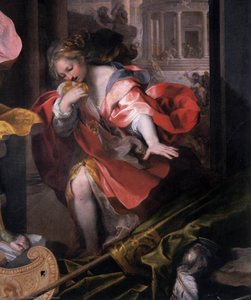
Composition Study (for “Circumcision”, Paris, musée du Louvre)

- 43.0 x 58.0 cm


 Espandi i dettagli
Giclée / Stampe d'arte
Stampa giclée o su tela di qualità museale, con produzione rapida e diverse opzioni di finitura. ( Acquista il dipinto realizzato a mano Passa all'immagine digitale)




P118B €10

P118H €10

P118W €10

P438Z €10

P508JH €12

P508YH €12

P805H €10

P805Z €10

P919BZ €10

P919G €10

P919XJ €10

P959ZH €10

P968JZ €12

W106C €8

W218G €10

W218JH €8

W218Y €10

W307PJ €10

W316G €10

W316PJ €8

W316Y €10

W398PJ €8

W4111J €10

W500HY €15

W500JH €15

W692G €12

W849H €8

W940BG €15

W953PJ €8




Scegli tra le nostre dimensioni predefinite, che rispettano le proporzioni originali dell'opera d'arte.

Inserisci la larghezza e l'altezza desiderate, per adattarle alla tua cornice o alla tua parete. Una stampa può essere solo ritagliata, mai resa più grande dell'immagine originale; pertanto, un formato con una forma differente comporterà la perdita di una parte dell'opera. Ti invieremo un mockup digitale da approvare prima di procedere con la stampa. L'immagine mostrata in questa pagina non rappresenta il ritaglio reale — solo il mockup lo mostra.
Consegna in tutto il mondo () in 2 settimane invece delle normali 4/5 settimane. (4 Novembre)

Spedizione espressa gratuita in tutto il mondo

Tela in lino di alta qualità

Assicurazione completa sulla spedizione

Garanzia di rimborso dei dazi doganali

Garanzia di fedeltà cromatica assoluta

Politica di reso entro 100 giorni (solo per difetti di fabbricazione)

Garanzia di rimborso al 100%

Offerta per acquisti multipli
 L'opzione vetro è disponibile solo per dimensioni inferiori a 110 cm

Composition Study (for “Circumcision”, Paris, musée du Louvre)
Giclée / Stampe d'arte
Dimensioni riproduzione
-


Prezzo finale calcolato
€ 72
A Window into a Sacred Moment: Federico Barocci’s Composition Study
Federico Fiori Barocci's "Composition Study (for ‘Circumcision’, Paris, musée du Louvre)” isn’t merely a preparatory sketch; it’s a profound distillation of the artist’s vision for a monumental work depicting a pivotal scene from biblical history. Completed around 1590, this drawing offers an intimate glimpse into Barocci's meticulous process and reveals a remarkable sensitivity to light, gesture, and the emotional weight of the subject matter – the Circumcision of Isaac. It’s a piece that transcends its status as a study, becoming a miniature masterpiece in itself, brimming with the artist’s characteristic blend of Renaissance restraint and burgeoning Baroque dynamism.
The Master’s Technique: Pastel and the Dawn of a New Era
Barocci's masterful use of pastel is immediately striking. The delicate washes of color – ranging from soft pinks and blues to earthy browns and ochres – create an ethereal atmosphere, imbuing the scene with a sense of otherworldly grace. Unlike the heavier pigments favored by his predecessors, Barocci embraced the pastel’s ability to capture subtle nuances of light and shadow, producing effects that shimmer and glow. This technique wasn't simply a matter of preference; it was revolutionary. Barocci is widely considered one of the earliest artists to fully exploit the medium’s potential, paving the way for its later adoption by Rubens and other Baroque masters. The drawing itself demonstrates this – the layering of pastel creates an incredible depth and luminosity, capturing the texture of fabrics, skin tones, and even the rough surface of the stone altar.
- Pastel Layering: Barocci’s technique involved building up layers of pastel to achieve complex color gradations.
- Light & Shadow: The subtle shifts in tone create a remarkable sense of volume and depth.
- Emotional Resonance: The soft, luminous quality contributes significantly to the drawing's evocative power.
A Scene of Ritual and Reverence
The composition itself is carefully constructed, guiding the viewer’s eye through the scene with a masterful understanding of perspective and spatial relationships. The figures are arranged in a dynamic yet balanced manner, creating a sense of movement and drama. The central focus is clearly Isaac, bathed in a soft light that highlights his youthful vulnerability. Around him gather the key participants – Abraham, his aged servant, and the sacrificial animal. Note the meticulous detail with which Barocci renders each figure’s expression—a mixture of solemnity, reverence, and perhaps even apprehension. The inclusion of the altar and the surrounding objects subtly reinforces the ritualistic nature of the event.
The drawing's historical context is equally important. It was created during a period of intense religious fervor in Italy, as the Counter-Reformation sought to revitalize Catholic faith. Barocci’s work reflects this spirit, conveying a sense of profound spiritual significance and emotional intensity. The scene itself—the sacrifice of Isaac—is a powerful allegory for obedience, faith, and divine grace.
Beyond the Sketch: A Legacy of Emotion
While intended as a preparatory study, "Composition Study (for ‘Circumcision’, Paris, musée du Louvre)” stands as a testament to Barocci’s artistic genius. It's not just a technical exercise; it’s a deeply felt expression of human emotion and spiritual contemplation. The drawing invites us to step into the artist’s mind and witness his creative process firsthand. Reproductions of this work, skillfully executed in high-quality materials, offer a tangible connection to this remarkable artistic achievement – a window into a sacred moment captured with unparalleled sensitivity and artistry.
Domande e risposte
Quanto è marcato il contrasto in "Composition Study (for “Circumcision”, Paris, musée du Louvre)" di Federico Barocci?
Il contrasto chiaroscurale di "Composition Study (for “Circumcision”, Paris, musée du Louvre)" è registrato come Sereno. Il contrasto descrive quanto marcata sia la differenza tra le aree chiare e quelle scure.
Chi è l'autore e in che anno è stata realizzata "Composition Study (for “Circumcision”, Paris, musée du Louvre)"?
Federico Barocci ha realizzato "Composition Study (for “Circumcision”, Paris, musée du Louvre)" nel 1590.
Dove è esposta oggi l'opera "Composition Study (for “Circumcision”, Paris, musée du Louvre)" di Federico Barocci?
"Composition Study (for “Circumcision”, Paris, musée du Louvre)" di Federico Barocci è esposta presso Galleria degli Uffizi, Firenze, Italy. La scheda del museo si riferisce all'opera originale e non a riproduzioni.
Biografia dell'artista
La Vita e la Formazione di Federico Fiori Barocci
- Nato: Urbino, Italia (1535)
- Morto: 1612
- Federico Fiori Barocci, pittore e incisore italiano del Rinascimento, nacque nel 1535 a Urbino.
- Il suo nome originale era Federico Fiori, ma venne soprannominato "il Baroccio", un termine dialettale settentrionale italiano che indica un carro a due ruote trainato da buoi.
- Barocci ricevette la sua prima formazione dal padre, Ambrogio Barocci, scultore di certa fama locale.
- Successivamente, fu apprendista del pittore Battista Franco a Urbino. Questa preparazione gettò le basi per il suo futuro successo artistico.
L'Ascesa Artistica e le Influenze
- Il lavoro di Barocci era molto apprezzato e influente, preannunciando lo stile barocco di Peter Paul Rubens.
- Lavorò nello studio rinomato di Taddeo e Federico Zuccari a Roma, dove fu esposto a diverse influenze artistiche.
- Il suo primo lavoro notevole fu un San Margherita realizzato per la Confraternita del Santissimo Sacramento.
- Fu invitato da Papa Pio IV ad assistere nella decorazione del Palazzo Belvedere Vaticano a Roma, dove dipinse la Vergine Maria e il Bambino con diversi santi e una volta a fresco raffigurante l'Annunciazione.
- Lo stile di Barocci era caratterizzato da un mix di elementi manieristici e barocchi.
Opere Principali e Stile Artistico
- Cinque studi di figura maschile e due della sua mano destra e braccio (Galleria degli Uffizi, Firenze) - una testimonianza dell'abilità di Barocci nel catturare la forma umana.
- Studio preparatorio (per “Circoncisione”, Parigi, Musée du Louvre) – dimostra la sua capacità di bilanciare composizione ed emozione.
- Testa d'uomo (per “Vocazione di San Andrea”, Bruxelles, Musées royaux des beaux-arts de Belgique) - mette in mostra l’attenzione di Barocci per il dettaglio e l'espressione.
- Madonna del Popolo (Galleria degli Uffizi, Firenze). Caratterizzata da un mix di elementi manieristici e barocchi, con una composizione dinamica e colori vivaci.
- The Nativity (1597) - Un'opera che dimostra la sua maestria nel rappresentare scene religiose con grande emotività.
- Annunciation (1582) – Esempio della sua abilità nell’uso della luce e delle ombre per creare un’atmosfera suggestiva.
Influenza Artistica e Seguaci
- L’influenza di Barocci può essere vista nel lavoro di vari artisti, tra cui Peter Paul Rubens, che fu ispirato dal suo pennello drammatico ed emotivo.
- Il suo stile innovativo ha contribuito alla transizione dall'arte manierista all'arte barocca, influenzando profondamente lo sviluppo della pittura italiana e europea.
- Barocci è considerato un precursore del Barocco per la sua capacità di esprimere emozioni intense e dinamismo nelle sue opere.
Eredità e Riconoscimento
- Barocci lasciò un'eredità duratura nell'arte italiana.
- Le sue opere sono oggi conservate in importanti musei come la Galleria degli Uffizi a Firenze e il Musée du Louvre a Parigi.
- La sua capacità di fondere elementi del Manierismo con le nascenti tendenze barocche lo rende una figura chiave nella storia dell'arte italiana.

Federico Barocci
1535 - 1612 , Italia
Dettagli rapidi
- Artistic Movement Or Style: Rinascimento, Barocco
- Artists Or Movements Influenced By This Artist: ['Peter Paul Rubens']
- Artists Who Influenced This Artist: ['Battista Franco']
- Date Of Birth: 1535
- Date Of Death: 1612
- Full Name: Federico Fiori Barocci
- Nationality: Italiana
- Notable Artworks:
- San Margherita
- Madonna del Popolo
- Annunciazione
- Stigmatizzazione di San Francesco
- Adorazione dei Magi
- Place Of Birth: Urbino, Italia
Articoli correlati

Il Dramma Barocco: Portare Splendore ed Emozione negli Interni Contemporanei
Scopri come portare il dramma e lo splendore dell'arte barocca nei tuoi interni con . Riproduzioni di alta qualità, consulenza d'arte personalizzata e ispirazione per uno stile unico.

The Visceral Stage: Exploring Dramatic Narratives & Emotional Intensity in Baroque Art
Explore the dramatic world of Baroque art! Discover iconic masters like Caravaggio & Rembrandt, their techniques, and the movement's lasting impact. Expert insights for collectors & enthusiasts at OriginalUniqueArt.

L'Incanto del Pastello: Segreti di Luce, Colore e Emozione nell'Arte
Scopri i segreti della tecnica del pastello tra maestri come Degas e Carriera. Esplora la purezza del colore e della luce nell'arte.

I 25 Capolavori di Leonardo da Vinci: Il Genio del Rinascimento
Scopri i 25 capolavori di Leonardo da Vinci e il segreto del Rinascimento. Esplora la collezione su OriginalUniqueArt.com.

I 10 Capolavori Barocchi che Hanno Definito un'Epoca | Arte e Decorazioni di Lusso
Esplora i 10 capolavori barocchi di Caravaggio, Bernini e Rembrandt che hanno rivoluzionato l'arte. Scopri storie, tecniche e colori iconici. Trova riproduzioni d'arte di alta qualità per la tua casa su !