

 Anteprima in scala reale
 Condividi
 Condividi
 Dettagli
 Guida stampabile

 Scarica
 Articoli simili
 Radiografia
 Slideshow
 Statistiche
Merry Go Round (study)


 Leggi tutto
Riproduzione a olio fatta a mano
Olio su tela dipinto a mano nelle tue dimensioni e con la tua cornice, realizzato su ordinazione dai nostri artisti. ( Passa alle stampe Passa all'immagine digitale)




P118B €10

P118H €10

P118W €10

P438Z €10

P508JH €12

P508YH €12

P805H €10

P805Z €10

P919BZ €10

P919G €10

P919XJ €10

P959ZH €10

P968JZ €12

W106C €8

W218G €10

W218JH €8

W218Y €10

W307PJ €10

W316G €10

W316PJ €8

W316Y €10

W398PJ €8

W4111J €10

W500HY €15

W500JH €15

W692G €12

W849H €8

W940BG €15

W953PJ €8




Scegli tra le nostre dimensioni predefinite, che rispettano le proporzioni originali dell'opera d'arte.

Inserisci la larghezza e l'altezza di cui hai bisogno, per adattarle alla tua cornice o alla tua parete. Trattandosi di un'opera dipinta a mano, in caso di dimensioni con una forma differente, l'artista può dipingere un po' più oltre i bordi dell'immagine o ritagliare leggermente — la scelta spetta a te. Ti invieremo un mockup digitale da approvare prima che la pittura abbia inizio. L'immagine mostrata in questa pagina non rappresenta il risultato reale — solo il mockup lo fa.
Dopo l'ordine, il team di OriginalUniqueArt.com contatterà il cliente via e-mail per ricevere le istruzioni e fornirà un'anteprima del mockup
Consegna in tutto il mondo () in 3/4 settimane anziché nelle normali 5 settimane. (22 Ottobre). Nessun compromesso sulla qualità.

Spedizione espressa gratuita in tutto il mondo

Tela in lino di alta qualità

Assicurazione completa sulla spedizione

Garanzia di rimborso dei dazi doganali

Garanzia di perfetta fedeltà cromatica

Politica di reso entro 100 giorni (solo per difetti di fabbricazione)

Garanzia di rimborso al 100%

Sconto per acquisti multipli
 L'opzione vetro è disponibile solo per dimensioni inferiori a 110 cm

Merry Go Round (study)
Tecnica di riproduzione
Dimensioni della riproduzione
-


Prezzo totale
€ 262
A Whirlwind of Color: Rediscovering Evan Walters' Merry Go Round
In the vibrant tapestry of early 20th-century Welsh art, few works capture the fleeting joy of life as poignantly as Evan Walters’ Merry Go Round (study). Created in 1930, this piece serves as a breathtaking window into a moment of pure, unadulated movement. The painting invites the viewer into a kaleidoscopic world where the boundaries between reality and whimsy blur. At its heart, the merry-go-round acts as a spinning centrifuge of color, pulling the eye through a rhythmic dance of figures and fruit. Scattered throughout the composition, bright apples and a solitary orange punctuate the scene like bursts of sweetness, adding a tactile, sensory dimension to the visual feast. The presence of riders atop horse-like structures provides a sense of scale and narrative depth, grounding the abstract energy of the colors in a relatable human experience of play and wonder.
The technique employed in this study reveals Walters’ profound ability to balance structural composition with expressive freedom. As a painter who began his journey with the practicalities of decoration and technical training, Walters possessed an innate understanding of how pigment interacts with surface and light. In this work, we see a masterful use of impasto and layered tones that create a sense of kinetic energy. The brushwork is not merely descriptive but emotive; it mimics the centrifugal force of the carousel itself. For the discerning collector or interior designer, this painting offers a sophisticated interplay of textures. The way the light seems to catch on the scattered fruit and the swirling motion of the ride creates a dynamic focal point that can breathe life into a contemporary gallery wall or a classic study, providing a sense of movement even in a still room.
Beyond its surface beauty, the artwork carries a profound emotional resonance that speaks to the universal nostalgia for childhood innocence. During an era marked by the industrial shifts of Wales, Walters’ focus on such a jubilant subject matter offers a poignant contrast to the grit of the working-class landscapes he is also known for. The Merry Go Round symbolizes the cyclical nature of life—the constant rotation of joy, movement, and change. It is a celebration of the ephemeral moment, captured forever in oil. For those seeking to adorn their spaces with art that inspires optimism and warmth, this reproduction serves as more than just a decoration; it is an invitation to pause, reflect, and rediscover the vibrant, spinning magic found in the simplest of joys.
Domande e risposte
Quanto sono armoniosi i colori di "Merry Go Round (study)" di Evan Walters?
L'armonia cromatica di "Merry Go Round (study)" è descritta come Unified Palette.
In quale periodo è stata realizzata "Merry Go Round (study)" di Evan Walters?
"Merry Go Round (study)" di Evan Walters risale al periodo Modern. Tale epoca fornisce il contesto storico dell'opera.
Quanta luce sembrano riflettere i colori di "Merry Go Round (study)"?
I colori di "Merry Go Round (study)" mostrano una luminanza Soft Shadow.
Biografia dell'artista
L'Anima del Paesaggio Gallese: La Vita e la Visione di Evan Walters
Evan John Walters si staglia come una figura singolare nel mosaico della storia dell'arte gallese, un visionario il cui pennello ha saputo colmare il divario tra la durezza industriale e una profonda espressione artistica. Nato nel 1893 a Llanfylech, immerso in un paesaggio definito sia dalla tradizione rurale che dalle crescenti ombre dell'industria, Walters possedeva una sensibilità innata verso le trame della sua terra natale. Gli anni della formazione, trascorsi tra le valli di Llangyfelach e Mynyddbach, gli hanno infuso un legame profondo con la cultura e la lingua gallese, una base che gli avrebbe permesso, in seguito, di tradurre l'atmosfera pesante delle comunità minerarie in evocative narrazioni visive.
Il suo percorso artistico è stato un connubio di disciplina pratica e raffinamento accademico. Iniziando la sua formazione presso la Morriston Technical School, Walters ha sviluppato un insieme di competenze fondamentali come pittore e decoratore, un mestiere che gli ha conferito una comprensione tattile e unica della superficie e del pigmento. Questa base tecnica è stata successivamente elevata attraverso rigorosi studi presso la Swansea School of Art e il Regent Street Polytechnic di Londra. Man mano che si avvicinava alle Royal Academy Schools, la sua opera ha iniziato ad assorbire le correnti più ampie del modernismo europeo, in particolare il potere emotivo dell'Espressionismo, che avrebbe infine infuso nei suoi ritriente e nei suoi paesaggi una profondità psicologica e inquietante.
Dal Camouflage al Carattere: Una Carriera Trasformativa
La traiettoria della vita di Walters fu irrevocabilmente alterata dalle maree dei conflitti mondiali. Nel 1915, nel pieno degli sconvolgimenti della Prima Guerra Mondiale, emigrò in America, servendo in un ruolo che richiedeva una straordinaria padronanza del colore e della percezione: quello di pittore di mimetismo. Questo periodo di meticolosa osservazione — imparare a manipolare luce, ombra e forma per ingannare l'occhio — ha affinato la sua capacità di tradurre informazioni visive complesse in potenti affermazioni artistiche. Fu proprio durante questa era di movimenti globali che la sua precisione tecnica incontrò un crescente interesse per la condizione umana.
Al suo ritorno in Galles dopo la guerra, Walters si trasformò in un celebre ritrattista, rinomato per la sua capacità di catturare non solo una somiglianza, ma l'essenza stessa dei suoi soggetti. La sua carriera fu significativamente sostenuta dal patronato trasformativo di Winifred Tennant, il cui precoce riconoscimento del suo talento gli fornì la stabilità necessaria per esplorare temi più ambiziosi. Attraverso le commissioni della donna, Walters andò oltre la semplice rappresentazione, utilizzando il ritratto delle figure influenti dell'epoca per intrecciare un commento sociale più profondo nel suo repertorio.
Un'Eredità di Trama ed Emozione
L'importanza duratura di Evan Walters risiede nella sua capacità di trovare la bellezza all'interno della lotta industriale. La sua opera è caratterizzata da una straordinaria versatilità, che spazia dal calore intimo di opere come Eve alla vitalità vibrante e materica di Still Life with Chrysanthemums. Che stesse ritraendo l'atmosfera pesante e sporca di fuliggine di un villaggio minerario o il delicato gioco di luce su una composizione floreale, il suo lavoro è rimasto ancorato a un profondo rispetto per il carattere intrinseco del soggetto.
I contributi di Walters all'arte del XX secolo sono segnati da diversi elementi chiave:
- La Sintesi degli Stili: La sua capacità unica di fondere le tecniche classiche della Royal Academy con l'energia grezza ed emotiva dell'Espressionismo.
- Documentazione Sociale: Il suo ruolo nel documentare il volto mutevole del Galles, catturando la dignità della classe operaia e il paesaggio industriale in trasformazione.
- Maestria Tecnica: Un uso sofisticato della teoria del colore e della texture, probabilmente influenzato dalle sue prime esperienze nel mimetismo e nelle arti decorative.
Oggi, le opere di Evan Walters fungono da finestra vitale su un'epoca passata dell'identità gallese. Egli rimane un artista che non si è limitato ad osservare il mondo, ma ne ha sentito il peso, lasciando un'eredità che continua a risuonare in chiunque cerchi l'intersezione tra verità storica e bellezza poetica.

Evan Walters
1892 - 1951 , Wales
Informazioni rapide
- Artistic Movement Or Style: Expressionist
- Artists Or Movements Influenced By This Artist: ['Industrial Art']
- Artists Who Influenced This Artist: ['Augustus John']
- Date Of Birth: 1893
- Date Of Death: 1951
- Full Name: Evan John Walters
- Nationality: Welsh
- Notable Artworks:
- Eve
- Self Portrait
- Place Of Birth: Llangyfelach, Wales
Articoli correlati
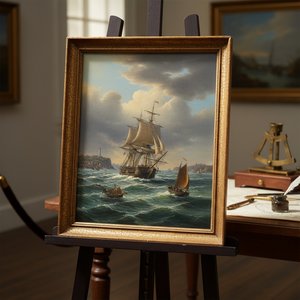
Samuel Walters: Capturing Victorian Maritime Life with Precision & Artistry
Explore the exquisite maritime paintings of Samuel Walters (1811-1882). Discover his mastery of detail, historical scenes & influence on Victorian art. Learn about collecting his works and find high-quality reproductions at OriginalUniqueArt.
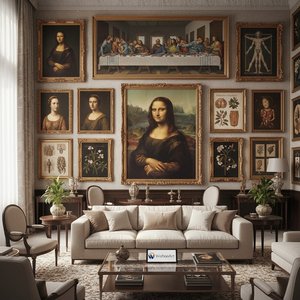
Leonardo da Vinci: I 25 Capolavori Immortali per Arredare con Arte
Esplora i 25 capolavori immortali di Leonardo da Vinci: dalla Mona Lisa all'Ultima Cena. Scopri la storia, le tecniche e il significato di ogni opera rinascimentale. Arreda con arte di qualità museale su OriginalUniqueArt.com.
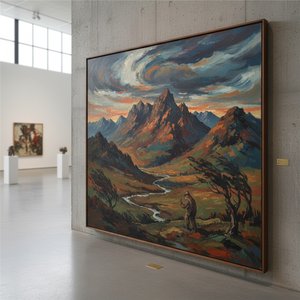
Evan Walters: A Study in Contemporary Landscape Painting & Emotional Resonance
Explore the captivating world of Evan Walters, a Welsh artist renowned for his evocative landscapes & social commentary. Discover his Impressionistic style, unique journey, and lasting impact on 20th-century art – a valuable insight for collectors.
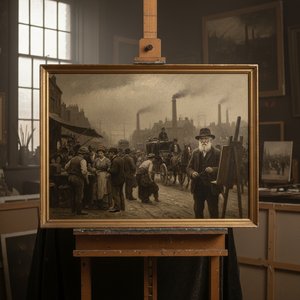
Walter Greaves: A Study in Victorian Realism & the Social Landscape of British Art
Explore the life & work of Walter Greaves, a key Victorian realist painter influenced by Whistler. Discover his London streetscapes, portraits, and enduring legacy. Learn about art appraisal & reproduction options at OriginalUniqueArt.
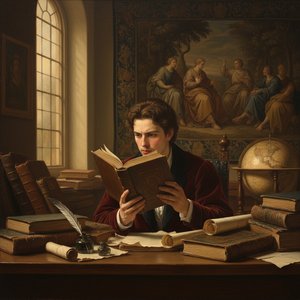
The Intimate Gaze: Study & Intellectual Pursuit in Western Art
Explore the fascinating history of study and intellectual pursuit in Western art! Discover Renaissance scholars, iconic portraits like Holbein's Erasmus, and Leonardo’s studies – a journey through humanist ideals & artistic mastery. Learn more at OriginalUniqueArt.