
 Anteprima in scala reale
 Invia
Invia Condividi
 Dettagli opera

 Scarica immagine
 Simili
 Radiografia
 Slideshow
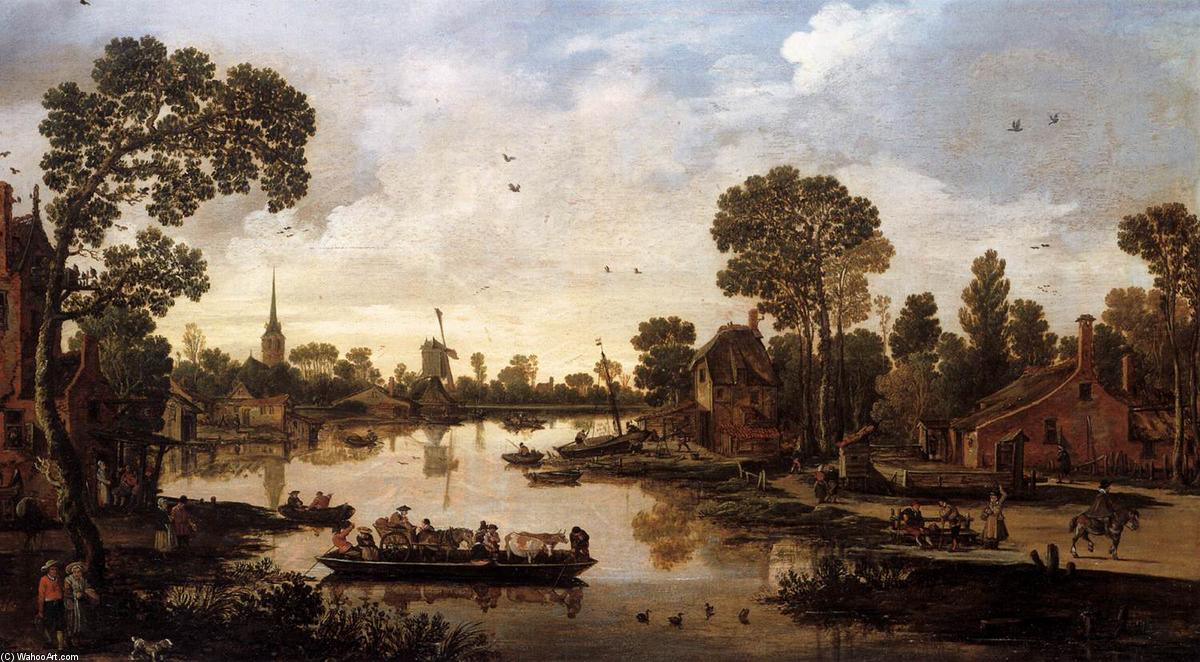
Ferry Boat
 Oil On Panel
- Baroque Landscape
 1622
1622 62.0 x 113.0 cm
 Rijksmuseum
 Espandi i dettagli
Giclée / Stampe d'arte
Stampa giclée o su tela di qualità museale, con produzione rapida e diverse opzioni di finitura. ( Acquista il dipinto realizzato a mano Acquista immagine)




P118B $10

P118H $10

P118W $10

P438Z $10

P508JH $12

P508YH $12

P805H $10

P805Z $10

P919BZ $10

P919G $10

P919XJ $10

P959ZH $10

P968JZ $12

W106C $8

W218G $10

W218JH $8

W218Y $10

W307PJ $10

W316G $10

W316PJ $8

W316Y $10

W398PJ $8

W4111J $10

W500HY $15

W500JH $15

W692G $12

W849H $8

W940BG $15

W953PJ $8




Scegli tra le nostre dimensioni predefinite, che rispettano le proporzioni originali dell'opera d'arte.

È possibile inserire dimensioni personalizzate per adattare l'opera a una cornice o a uno spazio specifico. Se la dimensione selezionata non corrisponde alle proporzioni dell'immagine originale, procederemo al ritaglio dell'opera o all'estensione dell'immagine con un bordo specchiato o a tinta unita. Un mockup digitale ti verrà inviato per approvazione prima dell'inizio della produzione.
Si prega di notare che l'anteprima a schermo non riflette il ritaglio o l'estensione effettivi. Solo il mockup mostrerà accuratamente la composizione finale.
Sebbene siano disponibili dimensioni personalizzate, si raccomanda di selezionare una dimensione dall'elenco predefinito per preservare le proporzioni originali.
Consegna in tutto il mondo () in 2 settimane invece delle normali 4/5 settimane. (25 Agosto)

Spedizione espressa gratuita in tutto il mondo

Tela in lino di alta qualità

Assicurazione completa sulla spedizione

Garanzia di rimborso dei dazi doganali

Garanzia di fedeltà cromatica

Politica di reso entro 60 giorni (solo per difetti di fabbricazione)

Garanzia di rimborso al 100%

Offerta per acquisti multipli
 L'opzione vetro è disponibile solo per dimensioni inferiori a 110 cm

Ferry Boat
Giclée / Stampe d'arte
Dimensioni riproduzione
-


Prezzo totale calcolato
$ 80
Descrizione del pezzo
A Moment Frozen in Time: Esaias van de Velde’s “Ferry Boat”
Esaias van de Velde's "Ferry Boat," painted in 1622, isn’t merely a depiction of a river crossing; it’s a carefully constructed tableau of Dutch life, imbued with the serenity and meticulous detail characteristic of the Golden Age. Housed within the Rijksmuseum in Amsterdam, this painting offers a rare glimpse into a world where commerce and community intertwined along the waterways that shaped the nation's identity. Van de Velde masterfully captures not just the physical scene but also the quiet rhythm of daily existence – a testament to his skill as a landscape artist and keen observer of human activity.
The painting immediately draws the eye to the tranquil waterway, rendered with an almost photographic precision. The water’s surface reflects the surrounding trees and buildings, creating a sense of depth that extends far into the distance. This masterful use of atmospheric perspective—a technique perfected during this period—is crucial to the work's overall effect, lending it a believable realism. At the heart of the composition lies the ferry boat itself, a sturdy vessel carrying passengers across the water with an air of effortless grace. The subtle details of its construction – the simple lines, the lack of elaborate ornamentation – speak volumes about the practicality and functionality valued by Dutch society.
The Palette of Peace: Style and Technique
Van de Velde’s artistic style is defined by a restrained palette of earthy tones—muted browns, greens, and blues—that evoke a sense of warmth and tranquility. He eschews dramatic contrasts in light and shadow, favoring instead a soft, diffused illumination that contributes to the painting's overall mood of peaceful contemplation. The brushstrokes are delicate and precise, meticulously applied to create a smooth, almost velvety surface. This technique, combined with his mastery of perspective and atmospheric effects, results in an image that is both visually stunning and emotionally resonant.
The artist’s use of oil paint allows for incredible detail and luminosity. He skillfully layered thin glazes of color to build up the forms and textures of the scene, creating a sense of depth and realism. Notice how he captures the subtle variations in tone on the water's surface—the shimmering reflections, the gentle ripples—demonstrating his deep understanding of light and its effects. The composition is carefully balanced, with the ferry boat positioned centrally to draw the viewer’s eye across the scene. The arrangement of figures along the riverbanks further enhances this sense of balance, creating a harmonious and visually pleasing whole.
A Window into 17th-Century Dutch Life
“Ferry Boat” offers a fascinating glimpse into the daily lives of people in 17th-century Holland. The figures lining the riverbanks—farmers, merchants, and laborers—engage in various activities: tending to their fields, unloading goods, or simply enjoying the scenery. Their presence adds a layer of social context to the scene, reminding us that this painting is not merely an exercise in landscape depiction but also a portrait of Dutch society. The inclusion of a horse-drawn cart suggests the importance of transportation and trade in the region’s economy.
The painting's historical context is particularly noteworthy. During the Dutch Golden Age, the country experienced a period of unprecedented prosperity and artistic innovation. Artists like Van de Velde were tasked with documenting the beauty of their homeland—its landscapes, its cities, and its people. “Ferry Boat” exemplifies this trend, capturing not only the physical reality of the scene but also the cultural values and social dynamics of the time. It’s a poignant reminder of a bygone era, offering viewers a chance to connect with the past in a meaningful way.
Bringing History Home: Reproductions and Legacy
High-quality reproductions of “Ferry Boat” are now readily available through platforms like OriginalUniqueArt.com, allowing art enthusiasts worldwide to bring this masterpiece into their homes. These meticulously crafted prints capture the essence of Van de Velde’s original painting—its serene atmosphere, its meticulous detail, and its profound sense of place. Whether displayed in a formal living room or a cozy study, a reproduction of “Ferry Boat” will serve as a timeless reminder of the beauty and artistry of the Dutch Golden Age.
For those seeking to delve deeper into the life and work of Esaias van de Velde, resources like Wikipedia and the WGA website offer invaluable information. Exploring these sources can provide further insights into his artistic influences, his techniques, and his enduring legacy as one of the most important landscape painters of the Dutch Golden Age.
Biografia dell'artista
Esaias van de Velde: Un Maestro del Paesaggio Olandese
Esaias van de Velde (17 maggio 1587 – 18 novembre 1630) si erge come una figura cardine nello sviluppo della pittura di paesaggio all'interno del fiorente periodo olandese del XVII secolo. Nato ad Amsterdam, la sua eredità artistica affondava le radici nel padre, Hans van de Velde, un rifugiato protestante fuggito dal Belgio dopo le turbolenze religiose del tardo XVI secolo. Questo legame familiare con la tradizione fiamminga plasmò profondamente la sua formazione artistica iniziale, sotto prima il padre e poi con Gillis van Coninxloo, pittore paesaggista fortemente influenzato dalle opere di Pieter Brueghel il Vecchio. Questa interazione di influenze artistiche, radicata nel suo ambiente familiare, gettò le basi per il suo stile distintivo – uno che avrebbe ridefinito le possibilità di rappresentare il mondo naturale su tela.Le Origini e l'Influenza Haarlemense
La carriera di Van de Velde iniziò a Haarlem, un vivace centro artistico e commerciale durante il XVII secolo, dal 1610 al 1618. Questo periodo si rivelò cruciale per la sua evoluzione artistica. Entrò nel prestigioso Gilda di San Luca nel 1612 insieme a Hercules Segers, un evento che segnò una svolta significativa nella percezione della pittura di paesaggio nella regione. Prima di questo, i paesaggi erano spesso considerati generi secondari, relegati a ruoli decorativi. L'inclusione di Van de Velde li elevò a una categoria artistica rispettata e indipendente, riflettendo un trend più ampio in tutta la Olanda. Fu particolarmente influenzato da Adam Elsheimer, pittore tedesco noto per l'uso drammatico della luce e gli effetti atmosferici, che lo spinse ad allontanarsi dalle rigide convenzioni del suo maestro e ad adottare una prospettiva inferiore – una tecnica che offriva ai spettatori una visione ampia e quasi immersiva delle scene davanti a loro. Questa scelta deliberata, combinata con una struttura compositiva triangolare, divenne un marchio distintivo del suo stile unico.Dalla Pittura di Genere alle Scene Militari
Sebbene celebrato soprattutto per i suoi paesaggi, il repertorio artistico di Van de Velde si estendeva oltre la pura rappresentazione naturalistica. Abilmente incorporava scene di genere – raffigurazioni della vita quotidiana – e scene militari nel suo lavoro. Queste opere dimostrano un acuto occhio d'osservazione e una capacità di catturare il dinamismo e il dramma dell'attività umana sia in ambienti rurali che urbani. "L'Assedio di un Carroccio" (circa 1618) ne è un esempio, che non solo dimostra la sua maestria nel paesaggio ma anche il suo talento per rappresentare l'azione e la narrazione con dettagli convincenti. Questi soggetti diversi rivelano un pittore a suo agio nel navigare le complessità della rappresentazione dell'esperienza umana in tutte le sue forme.Influenze Familiari e Eredità Artistica
La famiglia Van de Velde era profondamente radicata nell'arte fiamminga, con antenati che avevano lavorato come pittori di corte per i principi del Belgio. Il padre di Esaias, Hans van de Velde, aveva studiato a Anversa presso Peter Paul Rubens e altri importanti artisti dell'epoca. Questa connessione con la tradizione artistica fiamminga influenzò in modo significativo lo stile di Van de Velde, che si distinse per il suo uso innovativo del colore, della luce e della composizione. La sua pittura è caratterizzata da una sensibilità delicata e un'attenzione ai dettagli, che riflettono la sua formazione artistica e le sue influenze personali.Il Ruolo di Maestro e l'Influenza Duratura
Nel corso della sua carriera, Van de Velde si distinse come maestro, guidando diversi giovani artisti promettenti, tra cui Pieter van Laer, Jan Martszen de Jonge e Anthony van de Velde (II). Il suo impatto può essere visto nelle opere di Palamedes Palamedesz, Nicolaes de Quade van Ravesteyn e Adriaen Adriaensz Ghibons – artisti che adottarono elementi del suo stile e delle sue tecniche compositive. Inoltre, fu un cugino di Jan van de Velde, aggiungendo un ulteriore livello alla sua eredità familiare artistica. La morte di Van de Velde ad Heiden (L'Aia) nel 1630 segnò la fine di un'era, ma i suoi contributi alla pittura olandese del paesaggio rimasero significativi, plasmando il corso del genere e ispirando generazioni di artisti a venire. La sua opera è ancora oggi ammirata per il suo realismo, l'illuminazione drammatica e la rappresentazione evocativa del mondo naturale.
Esaias Van De Velde
1587 - 1630 , Paesi Bassi
Dati rapidi
- Artistic Movement Or Style: Scuola di Haarlem
- Artists Or Movements Influenced By This Artist: ['Palamedes Palamedesz']
- Artists Who Influenced This Artist:
- Adam Elsheimer
- Roelant Savery
- Date Of Birth: 1587-05-17 (baptized)
- Date Of Death: 1630-11-18
- Full Name: Esaias van de Velde
- Nationality: Olandese
- Notable Artworks:
- Paesaggio invernale
- Ambush
- Place Of Birth: Amsterdam, Paesi Bassi
Articoli correlati

Willem van de Velde il Vecchio: Maestro della Pittura Marittima e Cronista dell'Età d'Oro Olandese
Scopri la vita e le opere di Willem van de Velde il Vecchio, maestro della pittura marina olandese del Secolo d'Oro. Analisi approfondite, tecniche artistiche e consigli per collezionisti.

Jan van Goyen: Maestro del Paesaggio Olandese e della Prospettiva Atmosferica
Scopri Jan van Goyen, maestro del paesaggio olandese e pioniere della prospettiva atmosferica. Approfondisci la sua vita, tecnica innovativa e l'eredità artistica che ha rivoluzionato la pittura del Secolo d'Oro.

Rembrandt van Rijn: I 25 Capolavori Immortali da Ammirare | OriginalUniqueArt
Esplora i 25 capolavori di Rembrandt van Rijn, da 'La Ronda di Notte' ai suoi intensi autoritratti. Scopri la storia, le tecniche e l'arte barocca del maestro olandese. Riproduzioni di alta qualità su OriginalUniqueArt.com.
Cornelis van Poelenburch: Bridging Mannerism & the Dutch Baroque Landscape
Discover Cornelis van Poelenburch, a pivotal Dutch Baroque landscape painter bridging Mannerism & Italianate styles. Explore his life, key works, and lasting influence on 17th-century art with OriginalUniqueArt.

Goya: I 25 Capolavori Immortali dell'Anima Spagnola | OriginalUniqueArt
Esplora i 25 capolavori di Francisco Goya, il genio spagnolo tra Romanticismo e Realismo. Ritratti iconici, 'Los Caprichos' e le toccanti 'Disastri della Guerra'. Trova stampe su tela e riproduzioni artistiche di alta qualità per la tua casa su OriginalUniqueArt.com.


