
 Preview
 Invia
Invia Condividi
 Dettagli opera

 Scarica
 Simili
 Radiografia
 Slideshow
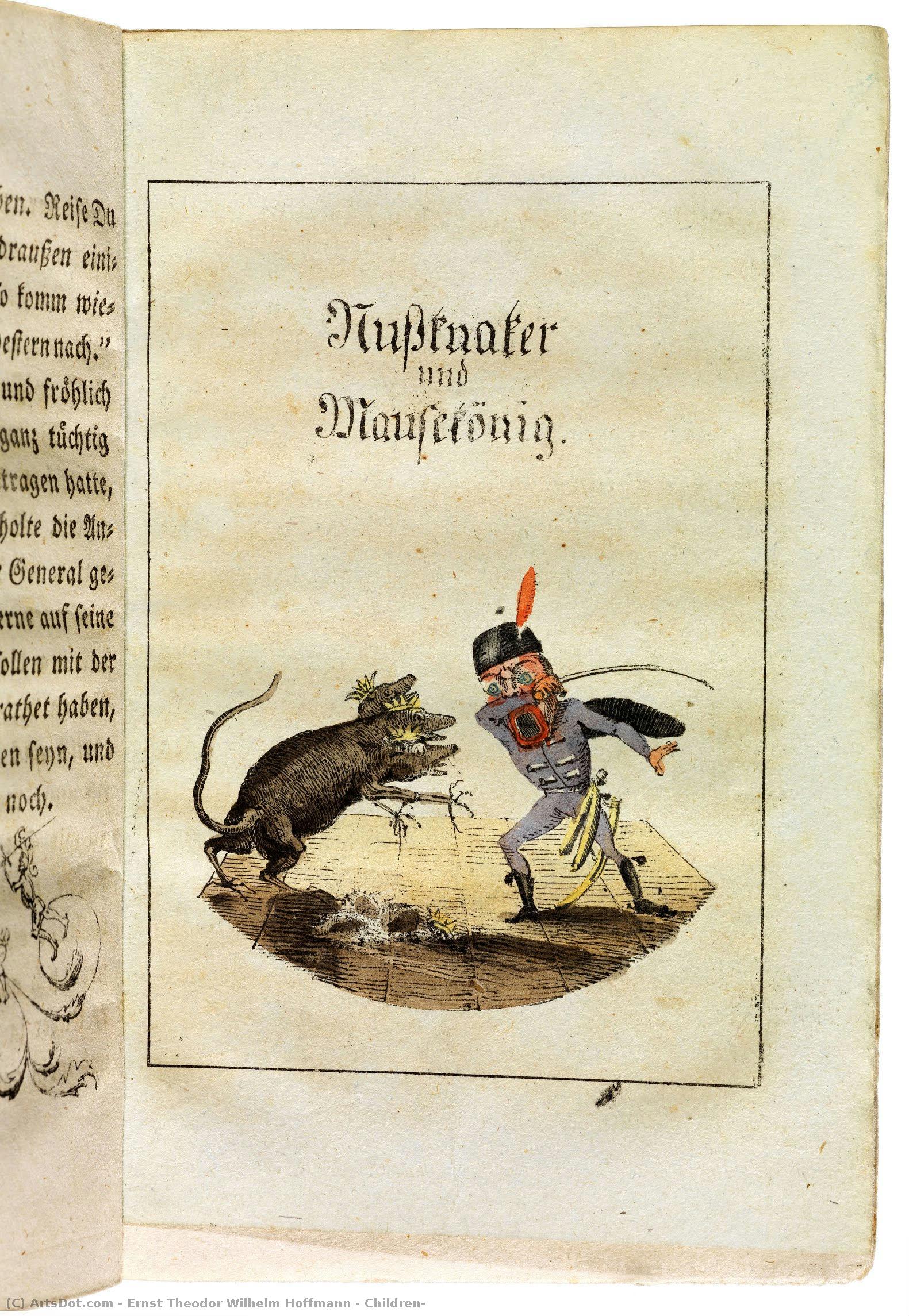
Children


 Scopri di più
Riproduzione a olio fatta a mano
Olio su tela dipinto a mano nelle tue dimensioni e con la tua cornice, realizzato su ordinazione dai nostri artisti. ( Switch to Print Switch to Image)




































Scegli tra le nostre dimensioni predefinite, che rispettano le proporzioni originali dell'opera d'arte.

È possibile inserire dimensioni personalizzate per adattare l'opera a una cornice o a uno spazio specifico. Se la dimensione selezionata non corrisponde alle proporzioni dell'immagine originale, provvederemo a ritagliare l'opera o a estendere il dipinto con elementi aggiuntivi dipinti a mano. Un mockup digitale ti sarà inviato per approvazione prima dell'inizio della produzione.
Si prega di notare che l'anteprima a schermo non riflette il ritaglio o l'estensione effettivi. Solo il mockup mostrerà accuratamente la composizione finale.
Sebbene siano disponibili dimensioni personalizzate, consigliamo di selezionare una dimensione dall'elenco predefinito per preservare le proporzioni originali.
Dopo l'ordine, il team di OriginalUniqueArt.com invierà un'e-mail al cliente per le istruzioni e fornirà un'anteprima del mockup
Consegna in tutto il mondo () in 3/4 settimane anziché nelle normali 5 settimane. (30 Luglio). Nessun compromesso sulla qualità.

Spedizione espressa gratuita in tutto il mondo

Tela in lino di alta qualità

Assicurazione completa sulla spedizione

Garanzia di rimborso dei dazi doganali

Garanzia di fedeltà cromatica

Politica di reso entro 60 giorni (solo per difetti)

Garanzia di rimborso al 100%

Sconto per acquisti multipli
 L'opzione vetro è disponibile solo per dimensioni inferiori a 110 cm

Children
Tecnica di riproduzione
Dimensioni riproduzione
-


Prezzo totale finale
$ 300
Biografia dell'artista
E.T.A. Hoffmann: A Gothic Visionary Shaping Romantic Art
Ernst Theodor Wilhelm Hoffmann (1776-1822) stands as a singular figure in German Romanticism—a composer, jurist, author, and artist whose unsettling tales captivated audiences and profoundly impacted the artistic landscape of his time. Born in Königsberg, Prussia, Hoffmann’s life was marked by intellectual curiosity and personal tragedy, yet it fueled an extraordinary creative output that continues to inspire artists today. His work transcends genre boundaries, blending fantasy with horror, psychological exploration with meticulous detail, establishing him as a pioneer of gothic literature and visual art.Early Life & Influences: Königsberg’s Shadow
Hoffmann's formative years were steeped in the intellectual ferment of Königsberg, Prussia—a city renowned for its university and burgeoning Enlightenment ideals. His father, Wilhelm Hoffmann, was a professor of law, instilling in Ernst Theodor Wilhelm a love for scholarship and legal reasoning. However, Hoffmann’s artistic inclinations emerged early on, nurtured by his mother, Therese Charlotte Friederike von Wedekind, who encouraged his musical pursuits. Notably, he studied music with Johann Friedrich Reichardt, honing his compositional skills and absorbing the stylistic nuances of the Classical era. Yet, Hoffmann's true passion lay in storytelling—a fascination that would propel him to become one of Germany’s most celebrated writers. The pervasive influence of Romanticism itself shaped his worldview, emphasizing emotion, imagination, and individualism – principles he wholeheartedly embraced and translated into his artistic endeavors.Literary Achievements: Tales That Haunt the Imagination
Hoffmann's literary output cemented his reputation as a master storyteller. His magnum opus, *Die Geschichten vom Hoffmann* (Tales of Hoffmann), published in 1822, remains an enduring masterpiece of Romantic literature. This collection of interconnected novellas delves into themes of obsession, delusion, and psychological torment—drawing heavily on gothic horror tropes and exploring the darker recesses of human consciousness. The opera adaptation by Jacques Offenbach catapulted *Die Geschichten vom Hoffmann* to international fame, solidifying Hoffmann’s place in cultural history. Beyond *Die Geschichten vom Hoffmann*, he penned numerous short stories, including “Der Sandmann” (The Sandman), a chilling tale examining anxieties surrounding childhood innocence and the insidious power of imagination. These narratives captivated readers with their atmospheric prose and unsettling imagery—establishing Hoffmann as a forerunner of psychological realism.Artistic Style & Techniques: A Painter’s Delicate Obsession
Hoffmann's artistic style was characterized by meticulous detail, expressive brushstrokes, and an uncanny ability to evoke mood and atmosphere. Primarily active in Berlin during his final years, he produced approximately 150 paintings—primarily watercolors—that explore themes of fantasy, mythology, and psychological drama. His palette favored muted tones—often incorporating blues and greens—creating a sense of melancholy and mystery that mirrored the emotional core of his literary works. Hoffmann’s technique involved layering thin washes of color to achieve luminous effects, capturing fleeting moments of beauty alongside unsettling visions. Influenced by artists like Angelica Kauffman and Henry Fuseli, he skillfully employed chiaroscuro—the dramatic interplay of light and shadow—to heighten visual impact and convey psychological tension. His paintings frequently depict scenes from mythology and folklore—reflecting his fascination with the supernatural and exploring universal human anxieties.Legacy & Influence: Echoes in Later Art Movements
E.T.A. Hoffmann’s influence extended far beyond his own lifetime, resonating throughout subsequent artistic movements. Arnold Böcklin's *Isle of Flowers*, inspired by Hoffmann’s *Der Sandmann*, exemplifies the gothic aesthetic he championed—capturing a dreamlike landscape imbued with symbolic horror. Franz von Lenbach’s paintings similarly embraced Romantic ideals—drawing upon folklore and mythology to convey emotional depth and psychological complexity. Perhaps most notably, Hoffmann's tales served as inspiration for Pyotr Ilyich Tchaikovsky’s ballet *The Nutcracker*, cementing his contribution to musical storytelling. Museums such as the Goethe-Museum in Frankfurt and the Schackgalerie Museum in Munich showcase collections of artworks reflecting Hoffmann’s artistic vision—demonstrating the enduring power of his imagination and its lasting impact on European art history. His work continues to inspire artists today, reminding us that beauty can coexist with terror—and that the most profound narratives reside within the realm of dreams and anxieties.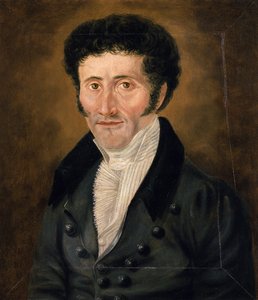
E.T.A. Hoffmann
1776 - 1822 , Germania
Dati rapidi
- Artistic Movement Or Style: Romanticismo
- Artists Who Influenced This Artist:
- Angelica Kauffman
- Henry Fuseli
- Date Of Birth: 24 gennaio 1776
- Full Name: Ernst Theodor Wilhelm Hoffmann
- Nationality: Germano
- Notable Artworks:
- Le storie di Hoffmann
- Il Nutcracker e il Re dei topi
- Place Of Birth: Königsberg, Germania

