Anteprima in scala reale
 Condividi
 Condividi
 Dettagli
 Guida stampabile

 Scarica
 Articoli simili
 Radiografia
 Slideshow
 Statistiche
Lighthouse on Fehmarn


 Leggi tutto
Giclée / Stampe d'arte
Stampa giclée o su tela di qualità museale, con produzione rapida e diverse opzioni di finitura. ( Ordina la riproduzione dipinta a mano Passa all'immagine digitale)




P118B €10

P118H €10

P118W €10

P438Z €10

P508JH €12

P508YH €12

P805H €10

P805Z €10

P919BZ €10

P919G €10

P919XJ €10

P959ZH €10

P968JZ €12

W106C €8

W218G €10

W218JH €8

W218Y €10

W307PJ €10

W316G €10

W316PJ €8

W316Y €10

W398PJ €8

W4111J €10

W500HY €15

W500JH €15

W692G €12

W849H €8

W940BG €15

W953PJ €8




Scegli tra le nostre dimensioni predefinite, che rispettano le proporzioni originali dell'opera d'arte.

Inserisci la larghezza e l'altezza desiderate, per adattarle alla tua cornice o alla tua parete. Una stampa può essere solo ritagliata, mai resa più grande dell'immagine originale; pertanto, un formato con una forma differente comporterà la perdita di una parte dell'opera. Ti invieremo un mockup digitale da approvare prima di procedere con la stampa. L'immagine mostrata in questa pagina non rappresenta il ritaglio reale — solo il mockup lo mostra.
Consegna in tutto il mondo () in 2 settimane invece delle normali 4/5 settimane. (22 Ottobre)

Spedizione espressa gratuita in tutto il mondo

Tela in lino di alta qualità

Assicurazione completa sulla spedizione

Garanzia di rimborso dei dazi doganali

Garanzia di perfetta fedeltà cromatica

Politica di reso entro 100 giorni (solo per difetti di fabbricazione)

Garanzia di rimborso al 100%

Sconto per acquisti multipli
 L'opzione vetro è disponibile solo per dimensioni inferiori a 110 cm

Lighthouse on Fehmarn
Giclée / Stampe d'arte
Dimensioni della riproduzione
-


Prezzo totale
€ 70
A Coastal Reverie: Exploring Kirchner’s Fehmarn Lighthouse
Ernst Ludwig Kirchner's "Lighthouse on Fehmarn," painted in 1912, isn’t merely a depiction of a coastal landmark; it’s a carefully constructed tableau of memory, melancholy, and the quiet yearning for stability amidst the turbulent currents of early 20th-century Germany. Kirchner, a pivotal figure within the Expressionist movement, wasn't interested in simply recording a scene; he sought to distill feeling, to translate the emotional landscape onto canvas with an intensity rarely seen before. This particular work offers a poignant glimpse into his personal journey – a retreat to the island of Fehmarn, a place that would soon become inextricably linked with both solace and the looming anxieties of a world on the brink.
The painting immediately draws the eye to the lighthouse itself, a robust sentinel rising from the rolling Baltic waters. Kirchner’s technique is deliberately rough-hewn, employing bold, visible brushstrokes that convey a sense of immediacy and unrest. The ochre and green hues of the landscape – the weathered cliffs, the dense foliage clinging to the shoreline – are applied with an almost frantic energy, suggesting both the beauty and the inherent wildness of the environment. The water, rendered in shimmering blues and greens, isn’t a serene reflection but rather a dynamic force, subtly hinting at the power beneath the surface. The arched horizon line, a key element of Kirchner's style, serves to compress the space, drawing the viewer into the scene and intensifying the feeling of being enveloped by the landscape.
A Figure in Transition: Erna Schilling and the Echoes of Berlin
Dominating the foreground is a woman, clad in dark clothing, her posture suggesting a contemplative walk. While her identity remains somewhat ambiguous – often interpreted as Kirchner’s companion, Erna Schilling – she embodies a crucial shift within the artist's life. Having recently departed from the vibrant, chaotic energy of Berlin, Kirchner sought refuge on Fehmarn, a deliberate move away from the city’s relentless pace and the emotional complexities he had experienced there. The woman’s presence isn’t one of active engagement; rather, she represents a quiet acceptance, a step towards a more subdued existence – a stark contrast to the passionate, often turbulent relationships depicted in his earlier Berlin works. Her hand outstretched, grasping that of a child, subtly evokes themes of protection and legacy, hinting at Kirchner's desire for stability and perhaps even a new beginning.
The Language of Expressionism: Symbolism and Emotional Resonance
Kirchner’s use of color is profoundly symbolic. The dark clothing of the woman contrasts sharply with the brighter tones of the landscape, creating a visual tension that mirrors the emotional shift occurring within Kirchner himself. The small sailboats dotting the horizon represent fleeting moments of pleasure amidst an underlying sense of unease – a reminder of the world beyond Fehmarn, yet one he’s consciously choosing to distance himself from. The lighthouse, traditionally a symbol of guidance and safety, here takes on a slightly melancholic quality; it stands as a solitary beacon in a vast, uncertain expanse, reflecting Kirchner's own feelings of isolation and introspection. The painting is not simply about depicting a physical location but rather conveying the complex emotional state of an artist grappling with personal change.
A Legacy Preserved: Reproduction and Artistic Appreciation
Reproductions of “Lighthouse on Fehmarn” offer a remarkable opportunity to experience Kirchner’s evocative style firsthand. The meticulous detail captured in each brushstroke, the raw emotional intensity conveyed through color and composition – these elements are faithfully reproduced in high-quality prints, allowing art lovers and collectors alike to appreciate the depth and complexity of this iconic work. Beyond its aesthetic appeal, “Lighthouse on Fehmarn” serves as a powerful reminder of Kirchner’s artistic journey—a testament to his ability to transform personal experience into enduring works of art that continue to resonate with viewers today. It's a piece that invites contemplation, prompting us to consider the interplay between memory, emotion, and the search for meaning in a rapidly changing world.
Domande e risposte
Come viene descritta la tavolozza di "Lighthouse on Fehmarn" di Ernst Ludwig Kirchner?
I colori di "Lighthouse on Fehmarn" compongono una tavolozza Scuri. Questa classificazione descrive le famiglie di colori dominanti.
Dove posso vedere un'anteprima di "Lighthouse on Fehmarn"?
Per visualizzare un'anteprima della riproduzione di "Lighthouse on Fehmarn" di Ernst Ludwig Kirchner, apri la pagina Anteprima dell'opera.
Quali tecnica e stile caratterizzano "Lighthouse on Fehmarn" di Ernst Ludwig Kirchner?
"Lighthouse on Fehmarn" è realizzata in Acrilico su tela, nello stile Expressionism.
Biografia dell'artista
Ernst Ludwig Kirchner: Vita e Eredità
Primi Anni e Formazione
Ernst Ludwig Kirchner, figura chiave dell'Espressionismo tedesco, nacque il 6 maggio 1880 ad Aschaffenburg, in Baviera. La sua eredità prussiana familiare e l'ascendenza hugenotta della madre plasmarono significativamente la sua identità artistica. Frequenti trasferimenti durante la sua infanzia – dovuti alla ricerca di lavoro da parte del padre – portarono Kirchner a frequentare scuole a Francoforte e Perlen prima di stabilirsi a Chemnitz quando il padre ottenne una posizione presso la locale università tecnica.
Nel 1901, Kirchner iniziò a studiare architettura alla Königliche Technische Hochschule (Regia Università Tecnica) di Dresda. Tuttavia, si orientò presto verso la pittura, trovando ispirazione nelle opere di artisti come Albrecht Dürer e sviluppando una visione radicale dell'arte insieme al suo amico Fritz Bleyl.
La Fondazione del Die Brücke
Un punto di svolta nella carriera di Kirchner avvenne nel 1905 quando co-fondò Die Brücke (“Il Ponte”) con Bleyl, Karl Schmidt-Rottluff ed Erich Heckel. Questo gruppo mirava a colmare il divario tra gli stili accademici tradizionali e una forma di espressione più moderna e carica emotivamente. Cercarono ispirazione nell'arte primitiva, in particolare dall'Africa e dall'Oceania, così come nelle opere di Vincent van Gogh ed Edvard Munch.
Stile Artistico e Caratteristiche Chiave
Lo stile artistico di Kirchner è caratterizzato dai suoi colori audaci, pennellate espressive e composizioni spesso sconvolgenti. Rappresentava frequentemente scene urbane, ritraendo l'alienazione e le ansie della vita moderna all'inizio del XX secolo in Germania. La sua opera presenta anche un numero significativo di nudi femminili ambientati in paesaggi naturali, che mostrano la sua fascinazione per il movimento e la forma.
- Palette di Colori Audaci: Kirchner impiegò colori vibranti, spesso non naturalistici, per trasmettere emozione.
- Pennellate Espressive: Le sue pennellate sono energiche e visibili, contribuendo all'intensità emotiva complessiva dei suoi dipinti.
- Forme Distorte: Figure e oggetti sono spesso distorti o allungati, riflettendo una realtà soggettiva piuttosto che oggettiva.
- Temi Urbani: Molte delle sue opere raffigurano strade cittadine trafficate e l'impatto psicologico della vita urbana moderna.
Opere Principali e Realizzazioni
Alcune delle opere più notevoli di Kirchner includono:
- La Strada (1908) – Una rappresentazione quintessenziale della vita nelle strade di Berlino, che cattura la sua energia e alienazione.
- Ballerina Saltante, Gret Palucca (1912) – Mostra il suo interesse per il movimento espressivo e la forma umana.
- Autoritratto con Modello (1910) - Un esempio sorprendente della sua auto-esplorazione attraverso l'arte.
- Cinque Donne per Strada (1913)
Vita Successiva, Sfide e Eredità
La vita di Kirchner fu segnata da turbamenti personali. Soffrì di un crollo nervoso durante la Prima Guerra Mondiale e successivamente si ritirò in Svizzera. L'ascesa del Nazismo portò ulteriori difficoltà; oltre 600 delle sue opere furono confiscate ed etichettate come "arte degenerata". Di fronte alla persecuzione e al declino della salute, Kirchner tragicamente si suicidò a Davos, in Svizzera, il 15 giugno 1938.
Nonostante questo triste destino, l'eredità di Ernst Ludwig Kirchner perdura. Rimane una figura centrale dell'Espressionismo tedesco, influenzando generazioni di artisti con il suo stile audace e le sue rappresentazioni emotivamente risonanti della vita moderna. La sua opera continua ad essere esposta in importanti musei in tutto il mondo ed è molto ricercata dai collezionisti.
Influenze & Impatto
Influenzato da: Albrecht Dürer, Vincent van Gogh, Edvard Munch, Arte Primitiva (Africana e Oceanica)
Ha influenzato: L'opera di Kirchner ha profondamente influenzato le generazioni successive di artisti espressionisti e moderni. La sua esplorazione dei temi psicologici e il suo uso innovativo del colore e della forma continuano a ispirare pratiche artistiche contemporanee.

Ernst Ludwig Kirchner
1880 - 1938 , Germania
Informazioni rapide
- Artisti Influenti:
- Albrecht Dürer
- Vincent van Gogh
- Edvard Munch
- Artisti Influenzati: Generazioni di artisti espressionisti
- Data Di Morte: 15 giugno 1938
- Data Di Nascita: 6 maggio 1880
- Luogo Di Nascita: Aschaffenburg, Germania
- Movimento Artistico: Espressionismo, Die Brücke
- Nazionalità: Tedesca
- Nome Completo: Ernst Ludwig Kirchner
- Opere Notevoli:
- La strada
- Ballerina che salta
- Autoritratto con modello
- Cinque donne per la strada
- Il berevole (autoritratto)
Articoli correlati

Espressionismo Tedesco: 10 Capolavori Rivoluzionari per Arredare con Emozione
Esplora i 10 capolavori dell'Espressionismo Tedesco con OriginalUniqueArt.com! Scopri Kirchner, Munch e Nolde, le loro emozioni intense e tecniche rivoluzionarie. Arreda la tua casa con stampe d'arte di alta qualità. Esplora la collezione online!

I 10 Capolavori del Paesaggio Romantico: Arte, Storia e Decorazioni di Lusso
Esplora i 10 capolavori del Paesaggio Romantico con OriginalUniqueArt.com! Caspar David Friedrich, Turner e altri maestri: storia, tecnica e colori che definiscono un'epoca. Trova riproduzioni d'arte di lusso per la tua casa. Scopri la collezione completa online!

John Constable: I 25 Capolavori che Celebrano la Bellezza della Campagna Inglese
Esplora i 25 capolavori di John Constable, il maestro del Romanticismo inglese. Paesaggi suggestivi, luce naturale e colori vibranti ti aspettano. Acquista riproduzioni d'arte di alta qualità su OriginalUniqueArt.com e porta la bellezza della campagna inglese nella tua casa.
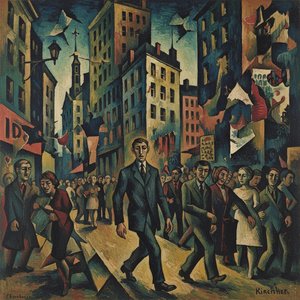
Ernst Ludwig Kirchner e la Brücke: Ansia Urbana e Frammentazione dell'Identità nell'Espressionismo Tedesco
Esplora l'universo artistico di Ernst Ludwig Kirchner e del gruppo Die Brücke. Analisi approfondita dell'Espressionismo Tedesco, tra ansia urbana, innovazione stilistica e influenze culturali. Scopri le opere chiave e il loro impatto sulla storia dell'arte.

Evocations of Place: A Historical Journey Through Landscape Art
Explore the rich history of landscape art with OriginalUniqueArt. Discover renowned artists, movements like Impressionism & Romanticism, and expert guidance for collecting timeless pieces. Find your perfect serene escape today!