Anteprima in scala reale
 Invia
Invia Condividi
 Dettagli opera
 Guida
Guida

 Scarica
 Simili
 Radiografia
 Slideshow
 Domande e risposte
 Statistiche
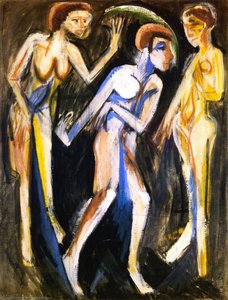
Dancing in the Ice Palace


 Espandi i dettagli
Giclée / Stampe d'arte
Stampa giclée o su tela di qualità museale, con produzione rapida e diverse opzioni di finitura. ( Acquista il dipinto realizzato a mano Passa all'immagine digitale)




P118B €10

P118H €10

P118W €10

P438Z €10

P508JH €12

P508YH €12

P805H €10

P805Z €10

P919BZ €10

P919G €10

P919XJ €10

P959ZH €10

P968JZ €12

W106C €8

W218G €10

W218JH €8

W218Y €10

W307PJ €10

W316G €10

W316PJ €8

W316Y €10

W398PJ €8

W4111J €10

W500HY €15

W500JH €15

W692G €12

W849H €8

W940BG €15

W953PJ €8




Scegli tra le nostre dimensioni predefinite, che rispettano le proporzioni originali dell'opera d'arte.

Inserisci la larghezza e l'altezza desiderate, per adattarle alla tua cornice o alla tua parete. Una stampa può essere solo ritagliata, mai resa più grande dell'immagine originale; pertanto, un formato con una forma differente comporterà la perdita di una parte dell'opera. Ti invieremo un mockup digitale da approvare prima di procedere con la stampa. L'immagine mostrata in questa pagina non rappresenta il ritaglio reale — solo il mockup lo mostra.
Consegna in tutto il mondo () in 2 settimane invece delle normali 4/5 settimane. (3 Novembre)

Spedizione espressa gratuita in tutto il mondo

Tela in lino di alta qualità

Assicurazione completa sulla spedizione

Garanzia di rimborso dei dazi doganali

Garanzia di fedeltà cromatica assoluta

Politica di reso entro 100 giorni (solo per difetti di fabbricazione)

Garanzia di rimborso al 100%

Offerta per acquisti multipli
 L'opzione vetro è disponibile solo per dimensioni inferiori a 110 cm

Dancing in the Ice Palace
Giclée / Stampe d'arte
Dimensioni riproduzione
-


Prezzo finale calcolato
€ 72
Dancing in the Ice Palace: A Descent into Expressionist Frenzy
Ernst Ludwig Kirchner’s “Dancing in the Ice Palace” is not merely a depiction of a scene; it's an immersion into the turbulent heart of German Expressionism. Executed with a raw, almost violent energy, this artwork captures a moment of frenzied celebration – or perhaps desperate escape – within a structure that feels both alluring and profoundly unsettling. The image immediately confronts the viewer with its stark duality: black and white dominate, creating a visual tension that mirrors the emotional core of the piece. Kirchner’s masterful manipulation of line is central to this effect; thick, jagged strokes define every figure and architectural element, generating a sense of agitation and unease that permeates the entire composition.
The Language of Distortion: Technique and Style
- Woodcut Roots: The artwork’s execution strongly suggests a woodcut printing process. This technique, favored by Kirchner and his contemporaries, lends itself perfectly to the piece's dramatic impact – the crisp lines, the limited tonal range, and the deliberate flattening of perspective all speak to this method.
- Expressionist Core: “Dancing in the Ice Palace” is a quintessential example of German Expressionism’s core tenets. Kirchner, like his peers, rejected academic realism in favor of conveying subjective emotions and psychological states. The distorted figures, the chaotic composition, and the overall sense of disorientation are all hallmarks of this movement.
- Line as Emotion: Kirchner wasn't interested in representing form accurately; instead, he used line to express raw emotion. The lines aren’t simply outlines; they are conduits for anxiety, alienation, and a desperate yearning for connection.
Symbolism Within the Chaos
The scene depicted is rife with symbolic potential. The “ice palace” itself can be interpreted as representing a fragile, artificial world – perhaps mirroring the anxieties of modern life or the instability of the political climate in early 20th-century Germany. The dancing figures, lost in their own movements, evoke feelings of isolation and alienation. Their obscured faces suggest a loss of identity, while their frenzied activity hints at a desperate attempt to find meaning within chaos. The stark contrast between black and white amplifies these themes, representing opposing forces or perhaps the duality of human experience – light versus darkness, joy versus despair.
A Window into Kirchner’s World
Created by Ernst Ludwig Kirchner during a period of intense artistic experimentation and personal struggle, “Dancing in the Ice Palace” offers a poignant glimpse into the artist's worldview. Born in 1880, Kirchner navigated a rapidly changing Germany, experiencing displacement and disillusionment that profoundly shaped his art. His work reflects not just aesthetic concerns but also a deep engagement with the social and psychological anxieties of his time. This piece stands as a testament to Kirchner’s ability to translate personal turmoil into a powerfully expressive artwork – a timeless exploration of human emotion and the unsettling beauty of chaos.
Domande e risposte
Come può essere utilizzato "Dancing in the Ice Palace" di Ernst Ludwig Kirchner nell'arredamento d'interni?
L'uso (Statement) e lo spazio (Living Room) sono le due raccomandazioni indicate per "Dancing in the Ice Palace" di Ernst Ludwig Kirchner.
Qual è il formato di stampa consigliato per "Dancing in the Ice Palace" – che dimensioni e quale orientamento?
Per "Dancing in the Ice Palace", la configurazione di stampa consigliata è un formato Large con orientamento Square.
Qual è il soggetto di "Dancing in the Ice Palace"?
"Dancing in the Ice Palace" di Ernst Ludwig Kirchner raffigura: dance, ice palace, expressionism, chaos, distortion, black & white, figures.
Biografia dell'artista
Ernst Ludwig Kirchner: Vita e Eredità
Primi Anni e Formazione
Ernst Ludwig Kirchner, figura chiave dell'Espressionismo tedesco, nacque il 6 maggio 1880 ad Aschaffenburg, in Baviera. La sua eredità prussiana familiare e l'ascendenza hugenotta della madre plasmarono significativamente la sua identità artistica. Frequenti trasferimenti durante la sua infanzia – dovuti alla ricerca di lavoro da parte del padre – portarono Kirchner a frequentare scuole a Francoforte e Perlen prima di stabilirsi a Chemnitz quando il padre ottenne una posizione presso la locale università tecnica.
Nel 1901, Kirchner iniziò a studiare architettura alla Königliche Technische Hochschule (Regia Università Tecnica) di Dresda. Tuttavia, si orientò presto verso la pittura, trovando ispirazione nelle opere di artisti come Albrecht Dürer e sviluppando una visione radicale dell'arte insieme al suo amico Fritz Bleyl.
La Fondazione del Die Brücke
Un punto di svolta nella carriera di Kirchner avvenne nel 1905 quando co-fondò Die Brücke (“Il Ponte”) con Bleyl, Karl Schmidt-Rottluff ed Erich Heckel. Questo gruppo mirava a colmare il divario tra gli stili accademici tradizionali e una forma di espressione più moderna e carica emotivamente. Cercarono ispirazione nell'arte primitiva, in particolare dall'Africa e dall'Oceania, così come nelle opere di Vincent van Gogh ed Edvard Munch.
Stile Artistico e Caratteristiche Chiave
Lo stile artistico di Kirchner è caratterizzato dai suoi colori audaci, pennellate espressive e composizioni spesso sconvolgenti. Rappresentava frequentemente scene urbane, ritraendo l'alienazione e le ansie della vita moderna all'inizio del XX secolo in Germania. La sua opera presenta anche un numero significativo di nudi femminili ambientati in paesaggi naturali, che mostrano la sua fascinazione per il movimento e la forma.
- Palette di Colori Audaci: Kirchner impiegò colori vibranti, spesso non naturalistici, per trasmettere emozione.
- Pennellate Espressive: Le sue pennellate sono energiche e visibili, contribuendo all'intensità emotiva complessiva dei suoi dipinti.
- Forme Distorte: Figure e oggetti sono spesso distorti o allungati, riflettendo una realtà soggettiva piuttosto che oggettiva.
- Temi Urbani: Molte delle sue opere raffigurano strade cittadine trafficate e l'impatto psicologico della vita urbana moderna.
Opere Principali e Realizzazioni
Alcune delle opere più notevoli di Kirchner includono:
- La Strada (1908) – Una rappresentazione quintessenziale della vita nelle strade di Berlino, che cattura la sua energia e alienazione.
- Ballerina Saltante, Gret Palucca (1912) – Mostra il suo interesse per il movimento espressivo e la forma umana.
- Autoritratto con Modello (1910) - Un esempio sorprendente della sua auto-esplorazione attraverso l'arte.
- Cinque Donne per Strada (1913)
Vita Successiva, Sfide e Eredità
La vita di Kirchner fu segnata da turbamenti personali. Soffrì di un crollo nervoso durante la Prima Guerra Mondiale e successivamente si ritirò in Svizzera. L'ascesa del Nazismo portò ulteriori difficoltà; oltre 600 delle sue opere furono confiscate ed etichettate come "arte degenerata". Di fronte alla persecuzione e al declino della salute, Kirchner tragicamente si suicidò a Davos, in Svizzera, il 15 giugno 1938.
Nonostante questo triste destino, l'eredità di Ernst Ludwig Kirchner perdura. Rimane una figura centrale dell'Espressionismo tedesco, influenzando generazioni di artisti con il suo stile audace e le sue rappresentazioni emotivamente risonanti della vita moderna. La sua opera continua ad essere esposta in importanti musei in tutto il mondo ed è molto ricercata dai collezionisti.
Influenze & Impatto
Influenzato da: Albrecht Dürer, Vincent van Gogh, Edvard Munch, Arte Primitiva (Africana e Oceanica)
Ha influenzato: L'opera di Kirchner ha profondamente influenzato le generazioni successive di artisti espressionisti e moderni. La sua esplorazione dei temi psicologici e il suo uso innovativo del colore e della forma continuano a ispirare pratiche artistiche contemporanee.

Ernst Ludwig Kirchner
1880 - 1938 , Germania
Dettagli rapidi
- Artisti Influenti:
- Albrecht Dürer
- Vincent van Gogh
- Edvard Munch
- Artisti Influenzati: Generazioni di artisti espressionisti
- Data Di Morte: 15 giugno 1938
- Data Di Nascita: 6 maggio 1880
- Luogo Di Nascita: Aschaffenburg, Germania
- Movimento Artistico: Espressionismo, Die Brücke
- Nazionalità: Tedesca
- Nome Completo: Ernst Ludwig Kirchner
- Opere Notevoli:
- La strada
- Ballerina che salta
- Autoritratto con modello
- Cinque donne per la strada
- Il berevole (autoritratto)
Articoli correlati

Bianco Sublime: I 10 Dipinti Più Famosi Dominati dal Colore Bianco | .it
Esplora i 10 dipinti più celebri dominati dal bianco, da Monet a Malevich. Scopri la storia, le tecniche e l'impatto di queste opere iconiche. Trova stampe su tela e riproduzioni d'arte di alta qualità per decorare casa con stile su .

Espressionismo Tedesco: 10 Capolavori Rivoluzionari per Arredare con Emozione
Esplora i 10 capolavori dell'Espressionismo Tedesco con OriginalUniqueArt.com! Scopri Kirchner, Munch e Nolde, le loro emozioni intense e tecniche rivoluzionarie. Arreda la tua casa con stampe d'arte di alta qualità. Esplora la collezione online!

Stampe Giclée: Guida alla Qualità Museale e alla Longevità dell'Arte Digitale
Scopri la vera tecnica Giclée e come distinguere una stampa d'arte da un poster. Impara a proteggere il tuo investimento artistico.
The Vibrant World of Ernst Ludwig Kirchner: A Definitive Guide to German Expressionism
Explore the raw emotion of German Expressionism through a definitive guide to Ernst Ludwig Kirchner. Discover how his bold colors and distorted forms redefined modern art history, from Berlin street scenes to iconic masterpieces.

I 10 Dipinti Più Famosi Dominati dal Nero: Maestri e Storie d'Arte
Esplora i 10 dipinti più iconici dominati dal nero, da Caravaggio a Munch. Scopri storie, tecniche e il potere espressivo di artisti come Rembrandt e Goya. Trova stampe d'arte di alta qualità per la tua casa su .