

 Anteprima in scala reale
 Condividi
 Condividi
 Dettagli

 Scarica
 Articoli simili
 Radiografia
 Slideshow
 Statistiche
A Haida Village
 Oil On Canvas
- WallArt
- Modernism
 1929
1929 82.0 x 60.0 cm
 McMichael Canadian Art Collection
 Leggi tutto
Giclée / Stampe d'arte
Stampa giclée o su tela di qualità museale, con produzione rapida e diverse opzioni di finitura. ( Ordina la riproduzione dipinta a mano Passa all'immagine digitale)




P118B $10

P118H $10

P118W $10

P438Z $10

P508JH $12

P508YH $12

P805H $10

P805Z $10

P919BZ $10

P919G $10

P919XJ $10

P959ZH $10

P968JZ $12

W106C $8

W218G $10

W218JH $8

W218Y $10

W307PJ $10

W316G $10

W316PJ $8

W316Y $10

W398PJ $8

W4111J $10

W500HY $15

W500JH $15

W692G $12

W849H $8

W940BG $15

W953PJ $8




Scegli tra le nostre dimensioni predefinite, che rispettano le proporzioni originali dell'opera d'arte.

È possibile inserire dimensioni personalizzate per adattare l'opera a una cornice o a uno spazio specifico. Se la dimensione selezionata non corrisponde alle proporzioni dell'immagine originale, procederemo al ritaglio dell'opera o all'estensione dell'immagine con un bordo specchiato o a tinta unita. Un mockup digitale ti verrà inviato per approvazione prima dell'inizio della produzione.
Si prega di notare che l'anteprima a schermo non riflette il ritaglio o l'estensione effettivi. Solo il mockup mostrerà accuratamente la composizione finale.
Sebbene siano disponibili dimensioni personalizzate, si raccomanda di selezionare una dimensione dall'elenco predefinito per preservare le proporzioni originali.
Consegna in tutto il mondo () in 2 settimane invece delle normali 4/5 settimane. (15 Settembre)

Spedizione espressa gratuita in tutto il mondo

Tela in lino di alta qualità

Assicurazione completa sulla spedizione

Garanzia di rimborso dei dazi doganali

Garanzia di perfetta fedeltà cromatica

Politica di reso entro 100 giorni (solo per difetti di fabbricazione)

Garanzia di rimborso al 100%

Sconto per acquisti multipli
 L'opzione vetro è disponibile solo per dimensioni inferiori a 110 cm

A Haida Village
Giclée / Stampe d'arte
Dimensioni della riproduzione
-


Prezzo totale
$ 80
The Spirit of the Forest: An Encounter with a Tlingit Vision
Emily Carr’s “A Haida Village,” painted in 1929, isn't merely a depiction of a coastal scene; it’s an immersive journey into the heart of Northwest Indigenous culture. This oil painting transcends simple representation, offering a glimpse into the profound connection between the Haida people and their ancestral land – Haida Gwaii, now known as Prince of Wales Island. Carr, a pivotal figure in Canadian modernism, masterfully blends elements of Post-Impressionism with her unique sensitivity to the natural world and the spiritual essence she perceived within it. The canvas breathes with the cool blues and greens of the Pacific Northwest forest, punctuated by the warm browns of cedar and earth – colors that speak directly to the landscape’s enduring presence.
The composition itself is strikingly deliberate. Vertical totem poles dominate the foreground, their imposing forms anchoring the scene and immediately establishing a sense of scale and reverence. These aren't simply structures; they are living records of clan history, lineage, and spiritual authority – visual narratives etched into wood and imbued with deep symbolic meaning. The low horizon line emphasizes the vastness of the surrounding wilderness, drawing the viewer’s eye upwards to the towering trees and hinting at an endless expanse of forest stretching beyond the frame. Carr's use of simplified forms and flattened perspective, characteristic of early 20th-century modernist painting, serves not to diminish the scene but rather to heighten its symbolic power.
Modernism Rooted in Tradition: A Unique Artistic Voice
Carr’s stylistic choices are particularly noteworthy. She deliberately departs from strict realism, opting instead for a stylized approach that prioritizes emotional resonance over photographic accuracy. Bold lines define the shapes of buildings and totem poles, creating a sense of rhythm and movement across the canvas. The use of geometric abstraction – rectangular forms and angular structures – reflects both the architectural elements of the village and the underlying structure of Haida cosmology. This isn’t an attempt to replicate reality; it's an interpretation filtered through Carr’s deeply felt understanding of the subject matter.
The painting’s dramatic lighting further enhances its impact. Strong contrasts between light and shadow create a sense of depth and drama, emphasizing the verticality of the totem poles and lending a solemn quality to the scene. Carr skillfully employs chiaroscuro – the interplay of light and dark – to draw attention to key elements and evoke a feeling of both grandeur and mystery. The muted color palette contributes to this atmosphere, creating a sense of timelessness and reinforcing the painting’s connection to its historical context.
Symbolism Woven into the Landscape
Beyond its formal qualities, “A Haida Village” is rich in symbolism. The totem poles themselves are central to understanding the artwork's meaning, representing not just individual clans but also the interconnectedness of all things within Haida society. The dwellings depicted – simple, functional structures built from natural materials – reflect a deep respect for the environment and a sustainable way of life. Carr’s deliberate choice of subject matter—a thriving village nestled within a primeval forest—underscores the enduring strength and resilience of the Haida people in the face of changing times.
Furthermore, the painting can be interpreted as a meditation on the relationship between humanity and nature. Carr's artistic vision seems to suggest that true understanding comes not from imposing one’s own perspective but from immersing oneself within the spirit of the land. The artwork invites contemplation on themes of heritage, spirituality, and the profound beauty of the natural world – elements deeply valued by both the Haida people and Emily Carr herself.
A Legacy in Reproduction: Bringing Tradition to Life
Reproductions of “A Haida Village” offer a remarkable opportunity to bring this powerful artwork into your home or office. Whether you choose a high-quality canvas print, a meticulously crafted giclée, or a framed original, you’ll be acquiring more than just a beautiful image; you'll be investing in a piece of Canadian art history and celebrating the enduring legacy of the Haida people. Consider framing options that complement the painting’s rich colors and bold lines – perhaps a natural wood frame to further emphasize its connection to the forest.
Biografia dell'artista
Primi Anni e Influenze
- Nata: 13 dicembre 1871, Victoria, British Columbia
- Morta: 2 marzo 1945, Victoria, British Columbia
- Origini Familiari: Emily Carr era la seconda più giovane di nove figli nati da Richard e Emily (Saunders) Carr. Suo padre era un immigrato inglese che stabilì una fiorente attività commerciale a Victoria.
- Prime Inclinazioni Artistiche: Incoraggiata dal padre, Emily dimostrò talento artistico fin dalla tenera età. Ricevette una prima formazione artistica e mostrò un vivo interesse nel rappresentare il mondo naturale intorno a lei.
- Istruzione: Studiò presso il San Francisco Art Institute (1890-1892) e la Westminster School of Art di Londra (1899). Queste esperienze l'esposero a vari stili artistici, ma sviluppò in definitiva una visione unica.
- Prime Influenze: I paesaggi della British Columbia, in particolare Vancouver Island, influenzarono profondamente le prime opere di Carr. Fu anche attratta dall'arte e dalla cultura dei popoli delle Prime Nazioni che abitavano la regione.
Sviluppo Artistico e Stile
- Inizi Post-Impressionisti: Inizialmente, lo stile di Carr tendeva al Post-Impressionismo, influenzato da artisti europei. Tuttavia, si allontanò gradualmente dalla rappresentazione convenzionale per sviluppare un approccio più espressivo e personale.
- Focus sulla Cultura Indigena: Un punto di svolta significativo nella sua carriera fu l'esplorazione dei villaggi e dell'arte delle Prime Nazioni. Cercò di catturare l'essenza spirituale e la ricchezza culturale di queste comunità nelle sue pitture.
- Adozione del Modernismo: Carr divenne una delle prime pittrici canadesi ad abbracciare il Modernismo, caratterizzato da colori audaci, pennellate dinamiche e una partenza dal realismo tradizionale.
- Stile Unico: Il suo stile è segnato dalla sua intensità emotiva, dalla vibrante tavolozza di colori e dall'uso distintivo della texture. Spesso impiegava tecniche ad impasto spesso per creare un senso di movimento ed energia nelle sue pitture.
Opere Principali e Mostre
- Dipinti Notevoli: Tanoo (acquerello), A Haida Village (olio), The Indian Church (olio) sono tra le sue opere più celebrate, che mostrano il suo mix unico di tecniche moderniste e temi indigeni.
- Mostre: Carr partecipò a diverse mostre durante la sua carriera, tra cui la "Canadian West Coast First Nations and Modern Peoples' Art Exhibition" alla National Gallery of Canada.
- Klee Wyck (1941): La sua autobiografia, Klee Wyck, vinse il Governor General’s Literary Award per non-fiction, dimostrando il suo talento come scrittrice e cronista della vita nella British Columbia.
Eredità e Significato Storico
- "Madre dell'Arte Canadese Moderna": Emily Carr è ampiamente considerata una pioniera dell'arte canadese moderna, aprendo la strada alle generazioni future di artisti.
- Riconoscimento della Cultura Indigena: Il suo lavoro ha contribuito a sensibilizzare sulla cultura e sulle tradizioni artistiche delle Prime Nazioni in Canada.
- Influenza su Artisti Successivi: Ha ispirato numerosi artisti canadesi con la sua visione unica e il suo incrollabile impegno per la sua arte. Pegi Nicol Macleod è un esempio.
- Icona Nazionale: L'eredità di Carr si estende oltre le sue opere d'arte, poiché è diventata un simbolo di indipendenza artistica, esplorazione culturale e della bellezza del paesaggio della British Columbia. Un pianeta minore, 5688 Kleewyck, è stato chiamato in suo onore.

Emily Carr
1871 - 1945 , Canada
Informazioni rapide
- Artistic Movement Or Style: Modernismo, Post-Impressionismo
- Artists Or Movements Influenced By This Artist:
- Margaret Kathleen Nichol
- Sophia Theresa Pemberton
- Artists Who Influenced This Artist:
- Vincent van Gogh
- Claude Monet
- Camille Pissarro
- Henri Matisse
- Date Of Birth: 13 dicembre 1871
- Date Of Death: 2 marzo 1945
- Full Name: Emily Carr
- Nationality: Canadese
- Notable Artworks:
- Tanoo
- A Haida Village
- The Indian Church
- Place Of Birth: Victoria, Canada
Articoli correlati

L'Eredità Duratura della Pittura a Olio: Tecnica, Storia e Pratica Contemporanea
Esplora la storia affascinante e le tecniche della pittura a olio. Scopri come i maestri hanno creato capolavori senza tempo e come questa arte vive oggi. : riproduzioni di alta qualità e consulenza esperta.

Oil on Canvas: A Historical & Technical Exploration of a Timeless Artistic Medium
Explore the rich history & enduring techniques of oil painting on canvas. Discover the science behind its longevity, conservation practices, and contemporary relevance. Expert insights for art enthusiasts.
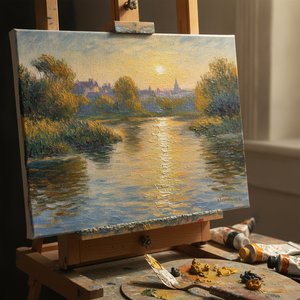
The Soul of Impressionism: Why Oil on Canvas Captures Eternal Light and Timeless Emotion
Discover the enchanting alchemy of Impressionism. Explore how the mastery of oil on canvas, through glazing and impasto, captures eternal light and emotion. Perfect for lovers of Monet and Van Gogh seeking the profound depth of hand-painted fine art.

The Enduring Legacy of Oil on Canvas: Technique, History & Aesthetic Impact
Explore the rich history & techniques of oil painting – from Renaissance masters to Impressionism. Discover pigments, layering methods, and why this timeless medium endures. Expert insights for artists & art enthusiasts.

The Enduring Power of Painting: A Historical & Contemporary Exploration of Form and Emotion
Explore the rich history & enduring techniques of oil painting with OriginalUniqueArt. Discover masterpieces, learn about art collecting, and find authentic handmade reproductions crafted by skilled artists.


