

 Anteprima in scala reale
 Condividi
 Condividi
 Dettagli
 Guida stampabile

 Scarica
 Articoli simili
 Radiografia
 Slideshow
 Statistiche
Antica chiesa di Delft
 Olio su tela
- Opere da parete
- Barocco olandese
 1642
1642- Età Moderna
 95.0 x 82.0 cm
 Museo dell'Ermitage
 Leggi tutto
Giclée / Stampe d'arte
Stampa giclée o su tela di qualità museale, con produzione rapida e diverse opzioni di finitura. ( Ordina la riproduzione dipinta a mano Passa all'immagine digitale)




P118B €10

P118H €10

P118W €10

P438Z €10

P508JH €12

P508YH €12

P805H €10

P805Z €10

P919BZ €10

P919G €10

P919XJ €10

P959ZH €10

P968JZ €12

W106C €8

W218G €10

W218JH €8

W218Y €10

W307PJ €10

W316G €10

W316PJ €8

W316Y €10

W398PJ €8

W4111J €10

W500HY €15

W500JH €15

W692G €12

W849H €8

W940BG €15

W953PJ €8




Scegli tra le nostre dimensioni predefinite, che rispettano le proporzioni originali dell'opera d'arte.

Inserisci la larghezza e l'altezza desiderate, per adattarle alla tua cornice o alla tua parete. Una stampa può essere solo ritagliata, mai resa più grande dell'immagine originale; pertanto, un formato con una forma differente comporterà la perdita di una parte dell'opera. Ti invieremo un mockup digitale da approvare prima di procedere con la stampa. L'immagine mostrata in questa pagina non rappresenta il ritaglio reale — solo il mockup lo mostra.
Consegna in tutto il mondo () in 2 settimane invece delle normali 4/5 settimane. (24 Ottobre)

Spedizione espressa gratuita in tutto il mondo

Tela in lino di alta qualità

Assicurazione completa sulla spedizione

Garanzia di rimborso dei dazi doganali

Garanzia di perfetta fedeltà cromatica

Politica di reso entro 100 giorni (solo per difetti di fabbricazione)

Garanzia di rimborso al 100%

Sconto per acquisti multipli
 L'opzione vetro è disponibile solo per dimensioni inferiori a 110 cm

Antica chiesa di Delft
Giclée / Stampe d'arte
Dimensioni della riproduzione
-


Prezzo totale
€ 70
A Breathless Reverie: The Luminous Soul of Delft
In the quiet corners of the Dutch Golden Age, where light performs its most delicate dances, Emanuel de Witte captured something far more profound than mere architecture. His masterpiece, Old Church in Delft, is not simply a record of stone and mortar; it is an invitation into a sacred stillness. While his contemporaries like Pieter Saenredam sought the rigorous precision of architectural truth, De Wiente embarked on a different journey—one of atmosphere and emotion. To stand before this canvas is to enter a world where the boundaries between the physical structure of the Oude Kerk and the spiritual essence of prayer begin to dissolve. The painting breathes with a palpable sense of peace, inviting the viewer to lose themselves in the soft, filtered light that spills through the Gothic windows, illuminating the dust motes of history.
The composition serves as a masterclass in the art of illusionism, a hallmark of De Witte’s unparalleled skill. Through the masterful application of chiaroscuro, he sculpts the vast interior space using nothing but the interplay of deep shadow and brilliant highlights. The eye is drawn through the expansive nave, guided by the rhythmic placement of light that catches the edges of white pillars and the subtle textures of the floor. De Witte does not merely depict a room; he constructs a three-dimensional experience. His brushwork, though remarkably subtle, possesses a decisive strength that lends a profound realism to the scene, making the heavy weight of the Gothic arches feel as tangible as the air itself.
The Human Element and the Drama of Light
Within this grand architectural stage, De Witte introduces a delicate human narrative. Scattered throughout the vastness of the church are small, carefully placed figures—individuals caught in moments of quiet contemplation or casual movement. These figures are not mere decorations; they provide the essential scale necessary to grasp the monumental height of the cathedral's tower and the soaring reaches of its ceiling. Their presence imbues the scene with a sense of lived history, suggesting that these hallowed halls have been the silent witnesses to generations of human hope, grief, and devotion. The way the light falls upon their forms—sometimes highlighting a shoulder, sometimes leaving a face in soft shadow—adds a layer of narrative mystery that keeps the viewer’s gaze wandering through the composition.
For the discerning collector or interior designer, Old Church in Delft offers much more than aesthetic beauty; it offers an atmosphere of timelessness. The painting’s palette, dominated by muted tones, whites, and deep, resonant shadows, provides a sophisticated anchor for any high-end interior. It possesses a unique ability to command attention through its quietude rather than through loud colors. Whether placed in a sunlit gallery or a moody, library-style study, this work brings with it an aura of intellectual depth and spiritual grace. Owning a reproduction of such a piece is an opportunity to curate a space that celebrates the enduring power of light, history, and the sublime beauty of the Dutch Baroque tradition.
Domande e risposte
Quale soggetto e quale atmosfera combinano "Antica chiesa di Delft" di Emanuel De Witte?
"Antica chiesa di Delft" di Emanuel De Witte ritrae interno di chiesa, arte olandese, pittura religiosa, luce barocca, dettaglio architettonico, cattedrale di delft, xvii secolo, con un'atmosfera Calma. Il soggetto e l'atmosfera insieme descrivono l'opera.
Che tipo di colori utilizza "Antica chiesa di Delft"?
I colori di "Antica chiesa di Delft" compongono una tavolozza Toni della terra. Questa classificazione descrive le famiglie di colori dominanti.
L'immagine di "Antica chiesa di Delft" di Emanuel De Witte può essere riprodotta liberamente?
"Antica chiesa di Delft" di Emanuel De Witte è di pubblico dominio - il suo copyright è scaduto. Questo stato determina le modalità con cui l'immagine dell'opera può essere riprodotta.
Biografia dell'artista
Emanuel de Witte: Una Vita in Prospettiva
- Nato: Alkmaar, Paesi Bassi (1617)
- Morto: Amsterdam, Paesi Bassi (1692)
- Professione: Pittore olandese di prospettiva, pittore di genere
Emanuel de Witte fu una figura significativa nell'arte olandese del XVII secolo, rinomato per le sue raffigurazioni atmosferiche degli interni delle chiese. A differenza dei suoi contemporanei come Pieter Jansz Saenredam che davano la priorità all'accuratezza architettonica, De Witte si concentrò sulla cattura dell'umore e della luce all'interno di questi spazi, creando esperienze immersive per lo spettatore.
Primi Anni e Formazione
- Background Familiare: Nato ad Alkmaar, suo padre era un maestro di scuola, suggerendo una precoce esposizione all'istruzione e agli sforzi intellettuali.
- Appartenenza alla Gilda: Entrò nella locale Gilda di San Luca nel 1636, segnando la sua formale entrata nella professione artistica.
- Primi Studi: Studiò con Evert van Aelst a Delft, un pittore di nature morte, che probabilmente influenzò la sua attenzione ai dettagli e l'uso della luce.
- Prime Opere: Inizialmente dipinse ritratti, scene mitologiche e opere religiose prima di specializzarsi in interni di chiese.
Sviluppo come Artista e Stile Caratteristico
- Trasferimento ad Amsterdam (1651): Questo trasferimento si rivelò fondamentale, fornendo accesso a numerose chiese che divennero i soggetti dei suoi lavori più celebrati.
- Focus sugli Interni delle Chiese: De Witte si specializzò sempre più nella rappresentazione degli interni delle chiese, dipingendo spesso l'Oude Kerk di Amsterdam da varie prospettive.
- Chiese Immaginarie: Combinava frequentemente elementi provenienti da diverse chiese per creare spazi interni idealizzati, popolati da figure e permeati di un senso di realismo.
- Prospettiva Atmosferica: Il suo magistrale uso della luce e dell'ombra creò un'atmosfera unica all'interno dei suoi dipinti, enfatizzando le qualità spaziali degli interni. Walter Liedtke notò che l'interesse primario di De Witte era "lo spazio stesso - la sua luce, il suo colore, la sua estensione e il suo umore."
Sfide e Vita Personale
- Turbamenti Personali: La vita di De Witte fu segnata da difficoltà personali, tra cui la morte della sua prima moglie e successivi problemi legali che coinvolsero sua seconda moglie e figlia.
- Servitù per Debito: Costretto alla servitù per debito verso l'artefice Joris de Wijs a causa di vincoli finanziari e contratti non rispettati.
- Personalità Difficile: I registri indicano un temperamento volatile, con resoconti di urla contro i clienti e coinvolgimento in dispute.
- Fine Tragica: Morì in circostanze tragiche nel 1692, presumibilmente tentando il suicidio impiccandosi da un ponte sul canale; la corda si ruppe e annegò.
Eredità e Significato Storico
- Ultima Fase della Pittura Architettonica: De Witte è considerato parte dell'ultima fase della pittura architettonica nei Paesi Bassi, colmando il divario tra la documentazione meticolosa e l'interpretazione atmosferica.
- Influenza su Artisti Successivi: Il suo innovativo uso della luce e della prospettiva influenzò le generazioni successive di artisti.
- Rappresentazione della Società Olandese: I suoi dipinti offrono preziose informazioni sulla vita religiosa e sulle usanze sociali olandesi del XVII secolo.
- Collezioni Museali: Opere di De Witte sono conservate in prestigiose collezioni in tutto il mondo, tra cui il Metropolitan Museum of Art, la National Gallery of Art e il Rijksmuseum.

Emanuel De Witte
1617 - 1692 , Paesi Bassi
Informazioni rapide
- Artistic Movement Or Style: Barocco, Prospettiva
- Artists Who Influenced This Artist: ['Evert van Aelst']
- Date Of Birth: 1617
- Date Of Death: 1692
- Full Name: Emanuel de Witte
- Nationality: Olandese
- Notable Artworks:
- Interno dell'Oude Kerk
- Interno della Nieuwe Kerk
- Place Of Birth: Alkmaar, Paesi Bassi
Articoli correlati

I 10 Capolavori del Barocco Olandese che Hanno Definito un'Epoca | OriginalUniqueArt
Esplora i 10 capolavori del Barocco olandese con OriginalUniqueArt. Scopri Rembrandt, Vermeer e altri maestri. Quadri antichi, luce intensa e storie affascinanti per decorare la tua casa con arte di qualità museale. Esplora la collezione online!

Goya: I 25 Capolavori Immortali dell'Anima Spagnola | OriginalUniqueArt
Esplora i 25 capolavori di Francisco Goya, il genio spagnolo tra Romanticismo e Realismo. Ritratti iconici, 'Los Caprichos' e le toccanti 'Disastri della Guerra'. Trova stampe su tela e riproduzioni artistiche di alta qualità per la tua casa su OriginalUniqueArt.com.

Il Dramma Barocco: Portare Splendore ed Emozione negli Interni Contemporanei
Scopri come portare il dramma e lo splendore dell'arte barocca nei tuoi interni con . Riproduzioni di alta qualità, consulenza d'arte personalizzata e ispirazione per uno stile unico.
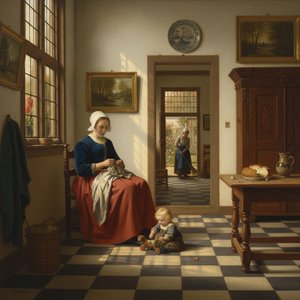
Pieter de Hooch e l'Illuminazione della Vita Domestica Olandese: Fascino dell'Età d'Oro e Innovazioni Pittoriche
Esplora il genio di Pieter de Hooch e l'illuminazione della vita domestica olandese nel Secolo d'Oro. Analisi approfondita dello stile, delle tecniche e del simbolismo nelle sue opere più iconiche.

Golden Age Reflections: Dutch Baroque Painting & Cultural Innovation
Explore the Dutch Golden Age of painting! Discover key artists like Vermeer & ter Borch, their innovative techniques, and the rich cultural context behind these Baroque masterpieces. Learn about collecting & appreciating this iconic art period.


