Anteprima in scala reale
 Condividi
 Condividi
 Dettagli
 Guida stampabile

 Scarica
 Articoli simili
 Radiografia
 Slideshow
 Statistiche
Viva la Comune


 Leggi tutto
Riproduzione a olio fatta a mano
Olio su tela dipinto a mano nelle tue dimensioni e con la tua cornice, realizzato su ordinazione dai nostri artisti. ( Passa alle stampe Passa all'immagine digitale)




P118B €10

P118H €10

P118W €10

P438Z €10

P508JH €12

P508YH €12

P805H €10

P805Z €10

P919BZ €10

P919G €10

P919XJ €10

P959ZH €10

P968JZ €12

W106C €8

W218G €10

W218JH €8

W218Y €10

W307PJ €10

W316G €10

W316PJ €8

W316Y €10

W398PJ €8

W4111J €10

W500HY €15

W500JH €15

W692G €12

W849H €8

W940BG €15

W953PJ €8




Scegli tra le nostre dimensioni predefinite, che rispettano le proporzioni originali dell'opera d'arte.

Inserisci la larghezza e l'altezza di cui hai bisogno, per adattarle alla tua cornice o alla tua parete. Trattandosi di un'opera dipinta a mano, in caso di dimensioni con una forma differente, l'artista può dipingere un po' più oltre i bordi dell'immagine o ritagliare leggermente — la scelta spetta a te. Ti invieremo un mockup digitale da approvare prima che la pittura abbia inizio. L'immagine mostrata in questa pagina non rappresenta il risultato reale — solo il mockup lo fa.
Dopo l'ordine, il team di OriginalUniqueArt.com contatterà il cliente via e-mail per ricevere le istruzioni e fornirà un'anteprima del mockup
Consegna in tutto il mondo () in 3/4 settimane anziché nelle normali 5 settimane. (23 Ottobre). Nessun compromesso sulla qualità.

Spedizione espressa gratuita in tutto il mondo

Tela in lino di alta qualità

Assicurazione completa sulla spedizione

Garanzia di rimborso dei dazi doganali

Garanzia di perfetta fedeltà cromatica

Politica di reso entro 100 giorni (solo per difetti di fabbricazione)

Garanzia di rimborso al 100%

Sconto per acquisti multipli
 L'opzione vetro è disponibile solo per dimensioni inferiori a 110 cm

Viva la Comune
Tecnica di riproduzione
Dimensioni della riproduzione
-


Prezzo totale
€ 263
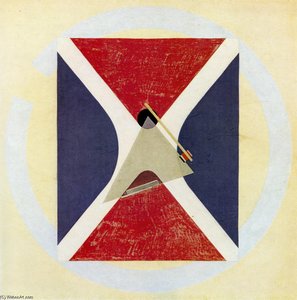
Vive la Commune 1871: A Collage of Revolution and Memory
El Lissitzky’s “Vive la Commune 1871” isn't merely a painting; it’s an audacious declaration—a visual manifesto born from the fervor of the Parisian uprising that shook Europe in May 1871. This artwork transcends traditional representation, opting instead for a complex collage that embodies the spirit of its time and continues to resonate with contemporary audiences.
- Subject Matter: The composition centers around a densely populated cityscape—fragments of Paris—interwoven with portraits of prominent figures involved in the Commune. Lissitzky meticulously juxtaposes images of revolutionaries, intellectuals, and ordinary citizens, capturing the multifaceted nature of the movement itself.
- Style: Lissitzky’s style is unmistakably Constructivist, prioritizing geometric abstraction and bold color palettes over realistic depiction. The artwork eschews illusionistic perspective, favoring instead flattened planes that emphasize materiality and structural clarity. This stylistic choice reflects the broader artistic ambitions of the era—a desire to forge a new visual language rooted in utilitarian principles.
- Technique: Lissitzky employed a masterful technique combining photographic prints with painted elements. He skillfully layered images onto canvas, creating a textured surface that enhances the overall impact of the composition. The careful manipulation of color and tonal values contributes to the artwork’s dramatic effect, guiding the viewer's gaze across the expansive canvas.
The historical context is crucial to understanding “Vive la Commune 1871.” Created in the wake of Napoleon III’s defeat and the establishment of the Third Republic, the painting serves as a commemoration of the revolutionary ideals that fueled the uprising—democracy, social justice, and defiance against imperial authority. Lissitzky deliberately avoids glorifying violence or heroism; instead, he seeks to convey the collective memory of the Commune, capturing its essence in fragmented visual forms.
Symbolism permeates every aspect of the artwork. The geometric shapes—squares, rectangles, triangles—represent stability and order amidst chaos. They symbolize the aspiration for a new social structure based on rational planning and technological advancement – core tenets of Constructivism. Furthermore, Lissitzky’s use of color is deliberate: vibrant reds and yellows evoke passion and energy, mirroring the fervor of the revolutionary spirit.
Ultimately, “Vive la Commune 1871” succeeds in eliciting an emotional response from the viewer. It compels us to contemplate the legacy of revolution—the triumphs and tribulations inherent in striving for transformative change. More than just a visual spectacle, it’s a poignant reminder that art can serve as a conduit for conveying profound ideas and capturing the spirit of an era.
Domande e risposte
Chi è l'autore di "Viva la Comune" e a quale movimento appartiene?
El Lissitzky ha creato "Viva la Comune" all'interno del movimento Constructivist Suprematism.
Posso visualizzare "Viva la Comune" come una presentazione a schermo intero?
È disponibile un diaporama: la pagina Slideshow di "Viva la Comune" di El Lissitzky.
Quale stato d'animo esprime "Viva la Comune" di El Lissitzky all'interno di Constructivist Suprematism?
L'emozione Contemplativo di "Viva la Comune" accompagna il suo stile Constructivist Suprematism.
Biografia dell'artista
primi anni di vita ed educazione
El Lissitzky, un rinomato artista, designer, fotografo, tipografo, polemista e architetto russo, è nato il 23 novembre 1890 a Pochinok, Russia. I suoi primi anni sono stati segnati da un interesse innato per il disegno, che lo ha portato a ricevere istruzioni da Yehuda Pen, un artista ebreo locale, all'età di 13 anni.carriera e influenze
La carriera di Lissitzky è stata caratterizzata dalla sua collaborazione con Kazimir Malevich nello sviluppo del suprematismo, influenzando significativamente il Bauhaus e i movimenti costruttivisti. La sua opera, che spazia in diversi media, ha svolto un ruolo fondamentale nel plasmare la grafica del XX secolo.- contributi chiave:
- ha sviluppato il gruppo artistico suprematista Unovis con Kazimir Malevich
- ha creato la serie Proun, una variante della serie suprematista
- è stato ambasciatore culturale russo a Weimar Germania, influenzando le figure chiave del Bauhaus e dello Stilismo
- innovazioni:
- tipografia
- progettazione di mostre
- fotomontaggio
- progettazione di libri
opere notevoli e eredità
Alcune delle opere più importanti di Lissitzky includono:- Il Costruttore (1924), un fotomontaggio autoritratto che presenta temi ricorrenti come la mano di Dio, collegando la sua eredità ebraica ai movimenti artistici contemporanei.
- un poster propagandistico sovietico (1941), uno dei suoi ultimi lavori, che esorta il popolo a costruire più carri armati per combattere contro i nazisti.
musei e collezioni
Le opere di Lissitzky si trovano in vari musei, tra cui:- Taganrog Art Museum, Russia /it/art/show/art-d3bb5m-it/
- Novokuznetsk Art Museum, Russia /it/art/show/art-d3akex-it/
fondazione e catalogo ragionato
Nel 2014 è stata istituita la Fondazione Lissitzky in collaborazione con il Van Abbemuseum e studiosi di spicco di tutto il mondo per preservare l'eredità dell'artista e preparare un catalogo ragionato della sua opera.- Per ulteriori informazioni su El Lissitzky, visita: https://OriginalUniqueArt.com/@/el-lissitzky
- Esplora le opere esposte al Taganrog Art Museum: /it/art/show/to-explore-the-artworks-exhibited-in-taganrog-art-museum/
riferimenti:
- https://en.wikipedia.org/wiki/el_lissitzky
- https://OriginalUniqueArt.com/@/el-lissitzky

El Lissitzky
1890 - 1941 , Russia
Informazioni rapide
- Artisti Influenti: ['Kazimir Malevich']
- Artisti Influenzati:
- Bauhaus
- De Stijl
- Data Di Nascita: 23 novembre 1890
- Luogo Di Nascita: Pochinki, Russia
- Movimento Artistico: Suprematismo, Costruttivismo
- Nazionalità: Russa
- Nome Completo: El Lissitzky
- Opere Notevoli:
- Il Costruttore (1924)
- Serie Proun
- Poster sovietico (1941)
Articoli correlati
I 10 Capolavori della Fotografia Documentaria che Hanno Fatto Storia |
Esplora i 10 capolavori della fotografia documentaria che hanno cambiato la storia dell'arte. Scopri le storie, gli artisti e le emozioni dietro queste icone fotografiche. Stampe artistiche di alta qualità su .

10 Fotografie Iconiche che hanno Rivoluzionato la Storia dell'Arte
Un viaggio emozionante tra i 10 capolavori fotografici che hanno riscritto la storia dell'arte. Dai maestri del bianco e nero a Warhol e Dalí, scopri l'essenza della luce e dello stile per il tuo arredamento. Esplora la collezione completa su OriginalUniqueArt.com.

El Greco: I 25 Capolavori Immortali dell'Arte Spirituale | OriginalUniqueArt
Esplora i 25 capolavori immortali di El Greco, il maestro del manierismo e della pittura religiosa. Scopri la storia, lo stile unico e le emozioni dietro ogni opera. Stampe e riproduzioni d'arte su OriginalUniqueArt.com per decorare con bellezza.
Ilja Repin: Realismo, Rivoluzione e l'Anima Russa – Un'Esplorazione Completa della Vita e dell'Eredità Artistica
Esplora la vita e le opere di Ilja Repin, maestro del realismo russo. Analisi approfondite dei suoi capolavori, il movimento dei Peredvizhniki e l'influenza sull'arte moderna. Scopri come collezionare Repin oggi.

Stai immaginando la rivoluzione sbagliata. Forse due rivoluzioni sbagliate.
Pensi di conoscere la 'Libertà che guida il popolo' di Delacroix? Ripensaci. Esplora la affascinante verità dietro il dipinto, smentendo i miti comuni sulla Rivoluzione Francese e Les Misérables con le approfondite analisi di storia dell'arte di OriginalUniqueArt.