

 Anteprima in scala reale
 Condividi
 Condividi
 Dettagli
 Guida stampabile

 Scarica
 Articoli simili
 Radiografia
 Slideshow
 Statistiche
Grossglockner


 Leggi tutto
Acquista un'immagine digitale ad alta risoluzione e ottimizzata, di qualità nettamente superiore all'anteprima online.
Ogni file è meticolosamente preparato dai nostri specialisti interni attraverso l'uso di strumenti avanzati e un sapiente ritocco manuale. Garantiamo che ogni immagine presenti una chiarezza eccezionale, una precisione cromatica impeccabile e dettagli raffinati.
Il file finale viene consegnato via e-mail entro 72 ore, ottimizzato per un uso immediato in contesti professionali, editoriali e di stampa. Si tratta della stessa qualità affidata ai più prestigiosi studi di design, editori e gallerie d'arte.
Immagine Digitale
Scarica un file ad alta risoluzione per uso personale, per la stampa e per progetti creativi. ( Passa alle stampe Ordina la riproduzione dipinta a mano)
Incluso in ogni acquisto di immagini digitali
Consegna digitale professionale e garantita
Quando scegli OriginalUniqueArt.com, non riceverai solo un'immagine: riceverai un'opera d'arte digitale professionalmente ottimizzata, realizzata con la massima precisione e accompagnata da una garanzia di soddisfazione. Ecco tutto ciò che include il tuo ordine, automaticamente:

Consegna rapida via email
Riceverai il file dell'immagine digitale ad alta risoluzione via email entro 72 ore dall'ordine, pronto per un uso immediato.

File digitale potenziato dall'IA
La tua opera d'arte viene ottimizzata professionalmente attraverso l'uso di strumenti avanzati di intelligenza artificiale e una revisione manuale, garantendo il massimo livello di dettaglio, nitidezza e accuratezza cromatica.

Riconsegna gratuita a vita
Hai eliminato o perso accidentalmente il tuo file? Non preoccuparti: te lo invieremo di nuovo in qualsiasi momento, gratuitamente.

Nessun costo di importazione, mai
Goditi la tua opera d'arte istantaneamente senza costi doganali, dazi o spese di spedizione: i download digitali sono sempre esenti da tasse.

Garanzia di fedeltà cromatica
Garantiamo che la tua immagine digitale rifletta i colori originali con la massima fedeltà, grazie all'uso di strumenti professionali e a una gestione accurata del colore.

Garanzia soddisfatti o rimborsati 100 giorni
Se non sei soddisfatto della tua immagine digitale, la revisioneremo o ti rimborseremo il 100% entro 100 giorni, senza domande.

Garanzia di rimborso al 100%
Non sei soddisfatto? Ricevi un rimborso completo entro 100 giorni dal ricevimento del tuo file digitale, senza dover fornire spiegazioni.

Sconti per ordini multipli
Acquista 3 immagini, risparmia il 10% - Acquista 5, risparmia il 15% - Acquista 10+, risparmia il 20%. Ideale per progetti creativi, gallerie e agenzie.
A Sublime Vision of Alpine Majesty
- Subject Matter: Compton’s “Grossglockner” captures the grandeur of Austria's Grossglockner mountain massif, one of Europe’s highest peaks. The painting depicts a panoramic vista showcasing the imposing mountains bathed in soft sunlight, emphasizing their dramatic silhouette against expansive skies.
- Style: This artwork exemplifies Impressionistic tendencies, prioritizing atmospheric effects over precise representation. Compton skillfully blends brushstrokes to convey the ephemeral quality of light and shadow, creating an immersive experience for the viewer akin to witnessing the mountain landscape firsthand.
- Technique: Employing watercolor on paper—a technique favored by artists of his era—Compton achieved remarkable luminosity and tonal subtlety. Layers of translucent washes build up gradually, capturing the nuances of color and texture—the glistening snow surfaces, the textured rock faces, and the billowing clouds—resulting in a breathtakingly realistic depiction.
- Historical Context: Created in 1918, “Grossglockner” emerged during a period of artistic experimentation following Impressionism. The painting reflects the broader fascination with Alpine landscapes prevalent in European art circles at the time, fueled by burgeoning tourism and scientific exploration. Compton’s work aligns perfectly with the Romantic spirit—a yearning for sublime beauty and contemplation amidst untamed nature.
- Symbolism: Beyond its visual splendor, “Grossglockner” carries symbolic resonance. The towering mountains represent resilience, permanence, and spiritual aspiration—themes deeply rooted in Quaker beliefs. Furthermore, the serene atmosphere evokes feelings of tranquility and awe, inviting viewers to reconnect with the grandeur of the natural world.
The painting’s emotional impact is undeniable; it transports us back to a time when artists sought inspiration from the sublime—a concept championed by Edmund Burke and Coleridge—to express profound spiritual truths. Compton's masterful watercolor technique ensures that this vision of Grossglockner remains captivating for generations to come, offering a timeless reminder of the beauty and majesty of Alpine scenery.
Domande e risposte
Quale posto occupa "Grossglockner" tra i soggetti ricorrenti di Edward Theodore Compton?
I temi ricorrenti di Edward Theodore Compton includono romantic landscape, german alpine art, moral quaker values, watercolor technique, artist legacy; "Grossglockner" si concentra su mountains, landscape, watercolor, alpine scene, snow peaks, panoramic view, victorian art.
Di cosa è fatto "Grossglockner"?
La tecnica utilizzata per "Grossglockner" di Edward Theodore Compton è Acrylic. Le riproduzioni mirano a restituire l'aspetto di questa tecnica.
I colori di "Grossglockner" di Edward Theodore Compton sono saturi o desaturati?
"Grossglockner" di Edward Theodore Compton è registrato con una saturazione Muted.
Biografia dell'artista
Edward Theodore Compton: Pioniere dell'Acquerello Alpino
Edward Theodore Compton, figura singolare nel panorama artistico dell'Europa tra la fine del XIX e l'inizio del XX secolo, si erge come una straordinaria testimonianzione dell'intersezione tra arte e avventura. Nato a Stoke Newington, Londra, nel 1849, l'educazione di Compton all'interno di una famiglia quacchera gli instillò un profondo apprezzamento per la semplicità e l'integrità morale, valori che avrebbero indubbiamente plasmato la sua visione artistica. Nonostante abbia frequentato diverse scuole d'arte, tra cui la Royal Academy, egli perseguì in gran parte un percorso di autoformazione, affinando le proprie abilità attraverso un'osservazione meticolosa e una instancabile sperimentazione. Il suo viaggio a Darmstadt, in Germania, nel 1867, segnò un momento cruciale, proiettandolo in una vibrante comunità artistica guidata dal Granduca Ludwig III e alimentando una duratura fascinazione per i paesaggi alpini.- Prime Influenze: Gli anni formativi di Compton furono intrisi di spiritualità quacchera e nutriti dalla passione del padre per l'arte, esponendolo a influenti pittori impressionisti come Claude Monet e Pierre-Auguste Renoir.
- Formazione Accademica e Darmstadt: Sebbene non si sia diplomato formalmente presso la Royal Academy, Compton beneficiò enormemente dello studio accanto ad Alice, Principessa di Hesse, acquisendo un'inestimabile esperienza nella tecnica artistica e stringendo legami all'interno di un nascente ambiente creativo.
L'Ossessione Alpina: Dai Bozzetti ai Capolavori
Un viaggio trasformativo nel Bernese Oberland nel 1868 accese la devozione di una vita di Compton nel catturare la maestosità delle Alpi, in particolare l'iconico trio composto da Eiger, Mönch e Jungfrau. Il panorama mozzafiato lo catturò, ispirando una serie di acquerelli che sarebbero diventati sinonimo dell'arte alpina. I suoi schizzi meticolosi documentavano il terreno impervio e le drammatiche condizioni di luce, dimostrando un impegno incrollabile verso l'accuratezza unito a una profonda sensibilità artistica. Questa esperienza cementò la sua convinzione nel potere dell'osservazione come pietra angolare della creazione artistica.- Tecnica: Lo stile distintivo di Compton prevedeva la sovrapposizione di sottili velature di pigmento acquerellato sulla carta, ottenendo effetti luminosi che trasmettevano la bellezza eterea dei paesaggi montani.
- <Opere Note: Tra i suoi dipinti più celebri figurano “Deutsch Im Wald von Valdoniello” e “Deutsch Grohmannspitze und (rechts) Fünffingerspitzen”, che esemplificano la sua magistrale resa delle vedute alpine.
L'Occhio dell'Alpinista: Oltre la Tela
Compton non era soltanto un pittore; era un alpinista intrépido che ha scalato oltre 300 vette, incluse 27 prime ascensioni, un'impresa straordinaria che ha consolidato la sua reputazione come uno dei più importanti scalatori britannici. Le sue spedizioni in Austria, Scandinavia, Nord Africa, Corsica e Spagna hanno fornito materiale visivo inestimabile per le sue opere, arricchendo le sue composizioni con l'esperienza diretta degli ambienti montani. La fotografia “Deutsch Allalin, Strahl und Rimpfischhorn von der Ostflanke des Alphubel” mostra la dedizione di Compton all'accuratezza topografica combinata con una visione artistica.- Impatto sull'Arte: Le imprese alpinistiche di Compton influenzarono profondamente la sua arte, infondendo nei suoi dipinti un senso di dinamismo e trasmettendo le sfide affrontate dagli scalatori nel confrontarsi con terreni formidabili.
- Eredità: Il contributo di Compton all'arte alpina è innegabile; egli elevò la pittura ad acquerello a nuove vette, stabilendola come il mezzo d'elezione per ritrarre i paesaggi montani con una bellezza e un realismo senza pari.
Villa Compton e la Continua Esplorazione Artistica
Stabilendosi a Feldafing, sul Lago di Starnberg, nel 1874, Compton creò una dimora tranquilla insieme alla moglie Auguste Plotz, favorendo un ambiente propizio alle aspirazioni artistiche. Continuò a viaggiare estensivamente, documentando le sue impressioni in acquerelli e disegni a inchiostro, testimonianza della sua incrollabile curiosità e del suo impulso creativo. Il suo lavoro riflette non solo la grandezza dei paesaggi alpini, ma anche le sottili sfumature di luce e atmosfera, dimostrando la maestria di Compton nelle tecniche impressioniste.- Tarda Carriera: La produzione artistica di Compton rimase prolificante per tutta la vita, mostrando una straordinaria adattabilità a soggetti e mezzi differenti.
- <Significato Storico: L'eredità di Compton va oltre i suoi successi artistici; egli incarna lo spirito dell'esplorazione e della creatività, una figura che ha saputo fondere senza soluzione di continuità la passione per l'arte con l'audace avventura.
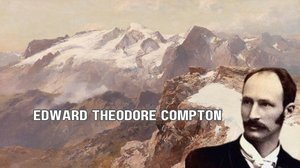
Edward Theodore Compton
1849 - 1921 , Regno Unito
In breve
- Artistic Movement Or Style: Arte alpina
- Artists Who Influenced This Artist:
- Claude Monet
- Pierre-Auguste Renoir
- Date Of Birth: 1849
- Date Of Death: 1921
- Full Name: Edward Theodore Compton
- Nationality: Inglese
- Notable Artworks:
- Deutsch Im Wald von Valdoniello
- Deutsch Grohmannspitze und (rechts) Fünffingerspitzen
- Place Of Birth: Stoke Newington, Londra