

 Anteprima in scala reale
 Condividi
 Condividi
 Dettagli
 Guida stampabile

 Scarica
 Articoli simili
 Radiografia
 Slideshow
 Statistiche
Glacier de Saleinaz
 Oil On Canvas
- WallArt
 1906
1906- 19th Century
 115.0 x 89.0 cm
 Torre Abbey
 Leggi tutto
Giclée / Stampe d'arte
Stampa giclée o su tela di qualità museale, con produzione rapida e diverse opzioni di finitura. ( Ordina la riproduzione dipinta a mano Passa all'immagine digitale)




P118B €10

P118H €10

P118W €10

P438Z €10

P508JH €12

P508YH €12

P805H €10

P805Z €10

P919BZ €10

P919G €10

P919XJ €10

P959ZH €10

P968JZ €12

W106C €8

W218G €10

W218JH €8

W218Y €10

W307PJ €10

W316G €10

W316PJ €8

W316Y €10

W398PJ €8

W4111J €10

W500HY €15

W500JH €15

W692G €12

W849H €8

W940BG €15

W953PJ €8




Scegli tra le nostre dimensioni predefinite, che rispettano le proporzioni originali dell'opera d'arte.

Inserisci la larghezza e l'altezza desiderate, per adattarle alla tua cornice o alla tua parete. Una stampa può essere solo ritagliata, mai resa più grande dell'immagine originale; pertanto, un formato con una forma differente comporterà la perdita di una parte dell'opera. Ti invieremo un mockup digitale da approvare prima di procedere con la stampa. L'immagine mostrata in questa pagina non rappresenta il ritaglio reale — solo il mockup lo mostra.
Consegna in tutto il mondo () in 2 settimane invece delle normali 4/5 settimane. (24 Ottobre)

Spedizione espressa gratuita in tutto il mondo

Tela in lino di alta qualità

Assicurazione completa sulla spedizione

Garanzia di rimborso dei dazi doganali

Garanzia di perfetta fedeltà cromatica

Politica di reso entro 100 giorni (solo per difetti di fabbricazione)

Garanzia di rimborso al 100%

Sconto per acquisti multipli
 L'opzione vetro è disponibile solo per dimensioni inferiori a 110 cm

Glacier de Saleinaz
Giclée / Stampe d'arte
Dimensioni della riproduzione
-


Prezzo totale
€ 70
Glacier de Saleinaz: A Frozen Symphony of Light and Ice
Edward Theodore Compton’s “Glacier de Saleinaz” is more than just a depiction of a mountain landscape; it's a visceral encounter with the raw, untamed beauty of the Alpine world. Painted in 1906 during a period of intense exploration and artistic fascination with these icy realms, the artwork captures the sublime power of nature – a theme central to much late 19th-century art and particularly resonant within Compton’s own experiences as a mountaineer and artist.
The scene itself is dominated by the imposing presence of the Saleina Glacier, its blue-white hues rendered with meticulous detail. The snow-capped peaks, partially obscured by swirling clouds, create a dramatic interplay of light and shadow, emphasizing the glacier’s immense scale and suggesting an almost perpetual state of movement. Compton's masterful use of color – primarily cool blues, grays, and whites – evokes the chilling atmosphere and ethereal quality associated with these high-altitude environments. Subtle hints of yellow and orange peek through the clouds, representing the fleeting moments of sunlight that illuminate the glacial ice, adding a touch of warmth to the otherwise stark scene.
A Pioneer's Vision: Compton and the Alpine Aesthetic
Edward Theodore Compton was a true pioneer in his approach to depicting the Alps. Unlike many artists who relied solely on idealized representations, Compton sought to capture the *actual* experience of being amongst these mountains – their harshness, their beauty, and their overwhelming sense of scale. His time spent documenting the Saleina Glacier during his travels directly informed his artistic vision, resulting in a remarkably accurate and emotionally resonant portrayal.
Born into a Quaker family with strong moral values, Compton’s artistic journey was driven by a desire for authenticity and a profound respect for nature. This ethos is evident in every brushstroke of “Glacier de Saleinaz,” reflecting his commitment to honest observation and skillful execution. His self-taught approach, combined with his adventurous spirit, allowed him to develop a unique style characterized by both realism and a deeply felt sense of awe.
Technique and Texture: A Masterful Impression
Compton’s technique is immediately apparent in the artwork's rich texture. Employing thick impasto strokes for the rocky terrain and smoother, more delicate brushwork for the snow and clouds, he creates a palpable sense of depth and volume. The artist skillfully uses light and shadow to model the forms, giving the impression that one could almost reach out and touch the icy surface. The visible brushstrokes are not merely accidental; they contribute significantly to the artwork's overall impact, conveying both the physical presence of the glacier and the energy of the artist’s hand.
Symbolism and Emotion: A Reflection of the Sublime
"Glacier de Saleinaz" transcends a simple landscape painting. It embodies the Romantic concept of the sublime – that feeling of awe and terror inspired by encountering something vast, powerful, and ultimately beyond human comprehension. The sheer scale of the glacier, combined with its icy beauty, evokes a sense of vulnerability and respect for nature’s forces. The painting's melancholic atmosphere hints at the isolation and remoteness often associated with these high-altitude environments, inviting contemplation on humanity’s place within the natural world.
Domande e risposte
Quanti anni aveva Edward Theodore Compton quando ha creato "Glacier de Saleinaz" nel 1906?
Edward Theodore Compton ha realizzato "Glacier de Saleinaz" all'età di 57. L'artista è nato nel 1849 e l'opera è datata 1906.
"Glacier de Saleinaz" presenta forti contrasti chiaroscurali?
Il contrasto chiaroscurale di "Glacier de Saleinaz" è registrato come Gentle. Il contrasto descrive quanto marcata sia la differenza tra le aree chiare e quelle scure.
Quale stato d'animo ed emozione esprime "Glacier de Saleinaz" di Edward Theodore Compton?
"Glacier de Saleinaz" di Edward Theodore Compton trasmette una sensazione Reflective all'interno di un'atmosfera complessivamente Calm.
Biografia dell'artista
Edward Theodore Compton: Pioniere dell'Acquerello Alpino
Edward Theodore Compton, figura singolare nel panorama artistico dell'Europa tra la fine del XIX e l'inizio del XX secolo, si erge come una straordinaria testimonianzione dell'intersezione tra arte e avventura. Nato a Stoke Newington, Londra, nel 1849, l'educazione di Compton all'interno di una famiglia quacchera gli instillò un profondo apprezzamento per la semplicità e l'integrità morale, valori che avrebbero indubbiamente plasmato la sua visione artistica. Nonostante abbia frequentato diverse scuole d'arte, tra cui la Royal Academy, egli perseguì in gran parte un percorso di autoformazione, affinando le proprie abilità attraverso un'osservazione meticolosa e una instancabile sperimentazione. Il suo viaggio a Darmstadt, in Germania, nel 1867, segnò un momento cruciale, proiettandolo in una vibrante comunità artistica guidata dal Granduca Ludwig III e alimentando una duratura fascinazione per i paesaggi alpini.- Prime Influenze: Gli anni formativi di Compton furono intrisi di spiritualità quacchera e nutriti dalla passione del padre per l'arte, esponendolo a influenti pittori impressionisti come Claude Monet e Pierre-Auguste Renoir.
- Formazione Accademica e Darmstadt: Sebbene non si sia diplomato formalmente presso la Royal Academy, Compton beneficiò enormemente dello studio accanto ad Alice, Principessa di Hesse, acquisendo un'inestimabile esperienza nella tecnica artistica e stringendo legami all'interno di un nascente ambiente creativo.
L'Ossessione Alpina: Dai Bozzetti ai Capolavori
Un viaggio trasformativo nel Bernese Oberland nel 1868 accese la devozione di una vita di Compton nel catturare la maestosità delle Alpi, in particolare l'iconico trio composto da Eiger, Mönch e Jungfrau. Il panorama mozzafiato lo catturò, ispirando una serie di acquerelli che sarebbero diventati sinonimo dell'arte alpina. I suoi schizzi meticolosi documentavano il terreno impervio e le drammatiche condizioni di luce, dimostrando un impegno incrollabile verso l'accuratezza unito a una profonda sensibilità artistica. Questa esperienza cementò la sua convinzione nel potere dell'osservazione come pietra angolare della creazione artistica.- Tecnica: Lo stile distintivo di Compton prevedeva la sovrapposizione di sottili velature di pigmento acquerellato sulla carta, ottenendo effetti luminosi che trasmettevano la bellezza eterea dei paesaggi montani.
- <Opere Note: Tra i suoi dipinti più celebri figurano “Deutsch Im Wald von Valdoniello” e “Deutsch Grohmannspitze und (rechts) Fünffingerspitzen”, che esemplificano la sua magistrale resa delle vedute alpine.
L'Occhio dell'Alpinista: Oltre la Tela
Compton non era soltanto un pittore; era un alpinista intrépido che ha scalato oltre 300 vette, incluse 27 prime ascensioni, un'impresa straordinaria che ha consolidato la sua reputazione come uno dei più importanti scalatori britannici. Le sue spedizioni in Austria, Scandinavia, Nord Africa, Corsica e Spagna hanno fornito materiale visivo inestimabile per le sue opere, arricchendo le sue composizioni con l'esperienza diretta degli ambienti montani. La fotografia “Deutsch Allalin, Strahl und Rimpfischhorn von der Ostflanke des Alphubel” mostra la dedizione di Compton all'accuratezza topografica combinata con una visione artistica.- Impatto sull'Arte: Le imprese alpinistiche di Compton influenzarono profondamente la sua arte, infondendo nei suoi dipinti un senso di dinamismo e trasmettendo le sfide affrontate dagli scalatori nel confrontarsi con terreni formidabili.
- Eredità: Il contributo di Compton all'arte alpina è innegabile; egli elevò la pittura ad acquerello a nuove vette, stabilendola come il mezzo d'elezione per ritrarre i paesaggi montani con una bellezza e un realismo senza pari.
Villa Compton e la Continua Esplorazione Artistica
Stabilendosi a Feldafing, sul Lago di Starnberg, nel 1874, Compton creò una dimora tranquilla insieme alla moglie Auguste Plotz, favorendo un ambiente propizio alle aspirazioni artistiche. Continuò a viaggiare estensivamente, documentando le sue impressioni in acquerelli e disegni a inchiostro, testimonianza della sua incrollabile curiosità e del suo impulso creativo. Il suo lavoro riflette non solo la grandezza dei paesaggi alpini, ma anche le sottili sfumature di luce e atmosfera, dimostrando la maestria di Compton nelle tecniche impressioniste.- Tarda Carriera: La produzione artistica di Compton rimase prolificante per tutta la vita, mostrando una straordinaria adattabilità a soggetti e mezzi differenti.
- <Significato Storico: L'eredità di Compton va oltre i suoi successi artistici; egli incarna lo spirito dell'esplorazione e della creatività, una figura che ha saputo fondere senza soluzione di continuità la passione per l'arte con l'audace avventura.
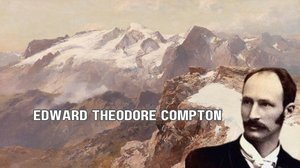
Edward Theodore Compton
1849 - 1921 , Regno Unito
Informazioni rapide
- Artistic Movement Or Style: Arte alpina
- Artists Who Influenced This Artist:
- Claude Monet
- Pierre-Auguste Renoir
- Date Of Birth: 1849
- Date Of Death: 1921
- Full Name: Edward Theodore Compton
- Nationality: Inglese
- Notable Artworks:
- Deutsch Im Wald von Valdoniello
- Deutsch Grohmannspitze und (rechts) Fünffingerspitzen
- Place Of Birth: Stoke Newington, Londra