
() ·
A painting made for you, by hand
Riproduzione a olio fatta a mano
Olio su tela dipinto a mano nelle tue dimensioni e con la tua cornice, realizzato su ordinazione dai nostri artisti. ( Passa alle stampe Passa all'immagine digitale)
Descrizione del reperto
Discover 'Frederick Shum' by Edward Newling (1920). A stunning oil portrait of an elderly gentleman in formal attire. Realistic style, rich textures & classic composition. Ideal for art collectors.
Biografia dell'artista
Edward Newling (1890-1964) was a British artist renowned for his portraits of WWI heroes & nobility. Explore his paintings of figures like Albert Ball & McCudden.
 Espandi i dettagli
from ·
Chapter 1
How large should it be?
Slide to change the size; the picture on the left shows the frame at its real width. The proportions of the original are kept.
Scegli tra le nostre dimensioni predefinite, che rispettano le proporzioni originali dell'opera d'arte.

Inserisci la larghezza e l'altezza desiderate, per adattarle alla tua cornice o alla tua parete. Trattandosi di un'opera dipinta a mano, in caso di dimensioni con un formato differente, l'artista può estendere leggermente il dipinto oltre i bordi dell'immagine o ritagliare una piccola parte — la scelta spetta a te. Ti invieremo un mockup digitale da approvare prima che la realizzazione abbia inizio. L'immagine mostrata in questa pagina non rappresenta il risultato finale — solo il mockup lo fa.
Chapter 2
How should it arrive?
Choose the edges of the stretched canvas
Choose your frame

White €1

Blurside €1

Extended €1

P118B €10

P118H €10

P118W €10

P438Z €10

P508JH €12

P508YH €12

P805H €10

P805Z €10

P919BZ €10

P919G €10

P919XJ €10

P959ZH €10

P968JZ €12

W106C €8

W218G €10

W218JH €8

W218Y €10

W307PJ €10

W316G €10

W316PJ €8

W316Y €10

W398PJ €8

W4111J €10

W500HY €15

W500JH €15

W692G €12

W849H €8

W940BG €15

W953PJ €8

H24-GOLD €30

H24-SILVER €30

H36-GOLD €45

H36-SILVER €45
Con cornice
Moulding: . Overall size with the frame: .
Chapter 3
Who paints it, and should anything change?
After order, OriginalUniqueArt.com team will email client for instructions and provide a mockup preview
Consegna in tutto il mondo () in 3/4 settimane anziché nelle normali 5 settimane. (30 Ottobre). Nessun compromesso sulla qualità.
Chapter 4
The finishing touches
A nameplate, as in a museum?
Dettagli della targhetta in bronzo inciso
This elegant plaque features the artist's name and the title of the artwork, finely engraved for a timeless presentation.
It is made from bronze with a refined, elegant finish. The text is precisely laser-engraved for a sharp and permanent result. Measuring 9x2 cm, the plaque is compact yet easy to read. It's built to be durable and scratch-resistant, offering a professional, museum-quality look. Mounting is simple thanks to the included adhesive backing.
Dettagli della targhetta in acrilico trasparente
The plaque includes essential engraved details such as the artist's name, the title of the artwork, the date it was created, the type of media used-like oil on canvas or watercolor-a brief description of the piece, and a QR code that links to the complete artwork information.
It is crafted from clear acrylic, offering a sleek, modern appearance. The text is UV-engraved in black to ensure strong visual contrast. With a size of 10x15 cm, it ensures optimal readability. It comes equipped with two metal hooks for secure wall mounting. The plaque is designed to be weather-resistant, making it suitable for various environments, and it includes interactive features that work seamlessly with smartphone scanning.
Dettagli della targhetta in acrilico nero
This elegant plaque includes engraved information such as the artist's name, the title of the artwork, the date it was created, the type of media used (like oil on canvas or watercolor), a short description of the artwork, and a QR code for quick access to more information.
The plaque itself is made from refined black acrylic with a premium finish. The text is laser-engraved in white for high contrast and readability. Its size is 10x15 cm, designed to be easy to read. It comes with two metal hooks for professional mounting. The design is sleek and fits any interior style. It is also weather-resistant and durable, with built-in digital integration for mobile compatibility.
A protective varnish?
When do you need it?
Chapter 5
Your painting, as you ordered it

Frederick Shum
Tecnica di riproduzione
Dimensioni riproduzione
-

Artisti di alto livello
Maggiore dettaglio, finezza e tempi di produzione dedicati
-

Cornice per riproduzione
-
-
Per opere d'arte o riproduzioni con un lato superiore a 105 cm (circa 41 pollici), la cornice verrà spedita in forma di kit smontato. Questo metodo garantisce una consegna sicura e previene danni durante il trasporto.
Montaggio professionale richiesto - non è un prodotto fai-da-te.
Il kit deve essere assemblato e la tela tesa da un esperto cornice professionista, utilizzando colla per legno (non inclusa), una pinza per tendere la tela e morsetti per mantenere i listelli in squadra durante l'asciugatura della colla. Un montaggio errato o una tensione non uniforme della tela possono danneggiare permanentemente l'opera d'arte e non sono coperti dalla nostra garanzia.
 Per opere d'arte o riproduzioni con un lato superiore a 105 cm (circa 41 pollici), la cornice verrà spedita in forma di kit smontato. Questo metodo garantisce una consegna sicura e previene danni durante il trasporto.
Tutte le barre in legno massello sono incluse, tagliate con precisione alle dimensioni corrette.
Da assemblare con le viti fornite e con la colla per legno per gli incastri degli angoli, che non è inclusa e dovrà essere reperita dal vostro corniceio.
Sono necessari strumenti professionali non inclusi: una pinza tendicanvas (tenditore) e dei morsetti per mantenere i listelli in squadra durante l'asciugatura della colla.
Importante:
Gli incastri d'angolo richiedono colla per legno, i listelli devono essere mantenuti in posizione con dei morsetti finché la colla non è completamente asciutta, e il tensionamento della tela sulla cornice assemblata richiede una pinza per tendere la tela. Nessuno di questi strumenti è incluso nel kit. Si prega di consultare un incorniciatore professionista esperto prima di ordinare questa misura.

Didascalia
-
-

Vernice protettiva
Vernice lucida (esalta i colori, protegge da luce e umidità)
-

Personalizza la mia opera
Esempi di personalizzazione: sostituire il volto con una foto del cliente; aggiungere un animale domestico (ad esempio, sostituire un gatto con un cane); inserire un messaggio nascosto nello sfondo; cambiare il paesaggio o gli elementi dello sfondo.
-

Consegna rapida
Consegna in tutto il mondo () in 3/4 settimane anziché nelle normali 5 settimane. (30 Ottobre). Nessun compromesso sulla qualità.
-
Spedizione espressa
Spedizione in tutto il mondo () in 5 settimane. (6 Novembre).
Spedizione inclusa
Prezzo finale calcolato
€ 265
L'opzione vetro è disponibile solo per dimensioni inferiori a 110 cm
Included with every order
- Spedizione espressa gratuita in tutto il mondo
- Tela in lino di alta qualità
- Assicurazione completa sulla spedizione
- Garanzia di rimborso dei dazi doganali
- Garanzia di fedeltà cromatica assoluta
- Politica di reso entro 100 giorni (solo per difetti di fabbricazione)
- Garanzia di rimborso al 100%
- Offerta per acquisti multipli


 Anteprima in scala reale
 Invia
Invia Condividi
 Dettagli opera
 Guida
Guida

 Scarica
 Simili
 Radiografia
 Slideshow
 Q&A
Q&A Statistiche
In numbers
- 1920the year it was painted
- 29frames to choose from
- standard sizes, in its own proportions
- 5weeks to paint and deliver it
About the original
 Contemporary Realism
 1920
1920 101.0 x 75.0 cm
 Galleria d’Arte Victoria
Quest'opera è protetta da copyright
L'opera d'arte visualizzata in questa pagina è protetta dalle leggi sul diritto d'autore, il che significa che non possiamo legalmente creare o vendere una riproduzione identica. Tale protezione è garantita da accordi internazionali quali la Convenzione di Berna e dalle leggi nazionali, incluse quelle stabilite da Legge sul copyright degli Stati Uniti - Titolo 17. Tutti i diritti riservati. Le immagini presenti su questo sito sono protette da copyright e non possono essere riprodotte o utilizzate senza l'autorizzazione scritta di WahooArt.com o dei rispettivi proprietari del copyright.
Come alternativa rispettosa e legale, offriamo opere d'arte personalizzate e dipinte a mano, ispirate all'originale. I nostri artisti esperti e professionisti studiano con cura lo stile, l'atmosfera e l'essenza artistica dell'opera originale per creare un pezzo nuovo e unico che evochi la stessa emozione, pur rimanendo una creazione originale a pieno titolo.
Questo metodo è pienamente conforme alle normative sul diritto d'autore poiché non prevede la copia o la duplicazione dell'opera protetta. Si tratta invece di una rielaborazione creativa: un nuovo dipinto che trae ispirazione dall'originale, senza tuttavia esserne identico.

Edward Newling
1890 - 1964
Quick facts about Edward Newling
- Full Name: Edward Newling
- Nationality: British
- Date Of Birth: 1890
- Date Of Death: 1964
- Place Of Birth: WahooArt
- Notable Artworks:
- Albert Ball
- McCudden
- Artistic Movement Or Style: Portraiture
Biografia dell'artista
The Painter of Victorian Valor: The Life and Legacy of Edward Newling
Edward Newling (1890-1964) stands as a quietly significant figure in 20th-century British art, primarily remembered for his evocative and dignified portraits of WWI heroes and members of the aristocracy. Born in Melbourne, Australia, in 1890, he later relocated to England, establishing himself as a respected artist specializing in capturing the solemnity and inherent dignity of those who served their country during a period of immense national upheaval. His work offers a poignant glimpse into the Victorian sensibilities that persisted even amidst the horrors of modern warfare, blending traditional portraiture techniques with an understated emotional depth.
Newling’s artistic journey began with a formal education in art, though details remain somewhat sparse. He honed his skills primarily through self-study and observation, developing a distinctive style characterized by meticulous detail, subtle tonal gradations, and a remarkable ability to convey both physical presence and inner character. Unlike many of his contemporaries who embraced the bold brushstrokes and expressive distortions of modernism, Newling remained firmly rooted in academic traditions, favoring a controlled and refined approach that lent an air of timelessness to his subjects. His portraits were not flamboyant celebrations; they were quiet meditations on duty, sacrifice, and the weight of experience.
A Mastery of Character and Tradition
The essence of Newling's oeuvre revolves around his profound depictions of military figures, particularly those involved in the First World War. He produced a substantial body of work featuring legendary aviators such as Albert Ball, a Royal Flying Corps officer whose tragic death during a training flight left a void in the hearts of many, and McCudden, another celebrated pilot of the era. These portraits are far more than mere likenesses; they are imbued with a profound sense of respect and sorrow. Newling meticulously researched his subjects, often obtaining photographs and personal accounts to ensure an accurate representation of their character and the gravity of their service.
Beyond the battlefield, Newling’s talent extended to the depiction of the British upper echelons, capturing the essence of the aristocracy with a similar level of reverence. His ability to render textures—from the crispness of a military uniform to the soft folds of formal attire—demonstrates his technical prowess. Notable works such as Sir Arbuthnot Lane and Frederick Shum showcase his capacity for realism and his skill in creating compositions that feel both intimate and monumental.
Historical Significance and Artistic Impression
The historical significance of Edward Newling lies in his role as a visual chronicler of an era defined by transition. As the world moved away from the structured certainties of the Victorian age into the fragmented reality of the modern era, Newling’s art provided a sense of continuity. His work serves as a bridge, preserving the dignity of a vanishing social order and the heroism of those who faced the unprecedented challenges of the early 20th century.
To study Newling's collection is to encounter a legacy of:
- Academic Precision: A commitment to the classical techniques of portraiture that eschewed the fleeting trends of modernism.
- Emotional Resonance: The ability to translate historical tragedy into deeply moving, humanized imagery.
- Historical Documentation: Providing a vital visual record of key figures in British military and social history.
Ultimately, Newling’s contribution to the art world is found in his restraint. By avoiding the sensationalism of his age, he created works that possess an enduring, quiet power, ensuring that the faces of the past remain etched in the collective memory with all their original grace and solemnity.
Articoli correlati
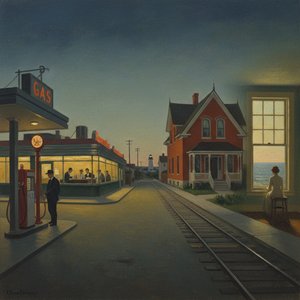
Edward Hopper: Le 25 Opere Iconiche che Definiscono l'America Moderna | OriginalUniqueArt
Esplora le 25 opere iconiche di Edward Hopper, il maestro del realismo americano. Scopri la luce, la solitudine e l'atmosfera unica dei suoi quadri più famosi. Stampe d'arte e riproduzioni su OriginalUniqueArt.com per arredare casa con stile. Esplora la collezione online!

L’Essenza dell’Olio su Tela: Storia, Tecnica e l'Incorruttibile Bellezza dei Grandi Maestri
Scopri i segreti tecnici e la storia della pittura a olio tra maestria e scienza. Approfondisci l'arte dei grandi maestri ora.

The Enduring Power of Painting: A Historical & Contemporary Exploration of Form and Emotion
Explore the rich history & enduring techniques of oil painting with OriginalUniqueArt. Discover masterpieces, learn about art collecting, and find authentic handmade reproductions crafted by skilled artists.

L'Eredità Duratura della Pittura a Olio: Tecnica, Storia e Pratica Contemporanea
Esplora la storia affascinante e le tecniche della pittura a olio. Scopri come i maestri hanno creato capolavori senza tempo e come questa arte vive oggi. : riproduzioni di alta qualità e consulenza esperta.