
 Anteprima in scala reale
 Invia
Invia Condividi
 Dettagli opera
 Guida
Guida

 Scarica
 Simili
 Radiografia
 Slideshow
 Domande e risposte
 Statistiche
Road near Galle, Ceylon

- 38.0 x 24.0 cm


 Espandi i dettagli
Giclée / Stampe d'arte
Stampa giclée o su tela di qualità museale, con produzione rapida e diverse opzioni di finitura. ( Acquista il dipinto realizzato a mano Passa all'immagine digitale)




P118B €10

P118H €10

P118W €10

P438Z €10

P508JH €12

P508YH €12

P805H €10

P805Z €10

P919BZ €10

P919G €10

P919XJ €10

P959ZH €10

P968JZ €12

W106C €8

W218G €10

W218JH €8

W218Y €10

W307PJ €10

W316G €10

W316PJ €8

W316Y €10

W398PJ €8

W4111J €10

W500HY €15

W500JH €15

W692G €12

W849H €8

W940BG €15

W953PJ €8




Scegli tra le nostre dimensioni predefinite, che rispettano le proporzioni originali dell'opera d'arte.

Inserisci la larghezza e l'altezza desiderate, per adattarle alla tua cornice o alla tua parete. Una stampa può essere solo ritagliata, mai resa più grande dell'immagine originale; pertanto, un formato con una forma differente comporterà la perdita di una parte dell'opera. Ti invieremo un mockup digitale da approvare prima di procedere con la stampa. L'immagine mostrata in questa pagina non rappresenta il ritaglio reale — solo il mockup lo mostra.
Consegna in tutto il mondo () in 2 settimane invece delle normali 4/5 settimane. (7 Novembre)

Spedizione espressa gratuita in tutto il mondo

Tela in lino di alta qualità

Assicurazione completa sulla spedizione

Garanzia di rimborso dei dazi doganali

Garanzia di fedeltà cromatica assoluta

Politica di reso entro 100 giorni (solo per difetti di fabbricazione)

Garanzia di rimborso al 100%

Offerta per acquisti multipli
 L'opzione vetro è disponibile solo per dimensioni inferiori a 110 cm

Road near Galle, Ceylon
Giclée / Stampe d'arte
Dimensioni riproduzione
-


Prezzo finale calcolato
€ 72
A Glimpse of Ceylon’s Soul: Edward Lear's “Road Near Galle, Ceylon”
Edward Lear’s “Road Near Galle, Ceylon,” painted in 1879, isn’t merely a depiction of a tropical landscape; it’s a carefully constructed window into the heart of late Victorian Sri Lanka. More than just a picturesque scene, this oil painting embodies a profound sense of observation and quiet contemplation – qualities deeply rooted in Lear's own life experiences and artistic sensibilities. The image transports us to a moment suspended in time, capturing not just the physical beauty of the region but also an atmosphere of gentle serenity and understated dignity. It’s a testament to Lear’s ability to distill complex emotions into a single, evocative composition.The Scene Unfolds: A Vibrant Tapestry of Life
The painting immediately draws the eye to a small group of figures traversing a dusty dirt road that snakes its way through a lush, palm-dominated landscape. These aren’t grand heroes or dramatic events; instead, they represent everyday life – men and women engaged in simple activities: some pausing for rest, others continuing their journey with purposeful strides. Their attire, rendered in warm, earthy tones, speaks to the practicality of rural existence while simultaneously hinting at a vibrant local culture. The backdrop is dominated by towering palm trees, their fronds reaching skyward, creating a sense of depth and scale that emphasizes the vastness of the Ceylon landscape. The light itself – a rich, golden hue – seems to bathe the scene in an eternal afternoon glow, lending it a timeless quality. Lear masterfully uses color to create a harmonious balance between the vibrant greens of the foliage and the warm browns and ochres of the road and figures, evoking a feeling of warmth and tranquility.Lear’s Technique: A Delicate Balance of Observation and Impression
Examining the painting's technique reveals Lear’s meticulous approach to capturing light and atmosphere. He employs a broken brushstroke style, layering thin washes of color to build up form and texture with remarkable subtlety. This method allows for a luminous quality, particularly evident in the dappled sunlight filtering through the palm fronds. The artist’s attention to detail is striking – from the individual folds of fabric on the figures' clothing to the intricate patterns of the foliage – yet he avoids overly precise rendering, instead favoring an impressionistic approach that captures the essence of the scene rather than a photographic likeness. The use of color is particularly noteworthy; Lear doesn’t shy away from bold hues but skillfully blends them to create a sense of depth and realism. The painting's overall effect is one of quiet beauty and understated elegance, reflecting Lear’s own artistic philosophy.Symbolism and Context: A Window into Victorian Sri Lanka
“Road Near Galle, Ceylon” offers more than just a visual pleasure; it provides a glimpse into the social and cultural context of late 19th-century Sri Lanka during the British colonial period. Lear’s depiction of everyday life—the simple routines of the villagers—reflects a nuanced understanding of the region's diverse population. The painting can be interpreted as a celebration of Ceylon’s natural beauty and its people, while subtly acknowledging the presence of foreign influence. Lear himself was a keen observer of human nature and a master of capturing fleeting moments of emotion in his art. His own experiences with illness and isolation likely informed his ability to imbue his paintings with a sense of melancholy and introspection. The painting’s title itself—"Road Near Galle, Ceylon"—suggests a deliberate focus on the journey, both literal and metaphorical, that defines human existence.Bringing Lear's Vision Home: Reproductions and Artistic Legacy
Today, “Road Near Galle, Ceylon” stands as a testament to Edward Lear’s artistic genius. High-quality reproductions offer an accessible way to experience the painting’s beauty and evoke its evocative atmosphere. Whether displayed in a living room, study, or gallery, this artwork invites contemplation and offers a connection to a bygone era. Consider framing options that complement the painting's rich colors and textures – a natural linen canvas would be particularly fitting, allowing the artwork to truly shine. Explore various sizes to find one that best suits your space and aesthetic preferences. By investing in a reproduction of “Road Near Galle, Ceylon,” you’re not simply acquiring an image; you’re inheriting a piece of art history—a window into the soul of Ceylon and the perceptive eye of Edward Lear.Domande e risposte
In che anno è stata realizzata l'opera "Road near Galle, Ceylon" di Edward Lear e a quale movimento appartiene?
"Road near Galle, Ceylon" è stata creata nel 1879 ed appartiene al movimento Romanticism. La data e il movimento collocano l'opera nel contesto della storia dell'arte.
Chi ha creato "Road near Galle, Ceylon" e in quale stile è realizzato?
Edward Lear ha creato "Road near Galle, Ceylon" all'interno del movimento Romanticism.
Chi ha creato "Road near Galle, Ceylon" e in quale anno?
Edward Lear ha realizzato "Road near Galle, Ceylon" nel 1879.
Biografia dell'artista
La Vita e la Carriera di Edward Lear
Edward Coley Burne-Jones (1812-1888), artista, illustratore, musicista, autore e poeta inglese, nacque il 12 maggio 1812 a Holloway, nel nord di Londra. Figlio penultimo di una famiglia numerosa composta da ben 21 figli, la vita di Lear fu segnata dall'inizio precoce della sua carriera all'età di soli 15 anni. Suo padre, Jeremiah Lear, un broker finanziario, affrontò difficoltà economiche dopo le guerre napoleoniche, portando a una riduzione delle finanze familiari e alla necessità per Lear di mantenersi da solo in giovane età.Contributi Artistici
I contributi artistici di Lear sono molteplici:- Illustrazioni di uccelli e animali: impiegato dalla Zoological Society, i primi lavori di Lear esposero la sua abilità nell'illustrare uccelli e animali.
- Pittura paesaggistica: dopo i suoi estesi viaggi in Europa e Asia, Lear si dedicò alla pittura paesaggistica, catturando l'essenza di queste regioni nelle sue opere.
- Autore e poeta: la fama di Lear risiede nella sua poesia nonsense, nei limerick e nelle poesie umoristiche, come si può vedere nei suoi libri "A Book of Nonsense" (1846), "Nonsense Songs" (1871) e "Laughable Lyrics" (1877).
- Composizioni musicali: Lear compose musiche per poesie di Alfred Tennyson, con dodici opere pubblicate.
Opere Notabili e Eredità
Alcune delle opere più notevoli di Lear includono:- The Owl and the Pussycat, una poesia che è diventata sinonimo del suo stile.
- The Dong with the Luminous Nose, che mostra il suo approccio fantastico alla poesia.
- Illustrazioni della famiglia di Psittacidae, o pappagalli (1830), la sua prima pubblicazione all'età di 19 anni.
Musei e Collezioni
Le opere di Lear possono essere ammirate in vari musei, tra cui:- Il Museo Ashmolean di Oxford, che espone il suo dipinto a olio "The Plains of Lombardy from Monte Generoso".
- Altre collezioni notevoli e musei che presentano l'arte di Lear possono essere trovati nel vasto database di OriginalUniqueArt.com.

Edward Lear
1812 - 1888 , Regno Unito
Dettagli rapidi
- Data Di Nascita: 12 maggio 1812
- Luogo Di Nascita: Londra, Regno Unito
- Movimento Artistico O Stile: Romanticismo, Nonsense
- Nazionalità: Britannico
- Nome Completo: Edward Lear
- Opere Notevoli:
- L'allodola e il gatto
- Il dong con il naso luminoso
- Illustrazioni di Psittacidi
Articoli correlati

I 25 capolavori di John Constable: la poesia della natura inglese
Scopri i 25 capolavori di John Constable e il Romanticismo inglese. Esplora la collezione su OriginalUniqueArt.com.

Evocations of Place: A Historical Journey Through Landscape Art
Explore the rich history of landscape art with OriginalUniqueArt. Discover renowned artists, movements like Impressionism & Romanticism, and expert guidance for collecting timeless pieces. Find your perfect serene escape today!

I 10 Capolavori del Paesaggio Romantico: Arte, Storia e Decorazioni di Lusso
Esplora i 10 capolavori del Paesaggio Romantico con OriginalUniqueArt.com! Caspar David Friedrich, Turner e altri maestri: storia, tecnica e colori che definiscono un'epoca. Trova riproduzioni d'arte di lusso per la tua casa. Scopri la collezione completa online!

Evocations of Place: A Historical Journey Through Landscape Art
Explore the rich history of landscape art with OriginalUniqueArt. Discover renowned artists, movements like Impressionism & tonalism, and expert guidance for collecting timeless pieces. Find your perfect serene escape today!
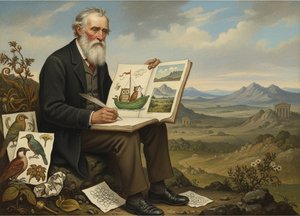
Edward Lear: Oltre il Nonsense – Paesaggio, Illustrazione e la Poetica dell'Isolamento
Esplora la vita e l'opera di Edward Lear, il maestro del Nonsense. Analisi approfondita dei suoi viaggi in Calabria, delle illustrazioni innovative e della poetica dell'isolamento che permea la sua arte.


