

 Anteprima in scala reale
 Invia
Invia Condividi
 Dettagli opera

 Scarica immagine
 Simili
 Radiografia
 Slideshow
Soir bleu


 Espandi i dettagli
Giclée / Stampe d'arte
Stampa giclée o su tela di qualità museale, con produzione rapida e diverse opzioni di finitura. ( Acquista il dipinto realizzato a mano Acquista immagine)




P118B $10

P118H $10

P118W $10

P438Z $10

P508JH $12

P508YH $12

P805H $10

P805Z $10

P919BZ $10

P919G $10

P919XJ $10

P959ZH $10

P968JZ $12

W106C $8

W218G $10

W218JH $8

W218Y $10

W307PJ $10

W316G $10

W316PJ $8

W316Y $10

W398PJ $8

W4111J $10

W500HY $15

W500JH $15

W692G $12

W849H $8

W940BG $15

W953PJ $8




Scegli tra le nostre dimensioni predefinite, che rispettano le proporzioni originali dell'opera d'arte.

È possibile inserire dimensioni personalizzate per adattare l'opera a una cornice o a uno spazio specifico. Se la dimensione selezionata non corrisponde alle proporzioni dell'immagine originale, procederemo al ritaglio dell'opera o all'estensione dell'immagine con un bordo specchiato o a tinta unita. Un mockup digitale ti verrà inviato per approvazione prima dell'inizio della produzione.
Si prega di notare che l'anteprima a schermo non riflette il ritaglio o l'estensione effettivi. Solo il mockup mostrerà accuratamente la composizione finale.
Sebbene siano disponibili dimensioni personalizzate, si raccomanda di selezionare una dimensione dall'elenco predefinito per preservare le proporzioni originali.
Consegna in tutto il mondo () in 2 settimane invece delle normali 4/5 settimane. (27 Agosto)

Spedizione espressa gratuita in tutto il mondo

Tela in lino di alta qualità

Assicurazione completa sulla spedizione

Garanzia di rimborso dei dazi doganali

Garanzia di fedeltà cromatica

Politica di reso entro 60 giorni (solo per difetti di fabbricazione)

Garanzia di rimborso al 100%

Offerta per acquisti multipli
 L'opzione vetro è disponibile solo per dimensioni inferiori a 110 cm

Soir bleu
Giclée / Stampe d'arte
Dimensioni riproduzione
-


Prezzo totale calcolato
$ 80
A Quietude in Monochrome: The Soul of Soir Bleu
In the vast canon of American modernism, few moments capture the profound stillness of urban existence as poignantly as Edward Hopper’s Soir Bleu. Painted in 1914, this evocative black and white composition serves as a hauntingly beautiful window into a New York café, frozen in a state of perpetual twilight. While many associate Hopper with the vibrant, cinematic light of his later oil paintings, Soir Bleu relies on a masterful command of tonal gradations to tell its story. It is not merely a depiction of a restaurant interior; it is a meditation on the invisible threads that connect—and simultaneously isolate—us within the bustling machinery of the city. The scene presents a collection of figures seated at tables, their presence felt through the weight of their silence rather than the volume of their speech. Through this lens, Hopper invites the viewer to step into a space where time seems to suspend itself, offering a rare opportunity for quiet contemplation amidst the chaos of modern life.
The composition is a delicate dance of light and shadow, showcasing the artist's early mastery of atmosphere over mere photographic accuracy. Though rooted in the Impressionistic traditions of artists like Monet, Hopper’s vision here is distinctly more structural and introspective. He utilizes flattened planes and subtle shifts in grey to define the geometry of the café—the sharp lines of chairs, the reflective surfaces of glassware, and the heavy presence of bottles and vases. The light does not simply illuminate; it sculpts the scene, casting long, melancholic shadows that stretch across the tables like unspoken thoughts. This deliberate manipulation of luminance creates a dramatic interplay between the visible and the obscured, where the faces of the patrons often remain partially veiled, heightening the sense of detachment and the enigmatic nature of the human experience.
The Architecture of Solitude and Symbolism
Beyond its technical brilliance, Soir Bleu functions as a profound symbolic study of modern alienation. The objects scattered across the tables—wine glasses, cups, and bowls—act as silent witnesses to a shared social ritual that feels strangely solitary. There is a palpable tension in the way the figures are arranged; though they occupy the same physical space, each person appears locked within their own internal monologue. This "architecture of solitude" is what makes Hopper’s work so enduringly relevant for the contemporary collector and interior designer alike. The painting captures that specific, modern ache: the feeling of being alone in a crowd. By stripping away color, Hopper removes the distractions of the physical world, leaving behind only the emotional essence of the moment—a raw, monochromatic truth about the human condition.
For those looking to integrate such a profound piece into a curated space, Soir Bleu offers an unparalleled emotional depth. As a high-quality reproduction, it brings a sense of sophisticated stillness to any room, acting as a focal point that encourages reflection rather than mere observation. Whether placed in a minimalist contemporary gallery or a classic study, the painting’s ability to evoke both intimacy and distance makes it a versatile masterpiece. It is an investment in atmosphere, providing a window into the dawn of modern consciousness and a permanent reminder of the beauty found in life's quietest, most solitary intervals.
Biografia dell'artista
**primi anni di vita e influenze**
Edward Hopper, un illustre pittore e incisore realista americano, nacque il 22 luglio 1882 a Upper Nyack, New York. La sua famiglia, di origine prevalentemente olandese, gli offrì una crescita confortevole che permise di coltivare le sue inclinazioni artistiche fin da giovane. - **Ispirazioni:** L'opera di Hopper fu influenzata dalle opere di Ralph Waldo Emerson e dai maestri impressionisti francesi Édouard Manet ed Edgar Degas. - **Formazione iniziale:** Iniziò gli studi artistici con un corso per corrispondenza nel 1899, per poi trasferirsi alla New York School of Art and Design.**Stile artistico e temi**
Edward Hopper's rappresentazioni spare e accuratamente calcolate riflettevano la sua visione personale della vita americana moderna. La sua opera può essere caratterizzata da: - **Scenari urbani e rurali:** Entrambi gli ambienti venivano raffigurati con un mix unico di realismo ed emozione profonda. - **Luce:** Una maestria nella luce, spesso usata per evocare sentimenti di isolamento o contemplazione. - **Figure:** Spesso senza volto o sullo sfondo, enfatizzando l'ambiente rispetto alle figure.**Opere notevoli e il loro significato**
- House by the Railroad (Museum of Modern Art, New York, United States), un esempio della capacità di Hopper di evocare un senso di malinconia attraverso una composizione semplice ma potente. - Reclining Nude (50 x 35 cm, New Realism, Watercolour), che dimostra la sua versatilità nel catturare la figura umana.**Eredità e influenza**
- **Influenza su artisti futuri:** Lo stile unico di Hopper ha influenzato numerosi artisti, tra cui Pierre Sanford Ross, noto per i suoi scenari urbani e rurali. - **Popolarità duratura:** Le sue opere continuano a catturare il pubblico con i loro temi senza tempo della solitudine e dell'essere umano.**Esplora di più su OriginalUniqueArt**
- [https://OriginalUniqueArt.com/@/edward-hopper](Edward Hopper's artworks) - /it/art/show/art-8xyffg-it/Buy art inspired by the masters)- Esplora il mondo dell'arte con la vasta collezione di OriginalUniqueArt.
- Scopri come l'eredità di Edward Hopper continua a ispirare artisti e amanti dell'arte.
**Riferimenti**
- [https://OriginalUniqueArt.com/@/edward-hopper](Wikipedia: Edward Hopper) - [https://en.wikipedia.org/wiki/edward_hopper](Wikipedia: Edward Hopper's biography)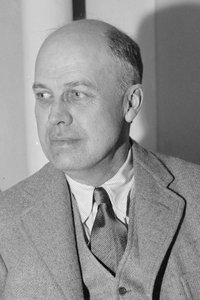
Edward Hopper
1931 - 1967 , Stati Uniti d'America
Dati rapidi
- Artisti Influenti:
- Ralph Waldo Emerson
- Édouard Manet
- Edgar Degas
- Artisti Influenzati: ['Pierre Sanford Ross']
- Data Di Nascita: 22 luglio 1882
- Luogo Di Nascita: Upper Nyack, Stati Uniti
- Movimento Artistico: Realismo americano
- Nazionalità: Americana
- Nome Completo: Edward Hopper
- Opere Notevoli:
- House by the Railroad
- Nighthawks
- Gas
- Chop Suey
- Summertime
Articoli correlati

Bianco Sublime: I 10 Dipinti Più Famosi Dominati dal Colore Bianco | .it
Esplora i 10 dipinti più celebri dominati dal bianco, da Monet a Malevich. Scopri la storia, le tecniche e l'impatto di queste opere iconiche. Trova stampe su tela e riproduzioni d'arte di alta qualità per decorare casa con stile su .

I 10 Dipinti Più Famosi Dominati dal Nero: Maestri e Storie d'Arte
Esplora i 10 dipinti più iconici dominati dal nero, da Caravaggio a Munch. Scopri storie, tecniche e il potere espressivo di artisti come Rembrandt e Goya. Trova stampe d'arte di alta qualità per la tua casa su .
Shadow & Soul: Why Black & White Photography Remains the Ultimate Power Move in Modern Art
Discover why black & white photography remains a powerful force in contemporary art. Explore the impact of light, shadow, and texture through a visual journey of monochrome mastery and learn how to elevate your space with timeless grayscale aesthetics.

Monochrome Visions: Exploring the Aesthetic & Historical Significance of Black & White Photography
Explore the rich history & artistic power of black and white photography. From early techniques to iconic masters like Ansel Adams, discover why monochrome continues to captivate art lovers today. Expert insights for collectors.
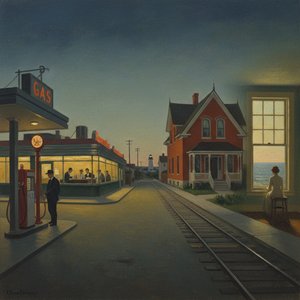
Edward Hopper: Le 25 Opere Iconiche che Definiscono l'America Moderna | OriginalUniqueArt
Esplora le 25 opere iconiche di Edward Hopper, il maestro del realismo americano. Scopri la luce, la solitudine e l'atmosfera unica dei suoi quadri più famosi. Stampe d'arte e riproduzioni su OriginalUniqueArt.com per arredare casa con stile. Esplora la collezione online!



