Anteprima in scala reale
 Condividi
 Condividi
 Dettagli
 Guida stampabile

 Scarica
 Articoli simili
 Radiografia
 Slideshow
 Statistiche
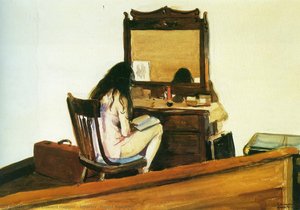
Eleven AM


 Leggi tutto
L'opera d'arte visualizzata in questa pagina è protetta dalle leggi sul diritto d'autore, il che significa che non possiamo legalmente creare o vendere una riproduzione identica. Tale protezione è garantita da accordi internazionali quali la Convenzione di Berna e dalle leggi nazionali, incluse quelle stabilite da Legge sul copyright degli Stati Uniti - Titolo 17. Tutti i diritti riservati. Le immagini presenti su questo sito sono protette da copyright e non possono essere riprodotte o utilizzate senza l'autorizzazione scritta di WahooArt.com o dei rispettivi proprietari del copyright.
Questo metodo è pienamente conforme alle normative sul diritto d'autore poiché non prevede la copia o la duplicazione dell'opera protetta. Si tratta invece di una rielaborazione creativa: un nuovo dipinto che trae ispirazione dall'originale, senza tuttavia esserne identico.
Giclée / Stampe d'arte
Stampa giclée o su tela di qualità museale, con produzione rapida e diverse opzioni di finitura. ( Ordina la riproduzione dipinta a mano Passa all'immagine digitale)




P118B €10

P118H €10

P118W €10

P438Z €10

P508JH €12

P508YH €12

P805H €10

P805Z €10

P919BZ €10

P919G €10

P919XJ €10

P959ZH €10

P968JZ €12

W106C €8

W218G €10

W218JH €8

W218Y €10

W307PJ €10

W316G €10

W316PJ €8

W316Y €10

W398PJ €8

W4111J €10

W500HY €15

W500JH €15

W692G €12

W849H €8

W940BG €15

W953PJ €8




Scegli tra le nostre dimensioni predefinite, che rispettano le proporzioni originali dell'opera d'arte.

Inserisci la larghezza e l'altezza desiderate, per adattarle alla tua cornice o alla tua parete. Una stampa può essere solo ritagliata, mai resa più grande dell'immagine originale; pertanto, un formato con una forma differente comporterà la perdita di una parte dell'opera. Ti invieremo un mockup digitale da approvare prima di procedere con la stampa. L'immagine mostrata in questa pagina non rappresenta il ritaglio reale — solo il mockup lo mostra.
Consegna in tutto il mondo () in 2 settimane invece delle normali 4/5 settimane. (20 Ottobre)

Spedizione espressa gratuita in tutto il mondo

Tela in lino di alta qualità

Assicurazione completa sulla spedizione

Garanzia di rimborso dei dazi doganali

Garanzia di perfetta fedeltà cromatica

Politica di reso entro 100 giorni (solo per difetti di fabbricazione)

Garanzia di rimborso al 100%

Sconto per acquisti multipli
 L'opzione vetro è disponibile solo per dimensioni inferiori a 110 cm

Eleven AM
Giclée / Stampe d'arte
Dimensioni della riproduzione
-


Prezzo totale
€ 70
A Quiet Moment of Urban Solitude: Exploring Edward Hopper’s “Eleven AM”
Edward Hopper, a master of American realism, possessed an uncanny ability to distill the essence of modern life – its quiet desperation, its pervasive loneliness, and its fleeting moments of beauty – onto canvas. “Eleven A.M.”, painted in 1926, is a particularly poignant example of this skill. The painting depicts a solitary woman seated by a window, bathed in a soft yet revealing light that seems to simultaneously illuminate and isolate her. It’s not a scene of dramatic action, but rather one of profound stillness, inviting the viewer into an intimate contemplation of interiority and the human condition.
The composition is deceptively simple: a woman in a blue armchair, positioned near a window that offers a glimpse of the world outside. However, it’s within this simplicity that Hopper's genius resides. The room itself is modestly furnished – a dresser, a framed picture, and a lamp all contribute to a sense of everyday life, yet they also underscore the woman’s isolation. She isn’t actively engaged with her surroundings; instead, she appears lost in thought, her gaze directed outwards but seemingly unfocused. The careful arrangement of objects within the room doesn’t feel cluttered or busy, but rather deliberately sparse, emphasizing the emptiness that surrounds the figure. Hopper masterfully uses light and shadow to sculpt the form of the woman and define the space around her, creating a dramatic contrast that draws the eye and heightens the emotional impact.
The Language of Light and Shadow: Hopper’s Technical Brilliance
Hopper's technique in “Eleven A.M.” is characterized by a meticulous attention to detail and a masterful command of oil paint. His brushstrokes are relatively smooth, creating a realistic depiction of form and texture. The light streaming through the window isn’t merely illumination; it’s a character in itself, shaping the mood and revealing subtle nuances of emotion. Notice how the light catches on the woman's skin, highlighting her vulnerability, while simultaneously casting deep shadows that suggest a sense of melancholy or introspection. The color palette is restrained – blues, browns, and muted reds dominate the scene – further contributing to the painting’s somber atmosphere. This isn’t a vibrant, celebratory depiction of life; it’s a quiet, introspective study of human emotion.
Echoes of Modern Life: Context and Symbolism
To understand “Eleven A.M.” fully, it's essential to consider the historical context in which it was created. The 1920s were a period of rapid social change in America – urbanization, industrialization, and shifting societal norms all contributed to a sense of alienation and disillusionment. Hopper’s work often reflects these anxieties, capturing the loneliness and isolation that many people experienced in the modern world. The window in “Eleven A.M.” is particularly symbolic; it represents a connection to the outside world, yet the woman's position within the room suggests a barrier between her and that world. She is both present and absent, connected and disconnected. The painting invites us to consider the complexities of human experience – our longing for connection, our fear of isolation, and our search for meaning in a rapidly changing world.
Hopper's artistic influences are also apparent in “Eleven A.M.”. While he developed his own unique style, he was deeply influenced by French Impressionists like Édouard Manet and Edgar Degas, as well as American artists such as Robert Henri. Like these predecessors, Hopper sought to capture the realities of modern life with honesty and sensitivity. However, he went beyond mere representation; he imbued his paintings with a psychological depth that resonated with viewers on an emotional level. “Eleven A.M.” is not simply a depiction of a woman in a room; it’s a powerful exploration of the human condition – a timeless meditation on solitude, introspection, and the search for meaning.
A Detailed Examination: Hopper's Approach to Form and Color
Hopper’s meticulous attention to detail is evident throughout Eleven AM. He employs a technique that prioritizes realism, meticulously rendering textures and contours with subtle brushstrokes—primarily smooth, horizontal strokes—to convey the materiality of surfaces like the armchair upholstery and the woman’s skin. Hopper skillfully uses light and shadow to sculpt form and create depth within the confined space of the room. The dominant illumination emanates from a lamp positioned on a table in the foreground, casting dramatic shadows that accentuate the contours of the furniture and contribute to the painting's melancholic mood.
The color palette is restrained, favoring muted hues—primarily blues and browns—that reinforce the painting’s contemplative atmosphere. Hopper’s use of color isn’t intended to dazzle or excite; rather, it serves as a tool for conveying emotion and establishing tonal harmony. The woman's skin tone appears pale, reflecting the diffused light from the window, while the lamp emits a warm reddish glow that contrasts with the cooler blues of the room—a visual device that underscores the emotional tension inherent in the scene.
Furthermore, Hopper’s careful composition emphasizes the spatial relationships within the room. The woman is positioned centrally, anchoring the painting's structure and directing the viewer's gaze toward the window. The placement of objects—the dresser, framed picture, and lamp—creates a sense of deliberate arrangement that contributes to the overall feeling of stillness and isolation.
Ultimately, Eleven AM exemplifies Hopper’s commitment to portraying human experience with profound psychological insight. It is not merely an aesthetic exercise; it's a meditation on themes of loneliness, contemplation, and the elusive nature of connection—themes that continue to resonate with audiences today.
Domande e risposte
Cosa rappresenta "Eleven AM" e quale atmosfera trasmette?
"Eleven AM" di Edward Hopper ritrae urban solitude, interior landscape, light and shadow, female figure, domestic scene, realism, american art, psychological depth, con un'atmosfera Serenità. Il soggetto e l'atmosfera insieme descrivono l'opera.
Che emozione trasmette "Eleven AM" di Edward Hopper?
"Eleven AM" di Edward Hopper trasmette una sensazione Malinconico all'interno di un'atmosfera complessivamente Serenità.
In che modo "Eleven AM" bilancia luci e ombre?
I valori rilevati per "Eleven AM" di Edward Hopper sono: luminosità deep_shadow, luminanza Dark.
Biografia dell'artista
**primi anni di vita e influenze**
Edward Hopper, un illustre pittore e incisore realista americano, nacque il 22 luglio 1882 a Upper Nyack, New York. La sua famiglia, di origine prevalentemente olandese, gli offrì una crescita confortevole che permise di coltivare le sue inclinazioni artistiche fin da giovane. - **Ispirazioni:** L'opera di Hopper fu influenzata dalle opere di Ralph Waldo Emerson e dai maestri impressionisti francesi Édouard Manet ed Edgar Degas. - **Formazione iniziale:** Iniziò gli studi artistici con un corso per corrispondenza nel 1899, per poi trasferirsi alla New York School of Art and Design.**Stile artistico e temi**
Edward Hopper's rappresentazioni spare e accuratamente calcolate riflettevano la sua visione personale della vita americana moderna. La sua opera può essere caratterizzata da: - **Scenari urbani e rurali:** Entrambi gli ambienti venivano raffigurati con un mix unico di realismo ed emozione profonda. - **Luce:** Una maestria nella luce, spesso usata per evocare sentimenti di isolamento o contemplazione. - **Figure:** Spesso senza volto o sullo sfondo, enfatizzando l'ambiente rispetto alle figure.**Opere notevoli e il loro significato**
- House by the Railroad (Museum of Modern Art, New York, United States), un esempio della capacità di Hopper di evocare un senso di malinconia attraverso una composizione semplice ma potente. - Reclining Nude (50 x 35 cm, New Realism, Watercolour), che dimostra la sua versatilità nel catturare la figura umana.**Eredità e influenza**
- **Influenza su artisti futuri:** Lo stile unico di Hopper ha influenzato numerosi artisti, tra cui Pierre Sanford Ross, noto per i suoi scenari urbani e rurali. - **Popolarità duratura:** Le sue opere continuano a catturare il pubblico con i loro temi senza tempo della solitudine e dell'essere umano.**Esplora di più su OriginalUniqueArt**
- [https://OriginalUniqueArt.com/@/edward-hopper](Edward Hopper's artworks) - /it/art/show/art-8xyffg-it/Buy art inspired by the masters)- Esplora il mondo dell'arte con la vasta collezione di OriginalUniqueArt.
- Scopri come l'eredità di Edward Hopper continua a ispirare artisti e amanti dell'arte.
**Riferimenti**
- [https://OriginalUniqueArt.com/@/edward-hopper](Wikipedia: Edward Hopper) - [https://en.wikipedia.org/wiki/edward_hopper](Wikipedia: Edward Hopper's biography)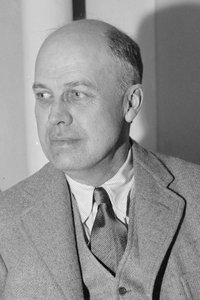
Edward Hopper
1931 - 1967 , Stati Uniti d'America
Informazioni rapide
- Artisti Influenti:
- Ralph Waldo Emerson
- Édouard Manet
- Edgar Degas
- Artisti Influenzati: ['Pierre Sanford Ross']
- Data Di Nascita: 22 luglio 1882
- Luogo Di Nascita: Upper Nyack, Stati Uniti
- Movimento Artistico: Realismo americano
- Nazionalità: Americana
- Nome Completo: Edward Hopper
- Opere Notevoli:
- House by the Railroad
- Nighthawks
- Gas
- Chop Suey
- Summertime
Articoli correlati
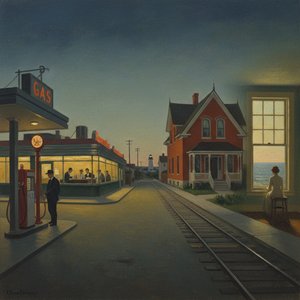
Edward Hopper: Le 25 Opere Iconiche che Definiscono l'America Moderna | OriginalUniqueArt
Esplora le 25 opere iconiche di Edward Hopper, il maestro del realismo americano. Scopri la luce, la solitudine e l'atmosfera unica dei suoi quadri più famosi. Stampe d'arte e riproduzioni su OriginalUniqueArt.com per arredare casa con stile. Esplora la collezione online!

Realismo Americano: 10 Capolavori che Hanno Definito un'Epoca | OriginalUniqueArt
Esplora i 10 capolavori del Realismo Americano con OriginalUniqueArt. Scopri Andrew Wyeth, Edward Hopper e George Bellows. Quadri iconici, storie uniche e riproduzioni di alta qualità per la tua casa. Esplora la collezione online!

The Unvarnished Truth: A Cultural Journey Through the Soul of American Realism
Explore the profound beauty of American Realism. From the Ashcan School's urban grit to intimate portraits, discover how artists captured the authentic soul of a nation through unvarnished truth and masterful observation.
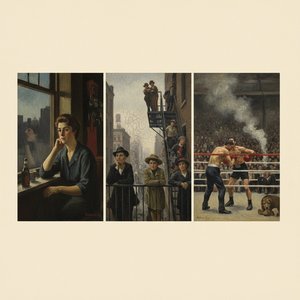
American Realism: Social Commentary & Artistic Representation in Early 20th-Century Painting
Explore the powerful social commentary & artistic representation of American Realism. Discover key artists like Bellows & Sloan, and understand the movement's lasting impact on 20th-century art history.
Realismo Contemporaneo: 10 Capolavori che Hanno Fatto Storia | .it
Esplora i 10 capolavori del Realismo Contemporaneo che hanno rivoluzionato l'arte! Scopri la storia, gli artisti e le tecniche dietro quadri iconici. Trova riproduzioni d'arte di alta qualità per decorare casa con .