Anteprima in scala reale
 Condividi
 Condividi
 Dettagli
 Guida stampabile

 Scarica
 Articoli simili
 Radiografia
 Slideshow
 Statistiche
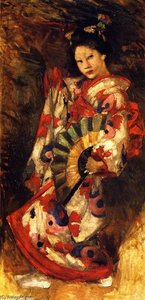
Springtime
 1909
1909 63.0 x 76.0 cm
 Leggi tutto
Riproduzione a olio fatta a mano
Olio su tela dipinto a mano nelle tue dimensioni e con la tua cornice, realizzato su ordinazione dai nostri artisti. ( Passa alle stampe Passa all'immagine digitale)




































Scegli tra le nostre dimensioni predefinite, che rispettano le proporzioni originali dell'opera d'arte.

È possibile inserire dimensioni personalizzate per adattare l'opera a una cornice o a uno spazio specifico. Se la dimensione selezionata non corrisponde alle proporzioni dell'immagine originale, provvederemo a ritagliare l'opera o a estendere il dipinto con elementi aggiuntivi dipinti a mano. Un mockup digitale ti sarà inviato per approvazione prima dell'inizio della produzione.
Si prega di notare che l'anteprima a schermo non riflette il ritaglio o l'estensione effettivi. Solo il mockup mostrerà accuratamente la composizione finale.
Sebbene siano disponibili dimensioni personalizzate, consigliamo di selezionare una dimensione dall'elenco predefinito per preservare le proporzioni originali.
Dopo l'ordine, il team di OriginalUniqueArt.com contatterà il cliente via e-mail per ricevere le istruzioni e fornirà un'anteprima del mockup
Consegna in tutto il mondo () in 3/4 settimane anziché nelle normali 5 settimane. (26 Settembre). Nessun compromesso sulla qualità.

Spedizione espressa gratuita in tutto il mondo

Tela in lino di alta qualità

Assicurazione completa sulla spedizione

Garanzia di rimborso dei dazi doganali

Garanzia di perfetta fedeltà cromatica

Politica di reso entro 100 giorni (solo per difetti di fabbricazione)

Garanzia di rimborso al 100%

Sconto per acquisti multipli
 L'opzione vetro è disponibile solo per dimensioni inferiori a 110 cm

Springtime
Tecnica di riproduzione
Dimensioni della riproduzione
-


Prezzo totale
$ 300
Biografia dell'artista
Edward Atkinson Hornel: Scottish Painter of Landscapes & Florals, Influenced by Japonisme
Edward Atkinson Hornel (1864 – 1933) occupies a prominent position in the annals of late Victorian and early twentieth-century Scottish art, inextricably linked to the Glasgow Boys movement and profoundly shaped by Japanese aesthetics. Born in Bacchus Marsh, Victoria, Australia—a poignant reminder of his Scottish heritage—Hornel’s formative years nurtured within him an unwavering appreciation for both meticulous landscape painting and detailed botanical observation. Following his family's relocation back to Kirkcudbright in 1866, he embarked upon a rigorous artistic education at Edinburgh Art School and Antwerp under the tutelage of Professor Verlat, cultivating skills that would become synonymous with his unmistakable stylistic signature. Returning to Scotland in 1885, Hornel discovered kindred spirits in George Henry, initiating a collaborative partnership that birthed masterpieces such as “Druids Bringing In The Mistletoe” (1890). This ambitious depiction of druidic ritual—characterized by vibrant color palettes and daring textural experimentation—established Hornel’s reputation for audacious artistic vision. Specifically, his masterful manipulation of paint surfaces through layering, scraping, roughening, smoothing, and staining techniques prioritized expressive impact over photographic accuracy, reflecting a deliberate rejection of conventional realism in favor of conveying emotion and atmosphere. This innovative approach cemented Hornel's place as a trailblazer within the Glasgow Boys collective—a group dedicated to capturing the fleeting beauty of natural light and color with unprecedented boldness. The year 1893–94 witnessed Hornel and Henry undertaking an extraordinary expedition to Japan, where they immersed themselves in the principles of decorative design championed by Japanese artists. This transformative encounter profoundly influenced Hornel’s artistic sensibilities, propelling him toward a more atmospheric aesthetic—one distinguished by refined color harmonies and subtle drawing—elements that seamlessly blended sensual appeal with contemplative reflection. The resulting paintings captured not merely visual representations but also intangible moods and sensations, mirroring the Japonisme movement's fascination with Eastern art forms and techniques. This journey solidified Hornel’s conviction that artistic expression should transcend mere imitation of nature, striving instead to evoke profound emotional responses in the viewer. By 1901, Hornel prudently declined membership to the Royal Scottish Academy, prioritizing his unwavering devotion to Glasgow Art Club—where he continued to exhibit annually—a decision indicative of his commitment to maintaining artistic integrity and fostering a supportive environment for fellow artists. He established Broughton House in Kirkcudbright, meticulously designed along Japanese garden principles by Elizabeth Hornel—his sister—creating a sanctuary for artistic contemplation and innovation. This home became the epicenter of Hornel’s creative endeavors, serving as both inspiration and tangible manifestation of his artistic vision. Hornel's oeuvre encompasses celebrated landscapes and floral compositions housed in museums across Britain—Aberdeen, Buffalo, Bradford, St. Louis, Toronto, Montreal, Glasgow, Edinburgh, Leeds, Manchester, Hull—demonstrating the enduring resonance of his distinctive style within the broader context of British art history. His paintings exemplify the Glasgow Boys’ commitment to Impressionistic principles while simultaneously reflecting the influence of Japonisme and Pre-Raphaelitism, securing his place as a pivotal figure in shaping the aesthetic landscape of the Edwardian era. He died peacefully in Kirkcudbright in 1933, leaving behind a legacy of artistic brilliance and unwavering dedication to preserving Scotland’s cultural heritage.
Edward Atkinson Hornel
1864 - 1933 , Australia
Informazioni rapide
- Artistic Movement Or Style: Glasgow Boys
- Artists Or Movements Influenced By This Artist: ['Impressionism']
- Artists Who Influenced This Artist: ['George Henry']
- Date Of Birth: 1864
- Date Of Death: 1933
- Full Name: Edward Atkinson Hornel
- Nationality: Scottish
- Notable Artworks:
- Druids Bringing in the Mistletoe
- Summer
- Place Of Birth: Kirkcudbright, Scotland