Passa alle stampe
 Espandi i dettagli







































 Per opere d'arte o riproduzioni con un lato superiore a 105 cm (circa 41 pollici), la cornice verrà spedita in forma di kit smontato. Questo metodo garantisce una consegna sicura e previene danni durante il trasporto.


Introduction to the Painting
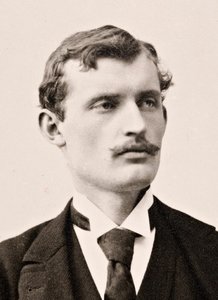
The Portrait of Hans Jaeger is a captivating painting by Norwegian artist Edvard Munch, created in 1889. This artwork stands as a cornerstone of Expressionism, a modernist movement that blossomed in the early 20th century and distinguished itself through its profound emotional intensity and daring use of color—a deliberate rejection of Impressionistic objectivity. Rather than merely depicting a subject, Munch sought to convey his inner turmoil, channeling anxieties about mortality and psychological vulnerability onto the canvas.Background of Edvard Munch
Edvard Munch (1863-1944) emerged from a childhood scarred by tragedy – the untimely deaths of his mother and sister due to tuberculosis profoundly shaped his worldview and artistic sensibilities. He honed his skills at the Royal School of Art and Design in Kristiania (today’s Oslo), immersing himself in bohemian circles where he encountered Hans Jæger, an influential writer and philosopher who served as a crucial catalyst for Munch's distinctive style. This encounter instilled in him a conviction that art should grapple with the complexities of human experience—a belief that fueled his relentless exploration of subjective emotion and psychological states. His father’s staunch religious beliefs further contributed to a pervasive sense of dread, informing not only Munch’s personal life but also the symbolic language he employed throughout his oeuvre.The Painting: Portrait of Hans Jaeger
The Portrait of Hans Jaeger depicts Hans Jæger, a close confidante and intellectual companion of Munch. The painting isn't simply a likeness; it’s an embodiment of Jæger’s character—a man radiating quiet dignity yet burdened by unspoken anxieties. Munch achieved this effect through masterful brushwork—thick, impasto strokes conveying palpable tension and capturing the subtle nuances of expression. The muted palette—dominated by earthy browns and cool blues—creates a somber atmosphere that mirrors the psychological depth of the subject. Notably, two figures inhabit the composition: Jæger himself seated in a chair, and another man positioned on the left side of the canvas. This duality underscores Munch’s preoccupation with duality – intellect versus emotion, solitude versus companionship—themes central to Expressionist thought.Where to Find Hand Made Oil Paintings Reproductions
If you aspire to adorn your home with an authentic representation of this iconic artwork, OriginalUniqueArt offers exquisite hand-painted reproductions crafted by skilled artists. Explore our extensive collection at https://OriginalUniqueArt.com/. You can delve deeper into Munch’s artistic vision and the broader Expressionist movement on our website: /art/list/?Filter=6WHK86-Edvard-Munch-Portrait-of-Hans-Jaeger. Furthermore, consider visiting these resources for enriching insights:- Figurative Expressionism Art Movement
- Painting by 'Edvard Munch' | Edvard Munch:Portrait of Hans Jaeger (Expressionism,)
Domande e risposte
Posso usare la realtà aumentata per vedere "Portrait di Hans Jaeger" di Edvard Munch nella mia stanza?
La pagina Anteprima in AR di "Portrait di Hans Jaeger" di Edvard Munch utilizza la realtà aumentata per visualizzare l'opera d'arte nel tuo spazio, tramite un dispositivo compatibile.
Chi ha realizzato "Portrait di Hans Jaeger" e in che anno?
"Portrait di Hans Jaeger" è stata creata da Edvard Munch nel 1889.
Quale stato d'animo esprime "Portrait di Hans Jaeger" di Edvard Munch all'interno di Expressionist Painting?
"Portrait di Hans Jaeger" trasmette un tono emotivo Malinconico all'interno del movimento Expressionist Painting.
Maggiori informazioni su questo dipinto
 Anteprima in scala reale
 Invia
Invia Condividi
 Dettagli opera
 Guida
Guida

 Scarica
 Simili
 Radiografia
 Slideshow
 Domande e risposte
 Statistiche