Anteprima in scala reale
 Invia
Invia Condividi
 Dettagli opera
 Guida
Guida

 Scarica
 Simili
 Radiografia
 Slideshow
 Domande e risposte
 Statistiche
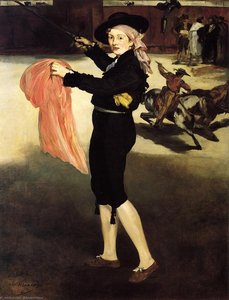
Portrait di Emile Zola

- 146.0 x 114.0 cm


 Espandi i dettagli
Giclée / Stampe d'arte
Stampa giclée o su tela di qualità museale, con produzione rapida e diverse opzioni di finitura. ( Acquista il dipinto realizzato a mano Passa all'immagine digitale)




P118B €10

P118H €10

P118W €10

P438Z €10

P508JH €12

P508YH €12

P805H €10

P805Z €10

P919BZ €10

P919G €10

P919XJ €10

P959ZH €10

P968JZ €12

W106C €8

W218G €10

W218JH €8

W218Y €10

W307PJ €10

W316G €10

W316PJ €8

W316Y €10

W398PJ €8

W4111J €10

W500HY €15

W500JH €15

W692G €12

W849H €8

W940BG €15

W953PJ €8




Scegli tra le nostre dimensioni predefinite, che rispettano le proporzioni originali dell'opera d'arte.

Inserisci la larghezza e l'altezza desiderate, per adattarle alla tua cornice o alla tua parete. Una stampa può essere solo ritagliata, mai resa più grande dell'immagine originale; pertanto, un formato con una forma differente comporterà la perdita di una parte dell'opera. Ti invieremo un mockup digitale da approvare prima di procedere con la stampa. L'immagine mostrata in questa pagina non rappresenta il ritaglio reale — solo il mockup lo mostra.
Consegna in tutto il mondo () in 2 settimane invece delle normali 4/5 settimane. (3 Novembre)

Spedizione espressa gratuita in tutto il mondo

Tela in lino di alta qualità

Assicurazione completa sulla spedizione

Garanzia di rimborso dei dazi doganali

Garanzia di fedeltà cromatica assoluta

Politica di reso entro 100 giorni (solo per difetti di fabbricazione)

Garanzia di rimborso al 100%

Offerta per acquisti multipli
 L'opzione vetro è disponibile solo per dimensioni inferiori a 110 cm

Portrait di Emile Zola
Giclée / Stampe d'arte
Dimensioni riproduzione
-


Prezzo finale calcolato
€ 72
Portrait of Emile Zola
Édouard Manet’s *Portrait of Emile Zola*, completed in 1868, stands as a pivotal moment in the artistic landscape of late nineteenth-century France—a testament to both stylistic innovation and intellectual engagement. More than just a likeness of the celebrated novelist, it embodies Manet's pioneering approach to depicting modern life and his masterful blending of realism with subtle symbolic gestures. Housed at the Musée d’Orsay in Paris, this oil on canvas measuring 146 x 114 cm continues to fascinate viewers with its quiet contemplation and understated complexity.The Artistic Context: Impressionism's Dawn
Manet’s artistic trajectory was inextricably linked to the burgeoning movement of Impressionism. While he initially adhered to academic conventions—influenced by artists like Caravaggio and Diego Velázquez—he swiftly recognized the limitations of portraying reality through idealized forms. Gustave Courbet’s uncompromising realism served as a catalyst, prompting Manet to challenge established norms and explore new visual languages. Paintings such as *Portrait of Emile Zola* and *William Sisley*, alongside others, signaled the beginning of this transformative era, marking a decisive break from Romanticism's emotional grandeur. These works were greeted with considerable controversy by critics who clung to traditional aesthetic standards—yet they quickly gained acceptance among progressive artists eager for fresh perspectives.Compositional Layers: A Dialogue Between Reality and Symbol
The painting’s composition is deliberately constructed to convey a profound sense of atmosphere and psychological depth. Emile Zola sits calmly in a chair, legs crossed, absorbed in reading a book – an image that immediately speaks to the intellectual pursuits of the time. Manet eschews dramatic poses or theatrical lighting; instead, he employs a muted palette dominated by earthy tones—a stylistic choice reminiscent of Velázquez’s masterful use of chiaroscuro. Behind Zola is a carefully arranged display of paintings, including a monumental canvas that commands attention and establishes a visual hierarchy. Two smaller canvases flank the central piece, creating a sense of intimacy and reinforcing the theme of artistic contemplation. A dog rests at Zola's feet—a seemingly simple detail that adds warmth and companionship to the scene. The artist’s meticulous observation of light and texture contributes to the painting’s overall effect, capturing the subtle nuances of domestic interior space.Symbolism Embedded in Detail
Beyond its formal qualities, *Portrait of Emile Zola* is laden with symbolic significance. The inclusion of paintings on the wall represents Zola's intellectual milieu—his engagement with art and literature as sources of inspiration. Manet’s deliberate cropping emphasizes Zola’s face, minimizing extraneous details and focusing attention on his gaze—a gesture that invites viewers to contemplate his inner thoughts. The muted color scheme reinforces the painting’s contemplative mood, mirroring Zola's quiet demeanor. Furthermore, the artist’s subtle use of perspective creates a sense of depth and realism, grounding the image in the tangible world while simultaneously elevating it to a realm of psychological exploration.Influences Beyond Velázquez
Manet’s artistic vision was profoundly shaped by his travels to Spain in 1865—specifically by his encounter with Diego Velázquez's monumental paintings at the Museo Nacional Prado. Velázquez’s masterful technique of capturing fleeting moments and conveying emotion influenced Manet’s approach to portraying human subjects, encouraging him to prioritize observation and psychological insight over idealized representation. This influence is palpable in *The Fifer*, another notable painting by Manet—a work characterized by its understated realism and subtle tonal variations.Conclusion: A Legacy of Innovation
*Portrait of Emile Zola* remains an enduring masterpiece—a symbol of Impressionism’s triumph over academic conservatism and a testament to Édouard Manet's unwavering commitment to artistic innovation. Its quiet dignity, masterful composition, and evocative symbolism continue to inspire admiration and provoke contemplation, cementing its place as one of the most significant paintings of the era. It exemplifies Manet’s ability to capture not just what he saw but also what he felt—a feat that established him as a pioneer of modern art and secured his legacy as an artist who fundamentally reshaped the visual culture of France.Domande e risposte
L'opera "Portrait di Emile Zola" si trova nel paese del suo creatore?
Sì - l'opera è conservata nel paese d'origine dell'artista. "Portrait di Emile Zola" è conservata in Francia, mentre Édouard Manet è nato/a in Francia.
Chi ha creato "Portrait di Emile Zola"?
"Portrait di Emile Zola" è stata creata da Édouard Manet. Le informazioni contenute in questa pagina descrivono l'opera originale di Édouard Manet.
Quanto sono vivaci i colori di "Portrait di Emile Zola"?
"Portrait di Emile Zola" di Édouard Manet presenta una saturazione di Saturazione tenue e un'intensità di Monocromatico.
Biografia dell'artista
vitae e carriera
Édouard Manet, pittore modernista francese, nacque il 23 gennaio 1832 a Parigi. Contrariamente alle sue radici aristocratiche e a un percorso navale predeterminato, Manet emerse come un audace pittore modernista francese le cui tele catturavano la vivacità della vita del XIX secolo. È ampiamente acclamato per il suo ruolo nel pionierismo dell'impressionismo, guidando l’arte dalle rappresentazioni realistiche a territori inesplorati.opere notevoli
Le prime opere capolavoro di Manet, Il pranzo sull'erba (Le déjeuner sur l’herbe) (1863) e Olimpia (1865), furono radicali, sfidando le norme artistiche e provocando indignazione tra i tradizionalisti. Queste opere provocatorie ottennero l'approvazione dei colleghi più lungimiranti, seminando i semi dell’impressionismo. * Il pranzo sull'erba (Le déjeuner sur l’herbe) (1863) - un dipinto che ha scatenato controversie sia da parte della critica che dell'Accademia di Belle Arti. * Olimpia (1865) - un'opera che ha causato grande scompiglio a causa della sua rappresentazione di una donna bianca nuda, accompagnata da una serva nera.musei e collezioni
Le opere di Manet si possono trovare in vari musei in tutto il mondo, tra cui: * Musée d’Orsay (Parigi, Francia) - sede di una vasta collezione dei dipinti di Manet, tra cui Olimpia. * Museo di Belle Arti (Boston, Stati Uniti) - presenta il Ritratto di Victorine Meurent, un'opera degna di nota nel suo percorso artistico.eredità e influenza
Lo stile innovativo di Manet, caratterizzato da pennellate ampie e veloci, illuminazione in studio e profondità limitata, è stato una grande influenza sui pittori futuri. La sua eredità può essere vista nelle opere di numerosi artisti che hanno seguito le sue orme.- Impressionismo: il suo lavoro pionieristico in questo stile lo ha reso un nome familiare tra gli appassionati d'arte.
- Realismo: il suo rifiuto degli approcci realistici tradizionali ha aperto la strada a una nuova generazione di artisti.
- Arte moderna: i contributi di Manet all’evoluzione dell’arte moderna sono innegabili, consolidando il suo posto nella storia dell'arte.
ulteriore lettura ed esplorazione
* Scopri di più sulla vita e sulle opere di Édouard Manet su OriginalUniqueArt. * Esplora la collezione del Musée d’Orsay, che presenta una vasta gamma di dipinti di Manet, tra cui Olimpia, su OriginalUniqueArt's pagina del museo.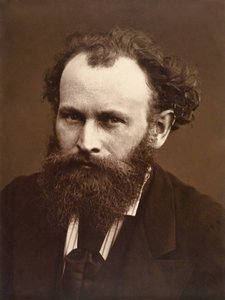
Édouard Manet
1832 - 1883 , Francia
Dettagli rapidi
- Artisti Influenti:
- Caravaggio
- Diego Velázquez
- Gustave Courbet
- Artisti Influenzati:
- Claude Monet
- Pierre-Auguste Renoir
- Edgar Degas
- Data Di Nascita: 23 gennaio 1832
- Luogo Di Nascita: Parigi, Francia
- Movimento Artistico: Impressionismo, Realismo
- Nazionalità: Francese
- Nome Completo: Édouard Manet
- Opere Notevoli:
- Le Déjeuner sur l'herbe
- Olympia
- Madame Manet a Bellevue
- Ritratto di Mery Laurent
Articoli correlati

Echoes of Society: Exploring Social Realism's Enduring Legacy in Art
Explore the powerful world of Social Realism art! Discover key artists, masterpieces & its profound social commentary. Expert insights into this influential movement's history and enduring legacy.

I 25 Capolavori di Édouard Manet: L'Artista che ha Inventato la Modernità
Scopri i 25 capolavori di Édouard Manet e la nascita dell'Impressionismo. Esplora la collezione su OriginalUniqueArt.com.
Realismo nell'Arte: I 10 Capolavori che Rivoluzionano la Percezione
Esplora i 10 capolavori del Realismo con OriginalUniqueArt.com! Da Courbet a Manet, scopri la storia e le tecniche di questi dipinti iconici. Trova riproduzioni d'arte di alta qualità per decorare casa tua. Scopri tutte le opere su OriginalUniqueArt.com

I 10 Capolavori dell'Impressionismo Realista: Arte, Storia e Decorazioni Raffinate
Esplora i 10 capolavori dell'Impressionismo Realista con OriginalUniqueArt.com! Monet, Renoir e altri maestri rivisitati: storia, tecnica e colori unici per la tua casa. Scopri l'arte online e arreda con stile.

I 10 Capolavori del Realismo Romantico che hanno Incantato la Storia dell'Arte
Esplora l'emozione del Realismo Romantico attraverso 10 capolavori senza tempo. Scopri la storia di maestri come Constable e Friedrich e lasciati ispirare da opere iconiche per il tuo arredamento. Trova riproduzioni d'arte di qualità museale su OriginalUniqueArt.com.