

 Anteprima in scala reale
 Condividi
 Condividi
 Dettagli

 Scarica immagine
 Articoli simili
 Radiografia
 Slideshow
October Morning


 Leggi tutto
Riproduzione a olio fatta a mano
Olio su tela dipinto a mano nelle tue dimensioni e con la tua cornice, realizzato su ordinazione dai nostri artisti. ( Ordina stampa Acquista download)




P118B $10

P118H $10

P118W $10

P438Z $10

P508JH $12

P508YH $12

P805H $10

P805Z $10

P919BZ $10

P919G $10

P919XJ $10

P959ZH $10

P968JZ $12

W106C $8

W218G $10

W218JH $8

W218Y $10

W307PJ $10

W316G $10

W316PJ $8

W316Y $10

W398PJ $8

W4111J $10

W500HY $15

W500JH $15

W692G $12

W849H $8

W940BG $15

W953PJ $8




Scegli tra le nostre dimensioni predefinite, che rispettano le proporzioni originali dell'opera d'arte.

È possibile inserire dimensioni personalizzate per adattare l'opera a una cornice o a uno spazio specifico. Se la dimensione selezionata non corrisponde alle proporzioni dell'immagine originale, provvederemo a ritagliare l'opera o a estendere il dipinto con elementi aggiuntivi dipinti a mano. Un mockup digitale ti sarà inviato per approvazione prima dell'inizio della produzione.
Si prega di notare che l'anteprima a schermo non riflette il ritaglio o l'estensione effettivi. Solo il mockup mostrerà accuratamente la composizione finale.
Sebbene siano disponibili dimensioni personalizzate, consigliamo di selezionare una dimensione dall'elenco predefinito per preservare le proporzioni originali.
Dopo l'ordine, il team di OriginalUniqueArt.com contatterà il cliente via e-mail per le istruzioni e fornirà un'anteprima del mockup
Consegna in tutto il mondo () in 3/4 settimane anziché nelle normali 5 settimane. (14 Agosto). Nessun compromesso sulla qualità.

Spedizione espressa gratuita in tutto il mondo

Tela in lino di alta qualità

Assicurazione completa sulla spedizione

Garanzia di rimborso dei dazi doganali

Garanzia di fedeltà cromatica dell'originale

Politica di reso entro 60 giorni (solo per difetti di fabbricazione)

Garanzia di rimborso al 100%

Sconto per acquisti multipli
 L'opzione vetro è disponibile solo per dimensioni inferiori a 110 cm

October Morning
Tecnica di riproduzione
Dimensioni della riproduzione
-


Prezzo totale
$ 300
Descrizione dell'opera
October Morning: A Symphony of Autumnal Light by Dwight William Tryon
Dwight William Tryon’s “October Morning” isn't merely a landscape painting; it’s an immersion into the heart of a fleeting autumnal moment, captured with a delicate precision and imbued with a profound sense of tranquility. Painted in 1921, during a period when American art was increasingly embracing tonalism – a style prioritizing mood and atmosphere over sharp detail – this piece exemplifies Tryon's signature approach: a quiet contemplation of the natural world rendered through subtle color shifts and luminous washes.
The scene unfolds within a gently sloping meadow, bisected by a meandering stream reflecting the soft hues of the sky. A carefully arranged row of trees dominates the midground, their branches reaching upwards like supplicating arms, each leaf painted with an almost impossibly delicate gradation of greens, yellows, and ochres – a testament to Tryon’s mastery of layering thin glazes of oil paint. These aren't the bold, vibrant colors of Impressionism; instead, they are muted, atmospheric, evoking the fading warmth of the sun as it dips below the horizon. The distant trees recede into a hazy blue-grey, creating an illusion of depth and vastness that draws the viewer’s eye into the painting’s serene embrace.
The Tonalist's Palette: Technique and Style
Tryon’s technique is characterized by its meticulous attention to light and shadow. He employed a ‘wet-on-wet’ approach, applying paint while it was still wet on the canvas, allowing colors to blend seamlessly and creating soft edges that contribute to the painting's ethereal quality. The absence of harsh outlines or defined forms reinforces this sense of atmospheric depth. The use of thin glazes – multiple layers of translucent color applied over each other – builds up the image gradually, resulting in a luminous surface that seems to glow from within. This technique is deeply rooted in the Barbizon school of painting, which emphasized capturing the essence of nature rather than its literal representation.
Notably, Tryon’s work aligns with the broader artistic currents of his time. Influenced by James McNeill Whistler's emphasis on tonal harmony and color relationships, he sought to evoke a feeling of quiet contemplation and spiritual connection through his art. His paintings are often described as “luminist,” though he predates the more formalized Luminist movement, sharing its core principles of capturing fleeting moments of light and atmosphere.
Symbolism and Emotional Resonance
“October Morning” is rich in symbolic meaning, reflecting a deep connection to the rhythms of nature. The row of trees, stretching towards the horizon, can be interpreted as a symbol of resilience and endurance – mirroring the steadfastness of nature through the changing seasons. The stream, flowing gently across the meadow, represents the passage of time and the cyclical nature of life. The muted colors evoke feelings of peace, nostalgia, and melancholy—a poignant reminder of the beauty of impermanence.
More than just a depiction of a landscape, “October Morning” is an invitation to pause, reflect, and connect with the natural world. It’s a painting that speaks to our deepest longings for tranquility and connection, offering a moment of respite from the complexities of modern life. The soft light and muted colors create a sense of warmth and serenity, inviting the viewer to lose themselves in the beauty of this autumnal scene.
A Legacy of Serenity: Tryon’s Enduring Appeal
Dwight William Tryon's work continues to resonate with audiences today due to its timeless appeal. His paintings capture a sense of quietude and beauty that transcends time, offering viewers a glimpse into the heart of nature. His dedication to capturing subtle nuances of light and color has earned him recognition as one of America’s most important landscape painters. Reproductions of “October Morning” are prized by collectors and interior designers alike, bringing a touch of serenity and autumnal charm to homes and galleries around the world.
Biografia dell'artista
Primi Anni e Formazione
- Dwight William Tryon nacque il 13 agosto 1849 a Hartford, nel Connecticut, da Anson Tryon e Delia O. Roberts.
- La prematura morte del padre lo lasciò affidato alla cura della madre e dei nonni nella loro fattoria di East Hartford.
- Sviluppò un interesse per l'arte in modo naturale, studiando manuali d'istruzione artistica acquistati in una libreria dove lavorava.
- Tryon iniziò a disegnare la campagna circostante durante il suo tempo libero.
- Vendette il suo primo dipinto nel 1870 ed espose opere localmente prima di ottenere riconoscimento all'Accademia Nazionale del Design nel 1873.
Sviluppo Artistico e Influenze
- Nel 1876, studiò formalmente arte in Francia sotto Jacquesson de la Chevreuse e all'École des Beaux-Arts. Ricevette anche istruzioni da Charles-François Daubigny, Henri Harpignies e Jean Baptiste-Antoine Guillemet.
- Inizialmente, il suo stile tendeva al Luminismo prima di spostarsi alla Scuola Barbizon, influenzato da artisti come George Inness e Alexander Helwig Wyant.
- Nonostante l'esposizione all'Impressionismo in Francia, Tryon rimase fedele all'estetica della Scuola Barbizon.
- Il suo lavoro fu significativamente influenzato da James McNeill Whistler, evidente nel suo stile tonalista.
Stile Maturo e Opere Notabili
- Alla fine degli anni '80, Tryon sviluppò il suo stile iconico, caratterizzato da un gruppo o una fila spezzata di alberi in secondo piano, spesso con tonalità autunnali, che separano un cielo luminoso sopra e un primo piano di palude o pascolo.
- Dipingeva frequentemente paesaggi marini usando pastelli per raffigurare ampie acque, cieli e spiagge in varie condizioni meteorologiche.
- Opere notevoli includono *Salt-Marsh, December*, che vinse il primo premio all'Esposizione Centennale del Tennessee nel 1897.
- I suoi dipinti furono esposti a livello nazionale, con una preferenza per la Pennsylvania Academy of Fine Arts e la Montross Gallery.
Patronato e Riconoscimenti
- Charles Lang Freer divenne il suo più importante mecenate, acquisendo decine delle sue opere e collaborando al design degli interni della sua casa a Detroit. Molti di questi dipinti si trovano ora alla Freer Gallery of Art.
- Tryon ricevette il Premio Carnegie all'Esposizione Carnegie nel 1908.
- Fu membro di diverse prestigiose organizzazioni artistiche, tra cui la Society of American Artists, l'American Watercolor Society e il National Institute of Arts and Letters (ora l'American Academy of Arts and Letters).
Ultimi Anni ed Eredità
- Nel 1887, costruì una casa estiva a South Dartmouth, Massachusetts, che divenne la sua abitazione.
- Insegnò al Smith College dal 1886 al 1923, istituendo la Tryon Gallery of Art.
- Dwight William Tryon morì il 1° luglio 1925 a causa del cancro.
- La sua eredità risiede nel suo contributo al Tonalismo americano e nella sua capacità di catturare paesaggi atmosferici e marine con colori delicati e sentimento raffinato. Le sue opere sono conservate in importanti collezioni come il Smithsonian American Art Museum e la Freer Gallery of Art.

Dwight William Tryon
1849 - 1925 , Stati Uniti d'America
Informazioni rapide
- Artistic Movement Or Style: Tonalismo, Scuola Barbizon
- Artists Who Influenced This Artist:
- James McNeill Whistler
- George Inness
- Alexander Wyant
- Date Of Birth: 13 agosto 1849
- Date Of Death: 1 luglio 1925
- Full Name: Dwight William Tryon
- Nationality: Americano
- Notable Artworks: ['Salt-Marsh, December']
- Place Of Birth: Hartford, USA
Articoli correlati
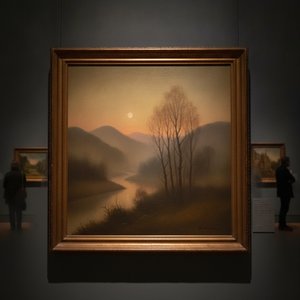
Tonalism Explained: The Art of Mood, Mist, and Masterful Color in Landscape Painting
Discover the evocative world of Tonalism. Explore how masters like Whistler and Tryon used mist, shadow, and subtle color to capture profound mood and atmosphere in landscape art. An expert guide for fine art enthusiasts and collectors.
I 10 Capolavori del Paesaggio: Arte, Storia e Decorazioni Raffinate | OriginalUniqueArt
Esplora i 10 capolavori del paesaggio artistico! Da Monet a Van Gogh, scopri la storia e le tecniche dietro quadri iconici. Trova stampe su tela di alta qualità per decorare casa con arte e stile. Scopri tutte le opere su OriginalUniqueArt.com

John Constable: I 25 Capolavori che Celebrano la Bellezza della Campagna Inglese
Esplora i 25 capolavori di John Constable, il maestro del Romanticismo inglese. Paesaggi suggestivi, luce naturale e colori vibranti ti aspettano. Acquista riproduzioni d'arte di alta qualità su OriginalUniqueArt.com e porta la bellezza della campagna inglese nella tua casa.

Evocations of Place: A Historical Journey Through Landscape Art
Explore the rich history of landscape art with OriginalUniqueArt. Discover renowned artists, movements like Impressionism & Romanticism, and expert guidance for collecting timeless pieces. Find your perfect serene escape today!
Serene Visions: Exploring Themes of Tranquility in Art History & Contemporary Practice
Explore the history of serene landscape art & discover artists who evoke tranquility. Find the perfect calming artwork for your home with expert guidance from OriginalUniqueArt.


