Anteprima in scala reale
 Invia
Invia Condividi
 Dettagli opera
 Guida
Guida

 Scarica
 Simili
 Radiografia
 Slideshow
 Domande e risposte
 Statistiche
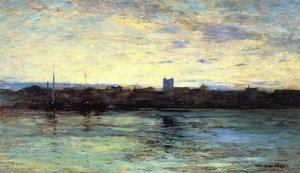
Evening, New Bedford Harbor

- 51.0 x 80.0 cm


 Espandi i dettagli
Giclée / Stampe d'arte
Stampa giclée o su tela di qualità museale, con produzione rapida e diverse opzioni di finitura. ( Acquista il dipinto realizzato a mano Passa all'immagine digitale)




P118B €10

P118H €10

P118W €10

P438Z €10

P508JH €12

P508YH €12

P805H €10

P805Z €10

P919BZ €10

P919G €10

P919XJ €10

P959ZH €10

P968JZ €12

W106C €8

W218G €10

W218JH €8

W218Y €10

W307PJ €10

W316G €10

W316PJ €8

W316Y €10

W398PJ €8

W4111J €10

W500HY €15

W500JH €15

W692G €12

W849H €8

W940BG €15

W953PJ €8




Scegli tra le nostre dimensioni predefinite, che rispettano le proporzioni originali dell'opera d'arte.

Inserisci la larghezza e l'altezza desiderate, per adattarle alla tua cornice o alla tua parete. Una stampa può essere solo ritagliata, mai resa più grande dell'immagine originale; pertanto, un formato con una forma differente comporterà la perdita di una parte dell'opera. Ti invieremo un mockup digitale da approvare prima di procedere con la stampa. L'immagine mostrata in questa pagina non rappresenta il ritaglio reale — solo il mockup lo mostra.
Consegna in tutto il mondo () in 2 settimane invece delle normali 4/5 settimane. (15 Novembre)

Spedizione espressa gratuita in tutto il mondo

Tela in lino di alta qualità

Assicurazione completa sulla spedizione

Garanzia di rimborso dei dazi doganali

Garanzia di fedeltà cromatica assoluta

Politica di reso entro 100 giorni (solo per difetti di fabbricazione)

Garanzia di rimborso al 100%

Offerta per acquisti multipli
 L'opzione vetro è disponibile solo per dimensioni inferiori a 110 cm

Evening, New Bedford Harbor
Giclée / Stampe d'arte
Dimensioni riproduzione
-


Prezzo finale calcolato
€ 72
A Moment of Quietude: The Essence of Dwight William Tryon’s “Evening, New Bedford Harbor”
Dwight William Tryon's "Evening, New Bedford Harbor" isn’t merely a depiction of a maritime scene; it’s an immersion into a specific time and mood. Painted in 1890, this oil on wood canvas captures the profound stillness of twilight over the harbor, offering a glimpse into the lives intertwined with the sea and the quiet dignity of a fading day. The painting immediately draws the viewer in with its monochromatic palette – a carefully orchestrated dance of grays, blacks, and whites that eschews traditional color for an exploration of light, shadow, and atmosphere. It’s a testament to Tryon's mastery of tonalism, an American art movement he embraced wholeheartedly, prioritizing emotional resonance over precise representation.
The composition itself is remarkably balanced, dividing the canvas into distinct yet harmonious zones. The foreground, dominated by the dark, reflective waters of the harbor, anchors the scene and establishes a sense of depth. Beyond this lies the middle ground, populated with several ships – not rendered as individual entities but rather as suggestive forms, blending seamlessly into the hazy distance. Finally, the background reveals the faint outline of New Bedford’s cityscape, softened by atmospheric perspective and appearing almost dreamlike. This careful arrangement creates a feeling of spaciousness and invites contemplation, mirroring the quiet solitude of the scene.
The Language of Tone: Tryon's Tonalist Technique
Tryon’s technique is characterized by an exquisite sensitivity to light and texture. He achieves this through meticulous blending and layering of oil paints – a process that results in surfaces that appear incredibly smooth, almost velvety to the touch. There’s no visible brushstroke; instead, the paint seems to melt into one another, creating subtle gradations of tone that mimic the diffused light of dusk. This deliberate softness contributes significantly to the painting's overall atmosphere of tranquility and melancholy. The artist skillfully utilizes the absence of strong highlights or shadows, relying instead on the nuanced interplay of light and dark to define form and create a sense of volume.
The choice of a monochromatic palette is not arbitrary; it’s integral to Tryon's artistic vision. By stripping away color, he forces the viewer to engage with the painting on a purely sensory level – focusing on the subtle shifts in tone, the play of light and shadow, and the overall mood conveyed by the scene. This approach aligns perfectly with the principles of tonalism, which sought to capture the essence of a subject through its emotional impact rather than its literal appearance.
Symbolism and Emotional Resonance: A Portrait of a Working Harbor
“Evening, New Bedford Harbor” is more than just a landscape; it’s a poignant meditation on labor, community, and the passage of time. The scene evokes the quiet dignity of the fishermen and sailors who worked tirelessly in the harbor, their lives inextricably linked to the rhythms of the sea. The muted colors and soft lighting suggest a sense of weariness and reflection – perhaps a moment of respite before returning to the demands of the next day. The distant cityscape hints at the bustling life of New Bedford, while the vast expanse of water symbolizes both opportunity and uncertainty.
Furthermore, the painting’s overall mood is imbued with a subtle sense of nostalgia. It's as if Tryon is inviting us to step back in time and witness a moment that has long since vanished – a reminder of a bygone era when life revolved around the sea and its bounty. The piece resonates with a quiet beauty, prompting viewers to contemplate their own relationship to nature, community, and the enduring power of memory.
A Legacy of Tonalist Beauty: Tryon’s Enduring Appeal
Dwight William Tryon's "Evening, New Bedford Harbor" stands as a remarkable example of American tonalism – a testament to the artist’s skill and sensitivity. Its evocative atmosphere, meticulous technique, and subtle symbolism continue to captivate viewers today. Reproductions of this masterpiece offer a unique opportunity to bring this serene scene into your home or office, allowing you to experience its quiet beauty and emotional resonance firsthand. It's a piece that speaks volumes without uttering a single word, inviting contemplation and offering a moment of respite from the complexities of modern life.
Domande e risposte
Come posso scoprire opere d'arte simili a "Evening, New Bedford Harbor" di Dwight William Tryon?
Le opere simili a "Evening, New Bedford Harbor" di Dwight William Tryon sono raccolte nella pagina Opere simili dell'opera.
Qual è l'orientamento di "Evening, New Bedford Harbor" di Dwight William Tryon?
Il formato di "Evening, New Bedford Harbor" è Landscape. Questa informazione è utile per pianificare il posizionamento di una riproduzione.
In che modo "Evening, New Bedford Harbor" si inserisce nei temi e nello stile di Dwight William Tryon?
"Evening, New Bedford Harbor" appartiene alla produzione Tonalist Painting di Dwight William Tryon, i cui temi ricorrenti includono whistler’s atmospheric effects, american tonalist landscape”, “rural, quiet scenes”, “maritime life, nostalgia”, “early 20th-century work”.
Biografia dell'artista
Primi Anni e Formazione
- Dwight William Tryon nacque il 13 agosto 1849 a Hartford, nel Connecticut, da Anson Tryon e Delia O. Roberts.
- La prematura morte del padre lo lasciò affidato alla cura della madre e dei nonni nella loro fattoria di East Hartford.
- Sviluppò un interesse per l'arte in modo naturale, studiando manuali d'istruzione artistica acquistati in una libreria dove lavorava.
- Tryon iniziò a disegnare la campagna circostante durante il suo tempo libero.
- Vendette il suo primo dipinto nel 1870 ed espose opere localmente prima di ottenere riconoscimento all'Accademia Nazionale del Design nel 1873.
Sviluppo Artistico e Influenze
- Nel 1876, studiò formalmente arte in Francia sotto Jacquesson de la Chevreuse e all'École des Beaux-Arts. Ricevette anche istruzioni da Charles-François Daubigny, Henri Harpignies e Jean Baptiste-Antoine Guillemet.
- Inizialmente, il suo stile tendeva al Luminismo prima di spostarsi alla Scuola Barbizon, influenzato da artisti come George Inness e Alexander Helwig Wyant.
- Nonostante l'esposizione all'Impressionismo in Francia, Tryon rimase fedele all'estetica della Scuola Barbizon.
- Il suo lavoro fu significativamente influenzato da James McNeill Whistler, evidente nel suo stile tonalista.
Stile Maturo e Opere Notabili
- Alla fine degli anni '80, Tryon sviluppò il suo stile iconico, caratterizzato da un gruppo o una fila spezzata di alberi in secondo piano, spesso con tonalità autunnali, che separano un cielo luminoso sopra e un primo piano di palude o pascolo.
- Dipingeva frequentemente paesaggi marini usando pastelli per raffigurare ampie acque, cieli e spiagge in varie condizioni meteorologiche.
- Opere notevoli includono *Salt-Marsh, December*, che vinse il primo premio all'Esposizione Centennale del Tennessee nel 1897.
- I suoi dipinti furono esposti a livello nazionale, con una preferenza per la Pennsylvania Academy of Fine Arts e la Montross Gallery.
Patronato e Riconoscimenti
- Charles Lang Freer divenne il suo più importante mecenate, acquisendo decine delle sue opere e collaborando al design degli interni della sua casa a Detroit. Molti di questi dipinti si trovano ora alla Freer Gallery of Art.
- Tryon ricevette il Premio Carnegie all'Esposizione Carnegie nel 1908.
- Fu membro di diverse prestigiose organizzazioni artistiche, tra cui la Society of American Artists, l'American Watercolor Society e il National Institute of Arts and Letters (ora l'American Academy of Arts and Letters).
Ultimi Anni ed Eredità
- Nel 1887, costruì una casa estiva a South Dartmouth, Massachusetts, che divenne la sua abitazione.
- Insegnò al Smith College dal 1886 al 1923, istituendo la Tryon Gallery of Art.
- Dwight William Tryon morì il 1° luglio 1925 a causa del cancro.
- La sua eredità risiede nel suo contributo al Tonalismo americano e nella sua capacità di catturare paesaggi atmosferici e marine con colori delicati e sentimento raffinato. Le sue opere sono conservate in importanti collezioni come il Smithsonian American Art Museum e la Freer Gallery of Art.

Dwight William Tryon
1849 - 1925 , Stati Uniti d'America
Dettagli rapidi
- Artistic Movement Or Style: Tonalismo, Scuola Barbizon
- Artists Who Influenced This Artist:
- James McNeill Whistler
- George Inness
- Alexander Wyant
- Date Of Birth: 13 agosto 1849
- Date Of Death: 1 luglio 1925
- Full Name: Dwight William Tryon
- Nationality: Americano
- Notable Artworks: ['Salt-Marsh, December']
- Place Of Birth: Hartford, USA
Articoli correlati

I 10 Capolavori del Paesaggio Romantico: Arte, Storia e Decorazioni di Lusso
Esplora i 10 capolavori del Paesaggio Romantico con OriginalUniqueArt.com! Caspar David Friedrich, Turner e altri maestri: storia, tecnica e colori che definiscono un'epoca. Trova riproduzioni d'arte di lusso per la tua casa. Scopri la collezione completa online!

Evocations of Place: A Historical Journey Through Landscape Art
Explore the rich history of landscape art with OriginalUniqueArt. Discover renowned artists, movements like Impressionism & tonalism, and expert guidance for collecting timeless pieces. Find your perfect serene escape today!

Evocations of Place: A Historical Journey Through Landscape Art
Explore the rich history of landscape art with OriginalUniqueArt. Discover renowned artists, movements like Impressionism & Romanticism, and expert guidance for collecting timeless pieces. Find your perfect serene escape today!

The Magic of Tonalism: Capturing Mood, Mist, and Atmospheric Emotion in Landscape Art
Discover the ethereal beauty of Tonalism. Explore how master artists use mist, soft light, and muted palettes to capture profound emotion and atmospheric mood in landscape painting. A deep dive into this quiet, introspective art movement for true connoisseurs.

Tonalism Explained: The Art of Mood, Mist, and Masterful Color in Landscape Painting
Discover the evocative world of Tonalism. Explore how masters like Whistler and Tryon used mist, shadow, and subtle color to capture profound mood and atmosphere in landscape art. An expert guide for fine art enthusiasts and collectors.