
 Anteprima in scala reale
 Invia
Invia Condividi
 Dettagli opera
 Guida
Guida

 Scarica
 Simili
 Radiografia
 Slideshow
 Domande e risposte
 Statistiche
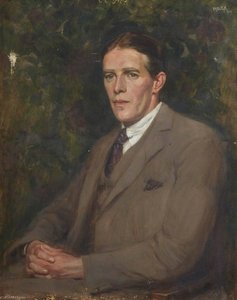
Malcolm Macleod

- 127.0 x 102.0 cm

 Espandi i dettagli
Giclée / Stampe d'arte
Stampa giclée o su tela di qualità museale, con produzione rapida e diverse opzioni di finitura. ( Acquista il dipinto realizzato a mano Passa all'immagine digitale)




































Scegli tra le nostre dimensioni predefinite, che rispettano le proporzioni originali dell'opera d'arte.

Inserisci la larghezza e l'altezza desiderate, per adattarle alla tua cornice o alla tua parete. Una stampa può essere solo ritagliata, mai resa più grande dell'immagine originale; pertanto, un formato con una forma differente comporterà la perdita di una parte dell'opera. Ti invieremo un mockup digitale da approvare prima di procedere con la stampa. L'immagine mostrata in questa pagina non rappresenta il ritaglio reale — solo il mockup lo mostra.
Consegna in tutto il mondo () in 2 settimane invece delle normali 4/5 settimane. (13 Novembre)

Spedizione espressa gratuita in tutto il mondo

Tela in lino di alta qualità

Assicurazione completa sulla spedizione

Garanzia di rimborso dei dazi doganali

Garanzia di fedeltà cromatica assoluta

Politica di reso entro 100 giorni (solo per difetti di fabbricazione)

Garanzia di rimborso al 100%

Offerta per acquisti multipli
 L'opzione vetro è disponibile solo per dimensioni inferiori a 110 cm

Malcolm Macleod
Giclée / Stampe d'arte
Dimensioni riproduzione
-


Prezzo finale calcolato
€ 72
Biografia dell'artista
Duncan MacGregor Whyte: Un Visionario delle Highlands
Duncan Macgregor Whyte, un nome forse meno noto rispetto ad alcuni dei suoi contemporanei, occupa tuttavia un posto significativo nel panorama dell'arte scozzese del XIX e dell'inizio del XX secolo. Nato a Oban, nell'Argyll, nel 1866, in una famiglia profondamente legata alla guida religiosa – suo padre era un ministro congregazionalista – il percorso artistico di Whyte non ebbe inizio tra le mura delle accademie formali, ma attraverso l'osservazione e l'immersione nella bellezza selvaggia delle sue Highlands natie. Questa esperienza formativa avrebbe plasmato profondamente il suo stile distintivo, caratterizzato da un legame profondo con la terra, una comprensione sfumata della luce e una capacità unica di catturare sia la grandiosità che la quieta intimità della vita nelle Highlands.
Le prime influenze furono variegate. La formazione artistica di Whyte ebbe inizio a Glasgow, fornendogli solide basi nelle tecniche tradizionali. Tuttavia, riconoscendo la necessità di un'esposizione più ampia, viaggiò estensivamente in tutta Europa, studiando sotto maestri come Van Havermaet ad Anversa e Delécluse a Parigi. Questi periodi non riguardarono solo l'abilità tecnica; rappresentarono un incontro con diverse filosofie artistiche – in particolare l'enfasi del movimento impressionista nel catturare i momenti fugaci di luce e atmosfera – che avrebbero influenzato sottilmente il suo approccio personale. Fondamentale fu il suo soggiorno a Parigi, dove incontrò Mary Baylis Barnard, una collega artista che divenne sua moglie e collaboratrice di una vita, condividendo non solo un percorso familiare ma anche una visione artistica comune.
La Tavolozza delle Highlands
L'opera di Whyte è definita prevalentemente da due temi ricorrenti: il paesaggio e il ritratto. Sebbene abbia prodotto numerosi vedutismo marino – spesso raffigurando la drammatica linea costiera intorno a Oban e Tiree – furono le sue rappresentazioni dei paesaggi delle Highlands a consolidare definitivamente la sua reputazione. Non si tratta di viste romantiche o idealizzate; al contrario, sono rese con una straordinaria onestà, catturando la durezza del clima, le texture delle torbiere e la luce in continuo mutamento sui pendii delle colline. Egli dipinse frequentemente scene di vita rurale – pastori che si prendono cura dei loro greggi, contadini al lavoro nei campi e famiglie riunite attorno al fuoco – offrendo scorci intimi sui ritmi quotidiani delle comunità delle Highlands.
La sua ritrattistica, altrettanto avvincente, mostrava un occhio acuto nel catturare il carattere e la personalità. Dipinse membri della nobiltà locale, del clero e della gente comune, impiegando spesso una ricca tavolozza di bruni, verdi e grigi per evocare l'umore e l'atmosfera dei suoi soggetti. I ritratti non sono semplici somiglianze; possiedono un senso palpabile di presenza, riflettendo la dignità e la resilienza di coloro che egli ritraeva.
Tecnica e Stile
La tecnica di Whyte si evolse considerevolmente nel corso della sua carriera. Inizialmente influenzato dalle tradizioni accademiche, abbracciò gradualmente una pennellata più libera e colori più brillanti, rispecchiando l'impatente dell'impressionismo. Le sue opere mature dimostrano una crescente fiducia nel catturare gli effetti atmosferici – in particolare il modo in cui la luce interagisce con l'acqua e la pietra – attraverso sottili variazioni di tono e colore. Fu un maestro della stratificazione del colore per creare profondità e consistenza, e l'uso di tecniche di velatura gli permise di costruire superfici luminose che brillavano di luce riflessa.
Il suo stile può essere descritto come "Impressionismo delle Highlands" – una sintesi tra la pittura di paesaggio tradizionale e gli approcci innovativi dell'avanguardia di fine Ottocento. Egli evitò un sentimentalismo eccessivo, concentrandosi invece sul trasmettere un senso di luogo e di tempo attraverso un'osservazione attenta e un'esecuzione magistrale.
Eredità e Riconoscimento
L'opera di Duncan Macgregor Whyte rimase in gran parte in ombra durante la sua vita, nonostante abbia esposto in prestigiose sedi come la Royal Scottish Academy e la Walker Art Gallery. Stabilì uno studio a Balevullin, sull'isola di Tiree, dove continuò a dipingere fino alla morte, avvenuta nel 1953 all'età di 86 anni. Fu solo decenni dopo la sua scomparsa che il suo lavoro iniziò a ricevere un riconoscimento più ampio, grazie agli sforzi di storici dell'arte e collezionisti che ne hanno apprezzato l'unicità della visione.
Oggi, i dipinti di Whyte sono conservati in diverse collezioni importanti, tra cui la Kelvingrove Art Gallery and Museum di Glasgow e la State Art Collection della Art Gallery of Western Australia. La sua eredità perdura come testimonianza del potere dell'osservazione, della bellezza delle Highlands scozzesi e del fascino duraturo di un pittore che seppe catturare lo spirito della sua terra natale con straordinaria abilità e sensibilità.
Duncan Macgregor Whyte
1866 - 1953 , Scozia
Dettagli rapidi
- Artistic Movement Or Style: Ritratto, Paesaggio, Vedutismo marino
- Artists Or Movements Influenced By This Artist: ['Scottish Colourists']
- Artists Who Influenced This Artist:
- Van Havermaet
- Delécluse
- Date Of Birth: 1866
- Date Of Death: 1953
- Full Name: Duncan MacGregor Whyte
- Nationality: Scozzese
- Notable Artworks:
- Dugald McIsaac
- Hugh MacGowan
- The Last Rays of Day
- Place Of Birth: Oban, Argyll, Scozia