
 Anteprima in scala reale
 Invia
Invia Condividi
 Dettagli opera
 Guida
Guida

 Scarica
 Simili
 Radiografia
 Slideshow
 Statistiche
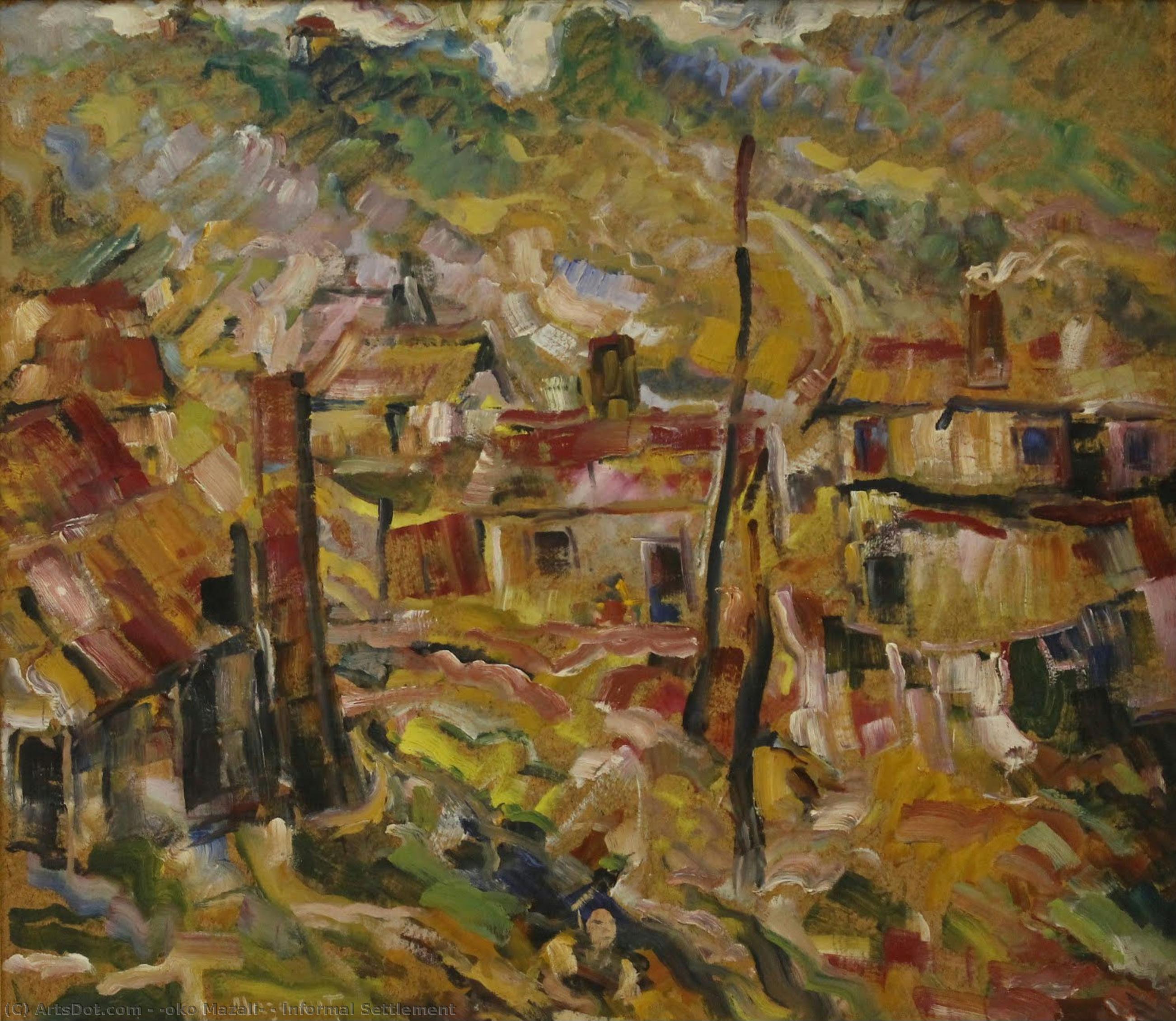
Informal Settlement


 Espandi i dettagli
L'opera d'arte visualizzata in questa pagina è protetta dalle leggi sul diritto d'autore, il che significa che non possiamo legalmente creare o vendere una riproduzione identica. Tale protezione è garantita da accordi internazionali quali la Convenzione di Berna e dalle leggi nazionali, incluse quelle stabilite da Legge sul copyright degli Stati Uniti - Titolo 17. Tutti i diritti riservati. Le immagini presenti su questo sito sono protette da copyright e non possono essere riprodotte o utilizzate senza l'autorizzazione scritta di WahooArt.com o dei rispettivi proprietari del copyright.
Come alternativa rispettosa e legale, offriamo opere d'arte personalizzate e dipinte a mano, ispirate all'originale. I nostri artisti esperti e professionisti studiano con cura lo stile, l'atmosfera e l'essenza artistica dell'opera originale per creare un pezzo nuovo e unico che evochi la stessa emozione, pur rimanendo una creazione originale a pieno titolo.
Questo metodo è pienamente conforme alle normative sul diritto d'autore poiché non prevede la copia o la duplicazione dell'opera protetta. Si tratta invece di una rielaborazione creativa: un nuovo dipinto che trae ispirazione dall'originale, senza tuttavia esserne identico.
Riproduzione a olio fatta a mano
Olio su tela dipinto a mano nelle tue dimensioni e con la tua cornice, realizzato su ordinazione dai nostri artisti. ( Passa alle stampe Passa all'immagine digitale)




P118B €10

P118H €10

P118W €10

P438Z €10

P508JH €12

P508YH €12

P805H €10

P805Z €10

P919BZ €10

P919G €10

P919XJ €10

P959ZH €10

P968JZ €12

W106C €8

W218G €10

W218JH €8

W218Y €10

W307PJ €10

W316G €10

W316PJ €8

W316Y €10

W398PJ €8

W4111J €10

W500HY €15

W500JH €15

W692G €12

W849H €8

W940BG €15

W953PJ €8




Scegli tra le nostre dimensioni predefinite, che rispettano le proporzioni originali dell'opera d'arte.

Inserisci la larghezza e l'altezza desiderate, per adattarle alla tua cornice o alla tua parete. Trattandosi di un'opera dipinta a mano, in caso di dimensioni con un formato differente, l'artista può estendere leggermente il dipinto oltre i bordi dell'immagine o ritagliare una piccola parte — la scelta spetta a te. Ti invieremo un mockup digitale da approvare prima che la realizzazione abbia inizio. L'immagine mostrata in questa pagina non rappresenta il risultato finale — solo il mockup lo fa.
Dopo l'ordine, il team di OriginalUniqueArt.com contatterà il cliente via e-mail per ricevere le istruzioni e fornirà un'anteprima del mockup
Consegna in tutto il mondo () in 3/4 settimane anziché nelle normali 5 settimane. (26 Ottobre). Nessun compromesso sulla qualità.

Spedizione espressa gratuita in tutto il mondo

Tela in lino di alta qualità

Assicurazione completa sulla spedizione

Garanzia di rimborso dei dazi doganali

Garanzia di fedeltà cromatica assoluta

Politica di reso entro 100 giorni (solo per difetti di fabbricazione)

Garanzia di rimborso al 100%

Offerta per acquisti multipli
 L'opzione vetro è disponibile solo per dimensioni inferiori a 110 cm

Informal Settlement
Tecnica di riproduzione
Dimensioni riproduzione
-


Prezzo finale calcolato
€ 263
A Vibrant Tapestry of Life: Exploring Đoko Mazalić’s Informal Settlement
In the evocative masterpiece Informal Settlement, painted in 1962, the renowned Bosnian master Đoko Mazalić invites us into a world that breathes with the rhythm of communal existence. This work is far more than a mere depiction of a mountain village; it is a soulful window into a way of life where humanity, nature, and architecture exist in a delicate, bustling harmony. As the eye wanders across the canvas, one is immediately struck by the vividness of the scene, where the rugged contours of the mountains serve as a protective cradle for a community teeming with vitality. Mazali::ć captures a moment frozen in time, yet vibrating with the energy of a thousand small, daily interactions.
The composition is a masterclass in narrative layering. Within this mountainous enclave, the artist meticulously places elements that suggest both movement and stillness. A dog rests near the threshold of a home, while a horse stands poised on the periphery, grounding the scene in the rustic reality of pastoral life. The presence of a church, marked by its humble cross, provides a spiritual anchor to the landscape, suggesting that faith and tradition are the bedrock upon which these dwellings are built. Through his brush, the village becomes a living organism, where every figure—whether standing in quiet contemplation or moving through the streets—contributes to a larger story of resilience and togetherness.
Technique and the Mastery of Light
Mazalić’s technique in Informal Settlement showcases the stylistic versatility that defined his illustrious career. Having refined his skills at the Academy of Fine Arts in Budapest, he brought a sophisticated understanding of color theory and light to the Bosnian landscape. In this piece, the artist employs a palette that is both earthy and luminous, using light to define the textures of stone, wood, and fabric. The interplay of shadows across the hills creates a sense of depth that pulls the viewer into the heart of the settlement, making the mountains feel tangible and immense.
The brushwork serves to enhance the atmosphere of the piece; it is deliberate yet fluid, capturing the "lively and bustling" essence mentioned in historical accounts. There is a rhythmic quality to how he depicts the various buildings, ranging from simple huts to more structured dwellings, creating a visual cadence that mimics the heartbeat of the village itself. For collectors and interior designers, this painting offers a profound sense of warmth and structural complexity, making it an ideal centerpiece for spaces that require a touch of historical depth and organic beauty.
A Legacy of Connection and Nostalgia
To behold Informal Settlement is to experience a deep sense of nostalgia for a simpler, more interconnected era. Mazalić, a pivotal figure in the Bosnian art scene, had an unparalleled ability to interpret the natural world through a lens of human emotion. This painting does not merely document a location; it celebrates the spirit of the community. The way the figures are scattered throughout the landscape suggests a lack of isolation, emphasizing a social fabric that is tightly woven and inseparable from the land itself.
For those seeking to adorn their homes with art that inspires conversation and emotional resonance, this reproduction offers an unparalleled opportunity. It brings into a modern interior the timeless charm of the 1960s Balkan landscape, providing a sophisticated balance of rustic character and academic excellence. Owning a piece of Mazalić’s legacy is an invitation to reflect on our own connections to place, community, and the enduring beauty of the natural world.
Domande e risposte
Quale emozione trasmette "Informal Settlement" di Đoko Mazalić?
"Informal Settlement" è associata a una sensazione Energetic. Il tono emotivo descrive l'impressione che l'opera trasmette.
Che tipo di opera è "Informal Settlement"?
"Informal Settlement" è un'opera in WallArt.
Che livello di saturazione hanno i colori di "Informal Settlement" di Đoko Mazalić?
La tavolozza di "Informal Settlement" presenta una saturazione Balanced Soft.
Biografia dell'artista
Early Life and Education
Đoko Mazalić, a name synonymous with the evocative landscapes and insightful portraits of Bosnia and Herzegovina, was born in 1888 in Bosanska Kostajnica, a town steeped in history and natural beauty. He emerged as one of the first generation of Bosnian artists to receive formal training at prestigious art academies, alongside luminaries like Gabrijel Jurkić, Petar Tiješić, and Špiro Bočarić – figures who would collectively shape the artistic landscape of their nation. Mazalić’s artistic journey commenced in 1910 when he enrolled at the Academy of Fine Arts in Budapest, a pivotal period during which he honed his skills and absorbed the influences of European art movements. This early exposure to diverse styles—from the burgeoning Secessionism to the more traditional approaches of Naturalism—would profoundly impact his later work, contributing to its remarkable stylistic versatility.Artistic Career and Style
Mazalić’s artistic career is characterized by a captivating blend of innovation and consistency. His paintings, particularly his landscapes, stand as some of his most celebrated achievements, showcasing an unparalleled ability to capture the essence of the Bosnian environment. He possessed a rare gift for translating the rugged beauty of the mountains, the serene tranquility of the rivers, and the vibrant colors of the countryside onto canvas. A prime example of this talent is “Motif from Vranduk” (1920), a landscape piece that exemplifies his meticulous attention to detail and his profound understanding of light and shadow. Throughout his career, Mazalić navigated various artistic currents, demonstrating an openness to experimentation while maintaining a distinctive visual language. His work often hints at the mystical and symbolic, reflecting a deep connection with Bosnian folklore and tradition.Notable Works and Recognition
Mazalić’s oeuvre is rich and diverse, encompassing landscapes, portraits, and scenes of everyday life. Among his most significant works are “Landscape” (1913), now housed in the National Gallery of Bosnia and Herzegovina, and “Motif from Vogošća” (1930), also a treasured addition to the gallery’s collection. The painting "Village under snow" (1930) further demonstrates his ability to capture the dramatic beauty of the Bosnian winter. Beyond these iconic pieces, Mazalić's artistic legacy includes numerous other works that offer glimpses into the soul of Bosnia and Herzegovina. His dedication to preserving and promoting art was evident in his role as a teacher, shaping the careers of younger artists for decades. He also contributed significantly to the establishment of the Art Gallery of the National Museum of Bosnia and Herzegovina in 1930, serving as its director on a voluntary basis until 1943. His scholarly pursuits extended to the study of painting techniques and art history, culminating in the publication of “Lexicon of Artists of B&H” (1965) and “The Art of Painting in B&H in the Turkish Era” (1967), seminal works that remain invaluable resources for scholars and enthusiasts alike.Teaching and Legacy
From 1923 to 1945, Đoko Mazalić dedicated himself to teaching art, leaving an indelible mark on the artistic community of Sarajevo. He served as a professor of drawing in grammar schools, nurturing the talents of generations of aspiring artists. His influence extended beyond the classroom, shaping the direction of Bosnian art and fostering a spirit of innovation and creativity. Mazalić’s work is often described as a unique synthesis of influences—from magic realism and Pointillism to plein air painting and classicism—with occasional hints of surrealism. He was one of the few Bosnian painters who chose to return home after his studies, establishing himself firmly within the Sarajevo art scene and becoming a respected figure in its development.Conclusion
Đoko Mazalić’s artistic legacy stands as a testament to his unwavering dedication, innovative spirit, and profound love for Bosnia and Herzegovina. His paintings continue to resonate with viewers today, offering a window into the beauty of the Bosnian landscape and the richness of its cultural heritage. He remains an enduring symbol of Bosnian art history, inspiring artists and art enthusiasts alike to explore the power of visual expression.
Đoko Mazalić
1888 - 1975 , Bosnia ed Herzegovina
Dettagli rapidi
- Artistic Movement Or Style: Paesaggio e ritratti
- Artists Or Movements Influenced By This Artist: ['Espressionismo']
- Artists Who Influenced This Artist:
- Gabrijel Jurkić
- Petar Tiješić
- Špiro Bočarić
- Date Of Birth: 1888-04-23
- Date Of Death: 1975-02-28
- Full Name: Đoko Mazalić
- Nationality: Bosniaco
- Notable Artworks:
- Motivo da Vranduk
- Motivo da Vogošća
- Villaggio sotto la neve
- Place Of Birth: Bosanska Kostajnica, BiH
Articoli correlati

I 10 Capolavori del Paesaggio Romantico: Arte, Storia e Decorazioni di Lusso
Esplora i 10 capolavori del Paesaggio Romantico con OriginalUniqueArt.com! Caspar David Friedrich, Turner e altri maestri: storia, tecnica e colori che definiscono un'epoca. Trova riproduzioni d'arte di lusso per la tua casa. Scopri la collezione completa online!

Evocations of Place: A Historical Journey Through Landscape Art
Explore the rich history of landscape art with OriginalUniqueArt. Discover renowned artists, movements like Impressionism & Romanticism, and expert guidance for collecting timeless pieces. Find your perfect serene escape today!

Katsushika Hokusai: Le 25 Opere Più Iconiche per Amare l'Arte Giapponese
Esplora le 25 opere più iconiche di Katsushika Hokusai, maestro dell'ukiyo-e. Scopri la storia dietro 'La Grande Onda', il Monte Fuji e altre stampe giapponesi senza tempo. Trova riproduzioni d'arte di alta qualità per decorare la tua casa su OriginalUniqueArt.com.

John Constable: I 25 Capolavori che Celebrano la Bellezza della Campagna Inglese
Esplora i 25 capolavori di John Constable, il maestro del Romanticismo inglese. Paesaggi suggestivi, luce naturale e colori vibranti ti aspettano. Acquista riproduzioni d'arte di alta qualità su OriginalUniqueArt.com e porta la bellezza della campagna inglese nella tua casa.

Capturing Nostalgia: The Timeless Allure and Art History of Village Scene Landscapes
Explore the profound beauty of village scene art. From Impressionist light to pastoral realism, discover how timeless landscapes capture nostalgia through expert artistry and historical depth. Perfect for collectors seeking evocative, museum-quality landscape inspirations.