Anteprima in scala reale
 Invia
Invia Condividi
 Dettagli opera
 Guida
Guida

 Scarica
 Simili
 Radiografia
 Slideshow
 Domande e risposte
 Statistiche
Woman at a Well


 Espandi i dettagli
L'opera d'arte visualizzata in questa pagina è protetta dalle leggi sul diritto d'autore, il che significa che non possiamo legalmente creare o vendere una riproduzione identica. Tale protezione è garantita da accordi internazionali quali la Convenzione di Berna e dalle leggi nazionali, incluse quelle stabilite da Legge sul copyright degli Stati Uniti - Titolo 17. Tutti i diritti riservati. Le immagini presenti su questo sito sono protette da copyright e non possono essere riprodotte o utilizzate senza l'autorizzazione scritta di WahooArt.com o dei rispettivi proprietari del copyright.
Questo metodo è pienamente conforme alle normative sul diritto d'autore poiché non prevede la copia o la duplicazione dell'opera protetta. Si tratta invece di una rielaborazione creativa: un nuovo dipinto che trae ispirazione dall'originale, senza tuttavia esserne identico.
Giclée / Stampe d'arte
Stampa giclée o su tela di qualità museale, con produzione rapida e diverse opzioni di finitura. ( Acquista il dipinto realizzato a mano Passa all'immagine digitale)




P118B €10

P118H €10

P118W €10

P438Z €10

P508JH €12

P508YH €12

P805H €10

P805Z €10

P919BZ €10

P919G €10

P919XJ €10

P959ZH €10

P968JZ €12

W106C €8

W218G €10

W218JH €8

W218Y €10

W307PJ €10

W316G €10

W316PJ €8

W316Y €10

W398PJ €8

W4111J €10

W500HY €15

W500JH €15

W692G €12

W849H €8

W940BG €15

W953PJ €8




Scegli tra le nostre dimensioni predefinite, che rispettano le proporzioni originali dell'opera d'arte.

Inserisci la larghezza e l'altezza desiderate, per adattarle alla tua cornice o alla tua parete. Una stampa può essere solo ritagliata, mai resa più grande dell'immagine originale; pertanto, un formato con una forma differente comporterà la perdita di una parte dell'opera. Ti invieremo un mockup digitale da approvare prima di procedere con la stampa. L'immagine mostrata in questa pagina non rappresenta il ritaglio reale — solo il mockup lo mostra.
Consegna in tutto il mondo () in 2 settimane invece delle normali 4/5 settimane. (8 Novembre)

Spedizione espressa gratuita in tutto il mondo

Tela in lino di alta qualità

Assicurazione completa sulla spedizione

Garanzia di rimborso dei dazi doganali

Garanzia di fedeltà cromatica assoluta

Politica di reso entro 100 giorni (solo per difetti di fabbricazione)

Garanzia di rimborso al 100%

Offerta per acquisti multipli
 L'opzione vetro è disponibile solo per dimensioni inferiori a 110 cm

Woman at a Well
Giclée / Stampe d'arte
Dimensioni riproduzione
-


Prezzo finale calcolato
€ 72
The Cubist Vision of Daily Life
Diego Rivera’s Woman at a Well, dating from 1913, transports us into a moment suspended between the mundane and the profoundly symbolic. This piece is a fascinating confluence of Mexican muralist tradition meeting the radical intellectual currents of early Cubism. Rather than presenting a straightforward narrative scene, Rivera employs fragmented planes and geometric deconstruction to suggest form, inviting the viewer not just to look at the women and the well, but to actively participate in assembling the image within their own mind's eye. The composition is rich with life—two central female figures are depicted, one attending to a wheel while the other cradles a bird. These elements, set against an outdoor backdrop punctuated by the steady presence of a clock on the wall, speak to themes of cyclical time and domestic ritual.
A Dialogue Between Cultures and Styles
Rivera’s early engagement with Cubism is particularly telling. While his later work would become synonymous with monumental narrative frescoes celebrating Mexican history and labor, this piece shows him grappling with avant-garde European techniques. The cubist approach breaks down solid reality into intersecting facets, giving the figures a simultaneously present and disassembled quality. Yet, beneath this modernist veneer lies Rivera’s inherent commitment to storytelling and human dignity. The inclusion of scattered birds throughout the scene adds an organic counterpoint to the sharp angles of the geometry, suggesting the persistent, fluttering beauty that resists rigid categorization.
Symbolism Woven into Form
The symbolism within Woman at a Well is multilayered and deeply resonant. The well itself has historically been a potent symbol—a source of life, sustenance, and often, hidden knowledge. Paired with the wheel, which suggests cycles of time or perhaps agricultural labor, the scene speaks to enduring feminine roles and the passage of time. The bird, an ancient motif across global art, typically represents the soul, freedom, or the spirit itself. By placing these potent symbols—the source, the cycle, the spirit—within a cubist framework, Rivera suggests that even in moments of apparent stasis, life is constantly undergoing intellectual and structural transformation.
Bringing the Masterpiece Home
For collectors and designers seeking to infuse a space with the vibrant energy of early 20th-century modernism, this reproduction offers an unparalleled opportunity. The hand-painted quality ensures that the complexity of Rivera’s brushwork—the interplay between solid form and fractured plane—is faithfully captured. It is not merely a picture; it is an intellectual conversation piece. Imagine this artwork anchoring a room: its dynamic energy will challenge the eye while simultaneously inviting contemplation on time, nature, and the enduring strength found in human connection.
Domande e risposte
Chi ha creato "Woman at a Well" e in quale stile è realizzato?
"Woman at a Well" è stata creata da Diego Rivera in stile Cubism. L'artista e il movimento definiscono la tradizione dell'opera.
Quali dimensioni e orientamento si raccomandano per una stampa di "Woman at a Well" di Diego Rivera?
Formato Medium, orientamento Portrait: questa è la configurazione di stampa suggerita per "Woman at a Well" di Diego Rivera.
Quale formato di stampa si consiglia per "Woman at a Well" di Diego Rivera?
Per "Woman at a Well" di Diego Rivera, si consiglia una riproduzione di Medium. Le dimensioni possono essere modificate mantenendo invariate le proporzioni.
Biografia dell'artista
Primi Anni e Formazione Artistica
- Nato: 8 dicembre 1886, Guanajuato, Messico
- Morto: 24 novembre 1957
- Il percorso artistico di Diego Rivera iniziò presto; mostrò interesse per l'arte fin dall'età di tre anni.
- Studiò all'Accademia di San Carlos a Città del Messico.
- Teodoro A. dehesa Méndez sponsorizzò i suoi studi in Europa, a partire dal 1907.
- Inizialmente studiò con Eduardo Chicharro a Madrid, Spagna.
- Si trasferì a Parigi, Francia, diventando parte della comunità artistica di Montparnasse.
Influenze Europee e Sviluppo Artistico
- I primi lavori europei furono influenzati dal Realismo.
- L'esposizione al Cubismo ebbe un impatto significativo sul suo stile dopo il 1912.
- Influenzato da artisti come Pablo Picasso e Georges Seurat.
- I suoi dipinti durante questo periodo iniziarono a incorporare forme geometriche e piani intersecanti, riflettendo il movimento cubista.
Ritorno in Messico e il Movimento del Muralismo Messicano
- Rivera tornò in Messico nel 1921, un momento cruciale nella sua carriera.
- Divenne una figura di spicco nel Movimento del Muralismo Messicano, con l'obiettivo di creare arte pubblica accessibile a tutti.
- I suoi murales spesso raffiguravano scene della storia messicana e temi sociali.
- Tra le prime opere notevoli figurano "Creazione" (1922) e i murales alla Secretaría de Educación Pública a Città del Messico.
Opere Principali e Stile Artistico
- Creazione (1922): Il suo primo murale significativo, utilizzando la tecnica dell'encausto.
- Sogni di una Domenica all'Alameda: Controversa per la sua rappresentazione dell'ateismo.
- Murales della Secretaría de Educación Pública: Presentano il suo stile unico con figure grandi, semplificate e colori audaci influenzati dall'arte azteca.
- Murales dell'Industria di Detroit (1933): Commissionati per il Detroit Institute of Arts, raffiguranti processi industriali e lavoratori.
- Stile di Rivera: Caratterizzato da scala monumentale, forme semplificate, colori vivaci e un focus su narrazioni sociali e storiche. Incorporò elementi del folclore messicano e dell'estetica precolombiana nel suo lavoro.
Eredità e Significato Storico
- Diego Rivera è considerato uno degli artisti più importanti del XX secolo.
- I suoi murales sono esempi significativi di realismo sociale e arte pubblica.
- Ha svolto un ruolo cruciale nell'istituzione del Muralismo Messicano come movimento artistico influente.
- Il lavoro di Rivera riflette le sue convinzioni politiche, in particolare le sue opinioni marxiste.
- La sua vita personale, compreso il matrimonio con Frida Kahlo, ha contribuito alla sua fama duratura e al significato culturale.

Diego Rivera
1886 - 1957 , Messico
Dettagli rapidi
- Artisti Influenti:
- El Greco
- Goya
- Velázquez
- Picasso
- Data Di Nascita: 8 dicembre 1886
- Luogo Di Nascita: Guanajuato, Messico
- Movimento Artistico: Muralismo messicano
- Nazionalità: Messicana
- Nome Completo: Diego Rivera
- Opere Notevoli:
- Creazione (1922)
- Sogno domenicale
- Detroit Industry
Articoli correlati

The Enduring Legacy of Fine Art Prints: Technique, History & Aesthetic Impact
Explore the rich history & techniques of fine art prints. Discover investment potential, assess authenticity, and learn how to preserve your collection with expert guidance. Trusted insights for discerning collectors.
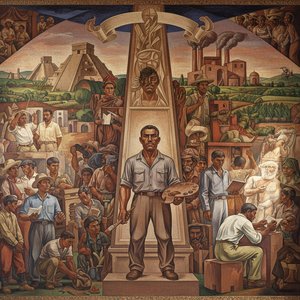
Diego Rivera: Una Visione Rivoluzionaria dell'Identità Messicana Attraverso il Muralismo
Esplora la rivoluzionaria arte di Diego Rivera e il potente movimento del muralismo messicano. Approfondisci temi, tecniche e l'impatto culturale di questa forma d'arte unica.

Echoes of Time: Exploring the Enduring Appeal & Historical Context of Vintage Art Prints
Explore the captivating world of vintage art prints! Discover their history, collecting tips & enduring appeal. Expert insights on chromolithography and building a legacy collection with OriginalUniqueArt.

Stampe Giclée: Guida alla Qualità Museale e alla Longevità dell'Arte Digitale
Scopri la vera tecnica Giclée e come distinguere una stampa d'arte da un poster. Impara a proteggere il tuo investimento artistico.
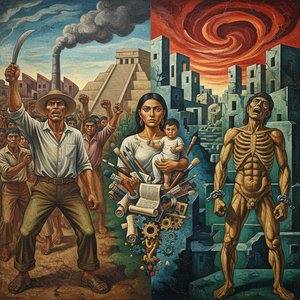
Revolution on Canvas: Exploring the Socio-Political Power & Artistic Legacy of Mexican Muralism
Explore the powerful world of Mexican muralism! Discover Diego Rivera, Frida Kahlo & Orozco's revolutionary art, social impact & lasting legacy. Expert insights & high-quality reproductions at OriginalUniqueArt.