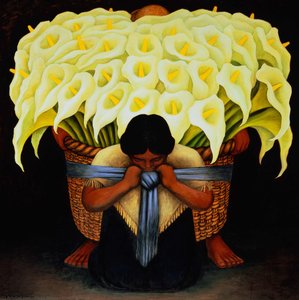
Anteprima in scala reale
 Condividi
 Condividi
 Dettagli
 Guida stampabile

 Scarica
 Articoli simili
 Radiografia
 Slideshow
 Statistiche
Dancer Resting
 Acrylic On Canvas
- WallArt
- Social Realist Painting
 1939
1939- 19th Century
 95.0 x 166.0 cm
 Leggi tutto
L'opera d'arte visualizzata in questa pagina è protetta dalle leggi sul diritto d'autore, il che significa che non possiamo legalmente creare o vendere una riproduzione identica. Tale protezione è garantita da accordi internazionali quali la Convenzione di Berna e dalle leggi nazionali, incluse quelle stabilite da Legge sul copyright degli Stati Uniti - Titolo 17. Tutti i diritti riservati. Le immagini presenti su questo sito sono protette da copyright e non possono essere riprodotte o utilizzate senza l'autorizzazione scritta di WahooArt.com o dei rispettivi proprietari del copyright.
Questo metodo è pienamente conforme alle normative sul diritto d'autore poiché non prevede la copia o la duplicazione dell'opera protetta. Si tratta invece di una rielaborazione creativa: un nuovo dipinto che trae ispirazione dall'originale, senza tuttavia esserne identico.
Giclée / Stampe d'arte
Stampa giclée o su tela di qualità museale, con produzione rapida e diverse opzioni di finitura. ( Ordina la riproduzione dipinta a mano Passa all'immagine digitale)




P118B €10

P118H €10

P118W €10

P438Z €10

P508JH €12

P508YH €12

P805H €10

P805Z €10

P919BZ €10

P919G €10

P919XJ €10

P959ZH €10

P968JZ €12

W106C €8

W218G €10

W218JH €8

W218Y €10

W307PJ €10

W316G €10

W316PJ €8

W316Y €10

W398PJ €8

W4111J €10

W500HY €15

W500JH €15

W692G €12

W849H €8

W940BG €15

W953PJ €8




Scegli tra le nostre dimensioni predefinite, che rispettano le proporzioni originali dell'opera d'arte.

Inserisci la larghezza e l'altezza desiderate, per adattarle alla tua cornice o alla tua parete. Una stampa può essere solo ritagliata, mai resa più grande dell'immagine originale; pertanto, un formato con una forma differente comporterà la perdita di una parte dell'opera. Ti invieremo un mockup digitale da approvare prima di procedere con la stampa. L'immagine mostrata in questa pagina non rappresenta il ritaglio reale — solo il mockup lo mostra.
Consegna in tutto il mondo () in 2 settimane invece delle normali 4/5 settimane. (21 Ottobre)

Spedizione espressa gratuita in tutto il mondo

Tela in lino di alta qualità

Assicurazione completa sulla spedizione

Garanzia di rimborso dei dazi doganali

Garanzia di perfetta fedeltà cromatica

Politica di reso entro 100 giorni (solo per difetti di fabbricazione)

Garanzia di rimborso al 100%

Sconto per acquisti multipli
 L'opzione vetro è disponibile solo per dimensioni inferiori a 110 cm

Dancer Resting
Giclée / Stampe d'arte
Dimensioni della riproduzione
-


Prezzo totale
€ 70
Diego Rivera’s *Dancer Resting*: A Study in Form and Sensuality
This meticulously crafted hand-painted reproduction of Diego Rivera's 1939 work, *Dancer Resting*, offers a captivating glimpse into the artist’s masterful approach to portraiture and his exploration of the human form. Measuring 95 x 166 cm, this piece immediately draws the viewer in with its intimate scale and the undeniable presence of the reclining dancer. Rivera, a titan of Mexican muralism, was renowned for his large-scale narratives that celebrated social and political themes, yet this smaller work reveals a more personal and arguably more sensual side to his artistic vision.
- Subject Matter: The central focus is undeniably the woman herself – a figure rendered with remarkable anatomical precision and a palpable sense of repose. Her prominent form, accentuated by the soft lighting, invites contemplation on themes of beauty, vulnerability, and perhaps even the fleeting nature of existence.
- Style & Technique: Rivera’s brushwork is characterized by its bold confidence and expressive dynamism, hallmarks of his style developed during his time in Europe. Here, he employs a looser, more painterly approach than might be seen in his monumental murals, allowing for a greater emphasis on the tactile quality of the surface and the subtle nuances of light and shadow. The use of color is restrained – primarily earthy tones – contributing to the painting’s overall mood of quiet contemplation.
Historical Context: Rivera's Parisian Influences
Painted in 1939, *Dancer Resting* reflects Diego Rivera’s evolving artistic journey following his extended sojourns in Europe. After initially studying Realism in Madrid under Eduardo Chicharro, Rivera found himself profoundly influenced by the vibrant and experimental art scene of Paris. The Montparnasse district, a hub for avant-garde artists, provided him with exposure to Cubism, Surrealism, and other movements that challenged traditional artistic conventions. While he continued to develop his own distinct style, these influences are subtly present in *Dancer Resting* – particularly in the flattened perspective and simplified forms of the figure’s body.
- Rivera's Experimentation: This work represents a period of experimentation for Rivera, moving away from purely narrative depictions towards a more focused exploration of individual character and emotion.
- Political Undertones (Subtle): Although not overtly political like many of his murals, the painting’s sensual depiction of the female form can be interpreted as a subtle challenge to prevailing social norms and expectations.
Symbolism and Emotional Impact
*Dancer Resting* transcends a simple portrait; it's an evocative meditation on the human condition. The dancer’s pose – head resting on her hand, suggesting both fatigue and serenity – invites viewers to consider themes of rest, vulnerability, and perhaps even the artist’s own relationship with his subject. The carefully controlled lighting enhances this emotional impact, creating a sense of intimacy and drawing us into the dancer's private moment. Rivera masterfully uses chiaroscuro—the dramatic contrast between light and dark—to sculpt the figure’s form and heighten its expressive power.
- The Chair as Symbol: The chair itself, positioned towards the right of the composition, could be interpreted as a symbol of transition or repose, further reinforcing the theme of rest.
- A Moment Frozen in Time: Rivera captures a fleeting moment – a pause between movements – creating an image that is both timeless and intensely personal.
Perfect for Your Collection
This hand-painted reproduction of *Dancer Resting* offers a unique opportunity to own a piece of art history, crafted with the same meticulous attention to detail as the original. Its size (95 x 166 cm) makes it suitable for a variety of interior design settings – from a formal salon to a more relaxed living room. Whether you are an established collector of Rivera’s work or simply seeking a stunning piece of art to elevate your space, this reproduction is sure to be a captivating addition to your collection.
Domande e risposte
"Dancer Resting" di Diego Rivera utilizza forti contrasti o armonie delicate?
La composizione cromatica di "Dancer Resting" di Diego Rivera unisce un Serene contrasto con una Balanced Harmony armonia.
Quale stato d'animo ed emozione esprime "Dancer Resting" di Diego Rivera?
In "Dancer Resting", un'atmosfera Romantic accompagna un'emozione Nostalgic.
Dove posso acquistare una stampa di "Dancer Resting" di Diego Rivera?
Per ordinare una stampa di "Dancer Resting" di Diego Rivera, ti basta cercarla nella sua pagina dedicata Stampa Fine Art: una stampa fine art su tela di cotone o carta canvas d'archivio.
Biografia dell'artista
Primi Anni e Formazione Artistica
- Nato: 8 dicembre 1886, Guanajuato, Messico
- Morto: 24 novembre 1957
- Il percorso artistico di Diego Rivera iniziò presto; mostrò interesse per l'arte fin dall'età di tre anni.
- Studiò all'Accademia di San Carlos a Città del Messico.
- Teodoro A. dehesa Méndez sponsorizzò i suoi studi in Europa, a partire dal 1907.
- Inizialmente studiò con Eduardo Chicharro a Madrid, Spagna.
- Si trasferì a Parigi, Francia, diventando parte della comunità artistica di Montparnasse.
Influenze Europee e Sviluppo Artistico
- I primi lavori europei furono influenzati dal Realismo.
- L'esposizione al Cubismo ebbe un impatto significativo sul suo stile dopo il 1912.
- Influenzato da artisti come Pablo Picasso e Georges Seurat.
- I suoi dipinti durante questo periodo iniziarono a incorporare forme geometriche e piani intersecanti, riflettendo il movimento cubista.
Ritorno in Messico e il Movimento del Muralismo Messicano
- Rivera tornò in Messico nel 1921, un momento cruciale nella sua carriera.
- Divenne una figura di spicco nel Movimento del Muralismo Messicano, con l'obiettivo di creare arte pubblica accessibile a tutti.
- I suoi murales spesso raffiguravano scene della storia messicana e temi sociali.
- Tra le prime opere notevoli figurano "Creazione" (1922) e i murales alla Secretaría de Educación Pública a Città del Messico.
Opere Principali e Stile Artistico
- Creazione (1922): Il suo primo murale significativo, utilizzando la tecnica dell'encausto.
- Sogni di una Domenica all'Alameda: Controversa per la sua rappresentazione dell'ateismo.
- Murales della Secretaría de Educación Pública: Presentano il suo stile unico con figure grandi, semplificate e colori audaci influenzati dall'arte azteca.
- Murales dell'Industria di Detroit (1933): Commissionati per il Detroit Institute of Arts, raffiguranti processi industriali e lavoratori.
- Stile di Rivera: Caratterizzato da scala monumentale, forme semplificate, colori vivaci e un focus su narrazioni sociali e storiche. Incorporò elementi del folclore messicano e dell'estetica precolombiana nel suo lavoro.
Eredità e Significato Storico
- Diego Rivera è considerato uno degli artisti più importanti del XX secolo.
- I suoi murales sono esempi significativi di realismo sociale e arte pubblica.
- Ha svolto un ruolo cruciale nell'istituzione del Muralismo Messicano come movimento artistico influente.
- Il lavoro di Rivera riflette le sue convinzioni politiche, in particolare le sue opinioni marxiste.
- La sua vita personale, compreso il matrimonio con Frida Kahlo, ha contribuito alla sua fama duratura e al significato culturale.

Diego Rivera
1886 - 1957 , Messico
Informazioni rapide
- Artisti Influenti:
- El Greco
- Goya
- Velázquez
- Picasso
- Data Di Nascita: 8 dicembre 1886
- Luogo Di Nascita: Guanajuato, Messico
- Movimento Artistico: Muralismo messicano
- Nazionalità: Messicana
- Nome Completo: Diego Rivera
- Opere Notevoli:
- Creazione (1922)
- Sogno domenicale
- Detroit Industry
Articoli correlati
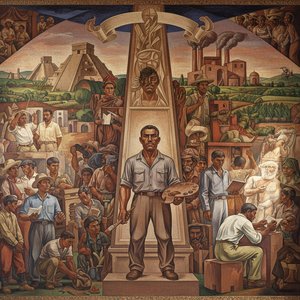
Diego Rivera: Una Visione Rivoluzionaria dell'Identità Messicana Attraverso il Muralismo
Esplora la rivoluzionaria arte di Diego Rivera e il potente movimento del muralismo messicano. Approfondisci temi, tecniche e l'impatto culturale di questa forma d'arte unica.

I 10 Capolavori del Realismo Romantico che hanno Incantato la Storia dell'Arte
Esplora l'emozione del Realismo Romantico attraverso 10 capolavori senza tempo. Scopri la storia di maestri come Constable e Friedrich e lasciati ispirare da opere iconiche per il tuo arredamento. Trova riproduzioni d'arte di qualità museale su OriginalUniqueArt.com.

Mexican Muralism for Commercial Interiors: A Procurement Guide to Large-Scale Masterpiece Reproductions
Elevate commercial interiors with premium Mexican Muralism reproductions. Our guide for hotel designers covers large-scale Diego Rivera-style murals, custom sizing, and bulk procurement solutions for high-impact hospitality spaces. Reliable global shipping and professional art consultation.
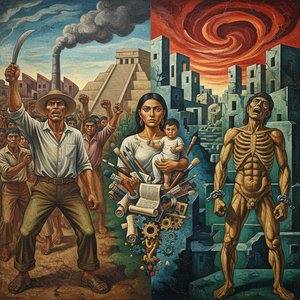
Revolution on Canvas: Exploring the Socio-Political Power & Artistic Legacy of Mexican Muralism
Explore the powerful world of Mexican muralism! Discover Diego Rivera, Frida Kahlo & Orozco's revolutionary art, social impact & lasting legacy. Expert insights & high-quality reproductions at OriginalUniqueArt.

Walls of Revolution: The Powerful Legacy and Social Realism of Mexican Muralism
Explore the profound legacy of Mexican Muralism. Discover how masters like Diego Rivera used social realism to redefine history through powerful, large-scale frescoes and revolutionary iconography.