
 Anteprima in scala reale
 Condividi
 Condividi
 Dettagli

 Scarica immagine
 Articoli simili
 Radiografia
 Slideshow
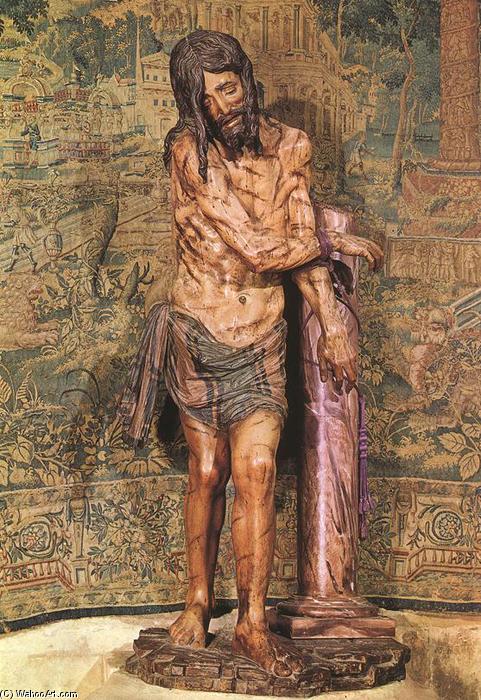
Christ at the Column


 Leggi tutto
Giclée / Stampe d'arte
Stampa giclée o su tela di qualità museale, con produzione rapida e diverse opzioni di finitura. ( Ordina la riproduzione dipinta a mano Acquista download)




































Scegli tra le nostre dimensioni predefinite, che rispettano le proporzioni originali dell'opera d'arte.

È possibile inserire dimensioni personalizzate per adattare l'opera a una cornice o a uno spazio specifico. Se la dimensione selezionata non corrisponde alle proporzioni dell'immagine originale, procederemo al ritaglio dell'opera o all'estensione dell'immagine con un bordo specchiato o a tinta unita. Un mockup digitale ti verrà inviato per approvazione prima dell'inizio della produzione.
Si prega di notare che l'anteprima a schermo non riflette il ritaglio o l'estensione effettivi. Solo il mockup mostrerà accuratamente la composizione finale.
Sebbene siano disponibili dimensioni personalizzate, si raccomanda di selezionare una dimensione dall'elenco predefinito per preservare le proporzioni originali.
Consegna in tutto il mondo () in 2 settimane invece delle normali 4/5 settimane. (15 Agosto)

Spedizione espressa gratuita in tutto il mondo

Tela in lino di alta qualità

Assicurazione completa sulla spedizione

Garanzia di rimborso dei dazi doganali

Garanzia di fedeltà cromatica dell'originale

Politica di reso entro 60 giorni (solo per difetti di fabbricazione)

Garanzia di rimborso al 100%

Sconto per acquisti multipli
 L'opzione vetro è disponibile solo per dimensioni inferiori a 110 cm

Christ at the Column
Giclée / Stampe d'arte
Dimensioni della riproduzione
-


Prezzo totale
$ 80
Biografia dell'artista
Diego de Siloe: Pioneer of Granadan Sculpture and Renaissance Architecture
Diego de Siloe (c. 1495–1563) stands as a pivotal figure in the artistic landscape of Spain during the Renaissance, recognized primarily for his groundbreaking contributions to sculpture and architecture—particularly his role as the progenitor of the Granadan school of sculpture and his masterful designs for Granada Cathedral and the Monastery of Saint Jerome. Born in Burgos around 1495, he was likely the son of Gil de Siloé, a prominent gothic sculptor who had already established himself in Flanders. This familial connection to Gothic tradition profoundly shaped Siloe’s artistic sensibilities, fostering a synthesis between European influences that would define his oeuvre.Early Life and Burgundian Influence
Siloe's initial artistic training occurred in Burgos, where he honed his sculptural skills under the tutelage of his father. His formative years coincided with the burgeoning Renaissance fervor sweeping across Europe, notably fueled by visits to Naples around 1517 where he encountered the stylistic innovations championed by Donato Bramante and Filippo Brunelleschi—architects who were reshaping Roman grandeur into a new humanist ideal. This exposure instilled in Siloe an appreciation for classical proportions and architectural principles that would subsequently permeate his projects. The monumental staircase of Burgos Cathedral, completed in 1519, exemplifies this fusion of Gothic and Renaissance styles. Its soaring structure, adorned with intricate carvings depicting cherubs, coats of arms, and vegetal ornamentation, represents a bold departure from traditional cathedral design while retaining the solemn grandeur characteristic of gothic architecture. Siloe skillfully navigated the challenges posed by the cathedral’s location on the city's northern flank, creating a space that defied conventional limitations through innovative structural solutions—a testament to his understanding of engineering alongside artistic vision.The Granada Cathedral Project: A Synthesis of Styles
Siloe’s most ambitious undertaking was undoubtedly the Granada Cathedral project, commencing in 1528 and culminating in his death in 1563. Recognizing the potential for architectural grandeur inspired by Roman precedents, Siloe embarked on a monumental endeavor—constructing a vast vaulted space without scaffolding—a feat that cemented Granadan architecture as a distinct artistic tradition. Drawing inspiration from Brunelleschi’s dome at Florence Cathedral and employing techniques reminiscent of Roman engineering, he achieved an unprecedented accomplishment. The cathedral's elevations are imbued with references to classical architectural forms, reflecting Siloe’s unwavering commitment to humanist ideals. Furthermore, he skillfully integrated elements of Mudéjar ornamentation—the artistic traditions of Muslim Spain—creating a harmonious blend of styles that underscored Granada’s multicultural heritage and honored its rich history. This project stands as a symbol of Siloe's mastery and his ability to synthesize disparate influences into a singular masterpiece.Sculptural Achievements: Burgos Cathedral and Beyond
Siloe’s sculptural output extended far beyond the cathedral walls, encompassing numerous commissions that showcased his exceptional craftsmanship and stylistic sophistication. His sculptures frequently depict religious subjects with meticulous detail and expressive dynamism, reflecting the humanist preoccupation with human emotion and spirituality prevalent during the Renaissance. Notable pieces include “Christ at the Column,” a poignant portrayal of Christ’s suffering embodying Christian iconography, and “Virgin and Child,” demonstrating Siloe's mastery of anatomical accuracy and emotive rendering—works that exemplify the highest standards of artistic execution. His sculptures are considered the apex of Burgos Plateresque style—a regional artistic movement distinguished by its opulent decoration and refined sculptural technique.Legacy and Influence
Diego de Siloe’s contribution to Spanish art transcends mere stylistic innovation; he fundamentally reshaped the artistic landscape of his time, establishing Granadan Cathedral as a cornerstone of Renaissance architecture in Spain and solidifying his position as the founder of the Granadan school of sculpture. His work stands as a testament to the transformative power of cultural exchange—the blending of Gothic heritage with Italian humanist ideals—and continues to inspire admiration for its beauty and intellectual depth. He remains an artist whose influence reverberates through centuries, securing his place among Spain’s most celebrated Renaissance masters—a true visionary who elevated artistic expression to new heights.
Diego de Siloé
1495 - 1563 , Spagna
Informazioni rapide
- Artistic Movement Or Style: Plateresque
- Artists Or Movements Influenced By This Artist: Filippo Brunelleschi
- Artists Who Influenced This Artist: Gil de Siloé
- Date Of Birth: ca. 1495
- Full Name: Diego de Siloe
- Nationality: Spagnolo
- Notable Artworks:
- Escalera Dorada
- Granada Cathedral
- Place Of Birth: Burgos, Spagna

