

 Anteprima in scala reale
 Invia
Invia Condividi
 Dettagli opera
 Guida
Guida

 Scarica
 Simili
 Radiografia
 Slideshow
 Q&A
Q&A Statistiche
A View in Cairo
 Acrylic On Canvas
- WallArt
- Orientalist Romanticism
 1840
1840 91.0 x 70.0 cm
 Royal Collection
 Espandi i dettagli
Giclée / Stampe d'arte
Stampa giclée o su tela di qualità museale, con produzione rapida e diverse opzioni di finitura. ( Acquista il dipinto realizzato a mano Passa all'immagine digitale)




P118B €10

P118H €10

P118W €10

P438Z €10

P508JH €12

P508YH €12

P805H €10

P805Z €10

P919BZ €10

P919G €10

P919XJ €10

P959ZH €10

P968JZ €12

W106C €8

W218G €10

W218JH €8

W218Y €10

W307PJ €10

W316G €10

W316PJ €8

W316Y €10

W398PJ €8

W4111J €10

W500HY €15

W500JH €15

W692G €12

W849H €8

W940BG €15

W953PJ €8




Scegli tra le nostre dimensioni predefinite, che rispettano le proporzioni originali dell'opera d'arte.

Inserisci la larghezza e l'altezza desiderate, per adattarle alla tua cornice o alla tua parete. Una stampa può essere solo ritagliata, mai resa più grande dell'immagine originale; pertanto, un formato con una forma differente comporterà la perdita di una parte dell'opera. Ti invieremo un mockup digitale da approvare prima di procedere con la stampa. L'immagine mostrata in questa pagina non rappresenta il ritaglio reale — solo il mockup lo mostra.
Consegna in tutto il mondo () in 2 settimane invece delle normali 4/5 settimane. (30 Ottobre)

Spedizione espressa gratuita in tutto il mondo

Tela in lino di alta qualità

Assicurazione completa sulla spedizione

Garanzia di rimborso dei dazi doganali

Garanzia di fedeltà cromatica assoluta

Politica di reso entro 100 giorni (solo per difetti di fabbricazione)

Garanzia di rimborso al 100%

Offerta per acquisti multipli
 L'opzione vetro è disponibile solo per dimensioni inferiori a 110 cm

A View in Cairo
Giclée / Stampe d'arte
Dimensioni riproduzione
-


Prezzo finale calcolato
€ 71
A View in Cairo: A Window into Victorian Egypt
David Roberts’s “A View in Cairo,” painted in 1840, is more than just a depiction of an Egyptian cityscape; it's a meticulously crafted window into the Victorian fascination with the Orient. This oil on canvas transports us to the heart of the bustling metropolis of Cairo, capturing not merely its physical appearance but also the atmosphere and cultural nuances that captivated European artists and travelers during this era. Roberts, a Scottish painter who spent several years documenting the Middle East, wasn’t simply recording what he saw; he was actively interpreting it through the lens of his time, blending topographical accuracy with a distinctly Romantic sensibility.
The painting immediately draws the eye to the twin minarets that dominate the skyline – a potent symbol of Islamic faith and power. These towering structures, rendered with remarkable detail, anchor the composition and establish a sense of grandeur against the backdrop of the city’s intricate streetscape. Roberts masterfully employs light and shadow, creating a dynamic interplay between illumination and darkness that breathes life into the scene. The warm glow of the sun highlights the textures of the buildings – the weathered stone, the wooden lattice work, and the vibrant colors of the clothing worn by the figures below. This careful attention to detail speaks volumes about Roberts’s artistic skill and his commitment to capturing the essence of Cairo.
The Language of Orientalism
“A View in Cairo” is a quintessential example of Orientalist painting, a genre that flourished during the 19th century. Orientalism, as it was understood then, wasn’t simply about depicting the East; it involved a complex interplay of fascination, exoticization, and often, colonial power dynamics. Roberts's work reflects this duality. While he presents a vibrant and lively scene, there’s an undeniable sense of distance – a carefully constructed perspective that positions the viewer as an observer rather than a participant. The figures in the foreground are rendered with a degree of formality, suggesting a certain level of social hierarchy, while their activities—shopping, conversing, carrying goods—offer glimpses into daily life.
The painting’s composition also contributes to this sense of otherness. Roberts strategically frames the scene, drawing our attention to specific elements – the minarets, the bustling street, and the figures engaged in various activities. This deliberate framing reinforces the idea that Cairo is a world apart, a place of exotic beauty and mystery that demands careful study and interpretation.
Technique and Detail
Roberts’s technical skill is evident throughout “A View in Cairo.” He demonstrates a remarkable ability to capture the textures and details of the city – from the rough-hewn stone of the buildings to the intricate patterns on the fabrics worn by the figures. His use of color is particularly noteworthy, with subtle gradations of tone creating a sense of depth and realism. The artist’s meticulous observation and skillful brushwork are further enhanced by his use of perspective, which creates a convincing illusion of space.
The painting was created using a layering technique, building up the image gradually through multiple thin washes of paint. This method allowed Roberts to achieve the desired level of detail and luminosity. The result is a richly textured surface that invites close examination – revealing the artist’s patient handiwork and his dedication to capturing the beauty of Cairo.
A Legacy of Vision
“A View in Cairo” remains a significant work of art, offering valuable insights into Victorian perceptions of the Middle East. It's not merely a historical document but also a testament to Roberts’s artistic vision and his ability to capture the spirit of a place and time. Reproductions of this painting continue to be appreciated for their beauty, detail, and evocative atmosphere. Its enduring appeal lies in its ability to transport us back to 1840 Cairo – a vibrant, bustling city brimming with life and mystery.
Domande e risposte
"A View in Cairo" è disponibile come stampa d'arte di alta qualità?
Per ordinare una stampa di "A View in Cairo" di David Roberts, ti basta cercarla nella sua pagina dedicata Stampa Fine Art: una stampa fine art su tela di cotone o carta canvas d'archivio.
Che atmosfera saprebbe conferire a una stanza una riproduzione di "A View in Cairo" di David Roberts?
Con la sua atmosfera Romantic, "A View in Cairo" è ideale per Living Room.
Qual è la luminosità di "A View in Cairo" di David Roberts?
"A View in Cairo" di David Roberts ha una luminanza di Gentle Luminance. La luminanza descrive quanta luce sembrano riflettere i colori.
Biografia dell'artista
David Roberts: Una Vita nell'Arte
David Roberts (1796-1864) era un pittore scozzese celebrato per le sue dettagliate scene orientaliste e i suoi meticolosi litografie. Il suo lavoro fornisce una documentazione visiva inestimabile del Medio Oriente nel XIX secolo, colmando il divario tra la rappresentazione artistica e la registrazione storica.
Primi Anni di Vita e Carriera
Nato il 24 ottobre 1796 a Stockbridge vicino Edimburgo, la giovinezza di Roberts fu segnata da una formazione pratica. A soli dieci anni, iniziò un apprendistato con il pittore e decoratore Gavin Beugo. Questa esperienza fondamentale instillò un solido set di competenze tecniche, che completò con studi artistici serali.
Il suo lavoro professionale iniziale includeva la ristrutturazione di Scone Palace nel 1815. Successivamente passò alla pittura di scene per il circo di James Bannister, affinando le sue abilità nella creazione di ambienti immersivi. Queste prime esperienze hanno gettato le basi per il suo successivo successo come pittore orientalista di spicco.
Viaggio Artistico e Influenze
Lo sviluppo artistico di Roberts fu plasmato da un crescente fascino per culture e paesaggi diversi. Sebbene inizialmente concentrato sulla scenografia teatrale, si è gradualmente spostato verso iniziative artistiche più indipendenti. I suoi viaggi in Spagna nel 1832 furono formativi, suscitando interesse per i dettagli architettonici e le località esotiche.
Tuttavia, fu il suo esteso tour di Egitto e Medio Oriente (1838-1840) a definire veramente la sua carriera. Questi viaggi gli hanno fornito una vasta gamma di schizzi e osservazioni che ha successivamente tradotto nelle sue opere più famose. Il suo stile non è stato fortemente influenzato da un singolo artista, ma piuttosto si è sviluppato attraverso l'osservazione attenta e la maestria tecnica.
Opere Notevoli e Realizzazioni
Roberts è meglio conosciuto per La Terra Santa, Siria, Idumea, Arabia, Egitto e Nubia – una serie di litografie meticolosamente dettagliate. Queste immagini hanno catturato la grandezza dei siti antichi e l'energia della vita contemporanea nella regione.
- Litografie: Le sue litografie sono state ampiamente circolate e sono diventate altamente influenti nel plasmare le percezioni europee del Medio Oriente.
- Pittura: Ha anche prodotto numerosi dipinti a olio, spesso opere su larga scala che raffigurano paesaggi vasti e meraviglie architettoniche.
Nel 1841, Roberts fu eletto Royal Academician – un riconoscimento significativo dei suoi contributi al mondo dell'arte.
Stile Artistico e Caratteristiche
Lo stile artistico di Roberts è caratterizzato da:
- Orientalismo: Un forte focus sulla rappresentazione di scene dal Medio Oriente, che riflette la fascinazione europea per “l'Oriente”.
- Attenzione ai Dettagli: Il suo lavoro è rinomato per la sua precisione e accuratezza nel rendere dettagli architettonici, costumi e paesaggi.
- Paesaggistica & Città: Ha sapientemente combinato sensibilità romantiche con l'osservazione dettagliata, creando rappresentazioni evocative sia di ambienti naturali che di contesti urbani.
Eredità e Significato Storico
Il lavoro di David Roberts ha svolto un ruolo cruciale nel rendere popolare il Medio Oriente tra il pubblico europeo. Le sue immagini hanno fornito una finestra visiva su una regione che era in gran parte sconosciuta a molti, influenzando i viaggi, la ricerca accademica e la rappresentazione artistica.
Le sue litografie sono servite da importanti documenti storici, preservando immagini di siti che sono stati successivamente modificati o persi. Ha lasciato un segno indelebile nel mondo dell'arte, ispirando generazioni successive di artisti e continuando a incantare gli spettatori oggi.

David Roberts
1796 - 1864 , United Kingdom
Dettagli rapidi
- Artistic Movement Or Style: Orientalismo
- Artists Or Movements Influenced By This Artist: ['Neoclassico']
- Artists Who Influenced This Artist: ['Gavin Beugo']
- Date Of Birth: 24 ottobre 1796
- Date Of Death: 25 novembre 1864
- Full Name: David Roberts
- Nationality: Scozzese
- Notable Artworks:
- La Terra Santa
- Siria, Idumea, Arabia, Egitto e Nubia
- Place Of Birth: Stockbridge, Regno Unito
Articoli correlati

Jacques-Louis David: Neoclassicismo, Rivoluzione e l'Arte come Testimonianza di un'Epoca
Esplora la vita e le opere di Jacques-Louis David, il maestro del Neoclassicismo francese. Analisi approfondite dei suoi capolavori rivoluzionari e dell'influenza artistica che ha lasciato un segno indelebile nella storia dell'arte.

David Roberts: Un Pioniere dell'Arte Topografica e la Visione Orientalista di un Paesaggio Perduto
Scopri David Roberts, pioniere dell'arte topografica e maestro dell'Orientalismo. Analizziamo il suo capolavoro 'Il Viaggio in Siria...' e l'influenza su artisti come Carlo Bossoli. Un viaggio nell'arte del XIX secolo.
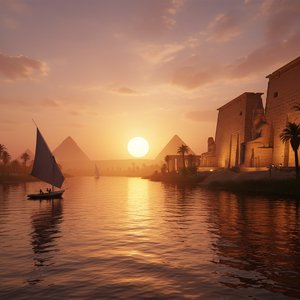
Golden Hour on the Nile: Symbolism & Artistic Legacy of Egyptian Sunsets
Explore the rich symbolism of Egyptian sunset paintings & their artistic legacy. Discover how color, ritual, and landscape shaped ancient beliefs – a guide for discerning collectors.

Hubert Robert: Pittura di Rovine e Memoria Preservata – Uno Studio sull'Antiquarianismo Romantico e l'Innovazione Artistica
Esplora l'opera di Hubert Robert, maestro del paesaggio e pioniere dell'antiquarianismo romantico. Scopri la sua poetica delle rovine romane, il valore artistico e come collezionare le sue opere con OriginalUniqueArt.

The Alluring Gaze: Orientalism in 19th-Century Art – Representation, Reception & Construction of the 'Orient'
Explore the complex history of Orientalism in 19th-century art. Discover how Western artists depicted the 'Orient,' its cultural impact, and Edward Said's critical analysis. A deep dive for art lovers & historians.


