
 Anteprima in scala reale
 Invia
Invia Condividi
 Dettagli opera
 Guida
Guida

 Scarica
 Simili
 Radiografia
 Slideshow
 Statistiche
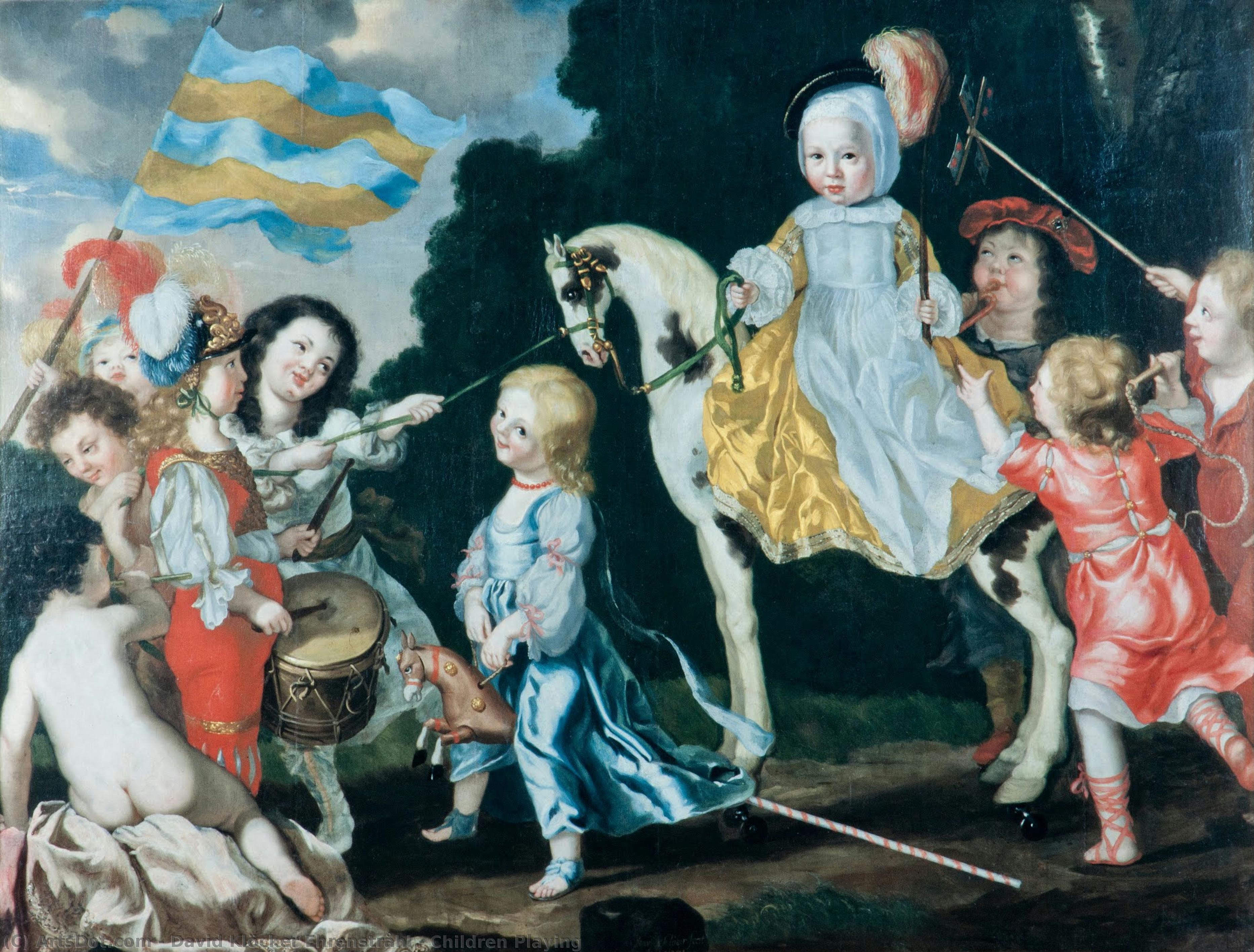
Children Playing


 Espandi i dettagli
Giclée / Stampe d'arte
Stampa giclée o su tela di qualità museale, con produzione rapida e diverse opzioni di finitura. ( Acquista il dipinto realizzato a mano Passa all'immagine digitale)




P118B €10

P118H €10

P118W €10

P438Z €10

P508JH €12

P508YH €12

P805H €10

P805Z €10

P919BZ €10

P919G €10

P919XJ €10

P959ZH €10

P968JZ €12

W106C €8

W218G €10

W218JH €8

W218Y €10

W307PJ €10

W316G €10

W316PJ €8

W316Y €10

W398PJ €8

W4111J €10

W500HY €15

W500JH €15

W692G €12

W849H €8

W940BG €15

W953PJ €8




Scegli tra le nostre dimensioni predefinite, che rispettano le proporzioni originali dell'opera d'arte.

Inserisci la larghezza e l'altezza desiderate, per adattarle alla tua cornice o alla tua parete. Una stampa può essere solo ritagliata, mai resa più grande dell'immagine originale; pertanto, un formato con una forma differente comporterà la perdita di una parte dell'opera. Ti invieremo un mockup digitale da approvare prima di procedere con la stampa. L'immagine mostrata in questa pagina non rappresenta il ritaglio reale — solo il mockup lo mostra.
Consegna in tutto il mondo () in 2 settimane invece delle normali 4/5 settimane. (25 Ottobre)

Spedizione espressa gratuita in tutto il mondo

Tela in lino di alta qualità

Assicurazione completa sulla spedizione

Garanzia di rimborso dei dazi doganali

Garanzia di fedeltà cromatica assoluta

Politica di reso entro 100 giorni (solo per difetti di fabbricazione)

Garanzia di rimborso al 100%

Offerta per acquisti multipli
 L'opzione vetro è disponibile solo per dimensioni inferiori a 110 cm

Children Playing
Giclée / Stampe d'arte
Dimensioni riproduzione
-


Prezzo finale calcolato
€ 70
A Symphony of Youth and Nobility
In the soft, golden light of 1651, a moment of pure, unadulterated joy was captured on canvas by the burgeoning hand of David Klöcker Ehrenstrahl. Children Playing is not merely a depiction of pastoral leisure; it is a vibrant window into the aristocratic life of the Swedish Baroque era. The composition breathes with a lively energy, centering on the young Eleonora Sophia, daughter of the powerful Carl Gustaf Wrangel, perched gracefully upon her horse. Beside her, the rhythmic pulse of childhood is felt through her brother, Carl Philip Wragtel, whose focused attention on his drum adds a percussive heartbeat to the visual melody. This masterpiece serves as an intimate glimpse into a world where the innocence of youth meets the structured grandeur of nobility.
The scene unfolds within a sprawling, sun-drenched field, where the boundaries between nature and domesticity blur beautifully. As one wanders through the painting, the eye is led across a tapestry of interaction: at least nine figures, ranging from tender toddlers to watchful adults, weave a narrative of companionship. The presence of three horses—positioned strategically to guide the viewer's gaze from the center to the periphery—adds a sense of movement and scale to the landscape. Ehrenstrahl’s early mastery is evident in how he captures the tactile reality of the scene, from the sheen on the horses' coats to the spirited expressions of children lost in the magic of their surroundings.
Symbolism and the Allegory of Life
Beyond its surface charm, Children Playing functions as a profound allegory of existence. Painted during Ehrenstrahl’s influential stay at the Wrangel residence in Wolgast, the work is deeply layered with meaning. It is often interpreted as a meditation on the life of Eleonora Sophia herself, surrounded by her siblings—both those present in the flesh and those perhaps lost to time. This interplay between the living and the non-living creates a poignant tension, transforming a simple afternoon of play into a reflection on legacy, family lineage, and the fleeting nature of childhood. The painting captures a sense of "memento vivere"—a reminder to live—while subtly acknowledging the weight of the history that surrounds these young heirs.
For the discerning collector or interior designer, this work offers an unparalleled emotional depth. It possesses the ability to anchor a room with its historical gravity while simultaneously infusing a space with warmth and light. The Baroque technique, characterized by its dramatic use of light and shadow and its emphasis on movement, ensures that the piece remains dynamic regardless of the setting. Whether placed in a grand library or a contemporary living space, a high-quality reproduction of this work invites conversation, evoking a sense of nostalgia for a lost era of elegance and the timeless, universal spirit of play.
Domande e risposte
È disponibile una presentazione a diapositiva per "Children Playing" di David Klöcker Ehrenstrahl?
Puoi visualizzare "Children Playing" di David Klöcker Ehrenstrahl in formato slideshow nella pagina Slideshow dell'opera.
Che atmosfera saprebbe conferire a una stanza una riproduzione di "Children Playing" di David Klöcker Ehrenstrahl?
Con la sua atmosfera Playful, "Children Playing" è ideale per Children's Room.
Dove posso ammirare l'originale di "Children Playing" di David Klöcker Ehrenstrahl?
"Children Playing" di David Klöcker Ehrenstrahl è esposta presso Castello di Skokloster, Skokloster, Svezia. La scheda del museo si riferisce all'opera originale e non a riproduzioni.
Biografia dell'artista
un nobile svedese e un ritrattista in divenire
david klöcker ehrenstråhl, nobile svedese e maestro del ritratto, ha lasciato un segno indelebile nel mondo dell'arte con le sue opere avvincenti. Nato il 23 settembre 1628 ad Amburgo, in Germania, il percorso artistico di ehrenstråhl è una vera testimonianza del suo talento innato e della sua instancabile dedizione.giovinezza e formazione artistica
ehrenstråhl era figlio di johann klöcker e crebbe insieme a otto fratelli. Nel 1648, intraprese un viaggio verso Amsterdam, dove ebbe l'opportunità di apprendere l'arte della pittura sotto la guida magistrale di juriaen jacobsze (1624–1685). Questa formazione fondamentale gettò le basi per le sue future e straordinarie imprese artistiche.opere celebri e traguardi raggiunti
Tra i suoi capolavori più significativi spicca il conte wrangel a cavallo (castello di skokloster, svezia, olio su tela), opera firmata e datata 1652, che rappresenta uno dei primi ritratti equestri di una figura non reale realizzati da ehrenstråhl. Tra il 1670 e il 1675, l'artista raggiunse l'apice della sua maestria creando l'affresco per la volta le grandi gesta dei re svedesi nel palazzo dei cavalieri svedesi (riddarhuspalatset), considerato la sua opera più grandiosa.eredità artistica e influenza
L'eredità di ehrenstråhl si estende ben oltre le sue tele, poiché egli fu un mentore per allievi illustri tra cui mikael dahl e david von krafft, oltre alla sua stessa figlia anna maria ehrenstrahl. La sua influenza sul panorama artistico rimane una prova del suo impatto duraturo nel tempo.- scopri le opere di david klöcker ehrenstråhl su OriginalUniqueArt.com
- esplora la biografia di ehrenstråhl su wikipedia
- scopri di più sul conte wrangel a cavallo su OriginalUniqueArt.com
23 settembre 1628: nascita ad Amburgo, Germania
1648: viaggio ad Amsterdam per la formazione artistica
1670-1675: creazione dell'affresco le grandi gesta dei re svedesi
23 ottobre 1698: scomparsa a Stoccolma, Svezia

David Klöcker Ehrenstrahl
1628 - 1698 , Germania
Dettagli rapidi
- Artisti Che Hanno Influenzato Questo Artista: ['Salomon van Ruysdael']
- Artisti O Movimenti Influenzati Da Questo Artista:
- Gainsborough
- Constable
- Data Di Morte: 1682
- Data Di Nascita: 1628/9?
- Luogo Di Nascita: Haarlem, Paesi Bassi
- Movimento O Stile Artistico: Paesaggio classico olandese
- Nazionalità: Olandese
- Nome Completo: Jacob van Ruisdael
- Opere D'Arte Note:
- Il cimitero ebraico
- Veduta del castello di Bentheim
- Uno stagno circondato da alberi
Articoli correlati

I 10 Capolavori Barocchi che Hanno Definito un'Epoca | Arte e Decorazioni di Lusso
Esplora i 10 capolavori barocchi di Caravaggio, Bernini e Rembrandt che hanno rivoluzionato l'arte. Scopri storie, tecniche e colori iconici. Trova riproduzioni d'arte di alta qualità per la tua casa su !

The Equine Muse: A Historical & Artistic Exploration of Horses in Painting
Explore the captivating history of horses in painting! Discover Renaissance masterpieces, Baroque grandeur & expert insights for collecting equestrian art. Learn about symbolism, techniques & lasting value with OriginalUniqueArt.

The Dramatic Flourish: Exploring the Baroque Movement's Enduring Legacy in Art History
Explore the dramatic world of Baroque art! Discover iconic artists like Caravaggio & Rubens, defining techniques, and its lasting impact on art history. Expert insights for collectors & enthusiasts at OriginalUniqueArt.

Il Dramma Barocco: Portare Splendore ed Emozione negli Interni Contemporanei
Scopri come portare il dramma e lo splendore dell'arte barocca nei tuoi interni con . Riproduzioni di alta qualità, consulenza d'arte personalizzata e ispirazione per uno stile unico.
The Noble Steed on Canvas: A Historical & Artistic Exploration of Horse Painting Across Cultures
Explore the rich history of horse painting! Discover masterpieces from Stubbs to Munnings & learn about symbolism, techniques & artists. Find museum-quality reproductions at OriginalUniqueArt.