

 Anteprima in scala reale
 Invia
Invia Condividi
 Dettagli opera
 Guida
Guida

 Scarica
 Simili
 Radiografia
 Slideshow
 Statistiche
Sketch for unknown play
 Modernism
 1929
1929- Modern
 24.0 x 18.0 cm
 Art Palace of Georgia - Museum of Cultural History
 Espandi i dettagli
Riproduzione a olio fatta a mano
Olio su tela dipinto a mano nelle tue dimensioni e con la tua cornice, realizzato su ordinazione dai nostri artisti. ( Passa alle stampe Passa all'immagine digitale)




P118B €10

P118H €10

P118W €10

P438Z €10

P508JH €12

P508YH €12

P805H €10

P805Z €10

P919BZ €10

P919G €10

P919XJ €10

P959ZH €10

P968JZ €12

W106C €8

W218G €10

W218JH €8

W218Y €10

W307PJ €10

W316G €10

W316PJ €8

W316Y €10

W398PJ €8

W4111J €10

W500HY €15

W500JH €15

W692G €12

W849H €8

W940BG €15

W953PJ €8




Scegli tra le nostre dimensioni predefinite, che rispettano le proporzioni originali dell'opera d'arte.

Inserisci la larghezza e l'altezza desiderate, per adattarle alla tua cornice o alla tua parete. Trattandosi di un'opera dipinta a mano, in caso di dimensioni con un formato differente, l'artista può estendere leggermente il dipinto oltre i bordi dell'immagine o ritagliare una piccola parte — la scelta spetta a te. Ti invieremo un mockup digitale da approvare prima che la realizzazione abbia inizio. L'immagine mostrata in questa pagina non rappresenta il risultato finale — solo il mockup lo fa.
Dopo l'ordine, il team di OriginalUniqueArt.com contatterà il cliente via e-mail per ricevere le istruzioni e fornirà un'anteprima del mockup
Consegna in tutto il mondo () in 3/4 settimane anziché nelle normali 5 settimane. (27 Ottobre). Nessun compromesso sulla qualità.

Spedizione espressa gratuita in tutto il mondo

Tela in lino di alta qualità

Assicurazione completa sulla spedizione

Garanzia di rimborso dei dazi doganali

Garanzia di fedeltà cromatica assoluta

Politica di reso entro 100 giorni (solo per difetti di fabbricazione)

Garanzia di rimborso al 100%

Offerta per acquisti multipli
 L'opzione vetro è disponibile solo per dimensioni inferiori a 110 cm

Sketch for unknown play
Tecnica di riproduzione
Dimensioni riproduzione
-


Prezzo finale calcolato
€ 264
A Moment Frozen in the Avant-Garde Spotlight
In the intimate dimensions of this 1929 sketch, we find ourselves transported to the threshold of a theatrical performance, caught in a singular moment of dramatic tension. David Kakabadze, a titan of Georgian Modernism, presents us with a scene that feels less like a static image and more like a captured breath. At the heart of the composition stands a figure in striking uniform, draped in a vibrant red jacket accented by crisp white trim, topped with a commanding blue hat. This central protagonist, positioned with a poised yet grounded stance, commands the stage, while the presence of peripheral figures—shadowy observers tucked into the edges of the frame—creates a sense of depth and voyeuristic intrigue. The composition is not merely a depiction of a character, but an exploration of space, light, and the very essence of theatricality.
The technique employed in this work reflects Kakabadze’s profound mastery over the graphic arts and his background as a scenic designer. There is a rhythmic quality to the brushwork that suggests movement even within the stillness of the sketch. The interplay between the bold, primary colors of the uniform and the more muted, atmospheric tones of the background creates a visual hierarchy that draws the eye unerringly toward the central figure. As a polymath who understood the mechanics of the stage, Kakabadze uses the canvas to manipulate perspective, making the viewer feel as though they are sitting in the front row of an experimental theater, witnessing the birth of a narrative through color and form.
The Intersection of Tradition and Modernity
To understand this piece is to understand the spirit of 1929, a period where the boundaries of art were being radically redefined. Kakabadze, having studied natural sciences and been immersed in the European avant-garde, possessed a unique ability to infuse his work with both structural precision and emotional fluidity. This sketch for an unknown play serves as a testament to his role as a pioneer; it carries the experimental energy of the era while maintaining a connection to the storytelling traditions of his Georgian heritage. The subtle inclusion of writing or markings in the background hints at the conceptual nature of the piece—it is a blueprint for a dream, a visual rehearsal for a drama that exists only in the imagination of the viewer.
For the discerning collector or interior designer, this artwork offers more than just aesthetic beauty; it provides a sophisticated focal point that invites conversation. The piece possesses a rare emotional resonance, evoking feelings of nostalgia, curiosity, and the quiet thrill of the unknown. Whether placed in a contemporary gallery setting or integrated into a classic study, its bold color palette and historical weight lend an air of intellectual depth to any space. Owning a reproduction of such a significant modernist work is an opportunity to preserve a fragment of art history—a piece that celebrates the enduring power of the theatrical imagination and the brilliant, multifaceted legacy of David Kakabadze.
Domande e risposte
Dove posso trovare una guida dedicata a "Sketch for unknown play"?
È disponibile una pagina Schede didattiche per "Sketch for unknown play" di David Kakabadze: una scheda informativa stampabile sull'opera d'arte, pensata per studenti e per l'uso didattico in classe.
In quale anno e all'interno di quale movimento è stata realizzata "Sketch for unknown play"?
"Sketch for unknown play" è stata realizzata nel 1929, nell'ambito del movimento Modernism.
Da quale paese proviene l'opera del Modernism "Sketch for unknown play"?
L'opera Modernism "Sketch for unknown play" è stata realizzata da un artista nato in Georgia.
Biografia dell'artista
Introduzione all'Artista
David Kakabadze (1889-1952) è stato un pittore, grafico e scenografo georgiano d’avanguardia di spicco. Nato il 20 agosto 1889 nel villaggio di Kukhi, vicino alla città di Khoni, le sue opere si distinguono per la combinazione di una interpretazione innovativa dell'arte "di sinistra" europea con le tradizioni nazionali georgiane.Primi Anni e Formazione
Kakabadze nacque in una famiglia contadina povera. Grazie al sostegno di filantropi locali, studiò scienze naturali all’Università di San Pietroburgo nel 1916. Contemporaneamente, frequentò corsi di pittura nello studio di Dmitroyev-Kavkazsky e condusse ricerche sull'antica arte georgiana. Questo periodo formativo fu cruciale per la sua successiva fusione tra scienza e arte.Carriera Artistica e Periodo Parigino
Dopo un breve periodo come pittore ed educatore a Tbilisi, Kakabadze si trasferì a Parigi nel 1919, dove visse fino al 1927. Questo periodo parigino fu fondamentale per la sua evoluzione artistica. Partecipò alle mostre della Société des Artistes Indépendants e collaborò con altri artisti georgiani come Lado Gudiashvili e Shalva Kikodze. Il ciclo di paesaggi che riproducevano la natura della sua provincia natale, l'Imereti, rappresenta alcune delle sue opere più interessanti del periodo iniziale. A Parigi, Kakabadze fu attratto dalla "pittura senza soggetto" e sperimentò con tecniche pittoriche innovative, utilizzando metallo, vetro a specchio, vetro colorato e altri materiali al posto dei colori tradizionali. Si orientò verso una posizione ancora più “di sinistra”, rendendo omaggio al cubismo.Stile, Influenze e Opere Significative
Lo stile di Kakabadze è caratterizzato da un'originale sintesi tra l’influenza del cubismo europeo e le tradizioni artistiche georgiane. Abbandonò gradualmente il cubismo per abbracciare sculture e dipinti più astratti. Tra le sue opere più note figurano "Sailboats", "Bretagne" e lo “Sketch for getting various grades of light in a single electric bulb”. Quest'ultimo, in particolare, testimonia la sua sperimentazione con nuove tecnologie e il suo interesse per l’illuminazione e la percezione visiva. Kakabadze fu anche un pioniere del cinema tridimensionale, costruendo una cinepresa che creava l'illusione di rilievo nel 1923.Eredità e Significato Storico
Tornato in Georgia nel 1927, Kakabadze continuò a sviluppare i temi dell’Imereti in paesaggi monumentali e decorativi, inclusi paesaggi industriali. Collaborò con il famoso regista teatrale georgiano Kote Marjanishvili per creare scenografie per diversi spettacoli a Kutaisi. Nel 1931 realizzò un documentario intitolato "The Old Monuments of Georgia". Kakabadze divenne professore presso l'Accademia di Belle Arti dello Stato di Tbilisi nel 1928, ma subì pressioni dalle autorità sovietiche per non aver abbandonato il formalismo. La sua eredità è visibile nell’influenza che ha esercitato su numerosi artisti successivi e le sue opere sono esposte in importanti musei, tra cui il Palazzo d'Arte della Georgia - Museo di Storia Culturale a Tbilisi. Il suo contributo al mondo dell'arte è innegabile e la sua eredità continua ad ispirare gli artisti ancora oggi.
David Kakabadze
1889 - 1952 , Georgia
Dettagli rapidi
- Artisti Influenti: ['Cubismo europeo']
- Artisti Influenzati: ['Numerosi artisti georgiani']
- Data Di Nascita: 20 agosto 1889
- Luogo Di Nascita: Kutaisi, Georgia
- Movimento Artistico: Avanguardia georgiana
- Nazionalità: Georgiana
- Nome Completo: David Kakabadze
- Opere Notevoli:
- Sailboats
- Bretagne
- Sketch for getting various grades of light
Articoli correlati

Home Staging di Lusso: Trasforma i tuoi Spazi con Capolavori d'Arte Pronti da Appendere in meno di 3 Settimane
Eleva il tuo home staging con le riproduzioni d'arte di OriginalUniqueArt.com. Capolavori dipinti a mano su tela, pronti da appendere in meno di 3 settimane. Soluzioni esclusive per interior designer e professionisti del lusso che cercano autenticità, prestigio e velocità.

Crimson Threads of Narrative: Exploring Symbolism & Representation in Artworks Featuring the Red Dress
Explore the rich symbolism of the red dress in art history! From ancient power displays to iconic portraits like Cézanne’s 'Madame Cezanne', discover the cultural and artistic significance behind this captivating color. Expert analysis & insights.
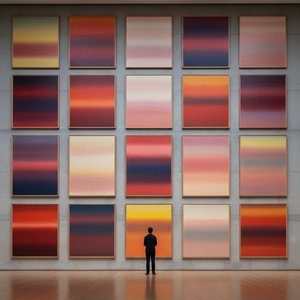
Mark Rothko: Le 25 Opere Più Iconiche per Arredare con Emozione e Profondità
Esplora le 25 opere più iconiche di Mark Rothko, il maestro dell'espressionismo astratto. Scopri la storia, i colori e l'emozione dietro ogni tela. Acquista riproduzioni artistiche di alta qualità per arredare con stile su OriginalUniqueArt.com
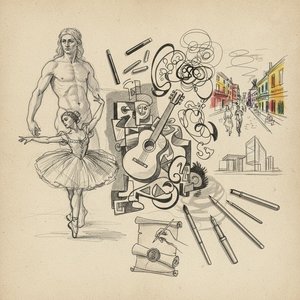
The Eloquent Line: Exploring the Artistic Significance of Sketches Across Movements and Media
Explore the profound artistic significance of sketches throughout history. From Renaissance masters to modern innovators like Van Gogh & Guston, discover how these foundational works reveal technique, emotion, and vision. Learn more at OriginalUniqueArt.
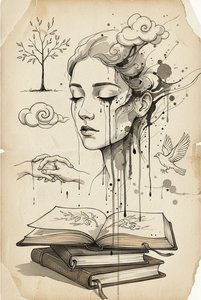
Ephemeral Lines: Exploring Emotional Resonance in Ink Sketching Traditions
Explore the profound art of ink sketching! Discover techniques to express emotion, master line work, and cultivate artistic sensitivity. Learn from historical masters & unlock your creative potential.


