
 Anteprima in scala reale
 Condividi
 Condividi
 Dettagli

 Scarica immagine
 Articoli simili
 Radiografia
 Slideshow
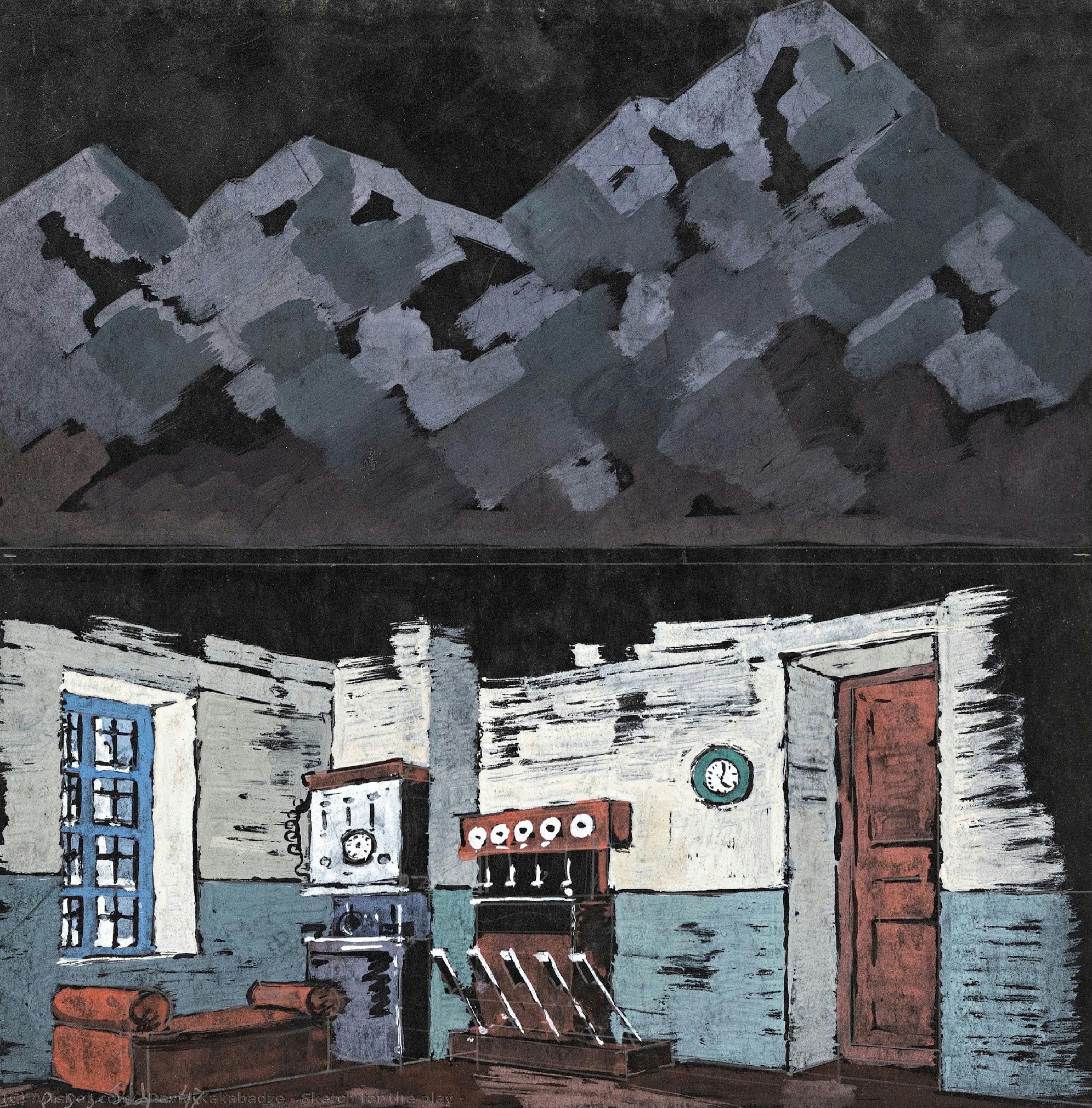
Sketch for the play
 Acrylic On Canvas
- WallArt
- Expressionism
 1947
1947 30.0 x 30.0 cm
 Art Palace of Georgia - Museum of Cultural History
 Leggi tutto
Riproduzione a olio fatta a mano
Olio su tela dipinto a mano nelle tue dimensioni e con la tua cornice, realizzato su ordinazione dai nostri artisti. ( Ordina stampa Acquista download)




P118B $10

P118H $10

P118W $10

P438Z $10

P508JH $12

P508YH $12

P805H $10

P805Z $10

P919BZ $10

P919G $10

P919XJ $10

P959ZH $10

P968JZ $12

W106C $8

W218G $10

W218JH $8

W218Y $10

W307PJ $10

W316G $10

W316PJ $8

W316Y $10

W398PJ $8

W4111J $10

W500HY $15

W500JH $15

W692G $12

W849H $8

W940BG $15

W953PJ $8




Scegli tra le nostre dimensioni predefinite, che rispettano le proporzioni originali dell'opera d'arte.

È possibile inserire dimensioni personalizzate per adattare l'opera a una cornice o a uno spazio specifico. Se la dimensione selezionata non corrisponde alle proporzioni dell'immagine originale, provvederemo a ritagliare l'opera o a estendere il dipinto con elementi aggiuntivi dipinti a mano. Un mockup digitale ti sarà inviato per approvazione prima dell'inizio della produzione.
Si prega di notare che l'anteprima a schermo non riflette il ritaglio o l'estensione effettivi. Solo il mockup mostrerà accuratamente la composizione finale.
Sebbene siano disponibili dimensioni personalizzate, consigliamo di selezionare una dimensione dall'elenco predefinito per preservare le proporzioni originali.
Dopo l'ordine, il team di OriginalUniqueArt.com contatterà il cliente via e-mail per le istruzioni e fornirà un'anteprima del mockup
Consegna in tutto il mondo () in 3/4 settimane anziché nelle normali 5 settimane. (17 Agosto). Nessun compromesso sulla qualità.

Spedizione espressa gratuita in tutto il mondo

Tela in lino di alta qualità

Assicurazione completa sulla spedizione

Garanzia di rimborso dei dazi doganali

Garanzia di fedeltà cromatica dell'originale

Politica di reso entro 60 giorni (solo per difetti di fabbricazione)

Garanzia di rimborso al 100%

Sconto per acquisti multipli
 L'opzione vetro è disponibile solo per dimensioni inferiori a 110 cm

Sketch for the play
Tecnica di riproduzione
Dimensioni della riproduzione
-


Prezzo totale
$ 300
Descrizione dell'opera
A Storm Within: David Kakabadze’s ‘Sketch for the Play’
David Kakabadze's “Sketch for the Play,” painted in 1947, isn’t merely a depiction of a landscape; it’s an immersion into a turbulent emotional state. This arresting work, measuring a modest 30x30 cm, immediately commands attention with its dramatic interplay of color and texture – a visual representation of internal conflict rendered on canvas with bold, expressive strokes. The piece transcends the simple act of portraying a storm; it embodies the anxieties and uncertainties simmering beneath the surface of Georgian society during a period of profound change.
At first glance, the composition presents two distinct panels. The upper portion explodes with a furious sky – jagged mountain peaks clawing at a bruised, grey-blue expanse. Thick impasto brushstrokes build up layers of color, creating a palpable sense of movement and raw energy. Rain streaks across the canvas, mirroring the chaotic nature of the scene. Below this tempestuous realm lies an interior space, a cluttered studio or workshop dominated by a colossal mechanical device – likely a printing press – its intricate gears and levers hinting at industry and perhaps even a touch of oppressive machinery. Walls are painted in stark whites punctuated by patches of darker grey, suggesting age, wear, and the weight of accumulated labor.
The Expressionist Palette and Georgian Roots
Kakabadze’s stylistic choices firmly situate “Sketch for the Play” within the realm of Expressionism, a movement characterized by its emphasis on subjective experience and emotional intensity. He abandons realistic representation in favor of conveying feeling – the anxiety of the storm, the claustrophobia of the confined space. Yet, despite this embrace of modern techniques, the painting remains deeply rooted in Georgian tradition. Kakabadze’s heritage is evident in his use of color, particularly the cool blues and grays that evoke the rugged landscapes of his native region, the mountainous Caucasus. The deliberate simplification of forms, a hallmark of Expressionism, also echoes the folk art traditions prevalent in Georgia.
Born in 1889 in the village of Kukhi near Khoni, Kakabadze’s early life instilled within him a deep connection to his land and its artistic heritage. His formal training at St. Petersburg University provided exposure to European avant-garde movements, but he skillfully integrated these influences with his own unique vision, forging a distinctly Georgian modernism. His multifaceted career – encompassing painting, graphic design, scenic design for theatre, and even cinematic innovation – speaks to a restless intellect and an unwavering commitment to artistic exploration.
Symbolic Layers: Chaos and Creation
The imagery within “Sketch for the Play” is rich with symbolic potential. The storm itself can be interpreted as representing chaos, disruption, or perhaps the challenges facing Georgia during this period of political and social upheaval. Conversely, the mechanical device in the lower panel suggests order, industry, and the relentless drive to create – a potentially conflicting force within the larger composition. The juxtaposition of these elements invites contemplation on the relationship between nature and technology, tradition and modernity, and perhaps even the individual’s struggle against external forces.
The subtle use of warmer tones—hints of orange and yellow—within the mechanical device offer a glimmer of hope or resilience amidst the prevailing gloom. These touches suggest that even within the most oppressive circumstances, creativity and human ingenuity can endure. Kakabadze's masterful manipulation of impasto creates a tactile surface, drawing the viewer into the painting’s emotional core and inviting a deeply personal response.
A Legacy in Texture and Emotion
“Sketch for the Play” is more than just a visually striking artwork; it’s a poignant reflection on the complexities of the human experience. David Kakabadze's ability to capture raw emotion through bold brushstrokes, evocative color palettes, and carefully considered symbolism ensures its enduring appeal. Reproductions of this powerful piece offer an opportunity to bring this captivating vision into any space, serving as a reminder of the beauty and turbulence inherent in both nature and the human spirit. It stands as a testament to Kakabadze’s pioneering role in Georgian modernism and his profound understanding of how art can illuminate the deepest recesses of our souls.
Biografia dell'artista
Introduzione all'Artista
David Kakabadze (1889-1952) è stato un pittore, grafico e scenografo georgiano d’avanguardia di spicco. Nato il 20 agosto 1889 nel villaggio di Kukhi, vicino alla città di Khoni, le sue opere si distinguono per la combinazione di una interpretazione innovativa dell'arte "di sinistra" europea con le tradizioni nazionali georgiane.Primi Anni e Formazione
Kakabadze nacque in una famiglia contadina povera. Grazie al sostegno di filantropi locali, studiò scienze naturali all’Università di San Pietroburgo nel 1916. Contemporaneamente, frequentò corsi di pittura nello studio di Dmitroyev-Kavkazsky e condusse ricerche sull'antica arte georgiana. Questo periodo formativo fu cruciale per la sua successiva fusione tra scienza e arte.Carriera Artistica e Periodo Parigino
Dopo un breve periodo come pittore ed educatore a Tbilisi, Kakabadze si trasferì a Parigi nel 1919, dove visse fino al 1927. Questo periodo parigino fu fondamentale per la sua evoluzione artistica. Partecipò alle mostre della Société des Artistes Indépendants e collaborò con altri artisti georgiani come Lado Gudiashvili e Shalva Kikodze. Il ciclo di paesaggi che riproducevano la natura della sua provincia natale, l'Imereti, rappresenta alcune delle sue opere più interessanti del periodo iniziale. A Parigi, Kakabadze fu attratto dalla "pittura senza soggetto" e sperimentò con tecniche pittoriche innovative, utilizzando metallo, vetro a specchio, vetro colorato e altri materiali al posto dei colori tradizionali. Si orientò verso una posizione ancora più “di sinistra”, rendendo omaggio al cubismo.Stile, Influenze e Opere Significative
Lo stile di Kakabadze è caratterizzato da un'originale sintesi tra l’influenza del cubismo europeo e le tradizioni artistiche georgiane. Abbandonò gradualmente il cubismo per abbracciare sculture e dipinti più astratti. Tra le sue opere più note figurano "Sailboats", "Bretagne" e lo “Sketch for getting various grades of light in a single electric bulb”. Quest'ultimo, in particolare, testimonia la sua sperimentazione con nuove tecnologie e il suo interesse per l’illuminazione e la percezione visiva. Kakabadze fu anche un pioniere del cinema tridimensionale, costruendo una cinepresa che creava l'illusione di rilievo nel 1923.Eredità e Significato Storico
Tornato in Georgia nel 1927, Kakabadze continuò a sviluppare i temi dell’Imereti in paesaggi monumentali e decorativi, inclusi paesaggi industriali. Collaborò con il famoso regista teatrale georgiano Kote Marjanishvili per creare scenografie per diversi spettacoli a Kutaisi. Nel 1931 realizzò un documentario intitolato "The Old Monuments of Georgia". Kakabadze divenne professore presso l'Accademia di Belle Arti dello Stato di Tbilisi nel 1928, ma subì pressioni dalle autorità sovietiche per non aver abbandonato il formalismo. La sua eredità è visibile nell’influenza che ha esercitato su numerosi artisti successivi e le sue opere sono esposte in importanti musei, tra cui il Palazzo d'Arte della Georgia - Museo di Storia Culturale a Tbilisi. Il suo contributo al mondo dell'arte è innegabile e la sua eredità continua ad ispirare gli artisti ancora oggi.
David Kakabadze
1889 - 1952 , Georgia
Informazioni rapide
- Artisti Influenti: ['Cubismo europeo']
- Artisti Influenzati: ['Numerosi artisti georgiani']
- Data Di Nascita: 20 agosto 1889
- Luogo Di Nascita: Kutaisi, Georgia
- Movimento Artistico: Avanguardia georgiana
- Nazionalità: Georgiana
- Nome Completo: David Kakabadze
- Opere Notevoli:
- Sailboats
- Bretagne
- Sketch for getting various grades of light
Articoli correlati

The Enduring Legacy of Oil on Canvas: Technique, History & Aesthetic Impact
Explore the rich history & techniques of oil painting – from Renaissance masters to Impressionism. Discover pigments, layering methods, and why this timeless medium endures. Expert insights for artists & art enthusiasts.

Oil on Canvas: A Historical & Technical Exploration of a Timeless Artistic Medium
Explore the rich history & enduring techniques of oil painting on canvas. Discover the science behind its longevity, conservation practices, and contemporary relevance. Expert insights for art enthusiasts.

L'Eredità Duratura della Pittura a Olio: Tecnica, Storia e Pratica Contemporanea
Esplora la storia affascinante e le tecniche della pittura a olio. Scopri come i maestri hanno creato capolavori senza tempo e come questa arte vive oggi. : riproduzioni di alta qualità e consulenza esperta.
The Soul of Impressionism: Why Oil on Canvas Captures Eternal Light and Timeless Emotion
Discover the enchanting alchemy of Impressionism. Explore how the mastery of oil on canvas, through glazing and impasto, captures eternal light and emotion. Perfect for lovers of Monet and Van Gogh seeking the profound depth of hand-painted fine art.
I 10 Capolavori a Olio su Tela che Hanno Rivoluzionato la Storia dell'Arte
Scopri i 10 capolavori a olio che hanno segnato la storia dell'arte! Da Leonardo a Van Gogh, esplora le storie e le tecniche dei più grandi maestri. Trova stampe su tela di alta qualità e idee per decorare casa con .



