
 Anteprima in scala reale
 Invia
Invia Condividi
 Dettagli opera
 Guida
Guida

 Scarica
 Simili
 Radiografia
 Slideshow
 Domande e risposte
 Statistiche
Carrying Vetches

- 37.0 x 55.0 cm


 Espandi i dettagli
Giclée / Stampe d'arte
Stampa giclée o su tela di qualità museale, con produzione rapida e diverse opzioni di finitura. ( Acquista il dipinto realizzato a mano Passa all'immagine digitale)




P118B €10

P118H €10

P118W €10

P438Z €10

P508JH €12

P508YH €12

P805H €10

P805Z €10

P919BZ €10

P919G €10

P919XJ €10

P959ZH €10

P968JZ €12

W106C €8

W218G €10

W218JH €8

W218Y €10

W307PJ €10

W316G €10

W316PJ €8

W316Y €10

W398PJ €8

W4111J €10

W500HY €15

W500JH €15

W692G €12

W849H €8

W940BG €15

W953PJ €8




Scegli tra le nostre dimensioni predefinite, che rispettano le proporzioni originali dell'opera d'arte.

Inserisci la larghezza e l'altezza desiderate, per adattarle alla tua cornice o alla tua parete. Una stampa può essere solo ritagliata, mai resa più grande dell'immagine originale; pertanto, un formato con una forma differente comporterà la perdita di una parte dell'opera. Ti invieremo un mockup digitale da approvare prima di procedere con la stampa. L'immagine mostrata in questa pagina non rappresenta il ritaglio reale — solo il mockup lo mostra.
Consegna in tutto il mondo () in 2 settimane invece delle normali 4/5 settimane. (3 Novembre)

Spedizione espressa gratuita in tutto il mondo

Tela in lino di alta qualità

Assicurazione completa sulla spedizione

Garanzia di rimborso dei dazi doganali

Garanzia di fedeltà cromatica assoluta

Politica di reso entro 100 giorni (solo per difetti di fabbricazione)

Garanzia di rimborso al 100%

Offerta per acquisti multipli
 L'opzione vetro è disponibile solo per dimensioni inferiori a 110 cm

Carrying Vetches
Giclée / Stampe d'arte
Dimensioni riproduzione
-


Prezzo finale calcolato
€ 72
A Pastoral Symphony in Oil
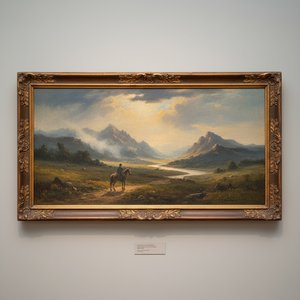
In the quietude of the mid-19th century British countryside, David Cox the Elder captured a moment of profound harmony that transcends time. Carrying Vetches, painted in 1850, serves as more than just a depiction of agricultural labor; it is an evocative window into a vanishing way of life. The canvas breathes with the rhythm of the seasons, presenting a scene where the toil of man and the vitality of nature exist in a seamless, rhythmic dance. As viewers gaze upon the field, they are drawn into a world where the heavy movement of horses and carts is balanced by the delicate, fleeting presence of a bird soaring through the sky, suggesting that even within the most grounded of labors, there is a lightness of spirit and an eternal freedom.
The technical mastery of Cox is evident in his ability to manipulate light and earthy tones to create an atmosphere that feels both warm and deeply nostalgic. Utilizing a palette rich in organic hues, the artist employs broad, confident brushstrokes that prefigure the Impressionist movement. This technique allows the textures of the field and the weight of the carts to feel tangible, yet it maintains a soft, atmospheric haze that envelops the figures. For the discerning collector or interior designer, this painting offers a sophisticated interplay of light and shadow, making it an ideal centerpiece for spaces that require a sense of grounded tranquility and classical elegance.
The Soul of the Birmingham School
To understand Carrying Vetches, one must look to the roots of its creator. Born in the industrial heart of Birmingham, David Cox the Elder was a pivotal figure of the Birmingham School, an artist whose work bridged the gap between meticulous detail and emotive expression. While his early training involved the delicate art of miniature painting, his mature style embraced the expansive beauty of the landscape. This piece reflects that evolution, showcasing a transition from the precise to the atmospheric. The composition itself is a study in community; by depicting people working together amidst their livestock, Cox celebrates the social fabric of rural life, emphasizing a sense of shared purpose and interdependence.
For those seeking to adorn a home or gallery with a piece that evokes emotional depth, this work provides a unique opportunity. It does not merely decorate a wall; it invites contemplation on the relationship between humanity and the earth. The painting’s ability to evoke a sense of peace—a "tranquil world of rural life"—makes it a powerful tool for creating restorative environments in modern interiors. Whether placed in a sunlit study or a grand living hall, Carrying Vetches acts as an anchor of serenity, reminding us of the enduring beauty found in the simplest of human endeavors.
Domande e risposte
A quale movimento artistico appartiene "Carrying Vetches" di David Cox Il Vecchio?
"Carrying Vetches" di David Cox Il Vecchio appartiene al movimento Landscape Painting. Questo movimento fornisce il contesto stilistico dell'opera.
Posso visualizzare "Carrying Vetches" come una presentazione a schermo intero?
È disponibile un diaporama: la pagina Slideshow di "Carrying Vetches" di David Cox Il Vecchio.
Qual è la dimensione di stampa consigliata per "Carrying Vetches"?
Per "Carrying Vetches" di David Cox Il Vecchio, si consiglia una riproduzione di Small. Le dimensioni possono essere modificate mantenendo invariate le proporzioni.
Biografia dell'artista
Le origini e le radici di Birmingham
David Cox, nato il 29 aprile 1783 nel cuore industriale di Deritend, Birmingham, emerse da umili origini che modellarono profondamente la sua visione artistica. Suo padre, fabbro e lattoniere, gli trasmise un'etica del lavoro che lo avrebbe accompagnato per tutta la vita, sebbene la corporatura esile del giovane David si rivelasse inadatta alla fucina. Inizialmente apprendista presso un creatore di ninnoli – ritratti in miniatura su scatoline da tabacco e fibbie laccate – dimostrò rapidamente un'attitudine per la pittura, un talento coltivato da una madre dotata di una “intelligenza superiore” e di una silenziosa determinazione. Questa precoce esposizione al dettaglio delicato avrebbe trovato espressione, più tardi, nei suoi magistrali acquerelli.
La Birmingham stessa era all'epoca un crogiolo di attività artistica, vantando accademie private che soddisfacevano le esigenze delle crescenti industrie manifatturiere, ma che favorivano anche una distinta scuola di pittura di paesaggio. Cox studiò prima con Joseph Barber e poi con Albert Fielder, sebbene il suo apprendistato si interruppe bruscamente con la tragica morte di Fielder. Una breve esperienza come scenografo per il teatro di William Macready gli fornì preziosi insegnamenti sulla prospettiva atmosferica e sulla composizione, abilità che avrebbe successivamente perfezionato nelle sue rappresentazioni del mondo naturale.
Londra e l'ascesa dell'acquerello
Nel 1804, Cox si avventurò a Londra alla ricerca di opportunità professionali. Sebbene l'impiego iniziale presso l'Anfiteatro di Philip Astley non andò a buon fine, questo periodo segnò una svolta cruciale. Si dedicò con passione alla pittura ad acquerello, esponendo le proprie opere e consolidando gradualmente la propria reputione. Il matrimonio con Mary Ragg nel 1805 stabilizzò ulteriormente la sua vita e la coppia si stabilì a Dulwich. Nello stesso anno seguì il primo di molti viaggi in Galles, insieme a Charles Barber, che gli fornirono la materia prima per i suoi paesaggi sempre più sofisticati.
La fondazione della Water-Colour Society nel 1805 fu fondamentale. Sebbene non venisse ammesso immediatamente come membro, Cox si coinvolse profondamente nelle sue attività e infine vi entrò ufficialmente nel 1813. Questa associazione gli offrì una piattaforma per mostrare il proprio lavoro e connettersi con altri artisti, consolidando la sua posizione all'interno della fiorente scena artistica britannica.
Un maestro di atmosfera e visione romantica
Lo sviluppo artistico di Cox fu caratterizzato da un'incrollabile dedizione nel catturare l'essenza della campagna britannica. Egli evitò grandi narrazioni storiche o allegorie classiche, concentrandosi invece sulla bellezza dei paesaggi rurali: brughiere, boschi, rive di fiumi e scene costiere. I suoi primi acquerelli sono notevoli per la loro delicata precisione e il dettaglio meticoloso, riflesso di un'attenta osservazione della natura. Tuttavia, presto andò oltre la mera rappresentazione topografica, infondendo nelle sue opere una qualità emotiva che risuonava profondamente nel pubblico.
Divenne celebre per la sua capacità di trasmettere l'atmosfera: il gioco di luci e ombre, le sottili sfumature del tempo meteorologico, la sensazione di essere immersi nel mondo naturale. La sua tecnica prevedeva una combinica unica di pianificazione accurata ed esecuzione spontanea, lavorando spesso con rapidità en plein air per catturare momenti fugaci di bellezza. Nella maturità, si dedicò sempre più alla pittura a olio, producendo oltre 300 tele che oggi sono riconosciute come tra i suoi più grandi traguardi, sebbene fossero meno apprezzate durante la sua vita.
Eredità e significato storico
L'influenza di David Cox sull'arte britannica è profonda. Egli si pone come figura chiave della Scuola di Birmingham, colmando il divario tra la pittura paesaggistica topografica e l'approccio più emotivo del Romanticismo. La sua opera anticipò l'Impressionismo nella sua enfasi sul catturare i momenti fugaci di luce e atmosfera, pur rimanendo saldamente radicato nelle tradizioni dell'acquerello inglese.
- Precursore dell'Impressionismo: La pennellata fluida di Cox e l'attenzione agli effetti atmosferici anticiparono molte delle tecniche successivamente adottate dagli Impressionisti.
- Maestro dell'Acquerello: È ampiamente considerato uno dei più grandi pittori acquerellisti inglesi, rinomato per la sua delicata precisione e qualità emotiva.
- Difensore del Paesaggio Britannico: La dedizione incrollabile di Cox nel catturare la bellezza della campagna britannica aiutò a stabilire un'identità nazionale distinta nella pittura di paesaggio.
- Influenza sulle generazioni successive: Il suo lavoro ispirò innumerevoli artisti, plasmando lo sviluppo dell'arte britannica durante tutto il XIX secolo e oltre.
Nonostante le difficoltà finanziarie e l'oscurità relativa vissute durante la sua vita, l'eredità di David Cox perdura. Morì il 7 giugno 1859 lasciando dietro di sé un corpus di opere che continua a affascinare il pubblico con la sua bellezza, sensibilità e profonda connessione con il mondo naturale. I suoi dipinti offrono uno sguardo senza tempo nel cuore dell'Inghilterra rurale, ricordandoci il potere duraturo dell'arte di evocare emozioni e celebrare le semplici gioie della vita.

David Cox Il Vecchio
1783 - 1859 , Inghilterra
Dettagli rapidi
- Artistic Movement Or Style: Romanticismo, Pre-Impressionismo
- Artists Or Movements Influenced By This Artist: ['Impressionismo']
- Date Of Birth: 29 aprile 1783
- Date Of Death: 7 giugno 1859
- Full Name: David Cox the Elder
- Nationality: Inglese
- Notable Artworks:
- Near Knaresborough
- The Glade
- Moorland Landscape
- Place Of Birth: Birmingham, Inghilterra
Articoli correlati

Cultivating Visions: A Historical Journey Through Rural Landscapes in Art
Explore the rich history of rural landscape painting with OriginalUniqueArt. Discover Impressionist masterpieces, key artists & movements. Find your perfect serene artwork and bring nature's beauty home.

I 25 Capolavori di Sir Alfred James Munnings: L'Anima della Campagna Inglese
Scopri i 25 capolavori di Sir Alfred James Munnings tra cavalli e paesaggi. Esplora la collezione su OriginalUniqueArt.com.
Anthony Vandyke Copley Fielding: Rediscovering a Master of Romantic Landscape
Discover the captivating landscapes of Anthony Vandyke Copley Fielding, a master of Romantic watercolour painting. Explore his life, technique, and legacy with OriginalUniqueArt – your source for museum-quality art reproductions & expert appraisal.

I 25 capolavori di John Constable: la poesia della natura inglese
Scopri i 25 capolavori di John Constable e il Romanticismo inglese. Esplora la collezione su OriginalUniqueArt.com.

I 10 Capolavori del Paesaggio Romantico: Arte, Storia e Decorazioni di Lusso
Esplora i 10 capolavori del Paesaggio Romantico con OriginalUniqueArt.com! Caspar David Friedrich, Turner e altri maestri: storia, tecnica e colori che definiscono un'epoca. Trova riproduzioni d'arte di lusso per la tua casa. Scopri la collezione completa online!