

 Anteprima in scala reale
 Condividi
 Condividi
 Dettagli
 Guida stampabile

 Scarica
 Articoli simili
 Radiografia
 Slideshow
 Statistiche
Ronda Bridge, Spain
 Oil On Panel
- Modernism
 1935
1935- Modern
 32.0 x 41.0 cm
 Galleria Pallant House
 Leggi tutto
L'opera d'arte visualizzata in questa pagina è protetta dalle leggi sul diritto d'autore, il che significa che non possiamo legalmente creare o vendere una riproduzione identica. Tale protezione è garantita da accordi internazionali quali la Convenzione di Berna e dalle leggi nazionali, incluse quelle stabilite da Legge sul copyright degli Stati Uniti - Titolo 17. Tutti i diritti riservati. Le immagini presenti su questo sito sono protette da copyright e non possono essere riprodotte o utilizzate senza l'autorizzazione scritta di WahooArt.com o dei rispettivi proprietari del copyright.
Questo metodo è pienamente conforme alle normative sul diritto d'autore poiché non prevede la copia o la duplicazione dell'opera protetta. Si tratta invece di una rielaborazione creativa: un nuovo dipinto che trae ispirazione dall'originale, senza tuttavia esserne identico.
Giclée / Stampe d'arte
Stampa giclée o su tela di qualità museale, con produzione rapida e diverse opzioni di finitura. ( Ordina la riproduzione dipinta a mano Passa all'immagine digitale)




P118B €10

P118H €10

P118W €10

P438Z €10

P508JH €12

P508YH €12

P805H €10

P805Z €10

P919BZ €10

P919G €10

P919XJ €10

P959ZH €10

P968JZ €12

W106C €8

W218G €10

W218JH €8

W218Y €10

W307PJ €10

W316G €10

W316PJ €8

W316Y €10

W398PJ €8

W4111J €10

W500HY €15

W500JH €15

W692G €12

W849H €8

W940BG €15

W953PJ €8




Scegli tra le nostre dimensioni predefinite, che rispettano le proporzioni originali dell'opera d'arte.

Inserisci la larghezza e l'altezza desiderate, per adattarle alla tua cornice o alla tua parete. Una stampa può essere solo ritagliata, mai resa più grande dell'immagine originale; pertanto, un formato con una forma differente comporterà la perdita di una parte dell'opera. Ti invieremo un mockup digitale da approvare prima di procedere con la stampa. L'immagine mostrata in questa pagina non rappresenta il ritaglio reale — solo il mockup lo mostra.
Consegna in tutto il mondo () in 2 settimane invece delle normali 4/5 settimane. (23 Ottobre)

Spedizione espressa gratuita in tutto il mondo

Tela in lino di alta qualità

Assicurazione completa sulla spedizione

Garanzia di rimborso dei dazi doganali

Garanzia di perfetta fedeltà cromatica

Politica di reso entro 100 giorni (solo per difetti di fabbricazione)

Garanzia di rimborso al 100%

Sconto per acquisti multipli
 L'opzione vetro è disponibile solo per dimensioni inferiori a 110 cm

Ronda Bridge, Spain
Giclée / Stampe d'arte
Dimensioni della riproduzione
-


Prezzo totale
€ 70
A Masterpiece of Structure and Spirit
In the evocative oil on panel titled Ronda Bridge, Spain, created in 1935, the viewer is transported to a moment where human architectural triumph meets the raw, untamed majesty of the Spanish landscape. David Bomberg, a pivotal figure of the British avant-garde, captures the iconic Puente Nuevo not merely as a static monument, but as a living component of the earth itself. The bridge spans the entire width of the composition, acting as a powerful horizontal anchor that connects the rugged cliffs and deep ravines. Through his masterful use of rich, vibrant colors, Bomberg breathes life into the scene, creating an atmosphere that feels both monumental and intimately human.
The painting serves as a profound dialogue between the permanence of stone and the fleeting nature of life. Within this sweeping vista, small figures are scattered across the landscape—some lingering near the bridge's edge, others traversing the distant paths. The inclusion of a solitary dog in the foreground adds a touch of domestic warmth to the grand scale of the mountains, grounding the epic scenery in a relatable, everyday reality. This juxtaposition invites the observer to contemplate our own place within the vastness of nature and the enduring legacies we build through architecture.
Technique and the Artist's Vision
Bomberg’s technique in this 1935 work showcases his ability to synthesize structural precision with expressive vitality. As a member of the influential 'Whitechapel Boys,' Bomberg was deeply moved by the lessons of Post-Impressionism, particularly the structural integrity found in the works of Cézanne. In Ronda Bridge, Spain, one can observe this influence through the meticulous detail applied to the bridge's intricate masonry and the rhythmic arrangement of the surrounding mountainous terrain. The oil on panel medium allows for a depth of color that resonates with a certain luminous energy, making the landscape appear as though it is pulsing with light.
The artist’s brushwork avoids mere imitation of reality; instead, it seeks to capture the essence of form and weight. Every stroke contributes to a sense of tectonic strength, where the heavy stone of the bridge feels inseparable from the geological layers of the Spanish mountains. For the discerning collector or interior designer, this piece offers more than just a scenic view; it provides a sophisticated focal point that commands attention through its balance of complexity and harmony.
An Inspiration for Modern Interiors
For those looking to curate a space with depth and historical resonance, this reproduction of Bomberg’s work offers an unparalleled opportunity. The painting's grand scale and dramatic subject matter make it an ideal centerpiece for a gallery wall or a standalone statement piece in a contemporary living room or study. Its ability to evoke a sense of wanderlust and architectural awe allows it to complement various design aesthetics, from classical European elegance to modern minimalist settings.
Owning a high-quality reproduction of such a significant work means bringing a piece of art history into the home. The vibrant palette and the dramatic interplay of light and shadow within Ronda Bridge, Spain can transform a room, providing a window into a world where the grandeur of human achievement and the splendor of the natural world exist in perfect, breathtaking equilibrium.
Domande e risposte
Dove dovrebbe essere appesa una riproduzione di "Ronda Bridge, Spain" di David Bomberg?
Il formato (Landscape) e lo spazio consigliato (Living Room) sono i due dettagli di posizionamento registrati per "Ronda Bridge, Spain" di David Bomberg.
Quale formato di stampa di "Ronda Bridge, Spain" di David Bomberg si adatta alla stanza consigliata?
Per un Living Room, la dimensione di stampa consigliata per "Ronda Bridge, Spain" di David Bomberg è Small.
Che livello di saturazione del colore ha "Ronda Bridge, Spain" di David Bomberg?
"Ronda Bridge, Spain" di David Bomberg è registrato con una saturazione Balanced Soft.
Biografia dell'artista
Primi Anni e Formazione Artistica
- Nato: Birmingham, Regno Unito (5 dicembre 1890)
- Morto: Londra, Regno Unito (19 agosto 1957)
- Uno dei 'Whitechapel Boys' – un gruppo di artisti dell'East End emersi nei primi anni del XX secolo.
Nato da genitori immigrati polacco-ebrei, Abraham e Rebecca Bomberg, a Birmingham. La famiglia si trasferì a Whitechapel, Londra, nel 1895.
Inizialmente studiò alla City and Guilds Technical Art School prima di formarsi come litografo a Birmingham.
Studiò sotto Walter Sickert alla Westminster School of Art (1908-1910), dove fu influenzato dall'attenzione di Sickert per la forma e la vita urbana.
Grande esposizione a Paul Cézanne attraverso la mostra del 1910 di Roger Fry "Manet e i Post-Impressionisti".
Frequentò la Slade School of Art (1911), vincendo il premio Tonks per il suo disegno dell'altro studente Isaac Rosenberg.
Gli Anni d'Avanguardia: Cubismo, Futurismo e Controversie
- Alla Slade, Bomberg faceva parte di una generazione notevole che includeva Mark Gertler, Stanley Spencer, C.R.W. Nevinson e Dora Carrington.
- Influenzato dalle mostre londinesi del 1912 dei Futuristi italiani e dalla seconda mostra post-impressionista di Fry (Picasso, Matisse, Fauvisti, Wyndham Lewis).
- Sviluppò uno stile distintivo che combinava Cubismo e Futurismo – caratterizzato da composizioni geometriche, palette di colori limitate, figure angolari e strutture a griglia.
- Il suo approccio radicale portò alla sua espulsione dalla Slade School of Art nel 1913, ritenuto troppo audace per i metodi convenzionali dell'istituzione.
- Fu brevemente associato agli Omega Workshops del Bloomsbury Group ed espose con il Camden Town Group.
- Mostrò affinità con il movimento Vorticista di Wyndham Lewis ma rimase indipendente, rifiutando un coinvolgimento completo.
Da Guerra a Paesaggio: Uno Sviluppo nello Stile
Le esperienze come soldato semplice durante la Prima Guerra Mondiale ebbero un profondo impatto sulla sua visione artistica, portandolo ad allontanarsi dall'astrazione.
Gli anni '20 videro Bomberg adottare uno stile più figurativo, concentrandosi su ritratti e paesaggi tratti direttamente dalla natura.
Sviluppò una tecnica sempre più espressionista, caratterizzata da impasto testurizzato e intensità emotiva.
Estesi viaggi in Medio Oriente (in particolare Palestina) e in Europa influenzarono significativamente la sua opera successiva. Le sue rappresentazioni di Gerusalemme sono particolarmente notevoli.
Gli Ultimi Anni e l'Eredità
- Dal 1945 al 1953, insegnò alla Borough Polytechnic (ora London South Bank University), influenzando una generazione di artisti tra cui Frank Auerbach, Leon Kossoff, Philip Holmes, Cliff Holden, Edna Mann, Dorothy Mead, Gustav Metzger, Dennis Creffield, Cecil Bailey e Miles Richmond.
- Sposò la pittrice paesaggista Lilian Holt.
- Nonostante periodi di relativa oscurità durante la sua vita, l'opera di Bomberg ha ottenuto un riconoscimento crescente negli ultimi decenni come contributo significativo all'arte moderna britannica.
- La David Bomberg House a London South Bank University è intitolata in suo onore.
- La sua eredità risiede nella sua sintesi unica dei movimenti d'avanguardia europei e nel successivo sviluppo di un potente stile paesaggistico espressivo che catturava l'essenza del luogo e dell'esperienza umana.

David Bomberg
1890 - 1957 , Regno Unito
Informazioni rapide
- Artistic Movement Or Style:
- Cubismo
- Futurismo
- Espressionismo
- Artists Or Movements Influenced By This Artist:
- Frank Auerbach
- Leon Kossoff
- Artists Who Influenced This Artist:
- Paul Cézanne
- Walter Sickert
- Date Of Birth: 5 dicembre 1890
- Date Of Death: 19 agosto 1957
- Full Name: David Garshen Bomberg
- Nationality: Britannico
- Notable Artworks:
- Autoritratto (1937)
- Kitty, sorella dell'artista
- Studio per un dipinto
- Gerusalemme
- Place Of Birth: Birmingham, Regno Unito
Articoli correlati

L'Eredità Duratura della Pittura a Olio: Tecnica, Storia e Pratica Contemporanea
Esplora la storia affascinante e le tecniche della pittura a olio. Scopri come i maestri hanno creato capolavori senza tempo e come questa arte vive oggi. : riproduzioni di alta qualità e consulenza esperta.
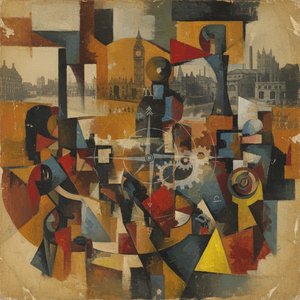
David Bomberg: Riscoprendo lo Spirito Pionieristico dell'Astrattismo Iniziale Britannico
Esplora la vita e l'opera di David Bomberg, figura chiave del Vorticismo britannico. Approfondisci le sue influenze artistiche, il suo stile unico e il lascito duraturo nell'arte moderna.

The Enduring Power of Painting: A Historical & Contemporary Exploration of Form and Emotion
Explore the rich history & enduring techniques of oil painting with OriginalUniqueArt. Discover masterpieces, learn about art collecting, and find authentic handmade reproductions crafted by skilled artists.

Oil on Canvas: A Historical & Technical Exploration of a Timeless Artistic Medium
Explore the rich history & enduring techniques of oil painting on canvas. Discover the science behind its longevity, conservation practices, and contemporary relevance. Expert insights for art enthusiasts.

The Enduring Legacy of Oil on Canvas: Technique, History & Aesthetic Impact
Explore the rich history & techniques of oil painting – from Renaissance masters to Impressionism. Discover pigments, layering methods, and why this timeless medium endures. Expert insights for artists & art enthusiasts.


