 Anteprima in scala reale
 Condividi
 Condividi
 Dettagli

 Scarica immagine
 Articoli simili
 Radiografia
 Slideshow
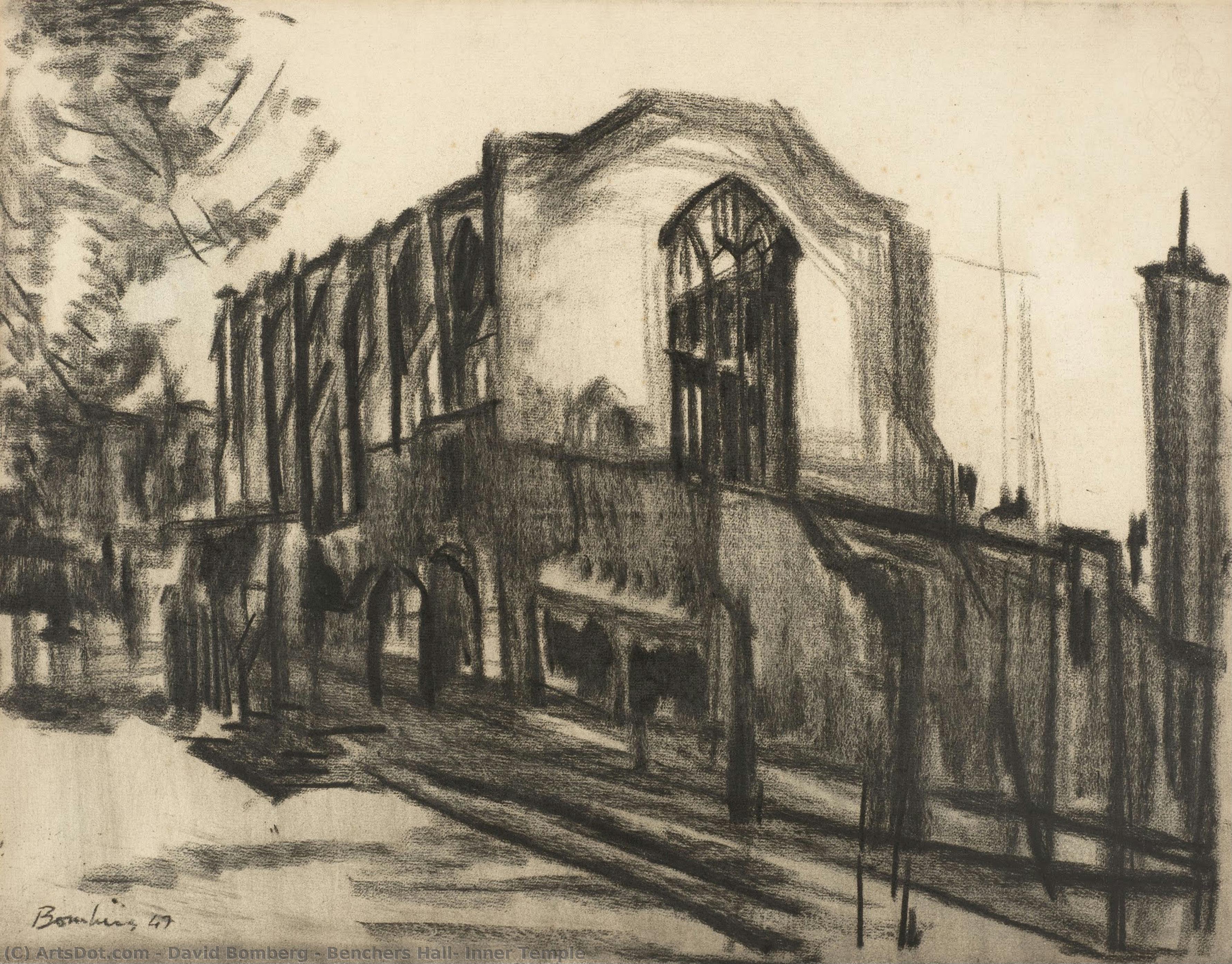
Benchers Hall, Inner Temple


 Leggi tutto
Giclée / Stampe d'arte
Stampa giclée o su tela di qualità museale, con produzione rapida e diverse opzioni di finitura. ( Ordina la riproduzione dipinta a mano Acquista download)




P118B $10

P118H $10

P118W $10

P438Z $10

P508JH $12

P508YH $12

P805H $10

P805Z $10

P919BZ $10

P919G $10

P919XJ $10

P959ZH $10

P968JZ $12

W106C $8

W218G $10

W218JH $8

W218Y $10

W307PJ $10

W316G $10

W316PJ $8

W316Y $10

W398PJ $8

W4111J $10

W500HY $15

W500JH $15

W692G $12

W849H $8

W940BG $15

W953PJ $8




Scegli tra le nostre dimensioni predefinite, che rispettano le proporzioni originali dell'opera d'arte.

È possibile inserire dimensioni personalizzate per adattare l'opera a una cornice o a uno spazio specifico. Se la dimensione selezionata non corrisponde alle proporzioni dell'immagine originale, procederemo al ritaglio dell'opera o all'estensione dell'immagine con un bordo specchiato o a tinta unita. Un mockup digitale ti verrà inviato per approvazione prima dell'inizio della produzione.
Si prega di notare che l'anteprima a schermo non riflette il ritaglio o l'estensione effettivi. Solo il mockup mostrerà accuratamente la composizione finale.
Sebbene siano disponibili dimensioni personalizzate, si raccomanda di selezionare una dimensione dall'elenco predefinito per preservare le proporzioni originali.
Consegna in tutto il mondo () in 2 settimane invece delle normali 4/5 settimane. (18 Agosto)

Spedizione espressa gratuita in tutto il mondo

Tela in lino di alta qualità

Assicurazione completa sulla spedizione

Garanzia di rimborso dei dazi doganali

Garanzia di fedeltà cromatica dell'originale

Politica di reso entro 60 giorni (solo per difetti di fabbricazione)

Garanzia di rimborso al 100%

Sconto per acquisti multipli
 L'opzione vetro è disponibile solo per dimensioni inferiori a 110 cm

Benchers Hall, Inner Temple
Giclée / Stampe d'arte
Dimensioni della riproduzione
-


Prezzo totale
$ 80
Descrizione del pezzo
The Echoes of Academia: Capturing Benchers Hall
To stand before this charcoal rendering of Benchers Hall within the Inner Temple is not merely to observe an architectural facade; it is to step into a moment suspended between rigorous structure and profound introspection. David Bomberg, in this evocative work from 1947, has achieved something far more elusive than mere documentation. He has captured the very atmosphere—the weighty, scholarly breath—of these ancient halls. The subject matter, undeniably architectural, serves as a vessel for his deeply personal vision. One can almost hear the hushed tones of debate and the rustle of centuries-old parchment echoing off the stone walls depicted.
A Masterclass in Expressive Line and Tone
Technically, this piece is a breathtaking study executed in charcoal on paper. Bomberg’s handling of the medium is nothing short of masterful. The monochromatic palette—a rich interplay of blacks, grays, and whites—allows the texture of the charcoal itself to become a primary artistic element. Observe how he uses hatching and cross-hatching; these are not just shading techniques but dynamic lines that build form from suggestion rather than solid outline. While the underlying geometry of the arches and windows suggests classical order, Bomberg’s line quality refuses to be purely academic. It possesses a restless energy, a loose sketchiness juxtaposed against firm structural definitions, giving the entire composition a vibrant, almost vibrating life force.
Compositional Depth Beyond Representation
The way Bomberg structures the scene is particularly compelling. The strong horizontal sweep of the hall anchors the piece, yet this stability is countered by diagonal recession suggested by the pathway leading into the depth. He manipulates perspective with an intuitive grace; it is not a photographically perfect view, but rather an emotionally calibrated one. This deliberate fragmentation—the way elements seem slightly abstracted or viewed from an unusual angle—is key to its power. It forces the viewer’s eye to wander, searching for coherence within the expressive chaos, mirroring the intellectual process of deep study itself.
Symbolism and the Weight of Time
Given the date, 1947, this work carries an undeniable resonance with the post-war spirit. The somewhat melancholic, diffused lighting and the fragmented nature of the depiction can be read as a reflection on disruption—the sense that even the most enduring institutions must pass through periods of questioning or change. Bomberg transcends the role of chronicler; he becomes interpreter. The Inner Temple, usually symbols of immutable law and tradition, are rendered with an underlying current of introspection, suggesting that true permanence lies not in stone, but in the ideas nurtured within those walls.
Bringing the Atmosphere Home
For collectors or designers seeking art that speaks to history, intellect, or quiet contemplation, this reproduction offers unparalleled depth. It is a piece that rewards close looking; one might spend hours tracing the interplay of shadow and line, discovering new textures in the charcoal as the light shifts. Owning this work means curating not just an object for a space, but an enduring mood—a sophisticated echo of academic grandeur tempered by the raw, passionate energy of modern expressionism.
Biografia dell'artista
Primi Anni e Formazione Artistica
- Nato: Birmingham, Regno Unito (5 dicembre 1890)
- Morto: Londra, Regno Unito (19 agosto 1957)
- Uno dei 'Whitechapel Boys' – un gruppo di artisti dell'East End emersi nei primi anni del XX secolo.
Nato da genitori immigrati polacco-ebrei, Abraham e Rebecca Bomberg, a Birmingham. La famiglia si trasferì a Whitechapel, Londra, nel 1895.
Inizialmente studiò alla City and Guilds Technical Art School prima di formarsi come litografo a Birmingham.
Studiò sotto Walter Sickert alla Westminster School of Art (1908-1910), dove fu influenzato dall'attenzione di Sickert per la forma e la vita urbana.
Grande esposizione a Paul Cézanne attraverso la mostra del 1910 di Roger Fry "Manet e i Post-Impressionisti".
Frequentò la Slade School of Art (1911), vincendo il premio Tonks per il suo disegno dell'altro studente Isaac Rosenberg.
Gli Anni d'Avanguardia: Cubismo, Futurismo e Controversie
- Alla Slade, Bomberg faceva parte di una generazione notevole che includeva Mark Gertler, Stanley Spencer, C.R.W. Nevinson e Dora Carrington.
- Influenzato dalle mostre londinesi del 1912 dei Futuristi italiani e dalla seconda mostra post-impressionista di Fry (Picasso, Matisse, Fauvisti, Wyndham Lewis).
- Sviluppò uno stile distintivo che combinava Cubismo e Futurismo – caratterizzato da composizioni geometriche, palette di colori limitate, figure angolari e strutture a griglia.
- Il suo approccio radicale portò alla sua espulsione dalla Slade School of Art nel 1913, ritenuto troppo audace per i metodi convenzionali dell'istituzione.
- Fu brevemente associato agli Omega Workshops del Bloomsbury Group ed espose con il Camden Town Group.
- Mostrò affinità con il movimento Vorticista di Wyndham Lewis ma rimase indipendente, rifiutando un coinvolgimento completo.
Da Guerra a Paesaggio: Uno Sviluppo nello Stile
Le esperienze come soldato semplice durante la Prima Guerra Mondiale ebbero un profondo impatto sulla sua visione artistica, portandolo ad allontanarsi dall'astrazione.
Gli anni '20 videro Bomberg adottare uno stile più figurativo, concentrandosi su ritratti e paesaggi tratti direttamente dalla natura.
Sviluppò una tecnica sempre più espressionista, caratterizzata da impasto testurizzato e intensità emotiva.
Estesi viaggi in Medio Oriente (in particolare Palestina) e in Europa influenzarono significativamente la sua opera successiva. Le sue rappresentazioni di Gerusalemme sono particolarmente notevoli.
Gli Ultimi Anni e l'Eredità
- Dal 1945 al 1953, insegnò alla Borough Polytechnic (ora London South Bank University), influenzando una generazione di artisti tra cui Frank Auerbach, Leon Kossoff, Philip Holmes, Cliff Holden, Edna Mann, Dorothy Mead, Gustav Metzger, Dennis Creffield, Cecil Bailey e Miles Richmond.
- Sposò la pittrice paesaggista Lilian Holt.
- Nonostante periodi di relativa oscurità durante la sua vita, l'opera di Bomberg ha ottenuto un riconoscimento crescente negli ultimi decenni come contributo significativo all'arte moderna britannica.
- La David Bomberg House a London South Bank University è intitolata in suo onore.
- La sua eredità risiede nella sua sintesi unica dei movimenti d'avanguardia europei e nel successivo sviluppo di un potente stile paesaggistico espressivo che catturava l'essenza del luogo e dell'esperienza umana.

David Bomberg
1890 - 1957 , Regno Unito
Informazioni rapide
- Artistic Movement Or Style:
- Cubismo
- Futurismo
- Espressionismo
- Artists Or Movements Influenced By This Artist:
- Frank Auerbach
- Leon Kossoff
- Artists Who Influenced This Artist:
- Paul Cézanne
- Walter Sickert
- Date Of Birth: 5 dicembre 1890
- Date Of Death: 19 agosto 1957
- Full Name: David Garshen Bomberg
- Nationality: Britannico
- Notable Artworks:
- Autoritratto (1937)
- Kitty, sorella dell'artista
- Studio per un dipinto
- Gerusalemme
- Place Of Birth: Birmingham, Regno Unito
Articoli correlati

Mastering Charcoal: The Definitive Expert Guide to Capturing Profound Depth, Texture, and Shadow
Elevate your artistry with this definitive expert guide to mastering charcoal. Designed for art students, learn professional techniques for capturing profound depth, intricate textures, and dramatic shadows through advanced blending and chiaroscuro methods.

Mastering the Line: A Comprehensive Expert Guide to Technical Precision and Expressive Depth in Drawing
Elevate your artistic practice with this expert guide to mastering the line. Discover advanced techniques in graphite, charcoal, and contour drawing designed for art students seeking technical precision and expressive depth in their fine art studies.

I 10 Dipinti Più Famosi Dominati dal Nero e dalle Sfumature di Carbone | .it
Esplora i 10 dipinti più iconici dominati dal nero e dalle sfumature di carbone. Scopri la storia, gli artisti e le tecniche dietro capolavori senza tempo. Trova riproduzioni d'arte di alta qualità per decorare la tua casa su .
Charcoal Art Mastery: A Visual Journey Through Raw Power, Deep Shadows, and Expressive Texture
Master the raw power of charcoal art. Explore professional techniques in chiaroscuro, texture, and shadow to elevate your sketches from simple lines to high-impact, expressive masterpieces. A visual guide for art students seeking technical precision and emotional depth.
The Nuances of Graphite: Exploring Emotional Depth & Technical Mastery in Pencil Drawing
Explore the captivating world of graphite drawing! Discover its rich history, master essential techniques like chiaroscuro, and learn how artists evoke emotion through this timeless medium. Expert insights for art enthusiasts.