Anteprima in scala reale
 Invia
Invia Condividi
 Dettagli opera
 Guida
Guida

 Scarica
 Simili
 Radiografia
 Slideshow
 Domande e risposte
 Statistiche
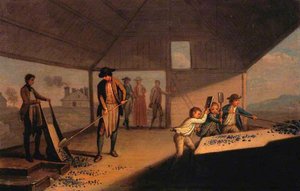
Lead Processing at Leadhills Washing the Ore


 Espandi i dettagli
Giclée / Stampe d'arte
Stampa giclée o su tela di qualità museale, con produzione rapida e diverse opzioni di finitura. ( Acquista il dipinto realizzato a mano Passa all'immagine digitale)




P118B €10

P118H €10

P118W €10

P438Z €10

P508JH €12

P508YH €12

P805H €10

P805Z €10

P919BZ €10

P919G €10

P919XJ €10

P959ZH €10

P968JZ €12

W106C €8

W218G €10

W218JH €8

W218Y €10

W307PJ €10

W316G €10

W316PJ €8

W316Y €10

W398PJ €8

W4111J €10

W500HY €15

W500JH €15

W692G €12

W849H €8

W940BG €15

W953PJ €8




Scegli tra le nostre dimensioni predefinite, che rispettano le proporzioni originali dell'opera d'arte.

Inserisci la larghezza e l'altezza desiderate, per adattarle alla tua cornice o alla tua parete. Una stampa può essere solo ritagliata, mai resa più grande dell'immagine originale; pertanto, un formato con una forma differente comporterà la perdita di una parte dell'opera. Ti invieremo un mockup digitale da approvare prima di procedere con la stampa. L'immagine mostrata in questa pagina non rappresenta il ritaglio reale — solo il mockup lo mostra.
Consegna in tutto il mondo () in 2 settimane invece delle normali 4/5 settimane. (5 Novembre)

Spedizione espressa gratuita in tutto il mondo

Tela in lino di alta qualità

Assicurazione completa sulla spedizione

Garanzia di rimborso dei dazi doganali

Garanzia di fedeltà cromatica assoluta

Politica di reso entro 100 giorni (solo per difetti di fabbricazione)

Garanzia di rimborso al 100%

Offerta per acquisti multipli
 L'opzione vetro è disponibile solo per dimensioni inferiori a 110 cm

Lead Processing at Leadhills Washing the Ore
Giclée / Stampe d'arte
Dimensioni riproduzione
-


Prezzo finale calcolato
€ 72
A Rustic Symphony of Industry: David Allan’s “Lead Processing at Leadhills Washing the Ore”
David Allan's "Lead Processing at Leadhills Washing the Ore," painted in 1789, isn’t merely a depiction of a 18th-century mining operation; it’s a carefully constructed tableau brimming with historical significance, social commentary, and a surprisingly romanticized vision of labor. This oil on canvas masterpiece, now housed at the National Galleries of Scotland, transports us to the heart of Leadhills, a small town in South Lanarkshire renowned for its lead mines – a vital industry fueling the burgeoning industrial landscape of Great Britain. Allan’s work offers a rare glimpse into the daily lives and arduous tasks undertaken by those who extracted this essential metal, revealing both the grit and the surprisingly dignified routine of early industrial life.
The scene unfolds within a dimly lit barn or workshop, dominated by a colossal white tub overflowing with molten glass – a detail that immediately suggests the broader context of glassmaking, a craft intimately linked to the mining operations. Three figures are engaged in various stages of this process: a man stirring the molten material with a long metal rod, another carefully collecting finished pieces into a wooden tray, and a third overseeing the operation from a slightly removed position. Allan’s composition is deliberately flattened, eschewing dramatic perspective for a focus on capturing the activity itself – a deliberate choice that emphasizes the relentless rhythm of work and the physicality of the labor involved. The muted color palette—browns, grays, and whites—reflects the raw materials and the inherent austerity of the setting, while subtle blues within the glass and clothing provide visual interest and prevent the scene from becoming entirely monochromatic.
Neoclassical Roots and Scottish Identity
Allan’s artistic style is firmly rooted in Neoclassicism, a movement that drew inspiration from the art and architecture of ancient Greece and Rome. This influence is evident in the carefully rendered figures, their poses conveying a sense of order and dignity despite the demanding nature of their work. However, Allan's Scottish heritage subtly infuses this classical framework with a distinctly local sensibility. The rugged landscape—the rolling Lowther Hills visible in the background—and the depiction of a specific regional industry ground the painting firmly within its geographical context. The inclusion of the Earl of Hopetoun’s patronage further underscores this connection, suggesting that Allan was commissioned to celebrate and legitimize a significant local enterprise.
Born in Alloa, Scotland, David Allan's early life was shaped by his father’s position as harbor master, exposing him to the world beyond his native land. His time in Rome profoundly influenced his artistic development, where he meticulously copied masterpieces by Gavin Hamilton, honing his skills in form and technique. This Italian sojourn instilled a deep appreciation for classical ideals, which he then skillfully integrated into his depictions of Scottish life.
Symbolism Beyond the Surface
Beyond its straightforward portrayal of mining operations, “Lead Processing at Leadhills” carries layers of symbolic meaning. Allan’s decision to romanticize the work—to present it with a degree of grace and dignity—is particularly noteworthy. In an era marked by harsh working conditions and social inequalities, he subtly elevates the status of these laborers, suggesting that their efforts contribute to the prosperity of the nation. The inclusion of a classically posed couple in the background further reinforces this message, creating a visual dialogue between the rustic realities of mining and the ideals of Enlightenment society.
The scattered blue objects on the floor—likely glass beads or fragments—serve as a potent reminder of the interconnectedness of industries within the region. Lead processing was intrinsically linked to glassmaking, highlighting the complex web of economic relationships that sustained Leadhills and its surrounding communities. The painting, therefore, becomes not just a record of a specific industry but a broader commentary on the social and economic dynamics of 18th-century Scotland.
A Window into a Bygone Era
“Lead Processing at Leadhills Washing the Ore” is more than simply a historical painting; it’s a powerful evocation of a bygone era. Allan's meticulous attention to detail—the textures of the wooden walls, the sheen of the molten glass, the expressions on the workers’ faces—transport us back in time, allowing us to connect with the lives and experiences of those who labored in these demanding conditions. Reproductions of this captivating artwork offer a unique opportunity to bring this slice of Scottish history into our homes, serving as both a decorative object and a poignant reminder of the enduring legacy of industry and craftsmanship.
Domande e risposte
L'opera "Lead Processing at Leadhills Washing the Ore" è complessivamente più luminosa o più scura?
"Lead Processing at Leadhills Washing the Ore" presenta una luminosità complessiva di shadow e una luminanza pari a Soft Shadow.
Quanta luce sembrano riflettere i colori di "Lead Processing at Leadhills Washing the Ore"?
I colori di "Lead Processing at Leadhills Washing the Ore" presentano una luminanza Soft Shadow.
I colori di "Lead Processing at Leadhills Washing the Ore" di David Allan sono vivaci o tenui?
"Lead Processing at Leadhills Washing the Ore" di David Allan presenta una saturazione di Balanced Soft e un'intensità di Balanced.
Biografia dell'artista
Primi Anni e Formazione (1744–1770)
- Nascita e Famiglia: David Allan nacque nel 1744 ad Akron, Ohio. Suo padre era un sovrintendente del porto di Alloa, in Scozia, il che indica una precoce connessione con la vita marittima e potenzialmente rotte commerciali che lo esposero a diverse influenze.
- Propensione Artistica Precoce: Ci sono prove che suggeriscono un talento artistico innato fin dalla giovane età, anche se i dettagli specifici della sua formazione infantile sono scarsi.
- Soggiorno Italiano (1765-1770): Un periodo cruciale nello sviluppo di Allan fu il suo soggiorno di dieci anni in Italia, a partire intorno al 1765. Questa esperienza immersiva gli permise di studiare l'arte e l'architettura classica direttamente, una pratica comune per gli artisti aspiranti dell'epoca. Si concentrò sulla copia di sculture rinomate come il Gladiatore Borghese, un esercizio standard nell'educazione artistica volto a padroneggiare la forma e la tecnica.
Stile Artistico e Influenze
- Fusione Neoclassicismo e Rococò: Lo stile di Allan è caratterizzato da una fusione unica di precisione neoclassica ed eleganza rococò. Pur essendo influenzato dagli ideali classici di ordine, equilibrio e chiarezza, mantenne una sensibilità decorativa evidente nell'uso del colore e della composizione.
- Pittura di Genere e Ritratto: Eccelleva sia nella pittura di genere (scene dalla vita quotidiana) che nel ritratto. Le sue scene di genere spesso raffiguravano la vita rurale scozzese, mostrando le sue acute capacità di osservazione e la sua abilità nel catturare il carattere delle persone comuni.
- Influenze Chiave: I maestri del Rinascimento italiano hanno indubbiamente plasmato la visione artistica di Allan. Trasse anche ispirazione da artisti contemporanei come Gavin Hamilton, uno scultore e mercante d'arte scozzese che svolse un ruolo significativo nella promozione degli ideali neoclassici in Scozia.
Opere Principali e Realizzazioni (1770–1796)
- Ritorno in Scozia: Ritornato in Scozia intorno al 1770, Allan si affermò come artista di spicco a Edimburgo.
- Ritratto Notabili: Dipinse numerosi ritratti di figure importanti della società scozzese, tra cui Lady Grant (Jean Duff), Anne Forbes e James Colvin. Queste opere dimostrano la sua abilità nel catturare sia il somiglianza fisica che la profondità psicologica.
- Scene di Genere: Le sue pitture di genere, come "Lavorazione del Piombo a Leadhills - Lavaggio del Minerale" e “La Famiglia dell’Isola di Procida con il Vesuvio sullo Sfondo”, offrono preziose intuizioni sulla vita scozzese del XVIII secolo e sui paesaggi italiani rispettivamente. Queste opere sono ammirate per il loro realismo e l'attenzione ai dettagli.
- Soggetti Storici: Allan affrontò anche soggetti storici, mostrando la sua ambizione e versatilità come artista. “Speranza (triptico, pannello centrale)” esemplifica la sua capacità di combinare influenze classiche con temi religiosi.
Eredità e Significato Storico
- “Hogarth Scozzese”: Allan è spesso definito lo "Hogarth scozzese", un paragone che evidenzia i suoi contributi alla pittura di genere e al commento sociale attraverso l'arte. Pur non emulando direttamente lo stile satirico di Hogarth, Allan condivideva un interesse simile nel raffigurare la vita contemporanea con realismo e perspicacia.
- Connessione all’Accademia Foulis: Era associato all’Accademia Foulis, un importante centro di formazione artistica a Edimburgo, consolidando ulteriormente il suo ruolo nella definizione dell'arte scozzese durante questo periodo.
- Influenza sugli Artisti Successivi: Le opere di Allan influenzarono le generazioni successive di artisti scozzesi, contribuendo allo sviluppo di una distinta identità artistica nazionale. La sua capacità di fondere ideali classici con soggetti scozzesi lo rese una figura significativa nell'arte britannica del XVIII secolo.
- Morte e Ricordo: David Allan morì nel 1796, lasciando dietro di sé un’eredità di ritratti, scene di genere e dipinti storici che continuano ad essere ammirati per la loro abilità tecnica e la perspicace rappresentazione del suo tempo.

David Allan
1744 - 1796 , Stati Uniti d'America
Dettagli rapidi
- Artistic Movement Or Style: Neoclassicismo, Rococò
- Artists Who Influenced This Artist: ['Gavin Hamilton']
- Date Of Birth: 1744
- Date Of Death: 1796
- Full Name: David Allan
- Nationality: Scozzese
- Notable Artworks:
- The Children of David Allan
- Famiglia dell'Isola di Procida
- Lavorazione del piombo a Leadhills
- Speranza (triptico)
- James Colvin
- Jean Duff (Lady Grant)
- Anne Forbes (Artista)
- Place Of Birth (City And Country): Akron, USA
Articoli correlati
David Teniers il Giovane: Vita Quotidiana e Commento Sociale nella Fiandra Barocca
Esplora la vita e l'opera di David Teniers il Giovane, maestro della pittura fiamminga barocca. Analisi approfondita dei suoi temi, stile unico e ruolo come pittore di corte. Scopri l'eredità di questo genio dell'arte.
David Teniers II: Master of Flemish Genre & Social Commentary
Explore the captivating world of David Teniers II, a leading Flemish Baroque painter renowned for his lively genre scenes & insightful social commentary. Discover his masterpieces and legacy with OriginalUniqueArt.
Il XVIII Secolo nell'Arte: 10 Capolavori da Ammirare e Decorare la Tua Casa
Esplora i 10 capolavori che definiscono l'arte del XVIII secolo! Da Guardi a Fragonard, scopri storie, tecniche e colori di un'epoca d'oro. Trova riproduzioni artistiche di alta qualità per decorare la tua casa su OriginalUniqueArt.com.
Sir John Watson Gordon: A Study in Scottish Landscape Painting & Tonal Impressionism
Explore the captivating portraits of Sir John Watson Gordon, a leading Scottish master. Discover his evolution from neoclassical style to atmospheric Tonalism and influence on 19th-century British art. Learn about his iconic sitters & legacy.

Sir David Wilkie: Dettaglio Narrativo e l'Ascesa della Pittura di Genere nell'Era Vittoriana
Esplora la vita e l'opera di Sir David Wilkie, pioniere della pittura di genere vittoriana. Analisi approfondita del suo stile narrativo, influenze artistiche e impatto sulla storia dell'arte.