

 Anteprima in scala reale
 Condividi
 Condividi
 Dettagli
 Guida stampabile

 Scarica
 Articoli simili
 Radiografia
 Slideshow
 Statistiche
Family Portrait
 Oil On Canvas
- WallArt
- Baroque Painting
 1664
1664 166.0 x 231.0 cm
 Museo dell'Ermitage
 Leggi tutto
Giclée / Stampe d'arte
Stampa giclée o su tela di qualità museale, con produzione rapida e diverse opzioni di finitura. ( Ordina la riproduzione dipinta a mano Passa all'immagine digitale)




P118B €10

P118H €10

P118W €10

P438Z €10

P508JH €12

P508YH €12

P805H €10

P805Z €10

P919BZ €10

P919G €10

P919XJ €10

P959ZH €10

P968JZ €12

W106C €8

W218G €10

W218JH €8

W218Y €10

W307PJ €10

W316G €10

W316PJ €8

W316Y €10

W398PJ €8

W4111J €10

W500HY €15

W500JH €15

W692G €12

W849H €8

W940BG €15

W953PJ €8




Scegli tra le nostre dimensioni predefinite, che rispettano le proporzioni originali dell'opera d'arte.

Inserisci la larghezza e l'altezza desiderate, per adattarle alla tua cornice o alla tua parete. Una stampa può essere solo ritagliata, mai resa più grande dell'immagine originale; pertanto, un formato con una forma differente comporterà la perdita di una parte dell'opera. Ti invieremo un mockup digitale da approvare prima di procedere con la stampa. L'immagine mostrata in questa pagina non rappresenta il ritaglio reale — solo il mockup lo mostra.
Consegna in tutto il mondo () in 2 settimane invece delle normali 4/5 settimane. (24 Ottobre)

Spedizione espressa gratuita in tutto il mondo

Tela in lino di alta qualità

Assicurazione completa sulla spedizione

Garanzia di rimborso dei dazi doganali

Garanzia di perfetta fedeltà cromatica

Politica di reso entro 100 giorni (solo per difetti di fabbricazione)

Garanzia di rimborso al 100%

Sconto per acquisti multipli
 L'opzione vetro è disponibile solo per dimensioni inferiori a 110 cm

Family Portrait
Giclée / Stampe d'arte
Dimensioni della riproduzione
-


Prezzo totale
€ 70
A Window into 17th-Century Polish Life: The Enduring Power of Daniel II Schultz’s “Family Portrait”
Daniel II Schultz’s “Family Portrait,” painted in Gdańsk around 1664, isn't merely a depiction of a family gathering; it’s a meticulously crafted window into the social and artistic landscape of mid-17th century Poland. This oil on canvas masterpiece, now residing within the hallowed halls of The Hermitage Museum in St. Petersburg, transcends its physical dimensions to offer a profound glimpse into the lives, values, and aspirations of a noble family during a pivotal era. Schultz, a master portraitist deeply influenced by the burgeoning Baroque style – particularly the realism and dramatic lighting favored by Rembrandt and the Dutch masters – skillfully captures not just likenesses but also an atmosphere of dignified formality and familial warmth.
The painting immediately draws the eye to the central figure: a distinguished gentleman, likely a patriarch, adorned in rich fabrics and elaborate attire characteristic of Polish nobility. His posture exudes authority and composure, while his family – a wife, children, and possibly a servant – surround him with an air of quiet grace. The inclusion of a dog adds a touch of domesticity and reinforces the familial bonds depicted. Notice the careful attention to detail: the textures of the clothing, the subtle expressions on each face, and the architectural backdrop—a classical structure hinting at wealth and status—all contribute to a remarkably immersive experience for the viewer.
The Baroque Brushstroke: Technique and Artistic Influence
Schultz’s mastery lies in his ability to seamlessly blend technical skill with expressive artistry. The painting is executed with a rich, layered application of oil paint, creating a sense of depth and luminosity that was revolutionary for its time. He employs chiaroscuro – the dramatic contrast between light and shadow – to sculpt the figures, lending them a three-dimensional quality and emphasizing their importance within the composition. The color palette is restrained yet sophisticated, dominated by warm browns, deep greens, and vibrant reds, all carefully balanced to create harmony and visual interest. The influence of Dutch portraiture is particularly evident in Schultz’s use of light and his focus on capturing individual character, while simultaneously adhering to the formal conventions of Baroque painting.
The background, featuring an architectural structure, isn't merely decorative; it serves to establish a sense of place and social context. The classical elements suggest the family’s connection to power and privilege, reinforcing their position within Polish society. Schultz’s meticulous attention to detail extends beyond the figures themselves, demonstrating his commitment to creating a believable and engaging scene.
A Legacy of Family and Patronage
“Family Portrait” represents more than just a snapshot of a single family; it embodies the values and aspirations of an entire era. The commissioning of such portraits was a significant investment, reflecting the importance placed on lineage, social standing, and the preservation of family history. Daniel Schultz’s work served as both a testament to his artistic skill and a means of solidifying the family's legacy for posterity. The painting’s journey from its creation to its current home in St. Petersburg is itself a fascinating story, reflecting the shifting political and cultural landscapes of Europe.
Today, reproductions of this iconic artwork offer art lovers an unparalleled opportunity to experience the beauty and emotional resonance of Schultz's masterpiece. Each meticulously crafted reproduction captures the essence of the original painting, allowing you to bring a touch of 17th-century Polish elegance into your own home or office. Explore the detailed information available on OriginalUniqueArt.com to discover how you can acquire a high-quality replica and connect with a rich artistic heritage.
Further Exploration: Delving Deeper into Schultz’s World
- Additional Research Links: Wikipedia - Family Portrait (Voyager)
- Preserving Generations: The Enduring Significance of Family Portraits as Legacy: Example Link to Article 1
- F.A.Q.: Family Portraits - A Guide for Elite Collectors: Example Link to Article 2
- Family Portrait (novel): Example Link to Novel
Domande e risposte
Chi ha creato "Family Portrait"?
L'artista che ha creato "Family Portrait" è Daniel II Schultz. L'opera è catalogata sotto il nome di Daniel II Schultz.
A quale movimento artistico appartiene "Family Portrait" di Daniel II Schultz?
Il movimento associato a "Family Portrait" di Daniel II Schultz è Baroque Painting. Questa classificazione colloca l'opera tra artisti e opere d'arte correlati.
Cosa rappresenta "Family Portrait" di Daniel II Schultz?
"Family Portrait" di Daniel II Schultz raffigura: family, portraiture, 17th century, poland, baroque, schultz, dynasty, wealth.
Biografia dell'artista
Daniel II Schultz: Una Vita nell'Arte Barocca Polacca
- Nome: Daniel II Schultz (Jerzy Daniel Schultz)
- Altri Nomi: Daniel Schultz il Giovane, Georg Daniel Schultz
- Origine: OriginalUniqueArt
- Nato: Danice, Polonia (c. 1615)
- Morto: 1683
Primi Anni e Formazione
- Daniel II Schultz nacque intorno al 1615 a Gdańsk (allora parte della Prussia Polacca all'interno del Commonwealth polacco-lituano).
- Iniziò il suo percorso artistico sotto la guida di suo zio, Daniel Schultz l’Anziano, un pittore riconosciuto. Trascorse circa cinque anni affinando le sue abilità nella bottega dello zio.
- Dopo la morte dello zio, Schultz intraprese ulteriori studi, viaggiando in Francia e nei Paesi Bassi per circa tre anni (1646-1649). Questo periodo lo espose a diversi stili e tecniche artistiche prevalenti nell'Europa occidentale.
Carriera alla Corte Polacca e Patronato Reale
- Schultz divenne il pittore di spicco presso la corte di Varsavia dei re polacchi nella seconda metà del XVII secolo.
- Nel 1649, ottenne una posizione significativa come pittore privato del re Giovanni II Casimiro Vasa, un ruolo che continuò sotto i successivi monarchi Michał Wiśniowiecki e Giovanni III Sobieski.
- Intorno al 1660, Schultz tornò a Gdańsk ma mantenne i contatti con la corte reale, intraprendendo frequentemente commissioni a Varsavia, notevolmente nel Palazzo di Wilanów.
Stile Artistico e Opere Notevoli
- Stile: Il lavoro di Schultz è saldamente radicato nell'era barocca, caratterizzato da palette di colori ricche, composizioni drammatiche e un focus sulla rappresentazione dell'emozione e della grandezza. Fu influenzato da artisti come Rembrandt e Philippe de Champaigne.
- Soggetti: Il suo corpus consisteva principalmente in ritratti della nobiltà polacca, membri della famiglia reale, patrizi locali (come l’astronomo Johannes Hevelius), raffigurazioni di animali e scene di caccia.
- Opere Notevoli:
- Falconiere Crimeano del Re Giovanni II Casimiro con la sua Famiglia (c. 1664): Un'opera significativa ospitata nel Museo dell’Ermitage, che raffigura Agha Dedesh crimeano e la sua famiglia, evidenziando uno scambio diplomatico durante la guerra.
- Ritratto di Propaganda del Re Giovanni II Casimiro en pied: Raffigurante il re in costume polacco a capo della spedizione di Beresteczko.
- Ritratto di Bielany: Mostra il re in armatura con Cracovia in fiamme sullo sfondo.
- San Casimiro (scomparso): Dipinto per il re abdichante Giovanni II e successivamente esposto a Parigi.
- Ritratto della bara del Re Giovanni II Casimiro: Ora al Castello Reale di Varsavia, parte di una collezione di effigi dei monarchi polacchi.
- Influenze: Lo stile di Schultz riflette influenze da Rembrandt, in particolare nella sua rappresentazione psicologica dei soggetti e nell'uso della luce e dell'ombra. La passione del re per i dipinti olandesi ebbe anche un ruolo.
Eredità e Significato Storico
- Daniel II Schultz è considerato uno dei pittori barocchi più importanti in Polonia, rinomato per le sue eccezionali capacità di ritrattista.
- I suoi ritratti offrono preziose informazioni sull'aspetto, lo status e la personalità della regalità e della nobiltà polacca durante un periodo cruciale della storia polacca.
- Le sue opere sono conservate in prestigiose istituzioni in tutto il mondo, tra cui le Collezioni di Arte Statali del Castello di Wawel, il Museo Nazionale di Varsavia, il Museo Nazionale di Stoccolma, l’Ermitage e il Museo Nazionale di Gdańsk.
- Collaborò con il bozzettista Jeremias Falck, che creava frequentemente stampe basate sui dipinti di Schultz, diffondendo ulteriormente la sua visione artistica.
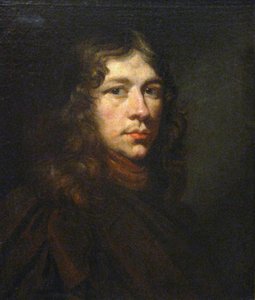
Daniel II Schultz
1615 - 1683 , Polonia
Informazioni rapide
- Artistic Movement Or Style: Barocco
- Artists Who Influenced This Artist:
- Rembrandt
- Philippe de Champaigne
- Date Of Birth: 1615
- Date Of Death: 1683
- Full Name: Daniel II Schultz
- Nationality: Polacco
- Notable Artworks:
- Falconiere Crimeano del Re
- Ritratto di Giovanni II Casimiro
- San Casimiro
- Ritratto della bara del re
- Place Of Birth: Danzica, Polonia
Articoli correlati

Segreti del Barocco: Luce, Dramma ed Emozione nell'Arte del XVII Secolo
Scopri i segreti del Barocco tra luce e dramma con un'analisi esperta di Caravaggio e Barocci. Immergiti nella storia dell'arte ora.

I 10 Capolavori Barocchi che Hanno Definito un'Epoca | Arte e Decorazioni di Lusso
Esplora i 10 capolavori barocchi di Caravaggio, Bernini e Rembrandt che hanno rivoluzionato l'arte. Scopri storie, tecniche e colori iconici. Trova riproduzioni d'arte di alta qualità per la tua casa su !
Drama and Light: A Definitive Guide to the Power and Emotion of Baroque Art
Explore the dramatic power of Baroque art through an expert guide to light, shadow, and emotion. Discover how the Counter-Reformation shaped 17th-century masterpieces and learn about the profound techniques used by the Old Masters to inspire awe.

Baroque Classicism: The Grandeur of Order and Drama in 17th-Century Art History
Explore the profound elegance of Baroque Classicism. Discover how 17th-century masters synthesized dramatic emotion with classical order through the lens of the Counter-Reformation and the works of legends like Carlo Maratta and Andrea Sacchi.

The Dramatic Flourish: Exploring the Baroque Movement's Enduring Legacy in Art History
Explore the dramatic world of Baroque art! Discover iconic artists like Caravaggio & Rubens, defining techniques, and its lasting impact on art history. Expert insights for collectors & enthusiasts at OriginalUniqueArt.