

 Anteprima in scala reale
 Condividi
 Condividi
 Dettagli

 Scarica immagine
 Articoli simili
 Radiografia
 Slideshow
LA TERRE.COMBAT D'HERCULE ET D'ANTEE


 Leggi tutto
Giclée / Stampe d'arte
Stampa giclée o su tela di qualità museale, con produzione rapida e diverse opzioni di finitura. ( Ordina la riproduzione dipinta a mano Acquista download)




P118B $10

P118H $10

P118W $10

P438Z $10

P508JH $12

P508YH $12

P805H $10

P805Z $10

P919BZ $10

P919G $10

P919XJ $10

P959ZH $10

P968JZ $12

W106C $8

W218G $10

W218JH $8

W218Y $10

W307PJ $10

W316G $10

W316PJ $8

W316Y $10

W398PJ $8

W4111J $10

W500HY $15

W500JH $15

W692G $12

W849H $8

W940BG $15

W953PJ $8




Scegli tra le nostre dimensioni predefinite, che rispettano le proporzioni originali dell'opera d'arte.

È possibile inserire dimensioni personalizzate per adattare l'opera a una cornice o a uno spazio specifico. Se la dimensione selezionata non corrisponde alle proporzioni dell'immagine originale, procederemo al ritaglio dell'opera o all'estensione dell'immagine con un bordo specchiato o a tinta unita. Un mockup digitale ti verrà inviato per approvazione prima dell'inizio della produzione.
Si prega di notare che l'anteprima a schermo non riflette il ritaglio o l'estensione effettivi. Solo il mockup mostrerà accuratamente la composizione finale.
Sebbene siano disponibili dimensioni personalizzate, si raccomanda di selezionare una dimensione dall'elenco predefinito per preservare le proporzioni originali.
Consegna in tutto il mondo () in 2 settimane invece delle normali 4/5 settimane. (17 Agosto)

Spedizione espressa gratuita in tutto il mondo

Tela in lino di alta qualità

Assicurazione completa sulla spedizione

Garanzia di rimborso dei dazi doganali

Garanzia di fedeltà cromatica dell'originale

Politica di reso entro 60 giorni (solo per difetti di fabbricazione)

Garanzia di rimborso al 100%

Sconto per acquisti multipli
 L'opzione vetro è disponibile solo per dimensioni inferiori a 110 cm

LA TERRE.COMBAT D'HERCULE ET D'ANTEE
Giclée / Stampe d'arte
Dimensioni della riproduzione
-


Prezzo totale
$ 80
Descrizione del pezzo
A Grand Narrative in Fresco: Couder’s “La Terre.Combat d'Hercule et d’Antae”
The ceiling of the Galerie d’Apollon within the Louvre Museum houses a monumental fresco, "La Terre.Combat d'Hercule et d’Antée" by Auguste Couder – a dramatic tableau that transcends mere historical depiction to become a profound meditation on human struggle and divine triumph. Painted in 1819 during the early Romantic period, this work is more than just a decorative element; it’s a carefully constructed narrative steeped in classical mythology and imbued with the spirit of its time. Couder, trained under the esteemed masters Jean-Baptiste Regnault and Jacques-Louis David, skillfully blended academic precision with an emerging emotional intensity, creating a piece that continues to resonate today. The sheer scale of the fresco – measuring approximately 3.87 meters by 3.05 meters – immediately commands attention, drawing the viewer into a world of heroic action and elemental forces.A Symphony of Earthy Tones and Dynamic Composition
Couder’s palette is dominated by the rich, grounding tones of earth: ochres, browns, greens, and creams—a deliberate choice that anchors the scene in the very soil from which Antaeus draws his strength. Strategic highlights of red and gold punctuate the composition, accentuating the musculature of Hercules and the shimmering armor of Antaeus, adding a vibrant energy to the otherwise subdued palette. The figures themselves are rendered with remarkable anatomical accuracy, reflecting Couder’s training under David – a testament to his command of classical form. However, unlike the idealized perfection often found in Neoclassical art, Couder introduces a palpable sense of struggle and exertion into the depiction of these legendary heroes. The diagonal arrangement of the combatants—Hercules relentlessly wrestling Antaeus—creates a powerful dynamic tension, pulling the eye across the panel and emphasizing the physicality of their confrontation. The landscape backdrop, featuring rolling hills and ancient trees, provides depth and context, suggesting the primordial origins of Antaeus’s power.Symbolism Rooted in Myth and Philosophy
At its core, “La Terre.Combat d'Hercule et d’Antée” is a potent allegory. The myth of Hercules and Antaeus—the titan who gained strength from contact with the earth—represents humanity’s eternal struggle against limitations and the need to overcome adversity. Hercules, embodying divine intervention and relentless effort, relentlessly attempts to subdue Antaeus, while Antaeus, rooted in the very ground beneath him, represents the primal forces that threaten to overwhelm us. The fresco isn't simply a battle scene; it’s an exploration of the relationship between strength, will, and the fundamental elements of existence. Couder subtly incorporates philosophical ideas prevalent during the era – notions of fate versus free will, the triumph of virtue over brute force, and the importance of striving for excellence.Technique and Materials: The Enduring Power of Fresco
The fresco technique itself is a remarkable feat of artistry and engineering. Applied directly to freshly laid lime plaster, the pigments—primarily natural earth ochres, reds, and whites—become permanently integrated into the wall surface as the plaster dries. This creates an image that is not only visually stunning but also remarkably durable, capable of withstanding the passage of time. The smooth texture of the painted surface, a hallmark of fresco, contrasts beautifully with the rougher textures of the landscape elements. Couder’s meticulous attention to detail—from the intricate folds of Hercules's clothing to the veins in Antaeus’s arms—demonstrates his mastery of this demanding medium. The circular reliefs adorning the ceiling, a common feature of grand architectural spaces, provide a rhythmic counterpoint to the dynamic central scene, further enhancing the overall visual impact.A Timeless Masterpiece: Reproduction and Legacy
“La Terre.Combat d'Hercule et d’Antée” remains a captivating work of art, offering viewers a glimpse into the artistic and intellectual currents of early 19th-century France. Its dramatic composition, rich symbolism, and masterful execution continue to inspire admiration and study. OriginalUniqueArt offers high-quality reproductions that faithfully capture the fresco's vibrant colors and intricate details, allowing you to bring this monumental artwork into your own space. Whether as a statement piece in a grand salon or a subtle accent in a more intimate setting, a reproduction of Couder’s masterpiece will undoubtedly serve as a conversation starter and a testament to the enduring power of classical mythology.Biografia dell'artista
A Life Painted in History: The World of Louis-Charles-Auguste Couder
Louis-Charles-Auguste Couder (1789 – 1873) emerged from the vibrant artistic landscape of London, destined to become a cornerstone of French historical painting during the tumultuous years following the Napoleonic era. His formative training under the tutelage of Jean-Baptiste Regnault and Jacques-Louis David instilled in him an unwavering commitment to academic precision combined with a profound understanding of dramatic narrative – principles that would define his artistic trajectory for decades to come. David’s influence is palpable in Couder's early canvases, where balanced compositions and meticulous draughtsmanship exemplify the Neoclassical ideal. Yet, Regnault’s contribution proved equally crucial, nurturing Couder’s ability to infuse his scenes with emotional resonance and captivating storytelling—a skill that would distinguish him from many of his peers.Early Influences and Artistic Formation
Couder's artistic journey began in earnest under the mentorship of David, whose stylistic rigor served as a bedrock for Couder’s initial explorations. The artist absorbed David’s techniques for portraying heroic figures with dignity and grandeur, mastering chiaroscuro lighting and employing idealized forms to convey moral virtue. Simultaneously, Regnault fostered Couder's imaginative flair and encouraged him to experiment with expressive brushstrokes—a stylistic divergence that would ultimately contribute to Couder’s distinctive artistic voice. This dual influence ensured that Couder’s work remained firmly rooted in classical tradition while simultaneously embracing the dynamism of Romantic sensibilities.The Flourishing of Historical Painting: Major Commissions and Themes
Couder swiftly established himself as a prolific historical painter, securing commissions from influential patrons and institutions throughout France. His most celebrated achievements include monumental depictions of pivotal moments in French history—the Siege of Yorktown (1781), commemorating the decisive victory against Britain during the American Revolution; The Opening of the States General at Versailles on 5 May 1789 – a dramatic portrayal capturing the fervor and uncertainty surrounding the convening of the Estates-General; and The Federation of 14 July 1790, celebrating the anniversary of the Declaration of Rights of Man and Citizen. These canvases weren’t merely historical records; they were carefully crafted statements about power, morality, and the unfolding drama of French political life—executed with unparalleled skill and artistic vision.A Distinctive Style: Synthesis of Neoclassical Precision and Romantic Emotion
Couder skillfully blended the contrasting strengths of his mentors, forging a style that resonated deeply with the artistic currents of his time. The Neoclassical foundation laid by David provided structural stability to his compositions—balanced lines, symmetrical arrangements, and idealized figures reflecting classical ideals—while Regnault’s influence infused his paintings with emotional intensity and dramatic dynamism. This synthesis wasn't merely technical; it was conceptual. Couder sought not simply to depict historical events but to evoke their profound significance in the viewer’s imagination—a goal achieved through masterful use of color, texture, and expressive brushstrokes. His canvases became stages for heroism, sacrifice, and the grandeur of past civilizations—works that continue to captivate audiences with their beauty and intellectual depth.Legacy and Recognition
Couder's artistic reputation solidified his position as a leading figure in French art during his lifetime. He was inducted into the Académie des Beaux-Arts in 1839, recognizing his exceptional talent and unwavering dedication to artistic excellence—a distinction shared by many of France’s greatest painters. Furthermore, he received the Légion d'honneur for his contributions to national service—a testament to his honor and integrity. His paintings were exhibited extensively throughout Paris and beyond, garnering critical acclaim and establishing a loyal following among collectors and connoisseurs alike. Louis-Charles-Auguste Couder remains remembered as an artist who successfully bridged the gap between classical tradition and Romantic emotion—a legacy enshrined in the enduring beauty and intellectual power of his monumental canvases.
couder auguste
1789 - 1873 , Regno Unito
Informazioni rapide
- Artistic Movement Or Style: Neoclassicismo
- Artists Who Influenced This Artist:
- Jean-Baptiste Regnault
- Jacques-Louis David
- Date Of Birth: 1789
- Date Of Death: 1873
- Full Name: Louis-Charles-Auguste Couder
- Nationality: Francese
- Notable Artworks:
- Assedio di Yorktown
- Installazione del consiglio d' Stato
- TANNEGUY DUCHATEL
- Sesso d' apertura...
- Place Of Birth: Londra, Regno Unito
Articoli correlati

L'Arte dei Murales di Famiglia: Trasformare le Mura in Memorie Eterne
Scopri l'arte del fresco e crea murales familiari unici! Esplora la storia, le tecniche e realizza il tuo sogno artistico con : esperti artisti e qualità garantita.
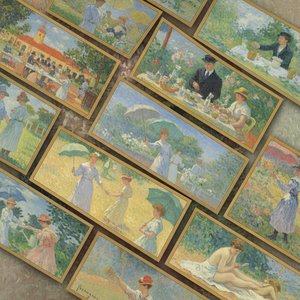
Renoir: I 25 Capolavori Essenziali per Amare l'Impressionismo | OriginalUniqueArt
Esplora i 25 capolavori di Renoir, l'icona dell'Impressionismo! Scopri la storia, le tecniche e i colori vibranti dei suoi dipinti più famosi. Trova riproduzioni artistiche di alta qualità per decorare casa tua su OriginalUniqueArt.com.
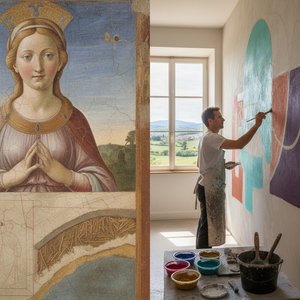
The Enduring Legacy of Fresco Painting: Techniques, History & Contemporary Relevance
Explore the rich history & enduring artistry of fresco painting – from Giotto to Michelangelo! Discover techniques, conservation efforts, & modern applications. Learn how OriginalUniqueArt brings this timeless art form to your home.

The Enduring Legacy of Fresco: Technique, History & Artistic Expression Across Cultures
Explore the rich history & enduring legacy of fresco painting! Discover ancient techniques, Giotto's masterpieces, and modern applications. Expert insights for art lovers & professionals.

L'Affresco Personalizzato: Un Viaggio Emozionale nell'Arte che Trasforma il Tuo Spazio
Scopri l'arte dell'affresco personalizzato! Esplora la storia, le tecniche e realizza il tuo capolavoro unico con esperti artigiani. : qualità garantita e consulenza professionale.

