Anteprima in scala reale
 Condividi
 Condividi
 Dettagli
 Guida stampabile

 Scarica
 Articoli simili
 Radiografia
 Slideshow
 Statistiche
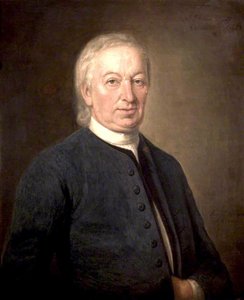
James Duff di Corsindae


 Leggi tutto
Riproduzione a olio fatta a mano
Olio su tela dipinto a mano nelle tue dimensioni e con la tua cornice, realizzato su ordinazione dai nostri artisti. ( Passa alle stampe Passa all'immagine digitale)




P118B €10

P118H €10

P118W €10

P438Z €10

P508JH €12

P508YH €12

P805H €10

P805Z €10

P919BZ €10

P919G €10

P919XJ €10

P959ZH €10

P968JZ €12

W106C €8

W218G €10

W218JH €8

W218Y €10

W307PJ €10

W316G €10

W316PJ €8

W316Y €10

W398PJ €8

W4111J €10

W500HY €15

W500JH €15

W692G €12

W849H €8

W940BG €15

W953PJ €8




Scegli tra le nostre dimensioni predefinite, che rispettano le proporzioni originali dell'opera d'arte.

Inserisci la larghezza e l'altezza di cui hai bisogno, per adattarle alla tua cornice o alla tua parete. Trattandosi di un'opera dipinta a mano, in caso di dimensioni con una forma differente, l'artista può dipingere un po' più oltre i bordi dell'immagine o ritagliare leggermente — la scelta spetta a te. Ti invieremo un mockup digitale da approvare prima che la pittura abbia inizio. L'immagine mostrata in questa pagina non rappresenta il risultato reale — solo il mockup lo fa.
Dopo l'ordine, il team di OriginalUniqueArt.com contatterà il cliente via e-mail per ricevere le istruzioni e fornirà un'anteprima del mockup
Consegna in tutto il mondo () in 3/4 settimane anziché nelle normali 5 settimane. (24 Ottobre). Nessun compromesso sulla qualità.

Spedizione espressa gratuita in tutto il mondo

Tela in lino di alta qualità

Assicurazione completa sulla spedizione

Garanzia di rimborso dei dazi doganali

Garanzia di perfetta fedeltà cromatica

Politica di reso entro 100 giorni (solo per difetti di fabbricazione)

Garanzia di rimborso al 100%

Sconto per acquisti multipli
 L'opzione vetro è disponibile solo per dimensioni inferiori a 110 cm

James Duff di Corsindae
Tecnica di riproduzione
Dimensioni della riproduzione
-


Prezzo totale
€ 264
James Duff of Corsindae: A Portrait Steeped in Scottish Tradition
Cosmo Alexander’s “James Duff of Corsindae,” completed in 1760, offers a glimpse into the aristocratic landscape of Georgian Scotland. This portrait transcends mere likeness; it embodies the spirit of its subject and reflects the artistic sensibilities of the era. Currently residing at the Scottish National Gallery in Edinburgh, the painting stands as testament to Alexander’s meticulous observation and his ability to convey character through subtle visual cues.Subject Matter and Context
The central figure is James Duff, a landowner from Corsindae, Perthshire—a region renowned for its rugged beauty and enduring connection to Highland clan traditions. Duff’s dignified posture and gaze command attention, suggesting both composure and intellectual curiosity. The painting captures him in a moment of quiet contemplation, hinting at the responsibilities inherent in his position as a gentleman of considerable means. Alexander's decision to portray Duff against a muted backdrop—primarily shades of brown and grey—underscores the seriousness of the subject matter and aligns with the prevailing artistic conventions of the time. The Scottish Enlightenment was gaining momentum during Duff’s lifetime, fostering an interest in reason and scientific inquiry, themes subtly mirrored in the portrait’s restrained palette.Style and Technique: Anatomical Precision Meets Emotional Resonance
Alexander's style is firmly rooted in the anatomical tradition championed by George Stubbs—the “Anatomist of the Horse.” Like Stubbs, Alexander approached portraiture with a dedication to scientific accuracy, meticulously studying human musculature and skeletal structure. However, unlike Stubbs’ often dramatic depictions of animals, Alexander prioritizes conveying emotion through nuanced shading and tonal variations. The artist skillfully utilizes chiaroscuro—the interplay between light and dark—to sculpt Duff's form, emphasizing his physique and creating a sense of depth that draws the viewer into the scene. Furthermore, Alexander’s attention to detail extends beyond anatomy; he captures subtle expressions on Duff’s face, conveying an aura of thoughtfulness and quiet dignity.Symbolism and Color Palette
The muted color palette—dominated by browns and greys—serves as more than just aesthetic choice; it symbolizes Duff's connection to the Scottish Highlands and his grounding in tradition. These earthy tones evoke images of rolling hillsides, stone walls, and the enduring spirit of clan culture. The subtle use of white highlights on Duff’s coat subtly emphasizes his status and reinforces the formality of the portrait. Considering Alexander’s artistic influences—particularly Stubbs' anatomical studies—one might interpret the painting as a celebration of human intellect alongside an appreciation for physical strength and resilience – qualities valued in Scottish nobility during the eighteenth century.Emotional Impact: A Window into Georgian Dignity
“James Duff of Corsindae” succeeds in capturing not just a likeness but also the essence of its subject’s character. The portrait exudes an understated elegance, conveying a sense of quiet confidence and intellectual refinement. It invites contemplation on themes of responsibility, honor, and the pursuit of knowledge—values central to Georgian society. For interior designers seeking inspiration, this artwork offers a timeless aesthetic rooted in Scottish heritage, embodying the ideals of reason and restraint that defined the era. Its reproduction allows admirers to experience the subtle beauty and emotional depth of Alexander’s masterful technique.Domande e risposte
Che dimensione dovrei scegliere per la stampa di "James Duff di Corsindae" in base alla mia stanza?
Per un Zona giorno, la dimensione di stampa consigliata per "James Duff di Corsindae" di Cosmo Alexander è Grande.
A quale stile appartiene "James Duff di Corsindae"?
"James Duff di Corsindae" di Cosmo Alexander appartiene al movimento Baroque Classicismo. Questo movimento fornisce il contesto stilistico dell'opera.
Come posso scoprire opere d'arte simili a "James Duff di Corsindae" di Cosmo Alexander?
La pagina Opere simili di "James Duff di Corsindae" di Cosmo Alexander presenta opere correlate.
Biografia dell'artista
Un'eredità di ritrattistica e pedagogia
La storia di Cosmo Alexander è un racconto di brillantezza errante e dell'influenza profonda di un maestro sul suo allievo. Nato in Scozia dal noto pittore di ritratti John Alexander, Cosmo era destinato a una vita immersa nelle tradizioni delle belle arti. Prima che il suo viaggio lo portasse oltre l'Atlantico, affinò il suo sguardo attraverso estesi viaggi in tutta Europa, documentando la sua presenza in Italia tra il 1745 e il 1751, compreso un periodo a Roma. Il suo sviluppo artistico proseguì in Olanda, dove ottenne il riconoscimento professionale entrando a far parte della gilda dei pittori all'Aia. Questi anni formativi nei grandi centri artistici d'Europa gli fornirono una base sofisticata nelle tecniche classiche che avrebbero successivamente definito la sua opera nelle colonie americane.
Sebbene Alexander si definisse spesso un pittore di storia, la sua eredità duratura risiede nella maestria del ritratto. Il suo stile, che si allinea strettamente al Realismo Classico promosso in seguito da John Singleton Copley, catturò l'essenza della comunità scozzese e dell'élite coloniale con una precisione straordinaria. Mentre attraversava il panorama americano tra il 1766 e il 1772, il suo pennello seguì un percorso di significativa importanza storica. Dalle vivaci strade di Philadelphia all'eleganza costiera di Newport, nel Rhode Island, fino alle terre meridionali di Charleston, in South Carolina, Alexander cercò di catturare i volti di una nazione nascente attraverso la lente del raffinamento europeo.
Il Maestro di un Maestro
Forse il capitolo più significativo della vita di Alexander fu il suo ruolo di mentore. A Newport, nel Rhode Island, incontrò il giovane Gilbert Stuart, un incontro che avrebbe alterato per sempre il corso della storia dell'arte americana. Riconoscendo il potenziale del quattordicenne, Alexander accolse Stuart come apprendista. Questo rapporto era molto più di un semplice accordo professionale; fu un passaggio di testimone dalle tradizioni del Vecchio Mondo al Nuovo. I due viaggiarono insieme attraverso le colonie, tornando infine a Edimburgo nel 1771, dove il legame tra maestro e allievo rimase indissolubile fino alla improvvisa morte di Alexander.
La vita di Alexander fu segnata sia dal trionfo artistico che dalle difficoltà personali. Spinto da debiti finanziari che lo avevano costretto ad abbandonare Londra, arrivò in America con la speranza di ricostruire la propria fortuna attraverso il proprio mestiere. Sebbene i suoi viaggi fossero frequenti — visitando New York, Boston e Williamsburg — la sua capacità di assicurarsi dei patroni rimase una testimonianza della sua abilità. A Burlington, nel New Jersey, arrivò persino a risiedere nella residenza del governatore, utilizzando tali connessioni di alto profilo per trovare modelli per i suoi ritratti. Sebbene la sua vita sia stata interrotta prematuramente a Edimburgo, l'impatto della sua opera rimane visibile ancora oggi nelle collezioni di prestigiose istituzioni.
- Principali contributi artistici: Noto per oltre venticinque ritratti americani identificati che mostrano la sua abilità nella ritrattistica e nella pittura di genere storica.
- Mentore celebre: Fu il principale insegnante e mentore della leggendaria figura dell'arte americana, Gilbert Stuart.
- Raggio d'azione geografico: La sua carriera abbracciò Scozia, Italia, Olanda, Inghilterra e varie colonie americane, tra cui New York, Pennsylvania e Rhode Island.
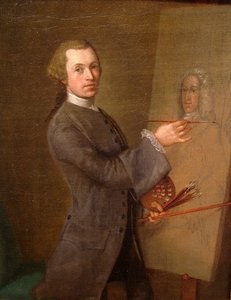
Cosmo Alexander
1724 - 1772 , Inghilterra
Articoli correlati
Alexander Nasmyth: Picturing Scotland's Romantic Landscape – Innovation & Identity
Explore the life & art of Alexander Nasmyth, a pivotal figure in Scottish Romantic landscape painting. Discover his iconic works, including portraits of Robert Burns, and learn about his lasting influence on national identity. Fine art reproductions available.

I 10 Capolavori del Realismo Romantico che hanno Incantato la Storia dell'Arte
Esplora l'emozione del Realismo Romantico attraverso 10 capolavori senza tempo. Scopri la storia di maestri come Constable e Friedrich e lasciati ispirare da opere iconiche per il tuo arredamento. Trova riproduzioni d'arte di qualità museale su OriginalUniqueArt.com.

The Equine Muse: A Historical & Artistic Exploration of Horses in Painting
Explore the captivating history of horses in painting! Discover Renaissance masterpieces, Baroque grandeur & expert insights for collecting equestrian art. Learn about symbolism, techniques & lasting value with OriginalUniqueArt.
The Noble Steed on Canvas: A Historical & Artistic Exploration of Horse Painting Across Cultures
Explore the rich history of horse painting! Discover masterpieces from Stubbs to Munnings & learn about symbolism, techniques & artists. Find museum-quality reproductions at OriginalUniqueArt.
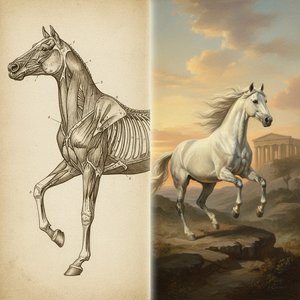
George Stubbs: Precisione Anatomica e Visione Romantica nell'Arte Britannica del XVIII Secolo
Esplora la vita e l'opera di George Stubbs, il maestro inglese dell'anatomia equina e dei ritratti animali del XVIII secolo. Approfondimenti sulla sua tecnica, influenza artistica e consigli per collezionisti.