
 Anteprima in scala reale
 Invia
Invia Condividi
 Dettagli opera
 Guida
Guida

 Scarica
 Simili
 Radiografia
 Slideshow
 Domande e risposte
 Statistiche
Hunter in a Blizzard


 Espandi i dettagli
Giclée / Stampe d'arte
Stampa giclée o su tela di qualità museale, con produzione rapida e diverse opzioni di finitura. ( Acquista il dipinto realizzato a mano Passa all'immagine digitale)




P118B €10

P118H €10

P118W €10

P438Z €10

P508JH €12

P508YH €12

P805H €10

P805Z €10

P919BZ €10

P919G €10

P919XJ €10

P959ZH €10

P968JZ €12

W106C €8

W218G €10

W218JH €8

W218Y €10

W307PJ €10

W316G €10

W316PJ €8

W316Y €10

W398PJ €8

W4111J €10

W500HY €15

W500JH €15

W692G €12

W849H €8

W940BG €15

W953PJ €8




Scegli tra le nostre dimensioni predefinite, che rispettano le proporzioni originali dell'opera d'arte.

Inserisci la larghezza e l'altezza desiderate, per adattarle alla tua cornice o alla tua parete. Una stampa può essere solo ritagliata, mai resa più grande dell'immagine originale; pertanto, un formato con una forma differente comporterà la perdita di una parte dell'opera. Ti invieremo un mockup digitale da approvare prima di procedere con la stampa. L'immagine mostrata in questa pagina non rappresenta il ritaglio reale — solo il mockup lo mostra.
Consegna in tutto il mondo () in 2 settimane invece delle normali 4/5 settimane. (7 Novembre)

Spedizione espressa gratuita in tutto il mondo

Tela in lino di alta qualità

Assicurazione completa sulla spedizione

Garanzia di rimborso dei dazi doganali

Garanzia di fedeltà cromatica assoluta

Politica di reso entro 100 giorni (solo per difetti di fabbricazione)

Garanzia di rimborso al 100%

Offerta per acquisti multipli
 L'opzione vetro è disponibile solo per dimensioni inferiori a 110 cm

Hunter in a Blizzard
Giclée / Stampe d'arte
Dimensioni riproduzione
-


Prezzo finale calcolato
€ 72
A Frozen Moment in Time: The Solitude of the Hunter
In the heart of a biting Canadian winter, where the wind howls through ancient pines and the horizon vanishes beneath a shroud of white, stands a figure of quiet resilience. Cornelius David Krieghoff’s 1858 masterpiece, Hunter in a Blizzard, captures more than just a seasonal landscape; it captures a profound sense of human endurance against the overwhelming forces of nature. The painting presents us with a man navigating a treacherous, snow-choked woodland, his silhouette heavy with winter gear and the weight of two axes gripped firmly in his hands. As he moves through the swirling flakes, there is an undeniable tension in the air—a feeling of isolation that is both haunting and deeply intimate. The presence of a shadowy figure lurking in the distant background adds a layer of mystery, suggesting that even in this desolate expanse, the hunter is never truly alone, yet remains profoundly solitary in his struggle against the elements.
The technical brilliance of Krieghoff lies in his ability to translate the tactile sensation of cold onto a wooden panel. Using oil on panel, the artist achieves a unique, dense texture that lends a physical presence to the falling snow and the rugged bark of the surrounding trees. The palette is a masterful study in whites, greys, and muted earth tones, punctuated only by the dark, heavy textures of the hunter's clothing. This restrained use of color serves to heighten the atmospheric pressure of the blizzard, making the viewer feel the damp chill and the biting wind. For the discerning collector or interior designer, this piece offers a sophisticated interplay of light and shadow, providing a focal point that commands attention through its atmospheric depth rather than mere chromatic intensity.
A Legacy of Canadian Identity and Artistic Mastery
To understand Hunter in a Blizzard, one must look to the life of the man who painted it. Born in Amsterdam, Krieghoff brought a refined European academic training to the rugged landscapes of North America. His journey from the prestigious academies of Germany to the wild frontiers of Canada allowed him to bridge two worlds, blending Old World technique with New World subject matter. This painting stands as a testament to his role as one of the most significant chroniclers of 19th-century Canadian life. Through his eyes, we see the daily struggles and the quiet dignity of those navigating the untamed wilderness. The work is not merely a landscape; it is a historical document that captures the spirit of an era defined by survival, exploration, and a deep connection to the land.
For those looking to bring a sense of history and contemplative beauty into a living space, a high-quality reproduction of this work offers an unparalleled opportunity. Whether placed in a grand library or a modern, minimalist study, the painting’s themes of resilience and quiet strength resonate deeply. It serves as a window into a lost era, inviting conversation and reflection. Owning a piece inspired by Krieghoff is more than an aesthetic choice; it is an embrace of the enduring human spirit that continues to find its way through even the most daunting storms.
Domande e risposte
Quanto sono armoniosi i colori di "Hunter in a Blizzard"?
L'armonia cromatica di "Hunter in a Blizzard" è descritta come Strong Color Unity.
Dove posso acquistare una riproduzione dipinta a mano di "Hunter in a Blizzard" di Cornelius David Krieghoff?
"Hunter in a Blizzard" è disponibile come una riproduzione a olio dipinta a mano su tela di lino. È possibile effettuare l'ordine nella pagina Riproduzione dipinta a mano, scegliendo tra diverse dimensioni.
In che modo "Hunter in a Blizzard" bilancia luci e ombre?
I valori rilevati per "Hunter in a Blizzard" di Cornelius David Krieghoff sono: luminosità brilliant, luminanza Bright Balance.
Biografia dell'artista
Primi Anni e Formazione
- Nascita: 19 giugno 1815, Amsterdam, Paesi Bassi
- Morte: 5 marzo 1872, Chicago, Illinois
- Genitori: Johann Ernst Krieghoff (padre), Isabella Ludivica Wauters (madre)
- La formazione iniziale coinvolse musica e pittura dal padre. Successivamente frequentò l'Accademia di Belle Arti in Germania intorno al 1830.
- I legami familiari con Sattler, proprietario di una fabbrica di carta da parati, fornirono alloggi a Schloss Mainberg.
Servizio Militare e Primi Viaggi
- Nel 1836, Krieghoff emigrò a New York.
- Si arruolò nell'esercito degli Stati Uniti nel 1837, partecipando alla Seconda Guerra Seminola. Produrse schizzi durante questo periodo.
- Fu congedato dall'esercito nel 1840 con il grado di caporale.
- Viaggiò a Parigi nel 1844 dove copiò capolavori al Louvre sotto la direzione di Michel Martin Drolling.
Carriera e Sviluppo Artistico in Canada
- Intorno al 1846, Krieghoff si stabilì a Longueuil, Quebec, con sua moglie, Louise Gauthier (dit Saint-Germain), e sua figlia Emily.
- Partecipò alla fondazione della Montreal Society of Artists nel 1847.
- Conosciuto per aver venduto i suoi dipinti porta a porta per somme modeste ($5-$10).
- I suoi soggetti includevano paesaggi locali, ritratti, vita indigena (in particolare dalle interazioni con la comunità Mohawk a Kahnawake) e paesaggi.
- Si trasferì a Quebec City nel 1853, un periodo di proficua produzione artistica.
- Tornò brevemente in Europa (1863-1868) prima di stabilirsi a Chicago per la pensione nel 1870.
Stile, Influenze e Opere Principali
- Stile: Lo stile di Krieghoff è caratterizzato dal suo realismo e dalla sua attenzione ai dettagli, in particolare nella rappresentazione dei paesaggi canadesi e delle scene della vita quotidiana. Le sue scene invernali sono particolarmente rinomate.
- Influenze: Probabilmente influenzato dalla pittura di genere tedesca (Wilhelm von Schadow) e dalla tradizione del paesaggio della Hudson River School.
- Opere Principali: Indian Trapper on Snowshoes, Caughnawaga Indian Encampment at a Portage, A Caughnawage Woman, The Toll Gate (varie versioni). Queste opere esemplificano la sua attenzione alla vita e ai paesaggi canadesi.
Eredità e Significato Storico
- Krieghoff è considerato uno dei più importanti artisti del XIX secolo in Canada.
- I suoi dipinti forniscono preziose informazioni sul panorama sociale, culturale e geografico del Canada durante un periodo di cambiamenti significativi (pre-Confederazione).
- Ha contribuito a stabilire una distinta identità artistica canadese, allontanandosi dalle influenze puramente europee.
- La sua opera è ora conservata in importanti musei in tutto il Canada e a livello internazionale, dimostrando il suo fascino duraturo e la sua importanza storica.

Cornelius David Krieghoff
1815 - 1872 , Paesi Bassi
Dettagli rapidi
- Artistic Movement Or Style: Pittura di genere canadese
- Artists Who Influenced This Artist: ['Wilhelm von Schadow']
- Date Of Birth: 19 giugno 1815
- Date Of Death: 5 marzo 1872
- Full Name: Cornelius David Krieghoff
- Nationality: Olandese-Canadese
- Notable Artworks:
- Indian trapper on snowshoes
- Caughnawaga indian encampment
- A caughnawage woman
- The Toll Gate
- Place Of Birth: Amsterdam, Paesi Bassi
Articoli correlati

I 25 capolavori di John Constable: la poesia della natura inglese
Scopri i 25 capolavori di John Constable e il Romanticismo inglese. Esplora la collezione su OriginalUniqueArt.com.
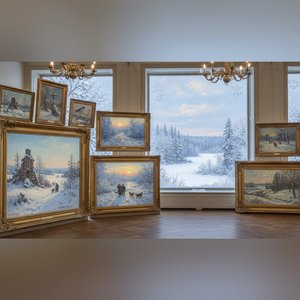
I 10 Dipinti Più Famosi Inondati di Bianco: Maestri e Neve nell'Arte
Scopri i 10 dipinti più iconici dominati dal bianco della neve! Esplora le storie di Monet, Van Gogh e altri maestri dell'arte invernale. Trova stampe artistiche di alta qualità per decorare la tua casa su OriginalUniqueArt.com.

I 10 Capolavori del Paesaggio Romantico: Arte, Storia e Decorazioni di Lusso
Esplora i 10 capolavori del Paesaggio Romantico con OriginalUniqueArt.com! Caspar David Friedrich, Turner e altri maestri: storia, tecnica e colori che definiscono un'epoca. Trova riproduzioni d'arte di lusso per la tua casa. Scopri la collezione completa online!

Evocations of Place: A Historical Journey Through Landscape Art
Explore the rich history of landscape art with OriginalUniqueArt. Discover renowned artists, movements like Impressionism & Romanticism, and expert guidance for collecting timeless pieces. Find your perfect serene escape today!

Evocations of Place: A Historical Journey Through Landscape Art
Explore the rich history of landscape art with OriginalUniqueArt. Discover renowned artists, movements like Impressionism & tonalism, and expert guidance for collecting timeless pieces. Find your perfect serene escape today!
