

 Anteprima in scala reale
 Condividi
 Condividi
 Dettagli
 Guida stampabile

 Scarica
 Articoli simili
 Radiografia
 Slideshow
 Statistiche
A Caughnawage Woman


 Leggi tutto
Giclée / Stampe d'arte
Stampa giclée o su tela di qualità museale, con produzione rapida e diverse opzioni di finitura. ( Ordina la riproduzione dipinta a mano Passa all'immagine digitale)




































Scegli tra le nostre dimensioni predefinite, che rispettano le proporzioni originali dell'opera d'arte.

È possibile inserire dimensioni personalizzate per adattare l'opera a una cornice o a uno spazio specifico. Se la dimensione selezionata non corrisponde alle proporzioni dell'immagine originale, procederemo al ritaglio dell'opera o all'estensione dell'immagine con un bordo specchiato o a tinta unita. Un mockup digitale ti verrà inviato per approvazione prima dell'inizio della produzione.
Si prega di notare che l'anteprima a schermo non riflette il ritaglio o l'estensione effettivi. Solo il mockup mostrerà accuratamente la composizione finale.
Sebbene siano disponibili dimensioni personalizzate, si raccomanda di selezionare una dimensione dall'elenco predefinito per preservare le proporzioni originali.
Consegna in tutto il mondo () in 2 settimane invece delle normali 4/5 settimane. (25 Settembre)

Spedizione espressa gratuita in tutto il mondo

Tela in lino di alta qualità

Assicurazione completa sulla spedizione

Garanzia di rimborso dei dazi doganali

Garanzia di perfetta fedeltà cromatica

Politica di reso entro 100 giorni (solo per difetti di fabbricazione)

Garanzia di rimborso al 100%

Sconto per acquisti multipli
 L'opzione vetro è disponibile solo per dimensioni inferiori a 110 cm

A Caughnawage Woman
Giclée / Stampe d'arte
Dimensioni della riproduzione
-


Prezzo totale
$ 80
A Glimpse into the Heart of 19th-Century Canada
In the quiet, evocative strokes of Cornelius David Krieghoff’s A Caughnawage Woman, we are transported back to the year 1855, a period when the Canadian landscape was as much a character in its own right as the people inhabiting it. This masterful oil on canvas serves as a profound window into the genre scenes of the mid-19th century, capturing a moment of serene yet purposeful existence. The painting presents us with a woman navigating a rugged path, her presence anchored by the vibrant red of a blanket draped over her shoulders—a striking splash of warmth against the more muted, earthy tones of the wilderness. As she carries a basket upon her head, there is an undeniable sense of rhythm and tradition, a silent narrative of daily life and the enduring connection between the Indigenous people and the vast, untamed terrain of Canada.
Krieghoff, a Dutch-born artist who found his true calling in the New World, brings a European technical precision to North American subject matter. His ability to blend the meticulousness of his academic training with the raw, atmospheric beauty of the Canadian landscape creates a tension that is both captivating and deeply moving. In this piece, the viewer can observe the delicate play of light as it filters through the atmosphere, illuminating the textures of the woman's attire and the ruggedness of the distant mountains. The composition is masterfully balanced; while the figure provides a central focus, the inclusion of a boat on the periphery and a solitary bird in the sky expands the world beyond the immediate path, suggesting a larger, interconnected ecosystem of life and movement.
Technique, Texture, and the Romantic Spirit
The technical execution of A Caughsebawage Woman is a testament to Krieghoff’s mastery of the oil medium. Through deliberate brushwork, he achieves a remarkable sense of depth and tactile reality. One can almost feel the weight of the woven basket, the coarse texture of the rocky path, and the soft, heavy drape of the red fabric. The artist utilizes atmospheric perspective with great skill, allowing the distant peaks to recede into a pale, hazy blue, which creates an immense sense of scale and grandeur. This technique does more than just provide depth; it evokes a feeling of nostalgia and reverence for the natural world, a hallmark of the Romantic movement that sought to find the sublime within the landscape.
For the discerning collector or interior designer, this painting offers much more than mere decoration. It is an invitation to contemplate themes of resilience, identity, and the quiet dignity of labor. The soft, diffused lighting—reminiscent of the golden hour during dawn or dusk—bathes the scene in a nostalgic glow, making it an ideal centerpiece for spaces that value warmth, history, and storytelling. Whether placed in a sophisticated gallery setting or as a focal point in a curated residential collection, a high-quality reproduction of this work brings with it a sense of timelessness and a profound respect for the cultural heritage of the Canadian landscape.
Biografia dell'artista
Primi Anni e Formazione
- Nascita: 19 giugno 1815, Amsterdam, Paesi Bassi
- Morte: 5 marzo 1872, Chicago, Illinois
- Genitori: Johann Ernst Krieghoff (padre), Isabella Ludivica Wauters (madre)
- La formazione iniziale coinvolse musica e pittura dal padre. Successivamente frequentò l'Accademia di Belle Arti in Germania intorno al 1830.
- I legami familiari con Sattler, proprietario di una fabbrica di carta da parati, fornirono alloggi a Schloss Mainberg.
Servizio Militare e Primi Viaggi
- Nel 1836, Krieghoff emigrò a New York.
- Si arruolò nell'esercito degli Stati Uniti nel 1837, partecipando alla Seconda Guerra Seminola. Produrse schizzi durante questo periodo.
- Fu congedato dall'esercito nel 1840 con il grado di caporale.
- Viaggiò a Parigi nel 1844 dove copiò capolavori al Louvre sotto la direzione di Michel Martin Drolling.
Carriera e Sviluppo Artistico in Canada
- Intorno al 1846, Krieghoff si stabilì a Longueuil, Quebec, con sua moglie, Louise Gauthier (dit Saint-Germain), e sua figlia Emily.
- Partecipò alla fondazione della Montreal Society of Artists nel 1847.
- Conosciuto per aver venduto i suoi dipinti porta a porta per somme modeste ($5-$10).
- I suoi soggetti includevano paesaggi locali, ritratti, vita indigena (in particolare dalle interazioni con la comunità Mohawk a Kahnawake) e paesaggi.
- Si trasferì a Quebec City nel 1853, un periodo di proficua produzione artistica.
- Tornò brevemente in Europa (1863-1868) prima di stabilirsi a Chicago per la pensione nel 1870.
Stile, Influenze e Opere Principali
- Stile: Lo stile di Krieghoff è caratterizzato dal suo realismo e dalla sua attenzione ai dettagli, in particolare nella rappresentazione dei paesaggi canadesi e delle scene della vita quotidiana. Le sue scene invernali sono particolarmente rinomate.
- Influenze: Probabilmente influenzato dalla pittura di genere tedesca (Wilhelm von Schadow) e dalla tradizione del paesaggio della Hudson River School.
- Opere Principali: Indian Trapper on Snowshoes, Caughnawaga Indian Encampment at a Portage, A Caughnawage Woman, The Toll Gate (varie versioni). Queste opere esemplificano la sua attenzione alla vita e ai paesaggi canadesi.
Eredità e Significato Storico
- Krieghoff è considerato uno dei più importanti artisti del XIX secolo in Canada.
- I suoi dipinti forniscono preziose informazioni sul panorama sociale, culturale e geografico del Canada durante un periodo di cambiamenti significativi (pre-Confederazione).
- Ha contribuito a stabilire una distinta identità artistica canadese, allontanandosi dalle influenze puramente europee.
- La sua opera è ora conservata in importanti musei in tutto il Canada e a livello internazionale, dimostrando il suo fascino duraturo e la sua importanza storica.

Cornelius David Krieghoff
1815 - 1872 , Paesi Bassi
Informazioni rapide
- Artistic Movement Or Style: Pittura di genere canadese
- Artists Who Influenced This Artist: ['Wilhelm von Schadow']
- Date Of Birth: 19 giugno 1815
- Date Of Death: 5 marzo 1872
- Full Name: Cornelius David Krieghoff
- Nationality: Olandese-Canadese
- Notable Artworks:
- Indian trapper on snowshoes
- Caughnawaga indian encampment
- A caughnawage woman
- The Toll Gate
- Place Of Birth: Amsterdam, Paesi Bassi
Articoli correlati

The Enduring Legacy of Oil on Canvas: Technique, History & Aesthetic Impact
Explore the rich history & techniques of oil painting – from Renaissance masters to Impressionism. Discover pigments, layering methods, and why this timeless medium endures. Expert insights for artists & art enthusiasts.

Cornelius Krieghoff: Capturing the Soul of 19th-Century Canada
Explore the captivating world of Cornelius Krieghoff, Canada's beloved 19th-century painter. Discover his iconic winter scenes, Indigenous portraits & lasting legacy with our expert guide. Learn about collecting and appreciating this master artist.
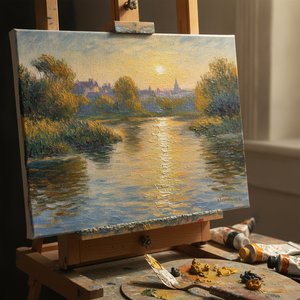
The Soul of Impressionism: Why Oil on Canvas Captures Eternal Light and Timeless Emotion
Discover the enchanting alchemy of Impressionism. Explore how the mastery of oil on canvas, through glazing and impasto, captures eternal light and emotion. Perfect for lovers of Monet and Van Gogh seeking the profound depth of hand-painted fine art.

Oil on Canvas: A Historical & Technical Exploration of a Timeless Artistic Medium
Explore the rich history & enduring techniques of oil painting on canvas. Discover the science behind its longevity, conservation practices, and contemporary relevance. Expert insights for art enthusiasts.

L'Eredità Duratura della Pittura a Olio: Tecnica, Storia e Pratica Contemporanea
Esplora la storia affascinante e le tecniche della pittura a olio. Scopri come i maestri hanno creato capolavori senza tempo e come questa arte vive oggi. : riproduzioni di alta qualità e consulenza esperta.
