

 Anteprima in scala reale
 Condividi
 Condividi
 Dettagli
 Guida stampabile

 Scarica
 Articoli simili
 Radiografia
 Slideshow
 Statistiche
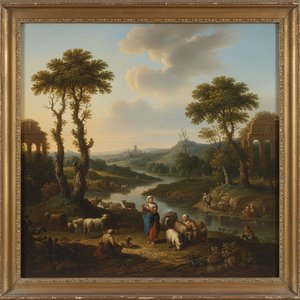
Roman Ruins
 Oil
Oil- WallArt
- Dutch Golden Age
 1620
1620- Early Modern
 23.0 x 31.0 cm
 Leggi tutto
Giclée / Stampe d'arte
Stampa giclée o su tela di qualità museale, con produzione rapida e diverse opzioni di finitura. ( Ordina la riproduzione dipinta a mano Passa all'immagine digitale)




P118B €10

P118H €10

P118W €10

P438Z €10

P508JH €12

P508YH €12

P805H €10

P805Z €10

P919BZ €10

P919G €10

P919XJ €10

P959ZH €10

P968JZ €12

W106C €8

W218G €10

W218JH €8

W218Y €10

W307PJ €10

W316G €10

W316PJ €8

W316Y €10

W398PJ €8

W4111J €10

W500HY €15

W500JH €15

W692G €12

W849H €8

W940BG €15

W953PJ €8




Scegli tra le nostre dimensioni predefinite, che rispettano le proporzioni originali dell'opera d'arte.

Inserisci la larghezza e l'altezza desiderate, per adattarle alla tua cornice o alla tua parete. Una stampa può essere solo ritagliata, mai resa più grande dell'immagine originale; pertanto, un formato con una forma differente comporterà la perdita di una parte dell'opera. Ti invieremo un mockup digitale da approvare prima di procedere con la stampa. L'immagine mostrata in questa pagina non rappresenta il ritaglio reale — solo il mockup lo mostra.
Consegna in tutto il mondo () in 2 settimane invece delle normali 4/5 settimane. (24 Ottobre)

Spedizione espressa gratuita in tutto il mondo

Tela in lino di alta qualità

Assicurazione completa sulla spedizione

Garanzia di rimborso dei dazi doganali

Garanzia di perfetta fedeltà cromatica

Politica di reso entro 100 giorni (solo per difetti di fabbricazione)

Garanzia di rimborso al 100%

Sconto per acquisti multipli
 L'opzione vetro è disponibile solo per dimensioni inferiori a 110 cm

Roman Ruins
Giclée / Stampe d'arte
Dimensioni della riproduzione
-


Prezzo totale
€ 70
A Window into Antiquity: The Timeless Allure of Roman Ruins
In the delicate, circular embrace of this exquisite tondo, Cornelis van Poelenburgh invites us to step through a portal into a bygone era. Painted around 1620, Roman Ruins is far more than a mere depiction of architectural decay; it is a profound meditation on the passage of time and the enduring relationship between humanity and the remnants of greatness. The composition, framed by its characteristic round format, focuses our gaze upon a landscape where the grandeur of the Roman Empire has softened into a pastoral sanctuary. Within this intimate space, the heavy stone arches and crumbling pillars serve as silent witnesses to history, now providing a backdrop for the quiet, rhythmic pulse of rural life.
The scene unfolds with a masterful use of light and shadow, reminiscent of the Dutch Golden Age's obsession with atmospheric truth. As we gaze upon the foreground, we encounter a world in gentle motion: a shepherd tending his flock, a laborer with his oxen, and figures caught in quiet contemplation. These small-scale inhabitants of the landscape bring a sense of warmth and vitality to the otherwise somber ruins. The artist employs a subtle, earthy palette—rich ochres, muted greens, and soft umbers—to weave a tapestry of textures that feels both tactile and ethereal. The hazy, overcast sky suggests the fleeting light of dawn or dusk, casting a melancholic yet peaceful glow over the entire vista, evoking a sense of nostalgia for a lost civilization.
The Mastery of the Italianate Style
Cornelis van Poelenburgh was a pivotal figure in the first generation of Dutch landscape painters who found profound inspiration in Italy. His travels to Rome allowed him to infuse his Northern training with the classical elegance of the Mediterranean. In Roman Ruins, we see this synthesis perfected. The technique is characterized by an incredible attention to detail; every crack in the ancient masonry and every distant bird in flight is rendered with a precision that draws the viewer deeper into the frame. This meticulousness does not feel clinical, however, but rather serves to enhance the three-dimensional depth of the scene, making the archway feel like a real threshold through which one might walk.
For the discerning collector or interior designer, this piece offers a unique emotional resonance. It possesses a "Caravaggesque" drama tempered by a serene, pastoral tranquility. The symbolism of the ruins—representing the inevitable cycle of rise and fall—is balanced by the resilience of the natural world and the simplicity of the human spirit. Such a work is an ideal centerpiece for a sophisticated interior, providing a conversational focal point that inspires reflection. Whether placed in a sunlit study or a grand gallery, this reproduction captures a moment of eternal stillness, offering any space it inhabits a touch of historical majesty and poetic grace.
Domande e risposte
Chi ha creato "Roman Ruins" e in quale anno?
"Roman Ruins" è stata creata da Cornelis Van Poelenburgh nel 1620."
Cosa rappresenta "Roman Ruins" di Cornelis Van Poelenburgh?
I temi presenti in "Roman Ruins" di Cornelis Van Poelenburgh includono figures, sheep, cow, archway, ruins, trees, birds, earth tones. Insieme, essi riassumono il soggetto dell'opera.
Quanto sono intensi i colori di "Roman Ruins"?
I colori di "Roman Ruins" di Cornelis Van Poelenburgh mostrano una saturazione Muted con un'intensità Balanced.
Biografia dell'artista
Early Life and Artistic Training
Cornelis van Poelenburgh, nato a Utrecht nel 1594, fu un’anima vibrante del Rinascimento olandese, un pittore la cui opera rifletteva l'influenza di due mondi: il rigore della tradizione fiamminga e la bellezza sensuale dell'Italia rinascimentale. La sua formazione artistica iniziò a Utrecht, dove ricevette le prime lezioni da Abraham Bloemaert, un maestro noto per la sua abilità nel dipingere figure umane e scene religiose con una notevole attenzione ai dettagli. Tuttavia, fu il suo trasferimento a Roma, intorno al 1617, a segnare una svolta decisiva nella sua carriera artistica. A Roma, Van Poelenburgh si immerse nell'ambiente culturale fervente della città, studiando i capolavori dei grandi maestri del passato e assorbendo le nuove tendenze artistiche dell’epoca. La sua permanenza romana, che durò fino al 1625, gli permise di sviluppare un linguaggio pittorico unico, caratterizzato da una straordinaria capacità di rendere la luce e l'atmosfera, nonché da una profonda sensibilità per i temi classici e mitologici.Artistic Career and Influences
Il ritorno a Utrecht nel 1625 segnò l’inizio di un periodo particolarmente prolifico per Van Poelenburgh. La sua pittura si evolse ulteriormente, influenzata dalla tradizione pittorica italiana e dalle nuove scoperte artistiche del suo tempo. I suoi dipinti, spesso di piccole dimensioni, rappresentavano paesaggi idealizzati, caratterizzati da una straordinaria armonia compositiva e da un’atmosfera sognante. Spesso, questi paesaggi venivano popolati da figure umane, che rappresentavano scene bibliche o mitologiche, creando un dialogo suggestivo tra il mondo naturale e la storia dell'umanità. L'influenza di artisti come Claude Lorrain, con la sua capacità di creare paesaggi idealizzati e armoniosi, è evidente in molte delle opere di Van Poelenburgh. Allo stesso tempo, l’artista mantenne un legame stretto con le tradizioni artistiche olandesi, incorporando elementi della pittura di genere e della vita quotidiana nei suoi paesaggi.Notable Works and Artistic Style
Tra le opere più significative di Cornelis van Poelenburgh spiccano “Satyrs spying on nymphs” (circa 1627), un’immagine evocativa che cattura la bellezza e l'enigmaticità del mondo mitologico, e "Council of the gods" (c. 1630), un dipinto che celebra la potenza e la magnificenza degli dei dell'antica Grecia. Questi lavori, insieme ad altri numerosi capolavori, testimoniano la straordinaria abilità di Van Poelenburgh nel creare immagini di grande impatto emotivo e visivo. Il suo stile pittorico si caratterizza per una notevole attenzione ai dettagli, un uso sapiente del colore e della luce, nonché una profonda sensibilità per i temi classici e mitologici. La sua pittura è spesso descritta come “italianata”, a causa dell'influenza che ricevette dall’arte italiana, ma allo stesso tempo conserva un’autentica identità olandese.Legacy and Historical Significance
Cornelis van Poelenburgh fu uno dei più importanti pittori del primo Rinascimento olandese e un pioniere della scuola dei paesaggisti italiani in Olanda. La sua opera ebbe un'influenza significativa su molti artisti successivi, tra cui Jan Both, Hendrick Avercamp e Jacob Pynas. Il suo lavoro è stato ammirato da contemporanei illustri, come il Granduca di Toscana Cosimo II e lo Stadtholder olandese Federico Enrico d’Orange, che gli commissionarono numerose opere. Van Poelenburgh morì a Utrecht nel 1667, lasciando un'eredità artistica ricca e variegata, che continua ad affascinare e ispirare gli amanti dell'arte di tutto il mondo. La sua capacità di combinare la tradizione pittorica olandese con le nuove tendenze artistiche italiane lo rese uno dei più importanti artisti del suo tempo, un vero e proprio ponte tra due mondi culturali.
Cornelis Van Poelenburgh
1594 - 1667 , Paesi Bassi
Informazioni rapide
- Artistic Movement Or Style: Paesaggio olandese
- Artists Or Movements Influenced By This Artist: ['Preraffaelliti']
- Artists Who Influenced This Artist: ['Abraham Bloemaert']
- Date Of Birth: 1594, Utrecht
- Date Of Death: 1667, Utrecht
- Full Name: Cornelis van Poelenburgh
- Nationality: Olandese
- Notable Artworks:
- Satiri che spiano ninfe
- Consiglio degli dei
- Place Of Birth: Utrecht, Paesi Bassi
Articoli correlati

Golden Light & Dutch Skies: The Timeless Magic of Dutch Golden Age Landscapes
Discover the breathtaking beauty of Dutch Golden Age landscapes. Explore the mastery of light, chiaroscuro, and 17th-century realism through an expert art history lens, celebrating the enduring legacy of the Dutch Masters for discerning collectors and art lovers.

Golden Age Reflections: Dutch Baroque Painting & Cultural Innovation
Explore the Dutch Golden Age of painting! Discover key artists like Vermeer & ter Borch, their innovative techniques, and the rich cultural context behind these Baroque masterpieces. Learn about collecting & appreciating this iconic art period.

Mastering Light & Shadow: A Journey Through the Dutch Golden Age's Luminous Legacy
Embark on a cultural journey through the Dutch Golden Age. Explore the masterful interplay of light and shadow in 17th-century masterpieces, from Rembrandt to Vermeer, and discover how this era of profound realism continues to inspire fine art collectors today.

I 10 Capolavori dell'Età d'Oro Olandese: Arte, Storia e Stile per la Tua Casa
Esplora i 10 capolavori dell'Età d'Oro Olandese con ! Rembrandt, Vermeer e altri maestri rivivono in dipinti iconici. Scopri storia, tecnica e colori di opere senza tempo per arredare la tua casa con arte di qualità museale. Esplora la collezione online!
Nicolaes Berchem e l'Età dell'Oro Olandese: Un Rifugio Idilliaco tra Realismo e Mito
Esplora l'incantevole mondo di Nicolaes Berchem e la pittura del Secolo d'Oro Olandese. Analisi approfondita, simbolismo nascosto e l'eredità artistica di un maestro del paesaggio arcadiaco.


