

 Anteprima in scala reale
 Condividi
 Condividi
 Dettagli
 Guida stampabile

 Scarica
 Articoli simili
 Radiografia
 Slideshow
 Statistiche
Francis Lord Cottington


 Leggi tutto
Giclée / Stampe d'arte
Stampa giclée o su tela di qualità museale, con produzione rapida e diverse opzioni di finitura. ( Ordina la riproduzione dipinta a mano Passa all'immagine digitale)




P118B $10

P118H $10

P118W $10

P438Z $10

P508JH $12

P508YH $12

P805H $10

P805Z $10

P919BZ $10

P919G $10

P919XJ $10

P959ZH $10

P968JZ $12

W106C $8

W218G $10

W218JH $8

W218Y $10

W307PJ $10

W316G $10

W316PJ $8

W316Y $10

W398PJ $8

W4111J $10

W500HY $15

W500JH $15

W692G $12

W849H $8

W940BG $15

W953PJ $8




Scegli tra le nostre dimensioni predefinite, che rispettano le proporzioni originali dell'opera d'arte.

È possibile inserire dimensioni personalizzate per adattare l'opera a una cornice o a uno spazio specifico. Se la dimensione selezionata non corrisponde alle proporzioni dell'immagine originale, procederemo al ritaglio dell'opera o all'estensione dell'immagine con un bordo specchiato o a tinta unita. Un mockup digitale ti verrà inviato per approvazione prima dell'inizio della produzione.
Si prega di notare che l'anteprima a schermo non riflette il ritaglio o l'estensione effettivi. Solo il mockup mostrerà accuratamente la composizione finale.
Sebbene siano disponibili dimensioni personalizzate, si raccomanda di selezionare una dimensione dall'elenco predefinito per preservare le proporzioni originali.
Consegna in tutto il mondo () in 2 settimane invece delle normali 4/5 settimane. (26 Settembre)

Spedizione espressa gratuita in tutto il mondo

Tela in lino di alta qualità

Assicurazione completa sulla spedizione

Garanzia di rimborso dei dazi doganali

Garanzia di perfetta fedeltà cromatica

Politica di reso entro 100 giorni (solo per difetti di fabbricazione)

Garanzia di rimborso al 100%

Sconto per acquisti multipli
 L'opzione vetro è disponibile solo per dimensioni inferiori a 110 cm

Francis Lord Cottington
Giclée / Stampe d'arte
Dimensioni della riproduzione
-


Prezzo totale
$ 80
A Window into an Age: Cornelis Janssens van Ceulen’s Portrait of Francis Lord Cottington
Cornelis Janssens van Ceulen's 1628 portrait of Francis Lord Cottington is more than a simple likeness; it’s a meticulously crafted window into the burgeoning world of 17th-century England, a testament to both the formality and subtle complexities of aristocratic life. Painted against a dramatic, almost impenetrable black backdrop – a hallmark of van Ceulen's style – the subject commands attention not through overt flamboyance but through an air of dignified seriousness. The painting speaks volumes about status, responsibility, and the carefully constructed image of power that defined this era. Van Ceulen’s skill lies in his ability to imbue even a formal portrait with a palpable sense of presence, drawing the viewer into the subject's world.The Anatomy of Form: Technique and Detail
Van Ceulen was renowned for his painstaking attention to detail, and this portrait is a prime example. The composition is strikingly centered, emphasizing Cottington’s importance within the frame. Lines are used with remarkable precision – sharp delineations around the face, clothing, and hands – creating an illusion of three-dimensionality that feels remarkably real. The artist masterfully employs subtle shading to model forms, suggesting the weight of the velvet coat, the texture of the ruff, and even the delicate folds of the fabric at the lower right corner. Notice how the light catches on the polished surfaces of the buttons and the intricate embroidery, revealing a dedication to capturing not just appearance but also material quality. The use of oil paint allows for layering and blending, creating a smooth, almost velvety finish that contributes significantly to the portrait’s overall richness. The palette is restrained – dominated by blacks, whites, and muted browns – yet within this simplicity lies a remarkable depth of color and tone.A Portrait of Power: Context and Symbolism
Francis Lord Cottington himself was a figure of considerable influence in his time, holding important positions within the English government. The portrait’s formality reflects the societal expectations placed upon nobility – an air of solemnity, responsibility, and unwavering authority. The elaborate white ruffs around his neck and cuffs are not merely decorative; they were symbols of wealth and status during this period, signifying membership in the highest echelons of society. The carefully trimmed beard and mustache further reinforce this image of cultivated refinement. While the background is starkly dark, it serves to heighten the focus on Cottington, suggesting a world beyond his immediate concerns – a world governed by duty and tradition. The subtle inclusion of red in the fabric hints at power and perhaps even a touch of familial pride.Beyond the Surface: Van Ceulen’s Legacy and Reproduction
Cornelis Janssens van Ceulen was a pivotal figure in the transition between Dutch and English Baroque painting, adapting his distinctive style to the demands of the English court. His work is characterized by its realism, meticulous detail, and often dramatic use of light and shadow – qualities that are beautifully exemplified in this portrait of Francis Lord Cottington. Today, reproductions offer a remarkable opportunity to bring this captivating artwork into any setting. OriginalUniqueArt’s faithful recreations capture the essence of van Ceulen's original, allowing you to experience the depth, nuance, and emotional resonance of this extraordinary piece firsthand. Consider how the rich colors and intricate details will transform your living room or study, creating a focal point that speaks volumes about history, artistry, and timeless elegance. Explore OriginalUniqueArt’s collection today and discover the perfect way to own a piece of art history.Biografia dell'artista
Primi Anni e Formazione
- Nato: Londra, Regno Unito (1593)
- Morto: 1661
- Cornelis Janssens van Ceulen, noto anche come Cornelius Johnson, nacque a Londra da genitori olandesi o fiamminghi, rifugiati religiosi.
- Fu battezzato nella Chiesa Olandese di Austin Friars, un centro per la comunità neerlandese a Londra.
- Suo padre, Cornelis Janssens, era fuggito da Anversa a causa della persecuzione religiosa.
- Si ritiene abbia ricevuto la sua prima formazione nei Paesi Bassi, forse sotto Michiel Jansz. van Mierevelt.
- Probabilmente assimilò influenze da altri pittori olandesi durante questo periodo.
Carriera e Stile Artistico
- Johnson si stabilì come ritrattista in Inghilterra intorno al 1618.
- I suoi primi ritratti spesso presentavano cornici ovali "finte", uno stile caratteristico dell'epoca.
- Dipinse numerosi ritratti della nuova gentry inglese, catturando i loro tratti con dettaglio e accuratezza.
- Influenze: L’opera di Johnson mostra influenze da pittori olandesi, in particolare nei suoi primi lavori. Si adattò anche agli stili prevalenti in Inghilterra.
- Sviluppo dello Stile: Il suo stile si evolse nel tempo, dimostrando la capacità di incorporare nuove tendenze artistiche senza perdere coerenza.
- Era noto per la sua meticolosa rappresentazione di abiti e accessori, un marchio distintivo dei suoi ritratti.
- Johnson firmava e datava costantemente le sue opere, cosa relativamente insolita per gli artisti dell'epoca.
Opere Principali e Ritratti Notabili
- Lady Rose Macdonnell of Antrim: Un primo ritratto sopravvissuto che dimostra la sua abilità.
- Carlo I, Carlo II e Giacomo II: Dipinse ritratti della famiglia reale da bambini.
- William Harvey: Un notevole ritratto del rinomato medico.
- Lucius Carey, 2° Visconte Falkland: Un'opera significativa che mostra la sua capacità di catturare il carattere.
- Letitia Morison, Viscontessa Falkland: Un altro importante ritratto della sua opera.
- Henry Grey, 1° Conte di Stamford: Dimostra la sua abilità nel ritrarre la gentry inglese.
Vita Successiva e Eredità
- Nel 1643, Johnson si trasferì a Middelburg, nei Paesi Bassi, a causa dello scoppio della Guerra Civile Inglese.
- Successivamente risiedette ad Amsterdam (1646-1652) prima di stabilirsi definitivamente a Utrecht.
- I ritratti di Johnson forniscono preziose informazioni sul panorama sociale e culturale dell'Inghilterra del XVII secolo.
- Sebbene non sia celebrato come Anthony van Dyck, Johnson fu una figura significativa nella ritrattistica inglese.
- Le sue rappresentazioni dettagliate degli abiti e la sua costante firma delle opere lo distinguono da molti contemporanei.
- È considerato uno dei pochi artisti in Inghilterra all'epoca che firmava e datava costantemente le loro opere.
Significato Storico
- I ritratti di Johnson documentano un periodo di significativo cambiamento sociale in Inghilterra, con l'emergere di una nuova classe gentry.
- Le sue opere offrono preziosi registri visivi di individui e famiglie di quest'epoca.
- Aiutò a stabilire la ritrattistica come genere importante nell'arte inglese.
- La sua capacità di adattare il suo stile mantenendo una voce artistica distinta ha contribuito alla sua eredità duratura.

Cornelis Janssens van Ceulen
1593 - 1661 , Regno Unito
Informazioni rapide
- Artistic Movement Or Style: Barocco (ritrattistica)
- Artists Who Influenced This Artist: ['Michiel Jansz. van Mierevelt']
- Date Of Birth: 1593-10-14
- Date Of Death: 1661-08-05
- Full Name: Cornelis Janssens van Ceulen
- Nationality: Inglese, Olandese, Fiammingo
- Notable Artworks:
- William Harvey (1578–1657)
- Lucius Carey, 2° Visconte Falkland
- Lady Hester Mainwaring
- Henry Grey, 1° Conte di Stamford
- Place Of Birth: Londra, Regno Unito
Articoli correlati

Rembrandt van Rijn: I 25 Capolavori Immortali da Ammirare | OriginalUniqueArt
Esplora i 25 capolavori di Rembrandt van Rijn, da 'La Ronda di Notte' ai suoi intensi autoritratti. Scopri la storia, le tecniche e l'arte barocca del maestro olandese. Riproduzioni di alta qualità su OriginalUniqueArt.com.
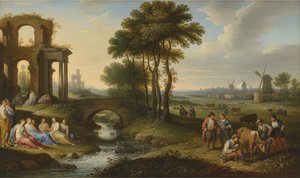
Cornelis van Poelenburch: Bridging Mannerism & the Dutch Baroque Landscape
Discover Cornelis van Poelenburch, a pivotal Dutch Baroque landscape painter bridging Mannerism & Italianate styles. Explore his life, key works, and lasting influence on 17th-century art with OriginalUniqueArt.
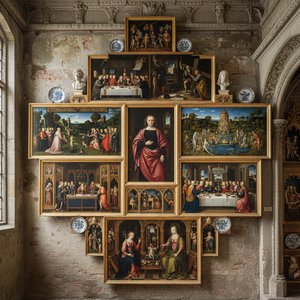
I 10 Capolavori del Rinascimento Netherlandese: Arte, Storia e Decorazioni di Lusso
Esplora i 10 capolavori del Rinascimento Netherlandese: Jan van Eyck, Rogier van der Weyden e altri maestri fiamminghi. Scopri la storia, le tecniche e il simbolismo di questi dipinti iconici. Riproduzioni d'arte di lusso su OriginalUniqueArt.com.

I 10 Capolavori della Pittura Fiamminga Antica: Arte, Storia e Stile per la Tua Casa
Esplora i 10 capolavori della pittura fiamminga antica! Jan van Eyck, Rogier van der Weyden e altri maestri rinascimentali. Scopri storia, tecnica e simbolismo di questi dipinti iconici. Trova riproduzioni d'arte di alta qualità per la tua casa su OriginalUniqueArt.com.
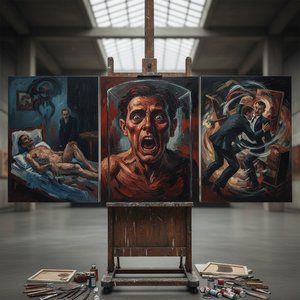
Francis Bacon: Le 25 Opere Più Iconiche per una Collezione d'Arte Ineguagliabile
Esplora le 25 opere più iconiche di Francis Bacon, il maestro dell'espressionismo e della pittura figurativa. Scopri la storia, i colori e l'angoscia dietro ogni capolavoro. Riproduzioni d'arte di alta qualità su OriginalUniqueArt.com.
