Anteprima in scala reale
 Condividi
 Condividi
 Dettagli

 Scarica immagine
 Articoli simili
 Radiografia
 Slideshow
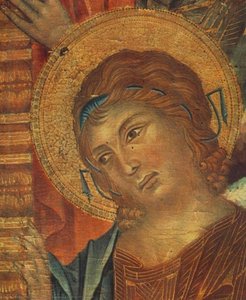
St John (detail)
 Early Renaissance
 1280
1280- Late Medieval
 450.0 x 900.0 cm
 Leggi tutto
Riproduzione a olio fatta a mano
Olio su tela dipinto a mano nelle tue dimensioni e con la tua cornice, realizzato su ordinazione dai nostri artisti. ( Ordina stampa Acquista download)




P118B $10

P118H $10

P118W $10

P438Z $10

P508JH $12

P508YH $12

P805H $10

P805Z $10

P919BZ $10

P919G $10

P919XJ $10

P959ZH $10

P968JZ $12

W106C $8

W218G $10

W218JH $8

W218Y $10

W307PJ $10

W316G $10

W316PJ $8

W316Y $10

W398PJ $8

W4111J $10

W500HY $15

W500JH $15

W692G $12

W849H $8

W940BG $15

W953PJ $8




Scegli tra le nostre dimensioni predefinite, che rispettano le proporzioni originali dell'opera d'arte.

È possibile inserire dimensioni personalizzate per adattare l'opera a una cornice o a uno spazio specifico. Se la dimensione selezionata non corrisponde alle proporzioni dell'immagine originale, provvederemo a ritagliare l'opera o a estendere il dipinto con elementi aggiuntivi dipinti a mano. Un mockup digitale ti sarà inviato per approvazione prima dell'inizio della produzione.
Si prega di notare che l'anteprima a schermo non riflette il ritaglio o l'estensione effettivi. Solo il mockup mostrerà accuratamente la composizione finale.
Sebbene siano disponibili dimensioni personalizzate, consigliamo di selezionare una dimensione dall'elenco predefinito per preservare le proporzioni originali.
Dopo l'ordine, il team di OriginalUniqueArt.com contatterà il cliente via e-mail per le istruzioni e fornirà un'anteprima del mockup
Consegna in tutto il mondo () in 3/4 settimane anziché nelle normali 5 settimane. (15 Agosto). Nessun compromesso sulla qualità.

Spedizione espressa gratuita in tutto il mondo

Tela in lino di alta qualità

Assicurazione completa sulla spedizione

Garanzia di rimborso dei dazi doganali

Garanzia di fedeltà cromatica dell'originale

Politica di reso entro 60 giorni (solo per difetti di fabbricazione)

Garanzia di rimborso al 100%

Sconto per acquisti multipli
 L'opzione vetro è disponibile solo per dimensioni inferiori a 110 cm

St John (detail)
Tecnica di riproduzione
Dimensioni della riproduzione
-


Prezzo totale
$ 300
Descrizione dell'opera
A Glimpse into Contemplation: Cimabue’s “St John” (Detail)
Cimabue's "St John" (detail), painted around 1280, offers more than just a portrait; it presents a profound meditation on faith, solitude, and the nascent shift in artistic sensibilities that would ultimately birth the Renaissance. This intimate close-up, measuring an impressive 450 x 900 cm, invites us to linger over the figure of St John, seated thoughtfully within a richly detailed yet subtly restrained Byzantine space. The painting’s power lies not in dramatic action or vibrant color – though these elements are present – but rather in its quiet intensity and the palpable sense of introspection radiating from the subject's posture.
The image captures a pivotal moment, likely depicting St John the Evangelist in his later years, perhaps reflecting on his experiences and the revelations he received. Cimabue’s approach is distinctly Byzantine, evident in the monumental scale, the hierarchical arrangement of figures (though subtly compressed here), and the use of gold leaf to highlight key elements like the archway above the saint. However, even within this established framework, Cimabue demonstrates a remarkable willingness to experiment. The figure's pose – head bowed, absorbed in contemplation – is remarkably humanistic, a departure from the more rigidly formal depictions common in earlier Byzantine art. This subtle shift towards naturalism, coupled with the careful modeling of form and the nuanced rendering of drapery, foreshadows the artistic breakthroughs that would soon define the Italian Renaissance.
The Painter’s Hand: Technique and Materials
Cimabue's mastery is immediately apparent in his meticulous technique. He employed tempera on panel, a medium favored for its luminosity and durability – qualities crucial for preserving the delicate details of this work. The layering of paint, achieved through numerous thin glazes, creates an astonishing sense of depth and texture, particularly noticeable in the folds of the saint’s robe and the subtle variations in light across his face. Observe how he renders the fabric; it isn't simply painted flat, but sculpted with delicate brushstrokes that suggest weight and movement. The use of gold leaf is not merely decorative; it serves to draw the eye to key areas – the archway, symbolizing divine grace – and imbues the scene with a sense of sacredness.
The background, though partially obscured, reveals a carefully constructed architectural setting typical of Byzantine art. The arched doorway, reminiscent of Roman architecture but executed with a distinctly Byzantine sensibility, provides a visual anchor for the composition. Notice the use of perspective – subtly employed to create an illusion of depth and space, a technique that Cimabue was pioneering. This careful attention to detail demonstrates his growing understanding of spatial relationships, laying the groundwork for future artists to explore these concepts more fully.
Symbolism and Spiritual Resonance
Beyond its technical brilliance, “St John” is rich in symbolic meaning. The act of reading – or perhaps studying a map or scroll – suggests contemplation and learning, qualities associated with St John’s role as the author of the Gospel of Revelation. The archway above represents the gateway to divine knowledge and understanding. The figure's solitary posture speaks to the spiritual journey, highlighting the importance of inner reflection and connection with the divine. It is a scene that invites viewers to contemplate their own faith and seek solace in quiet contemplation – a theme deeply resonant within the religious context of 13th-century Florence.
A Window into a Changing World
Cimabue’s “St John” (detail) stands as a crucial document in the transition from Byzantine to Renaissance art. While firmly rooted in the traditions of his predecessors, Cimabue's subtle innovations – particularly his embrace of naturalism and his exploration of spatial relationships – represent a vital step towards the artistic revolution that would transform Western art. This reproduction offers an unparalleled opportunity to experience this pivotal work firsthand, bringing its quiet beauty and profound symbolism into your home or studio. Its scale allows for impactful display, while the meticulous detail faithfully captures Cimabue’s artistry, making it a stunning addition to any collection or a thoughtful gift for discerning art lovers.
Biografia dell'artista
rottura dello stile italo-bizantino
Cimabue, nato intorno al 1240 e morto nel 1302, fu un influente pittore e progettista di mosaici italiano da Firenze, noto anche come Cenni di Pepo. Pioniere nella rottura dello stile italo-bizantino, Cimabue è celebrato per aver introdotto proporzioni e sfumature più realistiche nel suo lavoro, segnando un significativo passaggio verso il realismo nell'arte medievale.vita giovanile e formazione
Si sa poco della vita giovanile di Cimabue. Una fonte che racconta la sua carriera è Giorgio Vasari’s Le Vite dei più eccellenti pittori, scultori e architetti, ma la sua accuratezza è incerta. Nacque a Firenze e morì a Pisa. Secondo lo storico dell'arte Pietro Tosca, il primo lavoro attribuito a Cimabue, la crocifissione nella chiesa di San Domenico in Arezzo, risale intorno al 1270 e mostra un'uscita dallo stile bizantino.opere notevoli
* Maestà (originariamente esposta nella chiesa di San Francesco a Pisa, ora al Louvre): quest'opera stabilì uno stile seguito successivamente da numerosi artisti, tra cui Duccio di Buoninsegna nella sua Rucellai Madonna (erroneamente attribuita in passato a Cimabue). * Flagellazione (Frick Collection): un dipinto di bottega che forse è attribuibile a un periodo leggermente successivo. * Mosaici per il Battistero di Firenze (ora in gran parte restaurato): ora in cattivo stato a causa dell'ossidazione dei colori più brillanti.influenza e eredità
L'arte di Cimabue ha svolto un ruolo cruciale nella transizione dal bizantino a rappresentazioni più realistiche nella pittura italiana, e la sua influenza su artisti successivi è stata profonda. Le sue opere, caratterizzate da un mix di tecniche tradizionali e innovative, segnano un importante capitolo nella storia dell'arte, colmando il divario tra gli stili medievale e rinascimentale.- visualizza le opere di Cimabue su https://OriginalUniqueArt.com/@/cimabue
- esplora di più il movimento dell'arte trecentesca su https://OriginalUniqueArt.com/@@/a@d3cpph
- leggi la biografia di Cimabue su Wikipedia a https://en.wikipedia.org/wiki/cimabue

Cimabue
1240 - 1302 , Italia
Informazioni rapide
- Artisti Influenti: ['Tradizione bizantina']
- Artisti Influenzati: ['Giotto di Bondone']
- Data Di Nascita: c. 1240
- Luogo Di Nascita: Firenze, Italia
- Movimento Artistico: Italo-Bizantino, Proto-Rinascimento
- Nazionalità: Italiana
- Nome Completo: Giovanni Cimabue
- Opere Notevoli:
- Maestà
- Flagellazione di Cristo
- Crocifissione (Arezzo)
Articoli correlati

John Singer Sargent: I 25 Capolavori Immortali per Arredare con Stile
Esplora i 25 capolavori di John Singer Sargent, pittore americano simbolo dell'Impressionismo e del Gilded Age. Ritratti iconici, acquerelli luminosi e storie affascinanti. Trova la tua opera d'arte ideale su OriginalUniqueArt.com!

John Constable: I 25 Capolavori che Celebrano la Bellezza della Campagna Inglese
Esplora i 25 capolavori di John Constable, il maestro del Romanticismo inglese. Paesaggi suggestivi, luce naturale e colori vibranti ti aspettano. Acquista riproduzioni d'arte di alta qualità su OriginalUniqueArt.com e porta la bellezza della campagna inglese nella tua casa.

El Greco: I 25 Capolavori Immortali dell'Arte Spirituale | OriginalUniqueArt
Esplora i 25 capolavori immortali di El Greco, il maestro del manierismo e della pittura religiosa. Scopri la storia, lo stile unico e le emozioni dietro ogni opera. Stampe e riproduzioni d'arte su OriginalUniqueArt.com per decorare con bellezza.
Giotto di Bondone: I 25 Capolavori che Hanno Rivoluzionato l'Arte e Decorano le Case
Esplora i 25 capolavori di Giotto di Bondone, il pittore che rivoluzionò l'arte medievale. Affreschi iconici, colori vibranti e storie emozionanti ti aspettano. Trova riproduzioni d'arte di alta qualità per decorare la tua casa su OriginalUniqueArt.com!
Illuminating Eternity: A Comprehensive Exploration of Byzantine Art's Legacy
Explore the rich history & stunning artistry of the Byzantine Empire! Discover iconic mosaics, profound symbolism, and lasting influence on Western art. A comprehensive guide for history lovers.