

 Anteprima in scala reale
 Condividi
 Condividi
 Dettagli
 Guida stampabile

 Scarica
 Articoli simili
 Radiografia
 Slideshow
 Statistiche
The Cardinal Virtues

 Leggi tutto
Riproduzione a olio fatta a mano
Olio su tela dipinto a mano nelle tue dimensioni e con la tua cornice, realizzato su ordinazione dai nostri artisti. ( Passa alle stampe Passa all'immagine digitale)




































Scegli tra le nostre dimensioni predefinite, che rispettano le proporzioni originali dell'opera d'arte.

È possibile inserire dimensioni personalizzate per adattare l'opera a una cornice o a uno spazio specifico. Se la dimensione selezionata non corrisponde alle proporzioni dell'immagine originale, provvederemo a ritagliare l'opera o a estendere il dipinto con elementi aggiuntivi dipinti a mano. Un mockup digitale ti sarà inviato per approvazione prima dell'inizio della produzione.
Si prega di notare che l'anteprima a schermo non riflette il ritaglio o l'estensione effettivi. Solo il mockup mostrerà accuratamente la composizione finale.
Sebbene siano disponibili dimensioni personalizzate, consigliamo di selezionare una dimensione dall'elenco predefinito per preservare le proporzioni originali.
Dopo l'ordine, il team di OriginalUniqueArt.com contatterà il cliente via e-mail per ricevere le istruzioni e fornirà un'anteprima del mockup
Consegna in tutto il mondo () in 3/4 settimane anziché nelle normali 5 settimane. (26 Settembre). Nessun compromesso sulla qualità.

Spedizione espressa gratuita in tutto il mondo

Tela in lino di alta qualità

Assicurazione completa sulla spedizione

Garanzia di rimborso dei dazi doganali

Garanzia di perfetta fedeltà cromatica

Politica di reso entro 100 giorni (solo per difetti di fabbricazione)

Garanzia di rimborso al 100%

Sconto per acquisti multipli
 L'opzione vetro è disponibile solo per dimensioni inferiori a 110 cm

The Cardinal Virtues
Tecnica di riproduzione
Dimensioni della riproduzione
-


Prezzo totale
$ 300
Biografia dell'artista
Cherubino Alberti: The Borghegiano Master of Mannerist Engraving
Cherubino Alberti (1553–1615), also called Borghegiano, stands as a pivotal figure in the artistic landscape of Renaissance Italy—specifically during the fervent patronage of Clement VIII. Though overshadowed by his brother Giovanni’s more celebrated frescoes within the Vatican’s Sala Clementina, Cherubino’s singular contribution to engraving cemented his legacy as one of the era's foremost printmakers and solidified his family’s reputation for artistic excellence. Born in Borgo San Sepulcro, Tuscany, Alberti descended from a lineage deeply rooted in craftsmanship; his father, Alberto Alberti, was a sculptor and carver—a familial tradition that instilled within Cherubino himself an unwavering dedication to meticulous detail and technical mastery.Early Influences & Training
Alberti’s artistic education commenced under Cornelius Cort in Rome, where he absorbed the stylistic precepts of Raphael and embraced the prevailing currents of Mannerist art. This formative period exposed him to the grandeur and innovation of Michelangelo's monumental sculptures and instilled a profound appreciation for expressive distortion—a hallmark of the Mannerist aesthetic. Cort’s teachings emphasized anatomical accuracy alongside dramatic gesture, shaping Alberti’s understanding of how to convey emotion through visual representation. The influence of Michelangelo was particularly significant; Alberti internalized Michelangelo’s masterful manipulation of form and texture, recognizing the importance of conveying psychological depth alongside formal perfection.Engraving Virtuoso: A Legacy Etched in Metal
Alberti swiftly established himself as an exceptional engraver, meticulously replicating the visions of his contemporaries. His initial commissions focused on works by Federico and Taddeo Zuccari—renowned fresco painters known for their opulent decorative schemes—establishing him as a respected craftsman within Florentine artistic circles. Subsequently, he collaborated with Raphael, Michelangelo, Polidoro da Caravaggio, Andrea del Sarto, Rosso Fiorentino, Marco Pino Sebastianio, and Cristofano Gherardi—artists whose stylistic prowess profoundly impacted Alberti’s oeuvre. Notably, he undertook projects based on ancient sculptures, demonstrating a keen interest in classical ideals and techniques. This fascination with antiquity fueled his desire to emulate the precision and elegance of Roman sculpture, informing his engraving style and elevating it beyond mere imitation to genuine artistic dialogue. He skillfully employed etching and drypoint methods—techniques that allowed for nuanced tonal gradations and subtle textural variations—achieving astonishing levels of detail and expressive power.The Sala Clementina Frescoes: A Collaborative Triumph
Perhaps Alberti's most enduring achievement resides in his partnership with Giovanni Alberti during the decoration of the Sala Clementina—a monumental fresco cycle commissioned by Pope Clement VIII. This ambitious undertaking demanded unparalleled artistic coordination and technical prowess, resulting in a breathtaking panorama of mythological scenes rendered with remarkable precision and emotional depth. The frescoes exemplify the collaborative spirit characteristic of Florentine art circles during this period and stand as testament to Alberti’s ability to synthesize disparate influences into a cohesive visual narrative. Their intricate compositions and masterful use of color—particularly the vibrant reds and golds—reflect Alberti's understanding of Mannerist principles, prioritizing expressive distortion over strict realism. The Sala Clementina remains an unparalleled demonstration of Florentine artistic excellence and serves as a lasting symbol of Cherubino Alberti’s contribution to Renaissance art history.Legacy & Historical Significance
Cherubino Alberti’s influence extended far beyond his individual engravings and fresco collaborations. He served as director of the Accademia di San Luca—Rome’s premier artists’ guild—promoting artistic innovation and fostering a vibrant intellectual environment. His leadership championed experimentation with new techniques and encouraged critical engagement with established traditions, shaping the trajectory of Florentine art for decades to come. Alberti's meticulous craftsmanship and unwavering dedication to classical ideals ensured that his work would endure as an exemplar of Mannerist excellence—a testament to the enduring power of artistic vision and technical skill. His legacy continues to inspire artists today, reminding us of the importance of precision, observation, and a profound appreciation for beauty.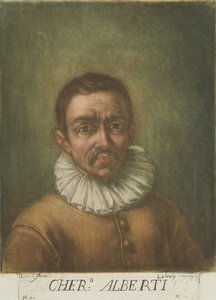
Cherubino Alberti
1553 - 1615 , Italia
Informazioni rapide
- Artistic Movement Or Style: Mannerist
- Artists Who Influenced This Artist:
- Raphael
- Michelangelo
- Cornelius Cort
- Date Of Birth: Feb 24, 1553
- Date Of Death: Oct 18, 1615
- Full Name: Cherubino Alberti
- Nationality: Italian
- Notable Artworks:
- Sala Clementina frescoes
- Madonna and Child in Glory with Angels
- Place Of Birth: Borgo San Sepulcro, Tuscany
