Anteprima in scala reale
 Condividi
 Condividi
 Dettagli
 Guida stampabile

 Scarica
 Articoli simili
 Radiografia
 Slideshow
 Statistiche
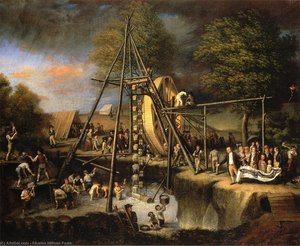
William Smith and His Grandson


 Leggi tutto
Riproduzione a olio fatta a mano
Olio su tela dipinto a mano nelle tue dimensioni e con la tua cornice, realizzato su ordinazione dai nostri artisti. ( Passa alle stampe Passa all'immagine digitale)




P118B $10

P118H $10

P118W $10

P438Z $10

P508JH $12

P508YH $12

P805H $10

P805Z $10

P919BZ $10

P919G $10

P919XJ $10

P959ZH $10

P968JZ $12

W106C $8

W218G $10

W218JH $8

W218Y $10

W307PJ $10

W316G $10

W316PJ $8

W316Y $10

W398PJ $8

W4111J $10

W500HY $15

W500JH $15

W692G $12

W849H $8

W940BG $15

W953PJ $8




Scegli tra le nostre dimensioni predefinite, che rispettano le proporzioni originali dell'opera d'arte.

È possibile inserire dimensioni personalizzate per adattare l'opera a una cornice o a uno spazio specifico. Se la dimensione selezionata non corrisponde alle proporzioni dell'immagine originale, provvederemo a ritagliare l'opera o a estendere il dipinto con elementi aggiuntivi dipinti a mano. Un mockup digitale ti sarà inviato per approvazione prima dell'inizio della produzione.
Si prega di notare che l'anteprima a schermo non riflette il ritaglio o l'estensione effettivi. Solo il mockup mostrerà accuratamente la composizione finale.
Sebbene siano disponibili dimensioni personalizzate, consigliamo di selezionare una dimensione dall'elenco predefinito per preservare le proporzioni originali.
Dopo l'ordine, il team di OriginalUniqueArt.com contatterà il cliente via e-mail per ricevere le istruzioni e fornirà un'anteprima del mockup
Consegna in tutto il mondo () in 3/4 settimane anziché nelle normali 5 settimane. (25 Settembre). Nessun compromesso sulla qualità.

Spedizione espressa gratuita in tutto il mondo

Tela in lino di alta qualità

Assicurazione completa sulla spedizione

Garanzia di rimborso dei dazi doganali

Garanzia di perfetta fedeltà cromatica

Politica di reso entro 100 giorni (solo per difetti di fabbricazione)

Garanzia di rimborso al 100%

Sconto per acquisti multipli
 L'opzione vetro è disponibile solo per dimensioni inferiori a 110 cm

William Smith and His Grandson
Tecnica di riproduzione
Dimensioni della riproduzione
-


Prezzo totale
$ 300
A Window into a Founding Father’s Soul: Charles Willson Peale's “William Smith and His Grandson”
Charles Willson Peale’s 1788 oil on canvas, "William Smith and His Grandson," isn’t merely a portrait; it’s a carefully constructed tableau of familial love, burgeoning American identity, and the quiet dignity of a nation's formative years. Housed within the Virginia Museum of Fine Arts in Richmond, this painting transcends its simple subject matter to offer a poignant glimpse into the values and aspirations of late 18th-century America. Peale, already establishing himself as a leading portraitist and a pioneer in American museum culture, masterfully employs Rococo techniques—characterized by soft lighting, delicate brushwork, and an emphasis on elegant composition—to create an atmosphere of warmth and intimacy.
The scene unfolds within a classically inspired interior, subtly suggesting both the comforts of domestic life and the intellectual pursuits valued during this period. A table laden with books – symbols of knowledge, education, and the Enlightenment’s embrace of reason – anchors the composition. William Smith, a prominent Baltimore merchant distinguished by his dignified bearing and attentive gaze, sits comfortably in a chair, gently cradling his young grandson. The boy, dressed in pristine white, gazes at his grandfather with an expression of innocent adoration, a direct conduit to the viewer’s heart. Peale's skill lies not just in capturing likeness but in conveying the palpable connection between generations – a silent testament to the enduring power of family bonds.
The Painter as Observer and Chronicler
Peale wasn't simply recording appearances; he was actively shaping the narrative of this scene. His meticulous attention to detail—the texture of William’s coat, the folds in his clothing, the youthful innocence of the boy – speaks volumes about his commitment to realism. Yet, there’s an undeniable theatricality to the arrangement, a deliberate staging that elevates the portrait beyond a simple likeness. Peale was keenly aware of the power of visual representation and used it to communicate broader ideas about American society. He frequently incorporated symbolic elements into his work, subtly reinforcing themes of patriotism, civic virtue, and the importance of education.
Furthermore, “William Smith and His Grandson” reflects Peale’s own evolving role as a cultural historian. As one of the first Americans to establish a museum—the Philadelphia Museum in 1794—Peale was deeply invested in preserving and showcasing American history through art. This painting can be seen as part of that larger project, documenting a specific moment in time and offering a visual record of the values he believed were essential to the nation’s future.
Symbolism and the Dawn of a Nation
The choice of setting—a room filled with books—is particularly significant. It underscores the importance of learning and intellectual development, reflecting the Enlightenment ideals that underpinned the American Revolution. The grandfather's gentle gesture towards his grandson symbolizes the passing down of wisdom and values from one generation to the next – a cornerstone of American identity. The muted color palette, dominated by warm browns, creams, and golds, contributes to the painting’s overall sense of serenity and stability, mirroring the hopes for a prosperous future.
Beyond its immediate depiction of family, “William Smith and His Grandson” embodies the nascent spirit of America. It's a portrait not just of individuals but of an emerging nation grappling with questions of identity, governance, and the promise of self-determination. Peale’s masterful composition captures this complex interplay of personal relationships and national aspirations, solidifying its place as a pivotal work in American art history.
A Legacy of Portraiture and Museum Vision
Charles Willson Peale's legacy extends far beyond this single captivating portrait. His pioneering efforts in establishing the Philadelphia Museum laid the foundation for America’s museum movement, transforming the way Americans engaged with art and history. “William Smith and His Grandson” stands as a testament to his artistic skill, his keen observation of human nature, and his profound understanding of the values that shaped early American society. Reproductions of this iconic painting continue to resonate today, offering viewers a timeless glimpse into a pivotal moment in American history – a quiet celebration of family, knowledge, and the enduring spirit of a nation.
Biografia dell'artista
Charles Willson Peale: Una Vita tra Arte, Scienza e Patriotismo
- Nato: 15 aprile 1741, Chester, Queen Anne's County, Maryland
- Morto: 22 febbraio 1827, Philadelphia, Pennsylvania
Primi Anni di Vita e Formazione Artistica
- La prima parte della vita di Peale fu segnata da difficoltà finanziarie a seguito della morte del padre. Fece apprendistato come sellaio prima di scoprire la sua passione per l'arte.
- Ricevette una formazione iniziale da John Hesselius e studiò brevemente con John Singleton Copley, dimostrando un’attitudine precoce al ritratto.
- Un periodo cruciale nel suo sviluppo fu il tempo trascorso a studiare sotto Benjamin West a Londra (1767-1770). Questa esposizione alle tendenze artistiche europee influenzò significativamente il suo stile.
Carriera Artistica e Opere Principali
- Ritratto: Peale è noto soprattutto per i suoi ritratti di figure importanti della Rivoluzione Americana, tra cui numerose raffigurazioni di George Washington (quasi sessanta in totale). Questi ritratti sono documenti storici preziosi oltre che risultati artistici.
- Stile: Il suo stile si evolse nel tempo, inizialmente influenzato dall'approccio neoclassico di West, ma successivamente incorporando elementi di realismo e un desiderio di catturare accuratamente la somiglianza.
- Opere Notabili:
- George Washington (1772): Segnò l’inizio della sua lunga associazione con Washington.
- The Staircase Group (c. 1795): Un esempio sorprendente di trompe-l'oeil, che raffigura i suoi figli Raphael e Titian come se fossero parte dell'ambientazione architettonica.
Impegno Scientifico e il Museo Americano di Peale
- Peale era un appassionato naturalista e scienziato, organizzando spedizioni per studiare la storia naturale.
- Fondò il Museo Americano di Peale a Philadelphia (1784), uno dei primi musei negli Stati Uniti. Ospitava esemplari botanici, biologici e archeologici.
- Il museo svolse un ruolo significativo nella divulgazione della scienza e dell'istruzione in America. Era particolarmente noto per le sue esposizioni di ossa di mastodonte, acquisite attraverso una spedizione nel 1801.
- Apprese da autodidatta la tassidermia per preservare gli esemplari per il museo, dimostrando le sue diverse capacità.
Eredità e Significato Storico
- Il lavoro di Peale colma il divario tra arte e scienza, riflettendo gli ideali dell'Illuminismo del suo tempo.
- I suoi ritratti forniscono preziose testimonianze visive delle figure chiave della storia americana.
- La fondazione del Museo Americano di Peale fu un’iniziativa pionieristica che contribuì a stabilire il museo come istituzione importante per l'istruzione e l'esplorazione scientifica.
- Influenzò le generazioni successive di artisti e scienziati, contribuendo in modo significativo allo sviluppo della cultura americana.
- La sua eredità familiare continuò attraverso i suoi figli, tra cui James Peale e Rubens Peale, che divennero anch'essi artisti affermati e contribuirono alla collezione del museo.

Charles Willson Peale
1741 - 1827 , Regno Unito
Informazioni rapide
- Artisti Che Hanno Influenzato Questo Artista:
- John Hesselius
- John Singleton Copley
- Benjamin West
- Data Di Morte: 22 febbraio 1827
- Data Di Nascita: 15 aprile 1741
- Luogo Di Nascita: Chester, Regno Unito
- Movimento Artistico O Stile: Neoclassico
- Nazionalità: Americano
- Nome Completo: Charles Willson Peale
- Opere Notevoli:
- Staircase Group
- George Washington
Articoli correlati

Grant Wood e il Regionalismo Americano: Identità, Mito e Paesaggio Rurale
Esplora il Regionalismo Americano con Grant Wood e i suoi capolavori. Analisi approfondita di 'American Gothic', contesto storico, influenze artistiche e l'eredità di questo movimento iconico. Scopri la vera essenza dell'arte rurale americana.

Charles Willson Peale: Ritrattistica, Ideali Illuministici e la Formazione dell'Identità Americana
Esplora la vita e l'opera di Charles Willson Peale, pittore simbolo dell'Illuminismo americano. Analisi approfondita della sua ritrattistica, del realismo scientifico e del ruolo nella formazione dell'identità americana.

La Precisione della Visione: Charles Demuth e la Rielaborazione Modernista dell'Industria Americana
Esplora il Precisionismo americano con Charles Demuth: biografia, opere iconiche e l'influenza del modernismo sull'arte industriale. Analisi approfondita e contesto storico.

Charles Bird King e l'Arte del Ritratto: Dignità Indigena e Scambio Culturale nell'America del XIX Secolo
Esplora l'opera di Charles Bird King e il suo rivoluzionario progetto di ritratti dei leader nativi americani. Approfondimenti storici, analisi artistica e l'eredità di un'arte che celebra la dignità culturale.
Titian Ramsay Peale: Precisione Botanica e Innovazione Artistica nell'America del XIX Secolo
Scopri la vita e l'opera di Titian Ramsay Peale, pioniere della pittura botanica americana e naturalista del XIX secolo. Esplora le sue illustrazioni scientifiche innovative e il suo contributo all'arte e alla scienza.