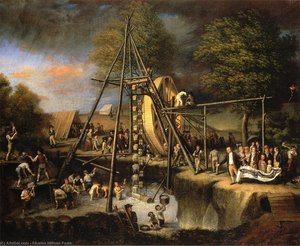
Anteprima in scala reale
 Condividi
 Condividi
 Dettagli
 Guida stampabile

 Scarica
 Articoli simili
 Radiografia
 Slideshow
 Statistiche
Thomas and Henry Sergeant


 Leggi tutto
Riproduzione a olio fatta a mano
Olio su tela dipinto a mano nelle tue dimensioni e con la tua cornice, realizzato su ordinazione dai nostri artisti. ( Passa alle stampe Passa all'immagine digitale)




P118B €10

P118H €10

P118W €10

P438Z €10

P508JH €12

P508YH €12

P805H €10

P805Z €10

P919BZ €10

P919G €10

P919XJ €10

P959ZH €10

P968JZ €12

W106C €8

W218G €10

W218JH €8

W218Y €10

W307PJ €10

W316G €10

W316PJ €8

W316Y €10

W398PJ €8

W4111J €10

W500HY €15

W500JH €15

W692G €12

W849H €8

W940BG €15

W953PJ €8




Scegli tra le nostre dimensioni predefinite, che rispettano le proporzioni originali dell'opera d'arte.

Inserisci la larghezza e l'altezza di cui hai bisogno, per adattarle alla tua cornice o alla tua parete. Trattandosi di un'opera dipinta a mano, in caso di dimensioni con una forma differente, l'artista può dipingere un po' più oltre i bordi dell'immagine o ritagliare leggermente — la scelta spetta a te. Ti invieremo un mockup digitale da approvare prima che la pittura abbia inizio. L'immagine mostrata in questa pagina non rappresenta il risultato reale — solo il mockup lo fa.
Dopo l'ordine, il team di OriginalUniqueArt.com contatterà il cliente via e-mail per ricevere le istruzioni e fornirà un'anteprima del mockup
Consegna in tutto il mondo () in 3/4 settimane anziché nelle normali 5 settimane. (22 Ottobre). Nessun compromesso sulla qualità.

Spedizione espressa gratuita in tutto il mondo

Tela in lino di alta qualità

Assicurazione completa sulla spedizione

Garanzia di rimborso dei dazi doganali

Garanzia di perfetta fedeltà cromatica

Politica di reso entro 100 giorni (solo per difetti di fabbricazione)

Garanzia di rimborso al 100%

Sconto per acquisti multipli
 L'opzione vetro è disponibile solo per dimensioni inferiori a 110 cm

Thomas and Henry Sergeant
Tecnica di riproduzione
Dimensioni della riproduzione
-


Prezzo totale
€ 263
Thomas and Henry Sergeant: A Portrait of American Idealism
Charles Willson Peale’s “Thomas and Henry Sergeant,” completed in 1787, stands as a cornerstone of neoclassical portraiture and embodies the spirit of Enlightenment America. Currently residing within the Museum of Fine Arts in Boston, this oil on canvas masterpiece transcends mere likeness; it's a meticulously crafted tableau that speaks volumes about social status, familial affection, and the burgeoning aspirations for republican virtue.
Composition and Symbolism: Capturing Essence Through Detail
The painting’s central focus is undeniably its subjects – two young boys, Thomas and Henry Sergeant – positioned side by side with arms outstretched in a gesture of camaraderie. Their attire—suits adorned with satin linings and hats—reflects the formality prevalent during the era, signaling their privileged upbringing within Boston society. Beyond the visual representation, Peale skillfully employs symbolism to elevate the artwork’s significance.
- The Dog: Representing loyalty and guardianship, the dog symbolizes protection and companionship – values deeply ingrained in American ideals of citizenship.
- The Chair: Suggestive of comfort and stability, it anchors the scene and reinforces the notion of settled respectability.
- The Clock: A symbol of time’s passage and measured progress, mirroring the ambitions of a nation striving for advancement under republican governance.
- The Birds: Scattered throughout the composition, birds are emblems of liberty and aspiration—a deliberate allusion to the philosophical currents shaping the American Revolution.
Peale's Style and Influences: Echoes of European Tradition
Charles Willson Peale’s artistic approach was firmly rooted in European traditions, particularly those championed by Louis-Vincent-Léon Pallière, whose “View in the Gardens of the Villa d’Este” exemplifies similar neoclassical sensibilities. Like Pallière, Peale prioritized meticulous detail—evident in the rendering of fabrics and facial expressions—to achieve an unparalleled level of realism. However, he skillfully blended these techniques with stylistic elements derived from Rembrandt Peale and James Peale, creating a distinctive visual language that resonated powerfully with his contemporaries.
Comparative Artworks: Shared Visions of Republican Virtue
“Thomas and Henry Sergeant” finds kinship with several other notable portraits produced during the same period. Consider Ap Caledfryn’s “Michael Jones,” housed at The National Library of Wales, which similarly portrays a young gentleman embodying moral virtue and civic responsibility. Similarly, James Curnock's "Thomas Garrard" at Bristol Museum – Art Gallery captures the grandeur of aristocratic patronage while upholding standards of refinement. And John Partridge’s “Sir John Forbes” displayed at Royal College of Physicians exemplifies the meticulous craftsmanship characteristic of the era.
These artworks collectively illuminate the artistic landscape of Enlightenment America—a period defined by intellectual curiosity, republican ideals, and a fervent desire to emulate the cultural achievements of Europe. Peale's "Thomas and Henry Sergeant" stands as a testament to this ambition, securing its place as an enduring symbol of American identity.
Domande e risposte
A che età Charles Willson Peale ha realizzato "Thomas and Henry Sergeant"?
Charles Willson Peale ha realizzato "Thomas and Henry Sergeant" all'età di 46. L'artista è nato nel 1741 e l'opera è datata 1787.
Esiste una scheda informativa su "Thomas and Henry Sergeant" di Charles Willson Peale per gli studenti?
È disponibile una pagina Schede didattiche per "Thomas and Henry Sergeant" di Charles Willson Peale: una scheda informativa stampabile sull'opera d'arte, progettata per studenti e uso didattico in classe.
A chi è consigliato regalare "Thomas and Henry Sergeant" di Charles Willson Peale?
"Thomas and Henry Sergeant" è suggerito come regalo per Compleanno.
Biografia dell'artista
Charles Willson Peale: Una Vita tra Arte, Scienza e Patriotismo
- Nato: 15 aprile 1741, Chester, Queen Anne's County, Maryland
- Morto: 22 febbraio 1827, Philadelphia, Pennsylvania
Primi Anni di Vita e Formazione Artistica
- La prima parte della vita di Peale fu segnata da difficoltà finanziarie a seguito della morte del padre. Fece apprendistato come sellaio prima di scoprire la sua passione per l'arte.
- Ricevette una formazione iniziale da John Hesselius e studiò brevemente con John Singleton Copley, dimostrando un’attitudine precoce al ritratto.
- Un periodo cruciale nel suo sviluppo fu il tempo trascorso a studiare sotto Benjamin West a Londra (1767-1770). Questa esposizione alle tendenze artistiche europee influenzò significativamente il suo stile.
Carriera Artistica e Opere Principali
- Ritratto: Peale è noto soprattutto per i suoi ritratti di figure importanti della Rivoluzione Americana, tra cui numerose raffigurazioni di George Washington (quasi sessanta in totale). Questi ritratti sono documenti storici preziosi oltre che risultati artistici.
- Stile: Il suo stile si evolse nel tempo, inizialmente influenzato dall'approccio neoclassico di West, ma successivamente incorporando elementi di realismo e un desiderio di catturare accuratamente la somiglianza.
- Opere Notabili:
- George Washington (1772): Segnò l’inizio della sua lunga associazione con Washington.
- The Staircase Group (c. 1795): Un esempio sorprendente di trompe-l'oeil, che raffigura i suoi figli Raphael e Titian come se fossero parte dell'ambientazione architettonica.
Impegno Scientifico e il Museo Americano di Peale
- Peale era un appassionato naturalista e scienziato, organizzando spedizioni per studiare la storia naturale.
- Fondò il Museo Americano di Peale a Philadelphia (1784), uno dei primi musei negli Stati Uniti. Ospitava esemplari botanici, biologici e archeologici.
- Il museo svolse un ruolo significativo nella divulgazione della scienza e dell'istruzione in America. Era particolarmente noto per le sue esposizioni di ossa di mastodonte, acquisite attraverso una spedizione nel 1801.
- Apprese da autodidatta la tassidermia per preservare gli esemplari per il museo, dimostrando le sue diverse capacità.
Eredità e Significato Storico
- Il lavoro di Peale colma il divario tra arte e scienza, riflettendo gli ideali dell'Illuminismo del suo tempo.
- I suoi ritratti forniscono preziose testimonianze visive delle figure chiave della storia americana.
- La fondazione del Museo Americano di Peale fu un’iniziativa pionieristica che contribuì a stabilire il museo come istituzione importante per l'istruzione e l'esplorazione scientifica.
- Influenzò le generazioni successive di artisti e scienziati, contribuendo in modo significativo allo sviluppo della cultura americana.
- La sua eredità familiare continuò attraverso i suoi figli, tra cui James Peale e Rubens Peale, che divennero anch'essi artisti affermati e contribuirono alla collezione del museo.

Charles Willson Peale
1741 - 1827 , Regno Unito
Informazioni rapide
- Artisti Che Hanno Influenzato Questo Artista:
- John Hesselius
- John Singleton Copley
- Benjamin West
- Data Di Morte: 22 febbraio 1827
- Data Di Nascita: 15 aprile 1741
- Luogo Di Nascita: Chester, Regno Unito
- Movimento Artistico O Stile: Neoclassico
- Nazionalità: Americano
- Nome Completo: Charles Willson Peale
- Opere Notevoli:
- Staircase Group
- George Washington
Articoli correlati
Titian Ramsay Peale: Precisione Botanica e Innovazione Artistica nell'America del XIX Secolo
Scopri la vita e l'opera di Titian Ramsay Peale, pioniere della pittura botanica americana e naturalista del XIX secolo. Esplora le sue illustrazioni scientifiche innovative e il suo contributo all'arte e alla scienza.

Charles Willson Peale: Ritrattistica, Ideali Illuministici e la Formazione dell'Identità Americana
Esplora la vita e l'opera di Charles Willson Peale, pittore simbolo dell'Illuminismo americano. Analisi approfondita della sua ritrattistica, del realismo scientifico e del ruolo nella formazione dell'identità americana.
Il XVIII Secolo nell'Arte: 10 Capolavori da Ammirare e Decorare la Tua Casa
Esplora i 10 capolavori che definiscono l'arte del XVIII secolo! Da Guardi a Fragonard, scopri storie, tecniche e colori di un'epoca d'oro. Trova riproduzioni artistiche di alta qualità per decorare la tua casa su OriginalUniqueArt.com.

Grant Wood e il Regionalismo Americano: Identità, Mito e Paesaggio Rurale
Esplora il Regionalismo Americano con Grant Wood e i suoi capolavori. Analisi approfondita di 'American Gothic', contesto storico, influenze artistiche e l'eredità di questo movimento iconico. Scopri la vera essenza dell'arte rurale americana.

Realismo Americano: 10 Capolavori che Hanno Definito un'Epoca | OriginalUniqueArt
Esplora i 10 capolavori del Realismo Americano con OriginalUniqueArt. Scopri Andrew Wyeth, Edward Hopper e George Bellows. Quadri iconici, storie uniche e riproduzioni di alta qualità per la tua casa. Esplora la collezione online!