

 Anteprima in scala reale
 Condividi
 Condividi
 Dettagli
 Guida
Guida

 Scarica
 Articoli simili
 Radiografia
 Slideshow
 Statistiche
Deer, Dog and Cat
 Oil
Oil- WallArt
- Baroque
 1730
1730- Early Modern
 103.0 x 129.0 cm
 Museo dell'Ermitage
 Leggi tutto
Riproduzione a olio fatta a mano
Olio su tela dipinto a mano nelle tue dimensioni e con la tua cornice, realizzato su ordinazione dai nostri artisti. ( Passa alle stampe Passa all'immagine digitale)




P118B $10

P118H $10

P118W $10

P438Z $10

P508JH $12

P508YH $12

P805H $10

P805Z $10

P919BZ $10

P919G $10

P919XJ $10

P959ZH $10

P968JZ $12

W106C $8

W218G $10

W218JH $8

W218Y $10

W307PJ $10

W316G $10

W316PJ $8

W316Y $10

W398PJ $8

W4111J $10

W500HY $15

W500JH $15

W692G $12

W849H $8

W940BG $15

W953PJ $8




Scegli tra le nostre dimensioni predefinite, che rispettano le proporzioni originali dell'opera d'arte.

È possibile inserire dimensioni personalizzate per adattare l'opera a una cornice o a uno spazio specifico. Se la dimensione selezionata non corrisponde alle proporzioni dell'immagine originale, provvederemo a ritagliare l'opera o a estendere il dipinto con elementi aggiuntivi dipinti a mano. Un mockup digitale ti sarà inviato per approvazione prima dell'inizio della produzione.
Si prega di notare che l'anteprima a schermo non riflette il ritaglio o l'estensione effettivi. Solo il mockup mostrerà accuratamente la composizione finale.
Sebbene siano disponibili dimensioni personalizzate, consigliamo di selezionare una dimensione dall'elenco predefinito per preservare le proporzioni originali.
Dopo l'ordine, il team di OriginalUniqueArt.com contatterà il cliente via e-mail per ricevere le istruzioni e fornirà un'anteprima del mockup
Consegna in tutto il mondo () in 3/4 settimane anziché nelle normali 5 settimane. (21 Settembre). Nessun compromesso sulla qualità.

Spedizione espressa gratuita in tutto il mondo

Tela in lino di alta qualità

Assicurazione completa sulla spedizione

Garanzia di rimborso dei dazi doganali

Garanzia di perfetta fedeltà cromatica

Politica di reso entro 100 giorni (solo per difetti di fabbricazione)

Garanzia di rimborso al 100%

Sconto per acquisti multipli
 L'opzione vetro è disponibile solo per dimensioni inferiori a 110 cm

Deer, Dog and Cat
Tecnica di riproduzione
Dimensioni della riproduzione
-


Prezzo totale
$ 300
A Domestic Symphony of Species
In the quiet, sun-dappled corners of an eighteenth-century interior, Charles Jervas orchestrates a remarkable gathering that defies the natural order. Deer, Dog and Cat is not merely a painting of animals; it is a captivating narrative of unexpected harmony. As the eye wanders through the composition, one encounters a profound stillness interrupted by the gentle curiosity of its subjects. A dog rests peacefully upon the floor, its presence grounding the scene, while a cat sits with poised elegance nearby. The true focal point, however, remains the deer, whose upright stance and watchful gaze toward the canine companion create a palpable tension of discovery. This interaction is further enriched by the subtle presence of two birds—one drifting near the upper periphery and another nestled toward the lower corner—weaving a complex web of life that transforms a simple room into a vibrant, breathing ecosystem.
The setting itself serves as a silent witness to this interspecies dialogue. A dining table, surrounded by sturdy chairs, suggests a lived-in, domestic sanctuary where the boundaries between the wild and the domesticated have momentarily dissolved. The inclusion of a bowl upon the table hints at the nurturing hand of an unseen inhabitant, adding a layer of warmth and sustenance to the scene. Through Jervance's masterful use of light and shadow, the room feels both expansive and intimate, making it an ideal centerpiece for any collection that seeks to evoke a sense of peaceful coexistence and classical charm.
Mastery of the Rococo Spirit
Painted around 1730, this work showcases the refined technique that earned Charles Jervas his place among the premier portraitists of his era. Having trained under the legendary Sir Godfrey Kneller, Jervas brought a sophisticated command of texture and form to his canvases. In this particular piece, his brushwork achieves a breathtaking realism; one can almost feel the softness of the cat's fur, the muscular weight of the resting dog, and the alert, velvet-like texture of the deer's coat. The artist employs a palette that balances earthy, grounded tones with delicate highlights, ensuring that each creature possesses a distinct physical presence.
For the discerning collector or interior designer, this painting offers more than just visual beauty; it provides an emotional anchor for a room. The composition’s ability to capture movement within stillness makes it a versatile choice for high-end decor. Whether placed in a formal library or a contemporary living space, the artwork invites conversation and contemplation. It serves as a testament to the enduring power of classical oil painting to bring a sense of history, dignity, and a touch of whimsical wonder into the modern home.
Biografia dell'artista
Early Life and Training
Charles Jervas (1675 – 1739), born Cloneeskeagh, Ireland, emerged from a family steeped in aristocratic tradition. His father, John Jervas, was a landowner of considerable stature, while his mother, Elizabeth Baldwin—daughter of Captain John Baldwin of Shinrone Castle & Corolanty, High Sheriff of County Offaly—represented another pillar of Irish society. From a young age, Jervas received an education that prioritized classical learning and artistic pursuits, preparing him for a life dedicated to both intellectual rigor and creative expression. He honed his skills in London under the tutelage of Sir Godfrey Kneller, a celebrated portrait painter whose workshop served as a crucible for shaping aspiring artists of the era. This formative experience instilled in Jervas not only technical proficiency but also an understanding of artistic conventions prevalent during the Early Rococo period.Rise to Prominence
Jervas’s career ascended rapidly following a pivotal moment: the sale of a series of small copies of Raphael’s Cartoons to Dr. George Clarke of All Souls College, Oxford, circa 1698. This transaction secured him crucial financial backing and propelled him toward Paris and Rome—locations synonymous with artistic innovation and intellectual ferment. During his decade-long sojourn in Italy, Jervas immersed himself in the vibrant cultural landscape, absorbing influences from artists like Nicolas Poussin and honing his observational abilities. He diligently studied anatomy and perspective, mastering techniques that would become hallmarks of his distinctive style. Returning to London in 1709, Jervas established himself as a prolific portrait painter, capturing the likenesses of prominent figures—including Jonathan Swift and Alexander Pope—who graced the halls of Georgian society. His canvases conveyed not merely physical appearance but also psychological nuance, reflecting the personalities and intellectual convictions of his subjects with remarkable accuracy.Notable Works and Legacy
Jervas’s artistic output spanned a diverse range of genres, yet he is best remembered for his portraits, which stand as enduring monuments to his skill and sensitivity. Among his most celebrated commissions were depictions of Jonathan Swift and Alexander Pope—two literary titans whose reputations soared during Jervas's lifetime. These portraits exemplify his ability to distill the essence of character onto canvas, capturing subtle expressions and gestures that illuminate the inner lives of his subjects. Furthermore, Jervas’s contribution extended beyond painting; he was a gifted translator, notably undertaking the ambitious project of rendering Don Quixote into English—a translation known as “The Jarvis Translation.” While lauded for its faithfulness to Cervantes' original text, it garnered criticism for its stylistic stiffness and lack of humor—a characteristic that distinguished it from more vibrant interpretations.Recognition and Influence
Jervas’s success as Principal Painter to King George I in 1723 cemented his position at the apex of Georgian artistic patronage. He produced numerous portraits commemorating royal events and honoring prominent statesmen, solidifying his reputation as a court artist of distinction. His legacy persists not only through his surviving artworks but also through his influence on subsequent generations of painters—particularly Sir Godfrey Kneller, who served as his mentor and championed his talent. Today, Jervas’s paintings reside in prestigious institutions such as the National Portrait Gallery in London, ensuring that his artistic achievements continue to inspire admiration and scholarly inquiry.
Charles Jervas
1675 - 1739 , Irlanda
Informazioni rapide
- Artistic Movement Or Style: Early Rococo
- Artists Or Movements Influenced By This Artist: ['Jonathan Swift']
- Artists Who Influenced This Artist:
- Nicolas Poussin
- Sir Godfrey Kneller
- Date Of Birth: c. 1675
- Date Of Death: 2 Nov. 1739
- Full Name: Charles Jervas
- Nationality: Irish
- Notable Artworks:
- Deer, Dog and Cat
- Hertford Magistrates' Court
- Place Of Birth: Dublin, Ire.
Articoli correlati

Silent Narratives: Exploring the Enduring Appeal of Still Life Painting Across Centuries
Explore the rich history of still life painting with OriginalUniqueArt. Discover Dutch Masters, decode vanitas symbolism & learn about collecting timeless art. Expert insights and museum-quality reproductions.
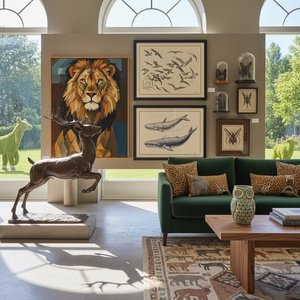
Animalia: Esplorando la Presenza Duratura degli Animali nell'Arte e nel Design d'Interni
Esplora il ruolo affascinante degli animali nell'arte e nel design d'interni. Scopri simbolismi nascosti, capolavori iconici e come portare la bellezza della fauna nella tua casa con .
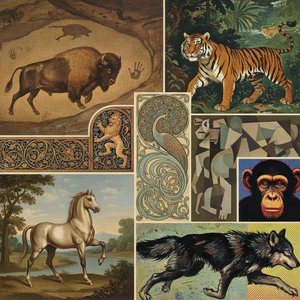
Beastly Brushstrokes: A Historical Journey Through Animal Painting & Aesthetic Movements
Explore the rich history of animal painting across cultures & movements. Discover iconic artists, symbolism, collecting trends & expert art consultation at OriginalUniqueArt.com.

The Dramatic Flourish: Exploring the Baroque Movement's Enduring Legacy in Art History
Explore the dramatic world of Baroque art! Discover iconic artists like Caravaggio & Rubens, defining techniques, and its lasting impact on art history. Expert insights for collectors & enthusiasts at OriginalUniqueArt.

I 10 Capolavori Barocchi che Hanno Definito un'Epoca | Arte e Decorazioni di Lusso
Esplora i 10 capolavori barocchi di Caravaggio, Bernini e Rembrandt che hanno rivoluzionato l'arte. Scopri storie, tecniche e colori iconici. Trova riproduzioni d'arte di alta qualità per la tua casa su !