

 Anteprima in scala reale
 Condividi
 Condividi
 Dettagli

 Scarica
 Articoli simili
 Radiografia
 Slideshow
 Statistiche
Poor Artist's Cupboard
 Oil
Oil- WallArt
 1815
1815- 19th Century
 95.0 x 90.0 cm
 Leggi tutto
Giclée / Stampe d'arte
Stampa giclée o su tela di qualità museale, con produzione rapida e diverse opzioni di finitura. ( Ordina la riproduzione dipinta a mano Passa all'immagine digitale)




































Scegli tra le nostre dimensioni predefinite, che rispettano le proporzioni originali dell'opera d'arte.

È possibile inserire dimensioni personalizzate per adattare l'opera a una cornice o a uno spazio specifico. Se la dimensione selezionata non corrisponde alle proporzioni dell'immagine originale, procederemo al ritaglio dell'opera o all'estensione dell'immagine con un bordo specchiato o a tinta unita. Un mockup digitale ti verrà inviato per approvazione prima dell'inizio della produzione.
Si prega di notare che l'anteprima a schermo non riflette il ritaglio o l'estensione effettivi. Solo il mockup mostrerà accuratamente la composizione finale.
Sebbene siano disponibili dimensioni personalizzate, si raccomanda di selezionare una dimensione dall'elenco predefinito per preservare le proporzioni originali.
Consegna in tutto il mondo () in 2 settimane invece delle normali 4/5 settimane. (16 Settembre)

Spedizione espressa gratuita in tutto il mondo

Tela in lino di alta qualità

Assicurazione completa sulla spedizione

Garanzia di rimborso dei dazi doganali

Garanzia di perfetta fedeltà cromatica

Politica di reso entro 100 giorni (solo per difetti di fabbricazione)

Garanzia di rimborso al 100%

Sconto per acquisti multipli
 L'opzione vetro è disponibile solo per dimensioni inferiori a 110 cm

Poor Artist's Cupboard
Giclée / Stampe d'arte
Dimensioni della riproduzione
-


Prezzo totale
$ 80
A Poignant Still Life of Penury and Perseverance
In the quiet, shadowed alcove of Charles Bird King’s 1815 masterpiece, Poor Artist's Cupboard, we are invited into a deeply intimate and melancholic corner of a creative life. This nearly square still life is far more than a mere collection of objects; it is a profound narrative of struggle, intellectual hunger, and the heavy weight of financial instability. At first glance, the viewer encounters a cluttered niche, an arched space crammed with the remnants of a life lived on the edge of necessity. A crusty piece of bread sits alongside a short glass of water, symbols of the most basic sustenance, yet they are surrounded by a dense, almost overwhelming accumulation of books and papers that suggest a mind far richer than the hands that hold them.
The composition is masterfully arranged to guide the eye through a labyrinth of symbolic details. King utilizes a tight, claustrophobic arrangement to evoke the feeling of being trapped by circumstance. To the right, a red portfolio holds a sheaf of loose papers beneath the heavy weight of Lives of the Painters, a title that serves as a poignant reminder of the artist's own vocation and perhaps his precarious standing within it. The light catches the edges of a pink conch shell and the gold lettering on various spines, creating small flickers of beauty amidst the gloom. There is a tactile quality to the work; one can almost feel the rough texture of the bread, the cold smoothness of the glass, and the brittle, aging parchment of the many books that line the back of the alcove.
The Language of Symbolism and Hidden Narratives
Every object within this cupboard acts as a silent protagonist in a drama of survival. King employs a sophisticated layer of literary and social symbolism to communicate the artist's internal state. The titles found on the book spines are particularly devastating: Miseries of Life, Calamities of Author, and Unpaid Bills whisper of a reality where debt is as constant as the hunger for knowledge. Even more heartbreaking is the sight of a book titled Pleasures of Hope, where the very word "hope" has been physically ripped through by a torn page, suggesting a loss of optimism or the fragility of such a sentiment in the face of poverty.
The inclusion of calling cards addressed to "Palette," mentioning a debt of five dollars, grounds the painting in a specific, relatable human struggle. This is not an idealized, classical still life of abundance; it is a gritty, autobiographical reflection on the cost of an artistic life. The presence of a protractor and various instructional texts suggests that despite the lack of material wealth, there remains a rigorous commitment to the craft and the pursuit of technical mastery. It is this tension between the physical deprivation of the body and the intellectual expansion of the spirit that gives the painting its enduring emotional resonance.
A Timeless Addition for Discerning Collectors
For the art lover or interior designer, Poor Artist's Cupboard offers a unique opportunity to introduce a piece of profound historical depth into a contemporary space. The muted palette of browns, deep reds, and soft greens, punctuated by the rosy glow of the conch shell, provides a sophisticated tonal anchor for a room. As a high-quality reproduction, this work serves as a conversation starter, inviting guests to lean in closer and decipher the many layers of meaning hidden within its shadows.
Whether placed in a study, a library, or a curated gallery wall, this painting brings with it an atmosphere of contemplative quietude. It celebrates the resilience of the human spirit and the enduring power of art to find beauty within the most humble of circumstances. Owning a reproduction of this work is not merely about decorating a wall; it is about preserving a moment of historical empathy and honoring the complex, often difficult journey of the creative soul.
Biografia dell'artista
Primi anni e formazione
Charles Bird King, un rinomato artista americano di ritratti, nacque il 26 settembre 1785 a Newport, Rhode Island. Era l'unico figlio di Deborah Bird e del capitano Zebulon King, un veterano della Rivoluzione Americana. Dopo la prematura morte del padre per mano dei nativi americani vicino a Marietta, Ohio, quando Charles aveva solo quattro anni, lui e sua madre tornarono a Newport.Sviluppo artistico
All'età di 15 anni, King iniziò il suo percorso artistico sotto la guida del ritrattista Edward Savage a New York. Successivamente si trasferì a Londra per studiare con il rinomato Benjamin West alla Royal Academy per sette anni. Questa esposizione agli stili artistici europei influenzò notevolmente la sua opera. Tornando negli Stati Uniti a causa della Guerra del 1812, King lavorò a Philadelphia, Baltimora e Richmond prima di stabilirsi a Washington, D.C., attratto dalle opportunità economiche.Opere significative e stile
I ritratti di King di leader nativi americani e membri delle tribù sono particolarmente degni di nota. Tra le sue opere più celebrate figurano:- John C. Calhoun, Segretario di Guerra, che mostra lo spirito ambizioso del politico (attualmente al Chrysler Museum of Art a Norfolk, Stati Uniti).
- Kee-shes-wa, un capo dei Fox, una testimonianza della sua abilità nel catturare i leader nativi americani.
- Jack-o-pa, un capo Chippewa, un altro esempio della sua competenza nella ritrattistica.
- Teh-ro-hon, un guerriero Ioway, che riflette la sua capacità di catturare l'essenza dei guerrieri nativi americani.
- Un ritratto che mostra la sua padronanza su vari soggetti.
Eredità e impatto
Il successo economico di King può essere attribuito alla sua capacità di socializzare con i ricchi e di relazionarsi con politici ben istruiti. I suoi mecenati includevano figure importanti come John Quincy Adams, Henry Clay, James Monroe e Daniel Webster. Nonostante non si sia mai sposato, King visse a Washington fino alla sua morte il 18 marzo 1862. Lasciò dietro di sé una collezione di dipinti, libri e stampe alla Redwood Library and Athenaeum. Punti chiave:- Eletto membro onorario dell'Accademia Nazionale del Design nel 1827.
- Conosciuto per i suoi tradizionali manierismi europei adattati a soggetti nativi americani.
- La sua opera è caratterizzata da una miscela di influenze olandesi e nordiche, che riflettono il suo periodo alla Royal Academy.
- Esplora altre opere di Charles Bird King su OriginalUniqueArt.
- Scopri altri artisti come Moroni, Giovanni Battista, noti per i loro ritratti realistici, sulla pagina dell'artista di OriginalUniqueArt.
- Scopri l'evoluzione dell'arte occidentale attraverso i secoli alla linea del tempo artistica di wahoo art.
Riferimenti:
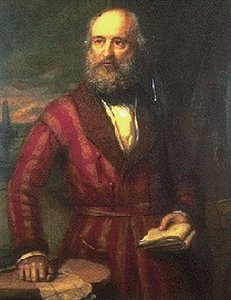
Charles Bird King
1785 - 1862 , Stati Uniti d'America
Informazioni rapide
- Artistic Movement Or Style: Ritratto, influenze europee
- Artists Who Influenced This Artist:
- Benjamin West
- Edward Savage
- Date Of Birth: 26 settembre 1785
- Date Of Death: 18 marzo 1862
- Full Name: Charles Bird King
- Nationality: Americano
- Notable Artworks:
- John C. Calhoun, Segretario di Guerra
- Kee-shes-wa, un capo Fox
- Jack-o-pa, un capo Chippeway
- Teh-ro-hon, un guerriero Ioway
- Place Of Birth (City And Country): Newport, Stati Uniti d'America
Articoli correlati

Charles Bird King e l'Arte del Ritratto: Dignità Indigena e Scambio Culturale nell'America del XIX Secolo
Esplora l'opera di Charles Bird King e il suo rivoluzionario progetto di ritratti dei leader nativi americani. Approfondimenti storici, analisi artistica e l'eredità di un'arte che celebra la dignità culturale.
Clyfford Still e l'Espressionismo Astratto: Un Viaggio nel Colore, la Forma e il Paesaggio Interiore
Esplora l'universo artistico di Clyfford Still e dell'Espressionismo Astratto. Analisi approfondite, tecniche pittoriche e il suo impatto sull'arte moderna. Scopri i capolavori e la sua eredità.

Silent Narratives: Exploring the Enduring Appeal of Still Life Painting Across Centuries
Explore the rich history of still life painting with OriginalUniqueArt. Discover Dutch Masters, decode vanitas symbolism & learn about collecting timeless art. Expert insights and museum-quality reproductions.
Dalla Natura Morta Classica all'Astrazione Contemporanea: Elevare gli Spazi di Ricevimento delle Ville Attraverso la Riproduzione Artistica
Scopri l'evoluzione della natura morta e come trasformare i tuoi spazi con riproduzioni artistiche di alta qualità. Consulenza d'arte gratuita e spedizione in tutto il mondo su OriginalUniqueArt.com.
The Enduring Appeal of Still Life: A Historical & Contemporary Exploration
Explore the rich history & symbolism of still life painting with OriginalUniqueArt. Discover masterpieces from the Dutch Golden Age, learn about vanitas art, and find expert guidance for collecting timeless artworks.