

 Anteprima in scala reale
 Condividi
 Condividi
 Dettagli
 Guida stampabile

 Scarica
 Articoli simili
 Radiografia
 Slideshow
 Statistiche
MARIE LECZINSKA


 Leggi tutto
Giclée / Stampe d'arte
Stampa giclée o su tela di qualità museale, con produzione rapida e diverse opzioni di finitura. ( Ordina la riproduzione dipinta a mano Passa all'immagine digitale)




P118B €10

P118H €10

P118W €10

P438Z €10

P508JH €12

P508YH €12

P805H €10

P805Z €10

P919BZ €10

P919G €10

P919XJ €10

P959ZH €10

P968JZ €12

W106C €8

W218G €10

W218JH €8

W218Y €10

W307PJ €10

W316G €10

W316PJ €8

W316Y €10

W398PJ €8

W4111J €10

W500HY €15

W500JH €15

W692G €12

W849H €8

W940BG €15

W953PJ €8




Scegli tra le nostre dimensioni predefinite, che rispettano le proporzioni originali dell'opera d'arte.

Inserisci la larghezza e l'altezza desiderate, per adattarle alla tua cornice o alla tua parete. Una stampa può essere solo ritagliata, mai resa più grande dell'immagine originale; pertanto, un formato con una forma differente comporterà la perdita di una parte dell'opera. Ti invieremo un mockup digitale da approvare prima di procedere con la stampa. L'immagine mostrata in questa pagina non rappresenta il ritaglio reale — solo il mockup lo mostra.
Consegna in tutto il mondo () in 2 settimane invece delle normali 4/5 settimane. (21 Ottobre)

Spedizione espressa gratuita in tutto il mondo

Tela in lino di alta qualità

Assicurazione completa sulla spedizione

Garanzia di rimborso dei dazi doganali

Garanzia di perfetta fedeltà cromatica

Politica di reso entro 100 giorni (solo per difetti di fabbricazione)

Garanzia di rimborso al 100%

Sconto per acquisti multipli
 L'opzione vetro è disponibile solo per dimensioni inferiori a 110 cm

MARIE LECZINSKA
Giclée / Stampe d'arte
Dimensioni della riproduzione
-


Prezzo totale
€ 70
A Portrait of Grace: Marie Leczinska and the Rococo Embrace
Charles-André van Loo’s “Marie Leczinska” isn't merely a portrait; it’s a carefully constructed tableau vivant, a glimpse into the refined world of 18th-century French court life. Painted in 1747, this work captures Marie as she sat for the artist, a woman poised between duty and delight, radiating an understated elegance that speaks volumes about her position and personality. The scene unfolds within a meticulously rendered formal garden, a deliberate setting designed to elevate her status and subtly convey themes of nobility, leisure, and the delicate balance of power inherent in royal life.
Van Loo’s signature Rococo style is immediately apparent – an abundance of swirling drapery, pastel hues, and intricate ornamentation. The composition is remarkably balanced, with Marie positioned centrally yet gently offset by the architectural elements of the garden: a classical column, a glimpse of a distant building, and the suggestion of a shaded loggia. The artist masterfully employs light to create a sense of depth and atmosphere; diffused sunlight filters through the foliage, casting soft shadows that enhance the textures of fabrics and skin. The color palette is restrained yet luminous – creams, pale blues, and delicate pinks dominate, creating an air of serenity and refinement.
The Queen’s Garden: Symbolism in a Rococo Setting
Beyond its aesthetic beauty, “Marie Leczinska” is rich with symbolic meaning. The formal garden itself represents the queen's role as a patron of the arts and a figure of grace and refinement. Her pose – relaxed yet dignified, hand gently resting on a delicate vase – suggests both composure and an openness to pleasure. The inclusion of flowers, particularly those held in her hands, is laden with symbolism; they likely represent virtues or sentiments associated with queenship—beauty, fertility, and prosperity. The distant architectural elements hint at the grandeur of Versailles and the weight of royal responsibility, subtly reminding the viewer of Marie’s position within the complex tapestry of French courtly society.
The presence of a man seated behind her, observing her with quiet attentiveness, adds another layer to the narrative. This figure is likely her husband, Louis XV, and his gaze suggests both admiration and perhaps a touch of protective concern. The arrangement subtly underscores the power dynamics within the marriage – Marie as the beautiful subject, Louis as the watchful guardian of the realm.
A Master’s Technique: Oil on Canvas and the Van Loo Legacy
Van Loo's skill is evident in his meticulous attention to detail and his ability to capture the nuances of texture and light. The painting was executed in oil on canvas, a medium that allowed him to achieve remarkable subtlety and depth of color. The layering of paint creates a sense of luminosity, particularly in the fabrics and skin tones. Note the delicate rendering of the folds in Marie’s dress, the intricate details of the flowers, and the subtle gradations of light and shadow—all hallmarks of Van Loo's masterful technique.
This work stands as a testament to the artist’s legacy within the Rococo movement. As a member of a prominent family of painters, Charles-André van Loo built upon his predecessors’ traditions while establishing his own distinctive style. His portraits were highly sought after by royalty and nobility throughout Europe, and “Marie Leczinska” remains one of his most celebrated achievements—a captivating example of Rococo elegance and artistic skill.
- Artist: Charles-André van Loo
- Date: 1747
- Medium: Oil on Canvas
- Style: Rococo
- Dimensions: Unknown
Domande e risposte
In quale stanza si consiglia di collocare "MARIE LECZINSKA" di Charles-André van Loo, considerando i suoi colori?
Con la sua palette Earthy, "MARIE LECZINSKA" di Charles-André van Loo è consigliato per un/una Living Room. I colori sono uno dei motivi di questo suggerimento.
Dove posso acquistare una stampa di "MARIE LECZINSKA" di Charles-André van Loo?
Per ordinare una stampa di "MARIE LECZINSKA" di Charles-André van Loo, ti basta cercarla nella sua pagina dedicata Stampa Fine Art: una stampa fine art su tela di cotone o carta canvas d'archivio.
Dove posso trovare opere d'arte simili a "MARIE LECZINSKA" di Charles-André van Loo?
La pagina Opere simili di "MARIE LECZINSKA" di Charles-André van Loo presenta opere correlate.
Biografia dell'artista
Primi Anni e Formazione
- Nascita: 15 febbraio 1705, a Nizza, Francia
- Origini Familiari: Figlio di Louis-Abraham van Loo e fratello minore di Jean-Baptiste van Loo. Membro di una dinastia olandese di pittori di successo.
- Educazione Iniziale: Formazione iniziale a Torino, seguita da studi a Roma (1712) sotto la guida di Benedetto Luti e Pierre Legros.
- Studi Parigini: Frequentò l'Académie Royale, vincendo il primo premio per disegno nel 1723 e per pittura storica nel 1727.
Carriera Artistica e Opere Principali
- Stile: Principalmente noto come pittore rococò, caratterizzato da eleganza, grazia e dettagli ornamentati.
- Soggetti: Ampia gamma di soggetti tra cui ritratti, scene mitologiche, dipinti storici, allegorie e scene di genere.
- Opere Significative:
- Venere e Amore (Kunsthalle Bremen) – Dimostra la padronanza dello stile rococò.
- La Battuta di Caccia (The Metropolitan Museum of Art) – Cattura le attività aristocratiche.
- Ritratto di Maria Leszczynska, Regina di Francia – Un notevole ritratto reale.
- Giove e Antiope – Illustra temi mitologici.
- Autoritratto – Fornisce uno sguardo all'auto-percezione dell'artista.
- Perseo e Andromeda (multiple versioni) – Dimostra abilità nel rappresentare la mitologia classica.
- Mademoiselle Clairon come Medea (piccola versione) - Un affascinante ritratto rococò del 1760.
Patrocinio e Riconoscimenti Reali
- Patrocinio Regale: Godette del patrocinio di Madame de Pompadour e della corte francese.
- Nomina alla Corte: Divenne Primo Pittore al servizio di Luigi XV nel 1762, una posizione prestigiosa.
- Ordine di San Michele: Decorato con l'Ordine di San Michele, a testimonianza del favore reale.
Influenze e Significato Storico
- Influenza Familiare: Fortemente influenzato dal padre e dal fratello, entrambi pittori affermati.
- Rivalità: Competizione con François Boucher, un altro importante artista rococò.
- Scuola Francese Moderna: La sua "semplicità di stile e correttezza del disegno" ha influenzato significativamente la scuola francese moderna della pittura.
- Fortuna Critica: Sebbene il suo status critico sia variato nel tempo, la sua abilità e l'ampiezza del suo lavoro meritano rispetto.
Collezioni Museali ed Esplorazioni Ulteriori
- Presenza nei Musei: Opere presenti in musei importanti tra cui il Louvre (Il Matrimonio della Vergine), Kunsthalle Bremen e The Metropolitan Museum of Art.
- Risorse Aggiuntive:
- Pagina di OriginalUniqueArt su Charles-André van Loo: https://www.OriginalUniqueArt.com/artists/charles-andre-van-loo/
- Pagina di OriginalUniqueArt sui più grandi artisti di tutti i tempi: https://www.OriginalUniqueArt.com/greatest-artists
- Museo Virtuale OriginalUniqueArt: https://www.OriginalUniqueArt.com/
- Articolo Wikipedia: https://en.wikipedia.org/wiki/Charles-Andr%C3%A9_van_Loo
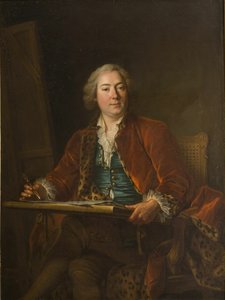
Charles-André van Loo
1705 - 1765 , Francia
Informazioni rapide
- Artisti Influenti:
- Benedetto Luti
- Pierre Le Gros
- Artisti Influenzati: ['Scuola francese moderna']
- Data Di Nascita: 15 febbraio 1705
- Full Name: Charles-André van Loo
- Luogo Di Nascita: Nizza, Francia
- Movimento Artistico: Rococò
- Nazionalità: Francese
- Opere Notevoli:
- Venere e Amore
- La Battuta di Caccia
- Ritratto di Marie Leszczynska
- Giove e Antiope
- Autoritratto
- Perseo e Andromeda
Articoli correlati

I 10 Capolavori Rococò che Hanno Definito un'Epoca | Arte e Decorazioni di Lusso
Esplora i 10 capolavori del Rococò con ! Scopri Fragonard, Boucher e Tiepolo e lasciati ispirare da colori pastello e decorazioni di lusso. Quadri antichi e riproduzioni d'arte per interni eleganti. Esplora la collezione online!

Rembrandt van Rijn: I 25 Capolavori Immortali da Ammirare | OriginalUniqueArt
Esplora i 25 capolavori di Rembrandt van Rijn, da 'La Ronda di Notte' ai suoi intensi autoritratti. Scopri la storia, le tecniche e l'arte barocca del maestro olandese. Riproduzioni di alta qualità su OriginalUniqueArt.com.

Carlo-André van Loo e lo Studio sulla Ritrattistica Rococò alla Corte Francese
Esplora l'arte di Carlo-André van Loo e il raffinato mondo della ritrattistica rococò alla corte francese del XVIII secolo. Analisi approfondite, tecniche pittoriche e contesto storico per collezionisti ed esperti.
I 10 Capolavori del Rinascimento Netherlandese: Arte, Storia e Decorazioni di Lusso
Esplora i 10 capolavori del Rinascimento Netherlandese: Jan van Eyck, Rogier van der Weyden e altri maestri fiamminghi. Scopri la storia, le tecniche e il simbolismo di questi dipinti iconici. Riproduzioni d'arte di lusso su OriginalUniqueArt.com.

I 10 Capolavori della Pittura Fiamminga Antica: Arte, Storia e Stile per la Tua Casa
Esplora i 10 capolavori della pittura fiamminga antica! Jan van Eyck, Rogier van der Weyden e altri maestri rinascimentali. Scopri storia, tecnica e simbolismo di questi dipinti iconici. Trova riproduzioni d'arte di alta qualità per la tua casa su OriginalUniqueArt.com.


